The Shocking Truth About Obesity and Lifestyle Habits As we all know Obesity is a major public health concern in India today. It is estimated that around 5% of the countrys population is currently considered obese. Obesity is a complex condition that is influenced by a variety of factors, including genetic, environmental, and lifestyle factors. Lifestyle habits, in particular, play a significant role in the development of obesity Here are some shocking truths about obesity and lifestyle habits in India: Sedentary Lifestyle Sedentary lifestyle is one of the leading causes of obesity. Many people spend most of their day sitting at a desk or in front of a screen. This lack of physical activity can lead to weight gain, especially when coupled with unhealthy eating habits. Unhealthy Eating Habits Unhealthy eating habits are another major factor contributing to obesity. Consuming highly processed, calorie-dense foods can lead to weight gain and other health problems. Additionally, many people eat out frequently, where portion sizes are often larger than recommended and meals are high in calories, saturated fat, and sodium. Lack of Sleep Lack of sleep has also been linked to obesity. When we dont get enough sleep, our bodies produce more of the hormone ghrelin, which stimulates appetite, and less of the hormone leptin, which suppresses appetite. As a result, we may feel hungrier and eat more than we need to. Stress Stress is another factor that can contribute to obesity. When we are stressed, our bodies produce cortisol, a hormone that can increase appetite and lead to weight gain, especially in the abdominal area. In summary, obesity is a multifaceted problem with numerous factors that come into play, but lifestyle habits are a major contributor to both the onset and management of obesity. By implementing positive changes such as regular physical activity, a balanced diet, sufficient rest, and stress-management techniques, we can decrease our likelihood of developing obesity and boost our overall well-being. - Disclaimer:- This information is intended to supplement, not substitute, advice from your healthcare provider or doctor. It does not cover all possible uses, precautions, interactions, or side effects, and may not be appropriate for your specific healthcare needs. Always consult with your doctor or another qualified healthcare provider before modifying or discontinuing any prescribed portion of your healthcare plan or treatment, in order to determine the best course of therapy for you. Do not ignore or delay professional medical advice based on anything you have seen or read on Medwiki. Find us at: https://www.instagram.com/medwiki_/?h... https://medwiki.co.in/ https://www.facebook.com/medwiki.co.in/ #obesity #sedentarylifestyle #junkfood #friedfood #fat #heavyweight #overeating
Ever wondered why you feel tired all the time, why your knees hurt, or why your breathing feels heavier than it used to? Many people automatically blame age, stress, or busy schedules. But sometimes, the real reason is something far more serious: it could beobesity, a health condition which slowly affects the whole body and mind without showing clear warning signs in the beginning.Millions of people around the world struggle with this condition, yet most of them have little understanding of what obesity is or just how deeply the condition affects daily life. Obesity refers to more than just body size. It is actually a medical condition wherein the body stores excessive amounts of fat, to the extent that it may negatively affect the heart, joints, metabolism, hormones, and even mental health.Knowing all about the side effects of obesity, early symptoms, and the effects of obesity themselves can help people take control before complications become serious. This article explains the science in easy language and shows why taking action matters for both physical and emotional wellbeing.Early Signs and Symptoms You Should Not IgnoreRecognizing theobesity symptoms early can prevent worsening health issues. Some common signs include• constant tiredness• shortness of breath• increased body weight and waist size• trouble sleeping or loud snoring• frequent joint pain• rapid weight gain• difficulty with physical activity• emotional discomfort or anxietyThese symptoms may appear slowly, making it easy to overlook them.What Exactly Happens Inside the Body During ObesityWhen someone developsobesity, the excess fat does more than change appearance. Fat cells act like tiny organs that release chemicals, hormones, and inflammatory signals. Over time, these signals affect nearly every system inside the body.This silent inflammation leads to a long list ofobesitycomplications, including high blood sugar, high cholesterol, breathing trouble, joint strain, and increased risk of long term diseases. It also changes sleep patterns, appetite, energy levels, and mood.The real danger is that these changes do not happen overnight. They build slowly until health problems begin appearing one after another.Major Health Issues Linked to ObesityThere are many health issues which people are not aware of and do the things on repeat. So here are some major health issues described in detail. They are-Heart and Circulation ProblemsThe heart works harder when the body carries extra fat. This raises the risk ofobesity and heart disease, including heart attack, stroke, and high blood pressure. Blood vessels may narrow or become clogged due to long term inflammation.2. High Blood Sugar and DiabetesOne of the most common obesity related diseases is type 2 diabetes. With too much fat in the body, insulin cannot work the way it should. This causes persistently high blood sugar. Without treatment, this harms nerves, eyes, kidneys, and other organs.3. Joint Pain and Mobility IssuesEvery extra kilogram adds pressure on the knees, hips, and lower back. Over time, this leads to arthritis, limited flexibility, and chronic pain. This is whyobesity and joint pain are often seen together.4. Breathing Trouble and Sleep IssuesPeople who experienceobesity and breathing problems often feel breathless even during simple activities. Fat around the chest and neck makes it harder to inhale comfortably. This can lead toobesity and sleep apnea, where breathing repeatedly stops during sleep.5. Higher Cancer RiskMany studies show that people with obesity are more likely to develop certain cancers in bothmen and women. These include breast, colon, prostate, and kidney cancer. Excess fat releases hormones that may encourage abnormal cell growth, increasingobesity and cancer risk.6. Lower Quality of LifeReduced energy, difficulty moving, frequent health appointments, and emotional struggles all affect how someone lives daily life.Obesity and quality of life decline together as health issues pile up.How Obesity Affects Emotional and Mental HealthPeople often think obesity only affects the body, but the mind is impacted too. Living with extra weight can lead to low self esteem, body dissatisfaction, and chronic stress. Many people face judgment or criticism from others, which only worsens emotional pain.This leads to a strong link betweenobesity and depression as well asobesity and anxiety. Changes in hormones and disrupted sleep also contribute to emotional imbalance. When mental health suffers, it becomes even harder to make positive lifestyle changes, creating a difficult cycle.Why Childhood Obesity Should Be Taken SeriouslyChildhood obesity is one of the fastest growing health concerns. Children who develop obesity are at risk of lifelong health problems. Their bodies and minds are still developing, which makes the impact even stronger.Children with obesity may experience• early diabetes• joint trouble• low self confidence• bullying• learning difficulties due to fatigueAddressing the issue early can prevent severe obesity long term effects later in life.What Causes Obesity and Why It Happens to Some People More Than OthersThere is no single reason behind obesity causes. It happens due to a combination of• genetic makeup• lifestyle habits• emotional eating• lack of activity• hormonal imbalances• poor sleep• stress• certain medicationsPeople may gain weight due to circumstances beyond their control. Instead of blame, understanding the root cause is key to recovery.Long-Term Impact of Obesity on Overall HealthThe health risks of obesity extend far beyond weight. Over time, the condition increases the chance of• heart problems• nerve damage• liver disease• hormonal imbalance• fertility issues• reduced lung capacity• weakened immunityTheseoverweight health risks can shorten lifespan and reduce quality of life significantly if left unmanaged.Managing Obesity in a Healthy and Realistic WayThere is no quick fix, but effective obesity treatment focuses on long term lifestyle changes. These include• nutritious meals• portion control• regular physical activity• better sleep habits• managing stress• tracking health indicators• support from family or a coachSome individuals may need medical supervision or specific treatment plans depending on their condition. The goal is not just weight loss but overall health and happiness.Practical Steps to Manage or Prevent ObesityUnderstanding obesity treatment and obesity prevention is crucial. Here are steps you can undertake:Nutrition: Choose whole foods, reduce sugar and processed items, control portion size.Activity: Move your body regularly. Even walking counts.Sleep: Aim for consistent, quality sleep to regulate hormones.Stress: Use stress-reduction techniques like meditation or hobbies.Medical Help: Monitor your blood sugar, cholesterol, blood pressure. Seek guidance if changes occur.Support: Share your journey with friends, family, or support groups.Managing obesity means understanding it, accepting that help may be needed, and making sustainable changes.Prevention Is Easier Than CureObesity prevention is always better than treating complications later. Small steps done daily build strong habits. Even simple choices like walking more, cutting sugary drinks, sleeping better, and eating homemade meals can lower the risk dramatically.Taking action early protects the heart, mind, and body from long lasting damage.ConclusionObesity is not just a matter of size. It is a condition that deeply affects the heart, lungs, joints, hormones, mood, relationships, and confidence. The effects of obesity can be frightening, but understanding them is the first step toward change.If you notice the side effects of obesity, do not panic. The body can recover with the right care, patience, and lifestyle adjustments. You deserve a life full of energy, movement, and peace. The journey begins with awareness. FollowMedwikifor more updates.Frequently Asked Questions1. What is obesity?It is a medical condition where the body stores too much fat, which begins to affect health.2. What are the common effects of obesityIt increases the risk of diabetes, heart disease, breathing problems, joint pain, and emotional issues.3. What are the main causes of obesityCauses include genetics, poor diet, stress, lack of activity, hormonal imbalance, and certain medications.4. How does obesity affect mental healthIt may lead to depression, anxiety, low confidence, and social withdrawal.5. Can children also develop obesityYes, childhood obesity is a serious issue that can lead to lifelong health problems.6. How can I manage obesity safelyHealthy eating, movement, good sleep, and stress control help. Seek medical advice for personalized care.7. Why is obesity dangerous if ignoredIgnoring it can lead to long term diseases such as heart problems, diabetes, cancer risk, and reduced quality of life.Disclaimer:This information is not a substitute for medical advice. Consult your healthcare provider before making any changes to your treatment. Do not ignore or delay professional medical advice based on anything you have seen or read on Medwiki.Find us at: https://www.instagram.com/medwiki_/?h... https://medwiki.co.in/ https://www.facebook.com/medwiki.co.in/ #obesity #obesitycauses #fat #riskfactors #obesitytreatment #heavyweight
When we hear the word "bacteria," the only thing that comes to mind is antibiotics, right? In the world of microorganisms, bacteria are the most wanted criminals because they only cause us harm. But is it actually the case? And the answer is "a big no." There are two types of bacteria: good and bad. The "good bacteria," also known as probiotics, are a variety of living microorganisms that are naturally found in our bodies and support gut health. The most popular kind of probiotic is lactobacillus, which is present in yogurt and fermented dairy products like cheese. Bifidobacterium, Saccharomyces, Streptococcus, and Enterococcus are additional recognised forms. Probiotics function by regulating the immune system, which in turn produces antibodies, and also causes our bodies to produce vitamins and digestive enzymes which helps in proper food digestion. By preserving a balance of good bacteria in the body, they aid in skin related problems, reducing bloating, irregular bowel movements, and diarrhea, particularly caused by antibiotics reducing the number of good bacteria in the body. A fiber-rich diet is an excellent source of probiotics, and are also available as a health supplement in the market. Although probiotics have no known side effects, those with weakened immune systems or other illnesses should avoid using them. So, if youre thinking about taking probiotics to improve your gut health, talk to your doctor first, because everything has advantages and disadvantages, too. - Disclaimer : This video is for educational purposes only. Please consult your doctor for any health or medicine related query. Reliance on any information provided by Medwiki is solely at your own risk. Find us at: https://www.instagram.com/medwiki_/?hl=en https://medwiki.co.in/ https://twitter.com/medwiki_inc https://www.facebook.com/medwiki.co.in/ #probiotics #fiberfood #digestionproblem #medwiki #guthealth #dietfood
Tired of Taking Medications for Your Migraines and Headaches? If you get regular headaches and are looking for some solid home remedies, youve come to the right spot. Try these simple natural cures at home for immediate relief. Cold Compress: Applying a cold compress to the affected area can help reduce inflammation and alleviate pain. You can use a cold pack, a bag of frozen vegetables, or a towel soaked in cold water to create your compress. Essential Oils: Certain essential oils, such as lavender, peppermint, or chamomile, can help to relax your muscles and alleviate pain. You can use a diffuser to spread the scent throughout your home or apply the oil directly to your temples or the back of your neck. Relaxation Techniques: Practicing relaxation techniques like deep breathing, meditation, or yoga can be helpful for managing stress, a common trigger for migraines and headaches. Dietary Changes: Making dietary changes, such as avoiding trigger foods and staying hydrated, can also be beneficial. Certain foods can trigger migraines or headaches, so its a good idea to avoid these foods or keep a food diary to identify your triggers. Staying hydrated by drinking plenty of water can also help prevent headaches. Exercise: Regular exercise can help to reduce stress, improve blood flow, and release endorphins, which can act as natural painkillers. However, its important to start slowly and not overdo it, as intense exercise can sometimes trigger migraines or headaches. Remember, its important to talk to your doctor before trying any new remedies or making significant changes to your diet or lifestyle to ensure that youre not putting your health at risk. - Disclaimer : This video is for educational purposes only. Please consult your doctor for any health or medicine related query. Reliance on any information provided by Medwiki is solely at your own risk. Find us at: https://www.instagram.com/medwiki_/?h... https://medwiki.co.in/ https://twitter.com/medwiki_inc https://www.facebook.com/medwiki.co.in/ #headache #migraine #painremedy #medicines #education #essentialoils #massage
The Connection Between Body Weight and Knee Pain: How to Manage Both Struggling between body weight and joint pain? Did you know that carrying excess body weight can put added pressure on your knees and increase your risk of developing knee pain? Here are some tips for managing both body weight and knee pain: One. Maintain a healthy body weight: If youre overweight or obese, losing even a small amount of weight can help to relieve pressure on your knees and reduce your risk of developing knee pain. Two. Stay active: Regular exercise can help to strengthen the muscles around your knees and reduce your risk of developing knee pain. Low-impact exercises, such as swimming, cycling, and yoga, are great options for people with knee pain. Three. Wear supportive shoes: Wearing shoes that provide good support can help to reduce the impact on your knees and relieve knee pain. Four. Use ice or heat: Applying ice or heat to your knees can help to relieve pain and inflammation. Use ice for acute pain and heat for chronic pain. Five. Try physical therapy: Working with a physical therapist can help you learn exercises and stretches to relieve knee pain and prevent further injury. By managing your body weight and taking care of your knees, you can reduce your risk of developing knee pain and maintain an active, healthy lifestyle. If youre experiencing persistent knee pain, be sure to talk to your healthcare provider for a proper diagnosis and treatment plan. - Disclaimer : This video is for educational purposes only. Please consult your doctor for any health or medicine related query. Reliance on any information provided by Medwiki is solely at your own risk. Find us at: https://www.instagram.com/medwiki_/?h... https://medwiki.co.in/ https://twitter.com/medwiki_inc https://www.facebook.com/medwiki.co.in/ #pain #jointpain #rheumatoid #gout #muscle #overweight #obesity
Top 7 Home Remedies for Vomiting That Actually Work If you are feeling nauseous but are afraid to use medicines, there are several home remedies that might help reduce the symptoms. Here are a few examples: Ginger: Ginger has natural anti-inflammatory properties that can help soothe an upset stomach and relieve nausea. You can chew on a small piece of fresh ginger, drink ginger tea, or take ginger supplements. Peppermint: Peppermint has a calming effect on the digestive system and can help ease nausea and vomiting. You can drink peppermint tea, chew on peppermint leaves, or take peppermint supplements. Apple cider vinegar: Apple cider vinegar has acidic properties that can help neutralize the stomach acid and reduce nausea. Mix a tablespoon of apple cider vinegar with a glass of water and drink it slowly. Rice water: Rice water is a traditional remedy that can help soothe an upset stomach and prevent dehydration. Boil a cup of rice in four cups of water and strain the water. Drink the rice water slowly throughout the day. Fennel: Fennel seeds have natural anti-inflammatory properties that can help ease nausea and vomiting. You can chew on some fennel seeds or make tea by boiling them in water. Lemon: Lemon has acidic properties that can help neutralize the stomach acid and relieve nausea. Squeeze some fresh lemon juice into a glass of water and drink it slowly. Chamomile: Chamomile has natural anti-inflammatory properties that can help soothe an upset stomach and relieve nausea. You can brew chamomile tea using dried chamomile flowers and consume it warm. These home remedies can help alleviate the symptoms of vomiting and provide relief. However, if your vomiting persists for more than 24 hours, or if you have other symptoms such as fever or severe abdominal pain, you should seek medical attention. #homeremedies #घरेलूनà¥à¤¸à¥à¤–े #reciepe #हेलà¥à¤¥à¥€à¤Ÿà¤¿à¤ªà¥à¤¸ #summertime #vomiting #nausea #lifehacks #gharelunuskhe
#antidepressants #betablockers If youve ever experienced a panic attack, you know just how frightening and overwhelming they can be. But what exactly is a panic attack, and why do they happen? In this video, well take a closer look at the symptoms, causes, and treatment options for panic attacks. **What is a Panic Attack?** A panic attack is a sudden onset of intense fear or discomfort that can cause a range of physical and psychological symptoms. Panic attacks can occur unexpectedly or in response to specific situations or triggers. They can last anywhere from a few minutes to several hours, and can occur just once or repeatedly over time. **Symptoms of Panic Attacks** Symptoms of a panic attack can vary from person to person, but some common ones include: - Rapid heartbeat or palpitations - Sweating or trembling - Shortness of breath or feeling like you cant breathe - Chest pain or discomfort - Feeling dizzy, lightheaded, or faint - Nausea or stomach distress - Tingling or numbness in the hands or feet - A sense of being out of control or being completely irrational - Fear of dying or having a heart attack During a panic attack, its common to feel like youre having a medical emergency, and many people seek medical attention for their symptoms. However, panic attacks are generally not dangerous and usually subside on their own within a few minutes. **Causes of Panic Attacks** The exact cause of panic attacks is not fully understood, but they are believed to be triggered by a combination of genetic, biological, and environmental factors. Some common triggers include: - Stressful life situations like divorce, losing a job, or losing a loved one - Phobias or anxiety disorders, such as social anxiety or agoraphobia - Traumatic experiences, such as a car accident or physical assault - Substance abuse or withdrawal - Medical conditions, such as hyperthyroidism or heart disease **Treatment for Panic Attacks** Treatment for panic attacks typically involves a combination of therapy and medication. Some common treatment options include: - Cognitive behavioral therapy (CBT): A type of talk therapy that helps you identify and change negative thought patterns and behaviors that contribute to your panic attacks. - Exposure therapy: A type of CBT that involves gradually exposing you to the situations or triggers that cause your panic attacks, in a safe and controlled environment. - Medication: Antidepressants, anti-anxiety medications, and beta-blockers are often prescribed to help manage the symptoms of panic attacks. - Lifestyle changes, such as practicing relaxation techniques, getting regular exercise, and avoiding caffeine and alcohol, can also help reduce the frequency and severity of panic attacks. In conclusion, while panic attacks can be very distressing and overwhelming, they are treatable with a combination of therapy and medication. If you or someone you know is experiencing panic attacks, its important to seek professional help to manage the symptoms and prevent them from interfering with daily life. - Disclaimer : This video is for educational purposes only. Please consult your doctor for any health or medicine related query. Reliance on any information provided by Medwiki is solely at your own risk. Find us at: https://www.instagram.com/medwiki_/?h... https://medwiki.co.in/ https://twitter.com/medwiki_inc https://www.facebook.com/medwiki.co.in/ #panicattack #tension #stress #stressrelief #mood #moodswing #depressed #anxiety #demotivated
Stay hydrated: Diarrhea can cause dehydration, so it is important to drink plenty of fluids to replace the lost water and electrolytes. Drink water, clear broths, herbal tea, or other non-caffeinated beverages.Eat a bland diet: Stick to easy-to-digest foods, such as bananas, rice, applesauce, and toast (BRAT diet). You can also try other low-fiber foods like boiled potatoes, plain chicken, and plain pasta.Avoid certain foods: Stay away from foods that can make diarrhea worse, such as fatty, greasy, or spicy foods, dairy products, caffeine, and alcohol.Take probiotics: Probiotics are "good" bacteria that live in your gut and can help restore the balance of your digestive system. You can take probiotic supplements or eat probiotic-rich foods such as yogurt, kefir, or kimchi.Use ginger: Ginger has anti-inflammatory properties that can help soothe the digestive system. You can try ginger tea or add grated ginger to your meals.Use apple cider vinegar: Apple cider vinegar can help restore the natural pH balance of your digestive system. You can mix a tablespoon of apple cider vinegar in a glass of water and drink it.Use over-the-counter remedies: You can use over-the-counter medications such as loperamide (Imodium) or bismuth subsalicylate (Pepto-Bismol) to reduce the frequency and severity of diarrhea.Disclaimer : This video is for educational purposes only. Please consult your doctor for any health or medicine related query. Reliance on any information provided by Medwiki is solely at your own risk.Find us at:https://www.instagram.com/medwiki_/?h…https://twitter.com/medwiki_inchttps://www.facebook.com/medwiki.co.in/
Shorts
Watermelon Benefits! Stay Hydrated and Healthy in Summer!

Mrs. Prerna Trivedi
Nutritionist
How Can Bael Fruit Keep You Cool And Healthy This Summer?

Drx. Salony Priya
MBA (Pharmaceutical Management)
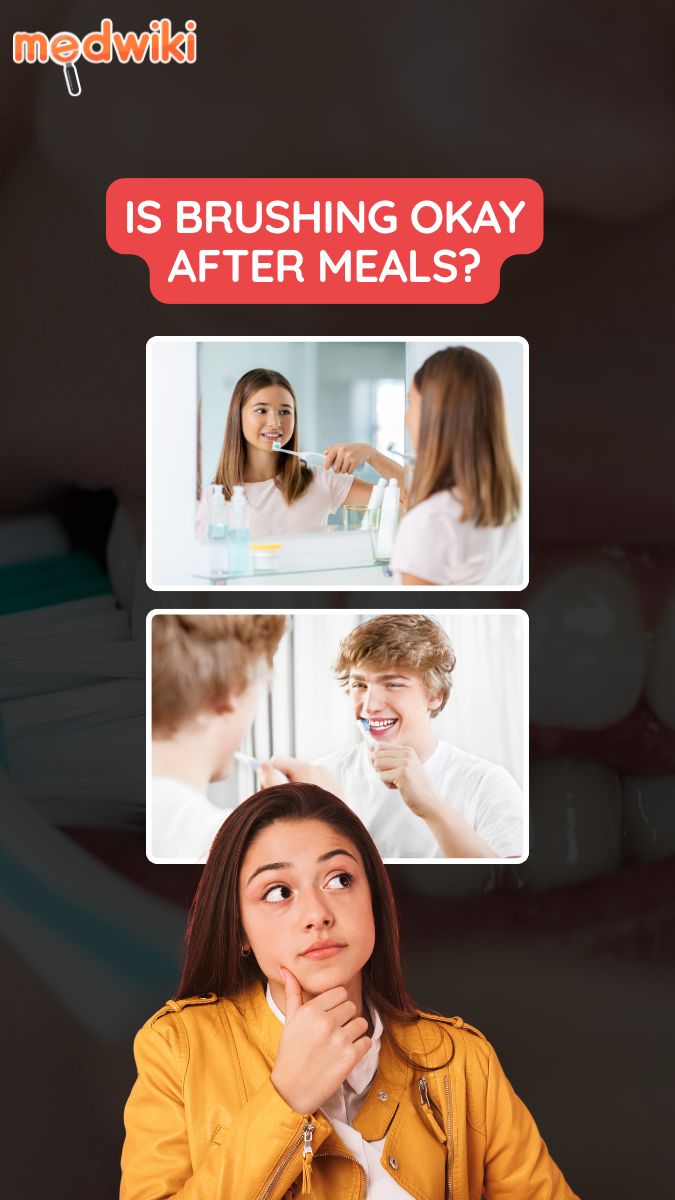
Can brushing after meals cause damage?
Mrs. Prerna Trivedi
Nutritionist
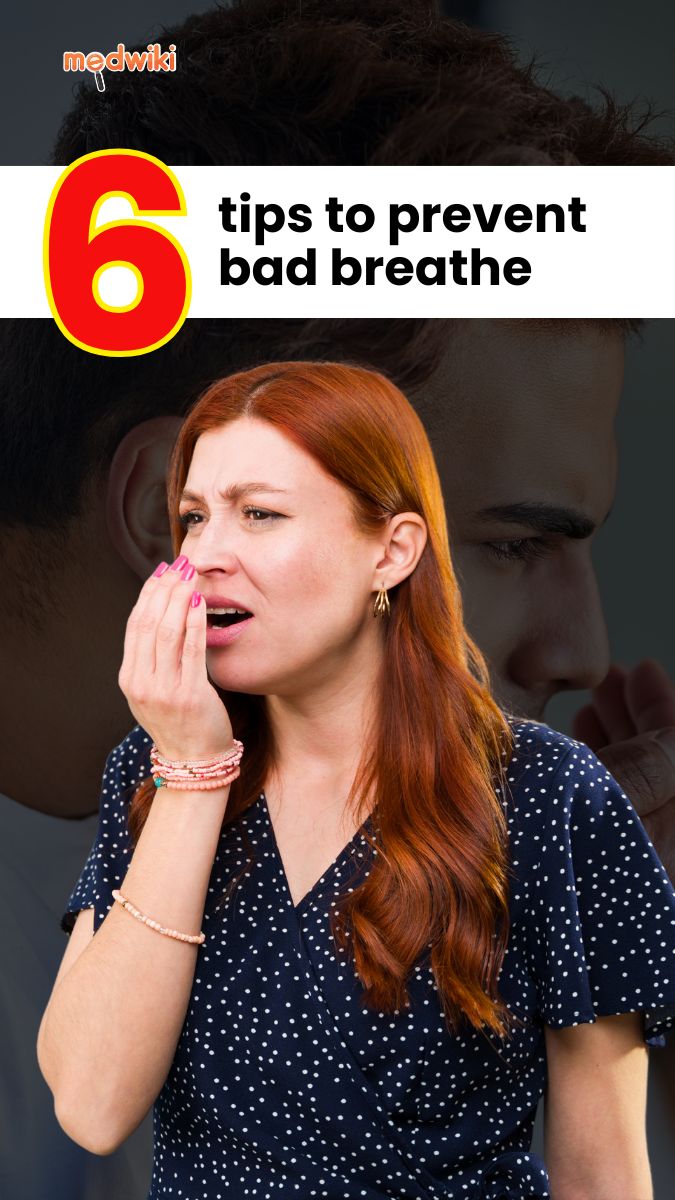
6 Simple Ways to Get Rid of Bad Breath Naturally!
Mrs. Prerna Trivedi
Nutritionist