

1:15
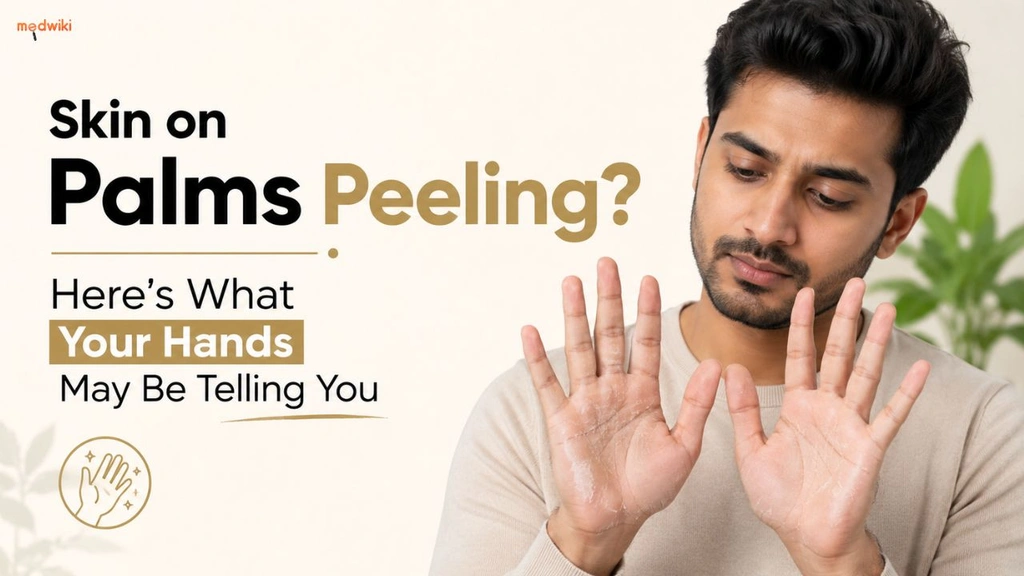
Skin on palms peeling can be frustrating, uncomfortable, and sometimes embarrassing. Many people notice flaky or rough skin on their hands without understanding the real cause behind it. In some cases, the problem is temporary and linked to weather changes or irritation. In other situations, it may point to an underlying skin condition or lifestyle habit.The hands go through daily stress from cleaning products, soaps, sanitizers, and outdoor exposure. This constant contact can damage the protective barrier of the skin and lead to irritation. People dealing with dry skin on hands often experience redness, itchiness, and cracked areas that make simple tasks uncomfortable.Understanding why skin on palms peeling happens is important for finding the right treatment. Conditions like eczema on hands, hand dermatitis, and psoriasis on palms may all contribute to peeling skin. The good news is that proper care, hydration, and healthy habits can help improve the condition and protect your hands from further damage.Common Causes of Peeling Skin on PalmsOne of the most common reasons behind peeling skin is excessive dryness. People with dry skin on hands may notice rough texture, flaky patches, and small cracks that worsen during colder months. Exposure to harsh soaps and sanitizers can remove natural oils and weaken the skin barrier over time.Certain medical conditions may also trigger peeling.Eczema on hands and hand dermatitis often cause itching, redness, and peeling fingertips. These conditions are usually linked to allergies, irritants, or stress. Frequent hand washing can also make symptoms more severe because water and chemicals strip moisture from the skin.In some cases, infections or nutritional problems may be responsible. Skin infections caused by fungi or bacteria can lead to irritation and peeling. A vitamin deficiency, especially low levels of vitamin B or zinc, may also affect skin health and slow down healing. Identifying the exact cause helps in choosing the right treatment approach.Signs That Your Skin Needs Medical AttentionSometimes peeling skin is mild and temporary, but there are moments when professional care becomes necessary. Persistent irritation,bleeding, or painful cracking may indicate a deeper skin issue that needs treatment.Here are some warning signs you should not ignore:Severe redness that spreads across the palmsPainful peeling fingertips with swellingBlisters filled with fluid or pusSkin infections that cause warmth or tendernessThick scaling linked to psoriasis on palmsSymptoms of eczema on hands that do not improveIgnoring serious symptoms may lead to worsening discomfort and skin damage. Seeking medical help early can prevent long term complications.How Daily Habits Affect Your Hand SkinMany people unknowingly damage their skin through simple daily routines. Constant exposure to chemicals, hot water, and detergents weakens the skin barrier and increases sensitivity.The following habits can make peeling worse:Frequent hand washing with strong soapsUsingalcohol based sanitizers too oftenNot applying moisturizer after cleaningScratching dry skin on hands repeatedlyWearing gloves for long periods without ventilationIgnoring early signs of hand dermatitisChanging a few everyday habits can make a noticeable difference. Healthy routines help the skin heal faster and stay protected.Skin Conditions Linked to Peeling PalmsSeveral skin conditions are strongly connected to palm peeling. Eczema on hands is one of the most common problems and often develops due to allergies, stress, or contact with irritating substances. The condition may cause itching, peeling fingertips, and painful cracks that affect daily activities.Psoriasis on palms is another condition that can lead to thick, scaly skin. Unlike regular dryness, psoriasis creates raised patches that may crack and bleed. Some people mistake it for simple dry skin on hands and delay proper treatment. Early diagnosis can help reduce flare ups and discomfort.Hand dermatitis is also a major cause of irritation and peeling. It usually develops after repeated exposure to water, soaps, or chemicals. Frequent hand washing can worsen symptoms and make the skin more sensitive over time. Proper skincare and medical guidance are important for managing these conditions effectively.Best Moisturizing Tips for Healthier HandsKeeping the skin hydrated is one of the most effective ways to reduce skin on palms peeling. Moisturizers help repair the skin barrier and protect the hands from further irritation.To improve hydration and softness, follow these tips:Use fragrance free hand creams dailyApply moisturizer after frequent hand washingChoose products with ceramides or glycerinWear cotton gloves overnight after moisturizingAvoid very hot water during hand washingProtect hands from harsh weather conditionsConsistent moisturizing supports healing and reduces discomfort. Healthy skin stays softer, smoother, and less likely to peel.Foods and Nutrients That Support Skin HealthHealthy skin starts from within the body. A balanced diet helps repair damaged tissue and supports natural healing. People with vitamin deficiency may notice increased dryness, slow healing, and peeling fingertips.The following nutrients are especially helpful for skin recovery:Vitamin B complex for skin repairZinc to support healing and immunityOmega 3 fatty acids for hydrationVitamin E for protecting skin cellsProtein rich foods for tissue growthFresh fruits and vegetables for antioxidantsEating nutrient rich foods can improve overall skin condition. Good nutrition also lowers the risk of recurring dryness and irritation.Home Remedies That May Help Peeling SkinMany simple remedies can provide relief from peeling palms when used correctly. Natural ingredients may calm irritation and restore moisture to damaged skin.You can try these home care methods safely:Soaking hands in lukewarm oatmeal waterApplying aloe vera gel to irritated areasUsing coconut oil before bedtimeWearing gloves while cleaning the houseAvoiding products that trigger eczema on handsDrinking enough water daily for hydrationHome remedies work best when combined with proper skincare habits. Consistent care can reduce flare ups and improve comfort.Uses of Protective Hand Care ProductsProtective skincare products play an important role in preventing skin on palms peeling. Barrier creams, gentle cleansers, and hydrating lotions help maintain the natural moisture layer of the skin. These products are especially useful for people exposed to chemicals, water, or rough surfaces every day.The following products are commonly used for hand protection:Gentle soap free cleansers for sensitive skinBarrier creams for reducing irritationThick ointments for peeling fingertipsHydrating lotions for dry skin on handsProtective gloves during household cleaningMedicated creams for hand dermatitisChoosing the right products can reduce irritation and dryness. Protective care helps the skin recover and stay healthy longer.Benefits of Early Treatment for Peeling PalmsTreating peeling skin early can prevent discomfort from becoming severe. Many people ignore the first signs of dryness or irritation until painful cracking develops. Quick attention helps control symptoms before they become harder to manage.Early treatment offers several important benefits:Reduces the risk of skin infectionsPrevents worsening of eczema on handsImproves healing of peeling fingertipsControls flare ups of psoriasis on palmsProtects against severe hand dermatitisHelps restore smooth and healthy skinTimely care supports faster healing and long term skin health. It also improves comfort during daily activities and work.Side Effects of Ignoring Peeling Skin ProblemsIgnoring persistent peeling may lead to more serious skin complications. Damaged skin becomes weaker over time and may struggle to protect the body from irritants and bacteria. This can increase sensitivity and discomfort.Some common side effects of neglecting treatment include:Painful cracks that bleed easilyHigher risk of skin infectionsSevere dry skin on hands during winterThick scaling from psoriasis on palmsIncreased irritation from frequent hand washingLong lasting discomfort from vitamin deficiencyUntreated skin problems can interfere with work and daily life. Proper care and treatment reduce the chances of complications.ConclusionSkin on palms peeling is a common issue that can develop from dryness, irritation, allergies, or medical conditions. Paying attention to early symptoms helps prevent more serious problems from developing. Healthy skincare habits can protect the hands and improve comfort.People dealing with eczema on hands, hand dermatitis, or psoriasis on palms should focus on regular moisturizing and gentle skincare. Avoiding harsh chemicals and reducing frequent hand washing may also help limit irritation. A balanced diet can support healing from the inside.If symptoms continue or become painful, it is important to seek medical advice. Persistent peeling fingertips or signs of skin infections should never be ignored. With proper treatment and daily care, most people can manage peeling skin successfully and maintain healthier hands.FollowMedwikifor more!Frequently Asked Questions1. Why is the skin on my palms peeling suddenly?Sudden peeling may happen because of allergic reactions, dry weather, harsh soaps, or skin conditions like eczema on hands. Frequent exposure to chemicals and excessive washing can also weaken the skin barrier and cause irritation.2. Can frequent hand washing cause peeling palms?Yes, frequent hand washing is one of the most common causes of peeling skin. Washing too often removes natural oils from the hands, leading to dryness, cracking, and irritation over time.3. Is peeling skin on palms a sign of vitamin deficiency?In some cases, a vitamin deficiency may contribute to peeling skin. Low levels of vitamin B, zinc, or vitamin E can affect skin repair and make the hands more vulnerable to dryness and irritation.4. How can I treat peeling fingertips at home?You can treat peeling fingertips by using gentle moisturizers, avoiding harsh soaps, and applying natural remedies like aloe vera or coconut oil. Wearing gloves during cleaning tasks may also help protect the skin.
1:15
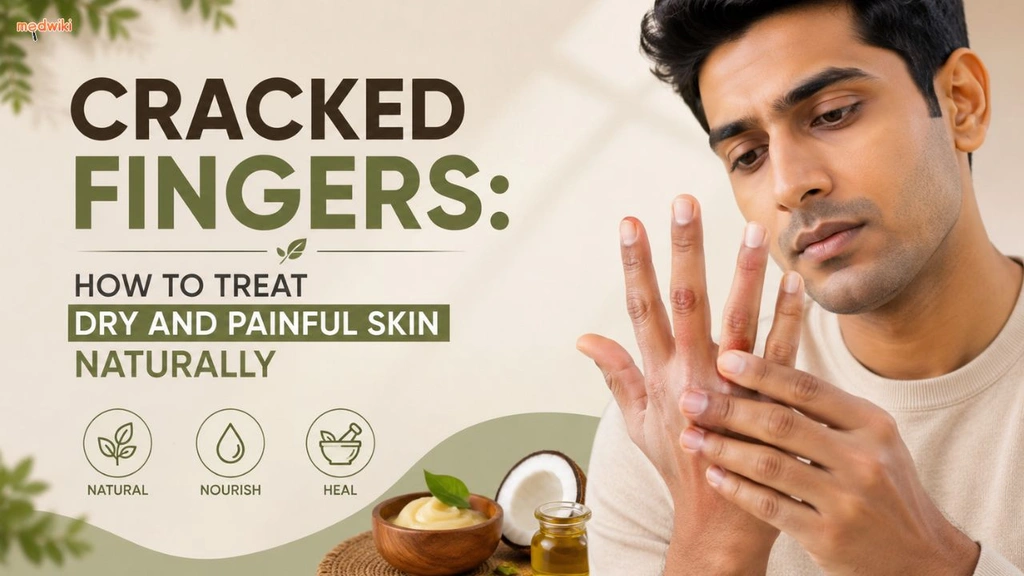
Many people experience painfulskin cracks on their fingers during cold weather or after repeated exposure to water and chemicals. These cracks can make daily activities uncomfortable and may sometimes lead to bleeding or irritation. Understanding the causes ofcracked fingers can help in choosing the right skincare and treatment methods.Dry weather, harsh soaps, excessive hand washing, and skin conditions are some common reasons behind damaged skin on the hands. In some cases, nutritional problems or allergies may also worsen skin dryness and irritation. Ignoring the condition for a long time may increase discomfort and delay healing.Simple skincare habits and protective measures may help improve skin softness and reduce painful cracking. Proper hydration, moisturizing, and gentle hand care are important for maintaining healthy skin. Consistent care often supports faster skin recovery and comfort.What Causes Cracked Skin on FingersCracked skin develops when the outer protective layer of the skin becomes too dry and weak. Repeated washing, cold temperatures, and harsh cleaning products may remove natural skin oils. This can make the fingers rough, irritated, and painful.People withsensitive skin conditions may experience more severe cracking problems. Exposure to detergents, dust, and dry air may further damage the skin barrier. In some cases, small cracks may become deep enough to bleed.Lack of proper skin care may worsen the condition over time. Early treatment and protection can help reduce discomfort and prevent infection. Healthy skin habits are important for smoother hands.Signs and Symptoms of Dry Finger SkinDry and damaged finger skin may show different symptoms depending on severity. Some people notice mild roughness, while others may develop painful cracks and peeling. Recognizing the symptoms early can help prevent worsening skin damage.Several common signs may appear with dry skin problems.Skin may feel rough and tight after washing hands.Small cracks can appear near fingertips or joints.Redness and itching may occur on affected areas.Some people experience painfulpeeling fingertips regularly.Theskin on palms peeling may also occur with dryness.Bleeding may happen in deeper skin cracks.Proper skincare and early attention can help reduce these symptoms gradually. Consistent protection often improves skin comfort and healing.How Dry Hands Affect Daily ActivitiesDry skincan make simple daily tasks uncomfortable and painful. Writing, cooking, washing dishes, or typing may become difficult when the skin feels tight or cracked. Severe dryness may also increase sensitivity to soaps and cleaning products.People with extremelydry hands may avoid frequent hand washing because of irritation. Cracks near the fingertips can cause discomfort during movement and exposure to water. Without proper care, the condition may continue to worsen over time.Applying moisturizing products regularly can help improve flexibility and comfort. Protecting the hands from harsh chemicals may also support better healing. Early care usually prevents deeper skin damage.Understanding Hand Eczema and Skin IrritationHand eczema is a common skin condition that may cause itching, redness, dryness, and painful cracks. It often develops due to allergies, irritants, or repeated contact with water and chemicals. People with sensitive skin are more likely to experience this condition.Symptoms may include rough skin, swelling, and severe dryness on the fingers and palms. In some cases, the skin may become thick or develop small blisters. Cold weather and stress may also worsen eczema symptoms.Managing eczema often requires gentle skincare and avoiding irritating products. Dermatologists may recommend creams or medicines for severe symptoms. Proper skin protection can reduce flare ups and improve comfort.Importance of Moisturizing the Hands DailyRegularmoisturizing helps maintain the skin barrier and prevents dryness from becoming severe. Moisturizers lock in hydration and reduce roughness caused by environmental damage. Applying hand cream several times a day may support healthier skin.Hydrated skin is less likely to crack or peel during daily activities.Thick creams help reduce skin dryness effectively.Fragrance free moisturizers are safer for sensitive skin.Nighttime moisturizing supports skin repair during sleep.Hand creams with ceramides improve skin protection.Natural oils may soften rough skin areas.Frequent hydration reduces painful cracking gradually.Consistent moisturizing habits can improve skin softness over time. Healthy hydration also supports faster healing of damaged areas.Natural Remedies That May Help Heal Cracked SkinSome natural ingredients may help soothe irritated and damaged finger skin. These remedies are often used to support hydration and improve skin comfort naturally. Mild treatments may work well when combined with proper skincare habits.Aloe vera is commonly used for calming irritated and dry skin because of its soothing properties. Many people also applypetroleum jelly to lock in moisture and protect cracked areas from dryness. Covering the hands overnight after applying moisturizer may improve softness.Warm water soaks and natural oils may also help reduce roughness on the fingers. However, very deep or painful cracks may still require medical advice. Gentle care usually supports gradual skin recovery.Choosing the Right Soap and Hand ProtectionHarsh cleansers can remove natural oils from the skin and increase dryness quickly. Using a mild cleanser helps maintain the skin barrier and reduces irritation. Proper hand protection is equally important for preventing further skin damage.Certain skincare habits may help protect the hands effectively.Use agentle soap for daily hand washing.Avoid very hot water while washing hands.Weargloves for dry hands during cleaning tasks.Pat the skin dry instead of rubbing harshly.Apply moisturizer immediately after washing hands.Choose fragrance free skincare products when possible.Protecting the hands regularly may reduce the chances of painful skin cracking. Healthy habits can also improve long term skin softness and comfort.Uses of Protective Treatments for Cracked SkinSeveral protective treatments are available for managing severe finger cracks and dryness. These products help protect damaged skin while supporting healing and reducing irritation. Different treatments may work depending on the severity of the condition.Protective skincare methods may support better healing results.Thick creams help restore the skin barrier.Medicated ointments reduce inflammation and irritation.Aliquid bandage may protect deep skin cracks.Overnight gloves can improve moisture retention.Healing balms may soften rough fingertips.Protective creams help reduce environmental damage.Using suitable treatments consistently may improve skin comfort gradually. Proper skincare routines often support healthier looking hands over time.Benefits of Healthy Winter Skin Care HabitsCold weather often increases dryness and skin irritation during winter months. Properwinter skin care habits can help reduce the risk of cracked and painful skin. Simple protective measures may improve skin comfort significantly.Healthy winter skincare routines provide several important benefits.Skin remains softer and better hydrated.Moisture loss may reduce during cold weather.Protective care helps prevent painful finger cracks.Proper hydration improves overall skin texture.Gloves reduce exposure to cold dry air.Healthy skin barriers lower irritation risk.Following winter skincare habits regularly may help maintain smoother hands. Consistent protection also supports healthier skin during seasonal changes.Possible Causes Linked to Nutrition and HealthSometimes skin cracking may be linked to internal health conditions or poor nutrition. Lack of certain vitamins and minerals can affect skin repair and hydration. Persistent dryness may occasionally indicate underlying health problems.Avitamin deficiency may contribute to rough skin, peeling, and slow healing in some people. Deficiency of vitamins B, C, or E may affect overall skin health and repair processes. Dehydration may also worsen dryness and skin irritation.People with long lasting symptoms should consider medical advice for proper evaluation. Balanced nutrition and hydration support healthier skin from within. Healthy eating habits often improve skin recovery naturally.ConclusionCracked finger skin can become painful and uncomfortable if ignored for too long. Dry weather, harsh soaps, frequent washing, and skin conditions are some common reasons behind this problem. Early care and protection often help prevent severe skin damage.Proper skincare habits such as regular moisturizing, using mild cleansers, and protecting the hands from irritation can support healthier skin. Natural remedies likealoe vera andpetroleum jelly may also help improve dryness and roughness gradually. Consistency is important for better healing results.People experiencing severe symptoms, deep cracks, or ongoing irritation may benefit from professional medical advice. Healthy routines and balanced skincare often improve skin softness and comfort over time. Caring for the hands daily can help reduce the risk of future cracking problems.FollowMedwikifor more!Frequently Asked Questions1. What are the common causes of cracked fingers?Cracked fingers are commonly caused by dry weather, excessive hand washing, harsh soaps, skin conditions, and exposure to cleaning chemicals.2. Can hand eczema lead to painful finger cracks?Yes, hand eczema can cause severe dryness, itching, redness, and painful skin cracks on the fingers and palms.3. Is petroleum jelly useful for dry finger skin?Yes, petroleum jelly helps lock in moisture and protect cracked skin from further dryness and irritation.4. How can I protect my hands during winter?Using moisturizers regularly, wearing gloves, and avoiding hot water can help protect the skin during cold weather.5. Can vitamin deficiency affect skin health?Yes, deficiency of certain vitamins may contribute to dry skin, peeling, and slower skin healing.6. Are natural remedies helpful for cracked skin?Natural remedies like aloe vera and natural oils may help soothe irritated skin and improve hydration when used properly.7. When should I see a doctor for cracked fingers?You should consult a doctor if the cracks become deep, painful, infected, or do not improve with regular skincare and protection.
1:15
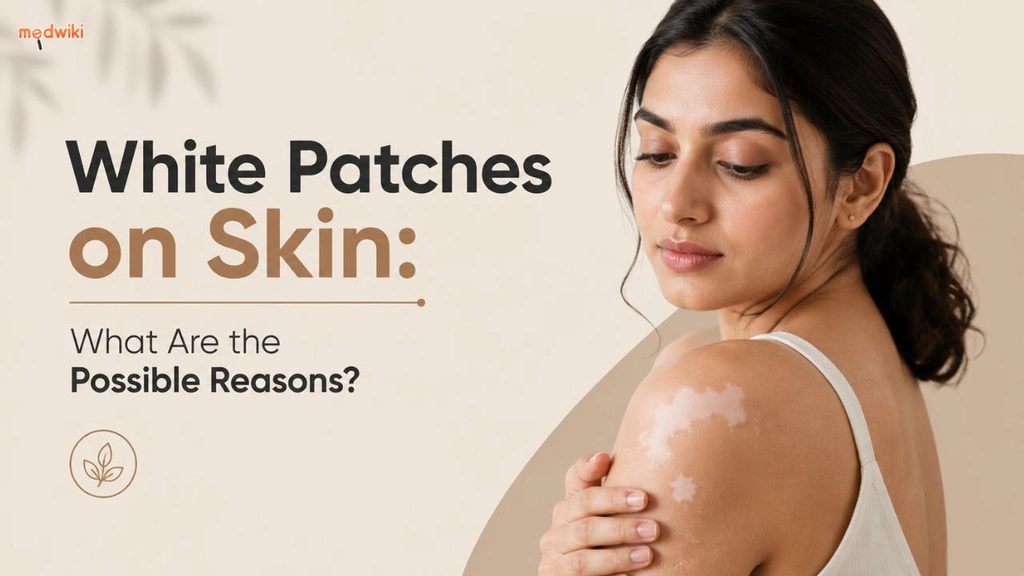
Many people notice unusual light colored spots appearing on different parts of the body and become concerned about their skin health. These marks can vary in size, texture, and appearance depending on the underlying condition. Understandingwhite patches on skin is important because several medical and non medical factors may contribute to their development.Some white patches may appear temporarily, while others can last for a long time without proper treatment. Skin infections, dryness, nutritional deficiencies, and autoimmune conditions are some common reasons linked with these patches. Identifying the exact cause helps in selecting suitable skincare methods and medical care.Proper skin hygiene, balanced nutrition, and timely medical advice may support better skin health. Many conditions causing white patches can be managed effectively with early attention and consistent care. Learning about the possible reasons can help reduce confusion and unnecessary fear.What Are White Patches on the SkinWhite patches are areas where the skin loses some of its natural color or pigmentation. These spots may appear on the face, hands, arms, neck, or other body parts. In some cases, the patches remain small, while in others they may spread gradually.Changes in melanin production are commonly linked with these patches. Melanin is the pigment responsible for giving skin its natural color and tone. Reduced melanin production can make certain areas look lighter than surrounding skin.Some conditions causing white patches are harmless, while others may require medical attention. Skin texture,itching, and scaling may also differ depending on the condition involved. Early observation often helps in better skin management.Common Causes Behind White Skin PatchesThere are several skin conditions that may lead to lighter patches on the body. Some are related to infections, while others may occur due to inflammation or immune system changes. Understanding the common reasons can help identify symptoms early.Several factors may contribute to skin discoloration problems.Fungal infections can affect skin pigmentation temporarily.Sun exposure may increase uneven skin appearance.Dry skin conditions sometimes create pale patches.Nutritional deficiencies may affect skin health.Autoimmune disorders can reduce melanin production.Skin injuries may leave lighter marks after healing.Understanding thecauses of white patches on skin can help people seek proper treatment early. Correct diagnosis often improves the chances of successful skin management.Understanding Hypopigmentation and Skin Color LossHypopigmentation refers to reduced skin color caused by lower melanin levels in certain areas. It can develop afterinflammation, burns, infections, or skin injuries. The affected area usually appears lighter compared to the surrounding skin.This condition may affect people of all age groups and skin tones. Sometimes the patches remain stable, while in other cases they may spread gradually over time. Proper skincare and protection from irritation may help maintain healthier skin appearance.Doctors may recommend specific creams or therapies depending on the cause and severity of the condition. Early care may help reduce further discoloration in some individuals. Medical guidance is useful for accurate treatment planning.How Vitiligo Affects the SkinVitiligo is a long term skin condition that causes the loss of pigment cells in certain areas of the body. This results in clearly visible white patches that may appear on the face, hands, elbows, or around the eyes. The condition is not contagious but may affect emotional confidence in some people.Many researchers believe vitiligo is linked to autoimmune system changes. In this condition, the body mistakenly attacks pigment producing cells called melanocytes. Stress, genetics, and environmental factors may also influence its development.Although there is no permanent cure for vitiligo, several treatments may help improve skin appearance. Early medical advice may support better management and reduce the spread of patches in some cases.Pityriasis Alba and Dry Skin Related PatchesPityriasis alba is a common skin condition often seen in children and teenagers. It usually appears as pale, slightly dry patches on the cheeks, neck, or arms. The condition is generally harmless and may improve naturally over time.Dryness and mild skin inflammation are commonly associated with this condition. People with eczema or sensitive skin may experience it more frequently than others. Proper moisturizing often helps improve skin texture and reduce dryness.Simple skincare habits may support better skin comfort and appearance.Use mild and fragrance free skincare products.Apply moisturizer regularly to reduce dryness.Avoid harsh soaps that irritate sensitive skin.Protect the skin from excessive sun exposure.Drink enough water for healthy skin hydration.Consult a dermatologist if patches worsen.Many mild cases improve gradually with proper skincare and hydration. Medical advice may still help if symptoms continue for a long period.Tinea Versicolor and Fungal Skin InfectionTinea versicolor is a common fungal infection that affects skin pigmentation and causes lighter or darker patches. It often develops on the chest, shoulders, back, or neck. Hot and humid weather may increase the chances of this infection.The condition occurs due to excessive growth of yeast naturally present on the skin surface. Sweating and oily skin may contribute to fungal overgrowth in some individuals. Mild itching or scaling can also occur along with discoloration.Doctors may recommend antifungal creams, shampoos, or medicines depending on the severity of the infection. Proper hygiene and keeping the skin dry may help reduce recurrence. Early treatment often improves skin appearance more effectively.How Doctors Diagnose White Skin PatchesDoctors usually examine the appearance, texture, and location of skin patches during diagnosis. Medical history and symptoms help determine the possible underlying condition. In some cases, additional tests may be required for confirmation.Accurate diagnosis is important before starting any skincare or medical treatment.Skin examination helps identify visible symptoms clearly.Wood lamp tests may detect pigment related conditions.Skin scraping tests check for fungal infections.Blood tests may identify nutritional deficiencies.Biopsy may be suggested in rare complicated cases.Family history sometimes helps identify autoimmune conditions.Professional diagnosis often helps avoid incorrect treatment methods. Proper medical advice may improve skin care and recovery outcomes.Uses of Medical and Skincare TreatmentsSeveral treatments are available for managing skin discoloration depending on the underlying cause. Doctors may recommend creams, medicines, or light based therapies for improving skin appearance. Treatment methods usually vary from person to person.Different skincare and medical approaches may support skin improvement.Moisturizers help reduce dryness and irritation.Antifungal creams treat fungal related skin patches.Steroid creams may reduce inflammation temporarily.Light therapy is sometimes used for pigment conditions.Sunscreen protects sensitive skin from sun damage.Healthy skincare habits support better skin recovery.Choosing the righttreatment for white patches on skin depends on the exact skin condition involved. Regular follow up may help improve long term skin management.Benefits of Early Skin Care and TreatmentEarly attention to skin changes may help prevent worsening of certain conditions. Timely skincare and medical advice can support better skin health and appearance. Many skin conditions respond more effectively when treated during the early stages.Good skincare practices may provide several important benefits.Early care may reduce patch spreading in some cases.Healthy skin habits support smoother skin texture.Proper treatment may improve skin confidence gradually.Moisturized skin often feels softer and healthier.Sun protection helps reduce further discoloration.Regular checkups may help monitor skin improvement.Managingwhite patches on skin early can improve overall skin comfort and reduce unnecessary complications. Consistent care often supports healthier long term results.Possible Side Effects and PrecautionsSome treatments for skin discoloration may cause mild side effects in certain people. Strong creams or medicines can sometimes lead to irritation, dryness, or redness. Following medical instructions carefully is important for safer treatment.Taking precautions may help reduce unwanted skin reactions.Avoid using strong creams without medical advice.Patch test new skincare products before regular use.Do not scratch or rub affected skin excessively.Use sunscreen to protect sensitive skin areas.Maintain proper hygiene to avoid infections.Stop treatment if severe irritation develops.Balanced skincare and professional guidance are important for safe treatment results. Consulting a dermatologist may help if symptoms continue or worsen over time.ConclusionWhite patches can appear for several different reasons, including infections, dryness, immune system changes, or pigmentation disorders. Understanding the possible causes helps people take better care of their skin and seek timely treatment when needed. Early attention often supports better skin management and comfort.Conditions likehypopigmentation,vitiligo,pityriasis alba, andtinea versicolor may affect skin color in different ways. Each condition requires proper diagnosis and suitable care based on its severity and symptoms. Professional medical advice may help improve treatment outcomes.Proper skincare, healthy lifestyle habits, and regular monitoring can support healthier looking skin over time. Consistent care and patience are often important during skin recovery. Understanding the skin condition clearly may also reduce stress and confusion related to appearance changes.FollowMedwikifor more!Frequently Asked Questions1. What are the common causes of white patches on skin?White patches may develop due to fungal infections, dryness, autoimmune disorders, nutritional deficiencies, or reduced melanin production in certain skin areas.2. Is vitiligo contagious?No, vitiligo is not contagious. It is an autoimmune skin condition that affects pigment producing cells in the body.3. Can fungal infections cause white skin patches?Yes, fungal infections like tinea versicolor can cause lighter patches on the skin, especially in humid weather conditions.4. Does pityriasis alba affect children more often?Yes, pityriasis alba is commonly seen in children and teenagers, especially those with dry or sensitive skin.5. Can white patches disappear naturally?Some mild conditions may improve naturally over time, while others may require medical treatment and regular skincare management.6. Is sunscreen important for white skin patches?Yes, sunscreen helps protect sensitive skin and may reduce the visibility of certain patches caused by pigmentation changes.7. When should I see a dermatologist for white patches?You should consult a dermatologist if the patches spread quickly, cause discomfort, or do not improve with regular skincare and hygiene.
1:15
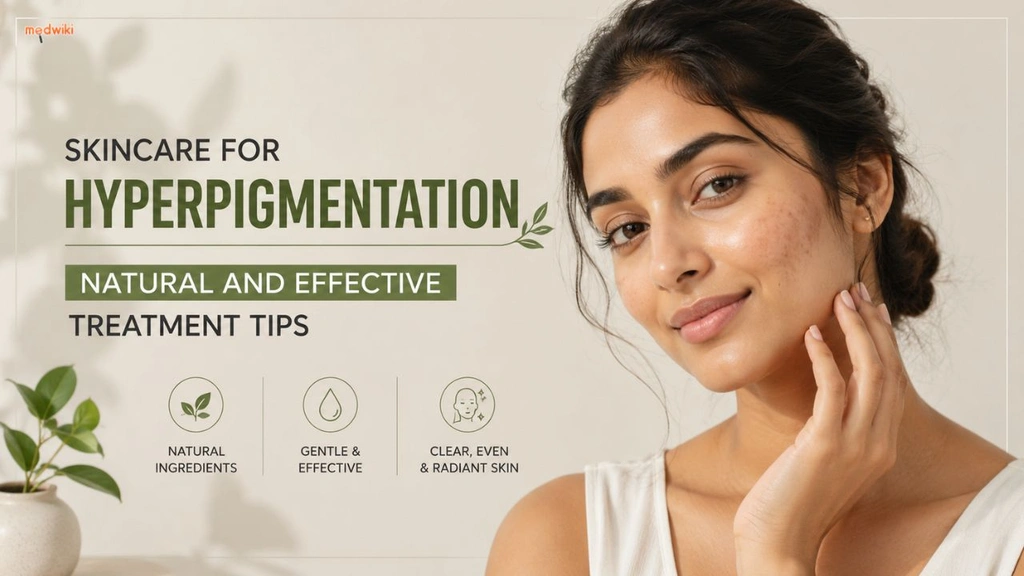
Hyperpigmentation is a common skin concern that affects people of all skin types and ages. It appears as dark patches or uneven skin tone caused by excess melanin production. Many people search for effectiveskincare for hyperpigmentation to achieve clearer and brighter looking skin.Sun exposure, acne scars, hormonal changes, and aging are some common reasons behind pigmentation issues. These dark patches may appear slowly and can become more noticeable over time without proper care. A gentle skincare routine can help improve skin texture and overall appearance.Using the right products consistently may help reduce uneven skin tone naturally. Cleansing, moisturizing, and protecting the skin from sunlight are important parts of healthy skincare habits. Patience and regular care often support better long term skin improvement.What Causes Hyperpigmentation on the SkinHyperpigmentation develops when certain areas of the skin produce extra melanin. This can happen due to acne marks, sun damage, inflammation, or hormonal imbalance. Dark patches may appear on the cheeks, forehead, or around the mouth.Sun exposure is considered one of the biggest causes of uneven skin tone. Ultraviolet rays trigger melanin production and make existing pigmentation darker. Acne scars and skin irritation may also leave visible marks behind.Hormonal changes during pregnancy or stress can sometimes increase pigmentation problems. Without proper care, these spots may take longer to fade naturally. Understanding the cause helps in selecting suitable skincare methods.Choosing the Right Cleanser for Pigmented SkinA good cleanser helps remove dirt, oil, and impurities without damaging the skin barrier. Harsh cleansers may increase dryness and irritation, making pigmentation appear worse. Gentle cleansing is important for maintaining healthy skin balance.Selecting the correct cleanser can support better skincare results.Gel cleansers are often suitable for oily skin types.Cream cleansers help maintain moisture in dry skin.Mild formulas reduce irritation and redness.Salicylic acid may help acne related pigmentation.Fragrance free products are better for sensitive skin.Daily cleansing keeps the skin fresh and clean.Using a suitableface wash for hyperpigmentation may help improve skin clarity over time. Consistency and gentle care are important for visible results.Ingredients That Help Reduce PigmentationCertain skincare ingredients are commonly used to improve uneven skin tone. These ingredients help reduce excess melanin production and support skin renewal. Choosing the right formula can improve overall skin appearance gradually.Understanding ingredients makes it easier to select effective skincare products.Vitamin C helps brighten dull and uneven skin.Niacinamide supports smoother and healthier skin texture.Retinol promotes skin renewal and reduces dark marks.Kojic acid may help lighten visible pigmentation.Alpha arbutin is widely used in pigmentation products.Azelaic acid supports acne scar improvement.Manyhyperpigmentation products contain a combination of these ingredients for better results. Regular use with sunscreen often improves overall skin tone slowly.Importance of Moisturizing the Skin DailyMoisturizing helps maintain the skin barrier and prevents dryness caused by active ingredients. Dehydrated skin may look dull and make pigmentation appear more noticeable. A balanced skincare routine should always include proper hydration.People with oily skin may prefer lightweight gel based moisturizers. Dry skin types usually benefit from cream based formulas that lock in moisture effectively. Gentle hydration supports smoother and healthier looking skin.Using a suitablemoisturizer for hyperpigmentation can improve skin comfort during treatment. Ingredients like ceramides and hyaluronic acid help maintain softness and reduce dryness. Healthy hydration also supports better skin recovery over time.Best Skincare Habits for Healthy SkinHealthy skincare habits are important for managing uneven skin tone naturally. Small daily practices can support skin repair and improve overall appearance. Consistency often matters more than using too many products at once.Simple habits may help maintain healthier skin over time.Wash the face gently without harsh scrubbing.Apply sunscreen every morning before going outside.Drink enough water to support skin hydration.Avoid touching or picking at acne marks.Use clean towels and pillow covers regularly.Follow a simple and consistent skincare routine.Good habits combined with proper skincare products can improve skin texture gradually. Healthy routines also reduce the chances of worsening pigmentation.Natural Remedies That May Support Skin BrighteningSome natural ingredients are traditionally used to improve dull and uneven skin tone. These remedies may provide mild support when used carefully and consistently. However, natural ingredients should still be patch tested before use.Aloe vera is commonly used for its soothing and calming properties. Turmeric and honey are also popular in homemade skincare remedies for improving skin appearance. Gentle natural care may support smoother and fresher looking skin.People often combine natural remedies with dermatologist approved skincare routines. Using balanced methods usually provides safer and more reliable results. Overusing homemade treatments may irritate sensitive skin.Why Sunscreen Is Important for HyperpigmentationSunscreen is one of the most important products for protecting pigmented skin. Sun exposure can darken existing spots and slow down the healing process. Daily sun protection helps maintain even skin tone and healthier skin.Proper sun protection supports better skincare results.Sunscreen helps prevent dark spots from becoming deeper.SPF 30 or higher is commonly recommended daily.Broad spectrum formulas protect against UV damage.Lightweight sunscreens are available for oily skin.Reapplication improves protection during outdoor activities.Tinted sunscreens may help improve skin appearance instantly.Using sunscreen regularly can improve the effectiveness of skincare routines. It also helps prevent new pigmentation from developing over time.Uses of Pigmentation Care ProductsSkincare products designed for pigmentation are used for different skin concerns. They are commonly included in routines that target acne scars, sun damage, and uneven skin tone. Regular use may help improve skin clarity gradually.People use pigmentation care products for several skincare purposes.They may reduce acne related dark marks.Some formulas help brighten dull skin tone.They support smoother and softer skin texture.Certain creams improve sun related pigmentation.Some treatments target age spots and discoloration.They may improve overall skin appearance slowly.Using the rightface cream for hyperpigmentation can support healthier looking skin. Consistent care often leads to more visible improvement over time.Benefits of Following a Proper Skincare RoutineA proper skincare routine helps maintain skin balance and supports gradual skin improvement. Consistent routines may reduce dullness and improve overall texture. Healthy skincare habits can also prevent future pigmentation problems.Using suitable skincare products may provide several skin benefits.Skin may appear brighter and more even toned.Hydration supports smoother and softer skin texture.Gentle products reduce the risk of irritation.Healthy skin barriers improve overall skin comfort.Regular care may reduce visible dark patches.Proper routines support long term skin health.Choosing suitablehyperpigmentation products based on skin type can improve skincare effectiveness. Patience and consistency usually provide better results over time.Possible Side Effects and PrecautionsSome skincare products may cause irritation if used too often or incorrectly. Strong active ingredients can sometimes lead to redness, dryness, or peeling. Understanding product instructions is important for safer skincare use.Taking precautions may help reduce the chances of skin irritation.Avoid mixing too many strong active ingredients together.Patch test new skincare products before regular use.Do not over exfoliate the skin frequently.Use sunscreen while using active skincare ingredients.Stop using products if severe irritation develops.Consult a dermatologist for persistent skin concerns.Using a gentlemoisturizer for hyperpigmentation may help reduce dryness caused by treatment products. Balanced skincare routines are usually safer for long term use.ConclusionHyperpigmentation is a common skin concern that may improve with proper care and patience. A simple skincare routine combined with healthy habits can support clearer and smoother looking skin. Consistency often plays an important role in visible improvement.Using effectiveskincare for hyperpigmentation involves selecting products suitable for your skin type and concerns. Gentle cleansing, hydration, and sun protection are essential parts of maintaining healthy skin balance. Gradual care often produces safer and longer lasting results.Modern skincare offers many products that help improve uneven skin tone naturally. Understanding ingredients and following a balanced routine can support healthier skin appearance over time. Careful product selection may also reduce the risk of irritation and dryness.FollowMedwikifor more!Frequently Asked Questions1. What is the main cause of hyperpigmentation?Hyperpigmentation is mainly caused by excess melanin production due to sun exposure, acne scars, hormonal changes, or skin inflammation.2. Can sunscreen help reduce pigmentation?Sunscreen helps prevent pigmentation from becoming darker and protects the skin from harmful UV rays. It also supports better treatment results.3. Which ingredients are useful for pigmentation care?Ingredients like vitamin C, niacinamide, retinol, kojic acid, and alpha arbutin are commonly used for improving uneven skin tone.4. How often should I use a face wash for hyperpigmentation?Most people can use a gentle cleanser twice daily, once in the morning and once before bedtime, to maintain clean skin.5. Are natural remedies safe for pigmented skin?Natural remedies may help some people, but patch testing is important because certain ingredients can irritate sensitive skin types.6. Can oily skin use moisturizer during pigmentation treatment?Yes, oily skin also needs hydration. Lightweight gel based moisturizers are often suitable for oily and acne prone skin.7. How long does it take to see results from pigmentation products?Results usually depend on the skin condition and products used. Most treatments may take several weeks or months for visible improvement.
1:15
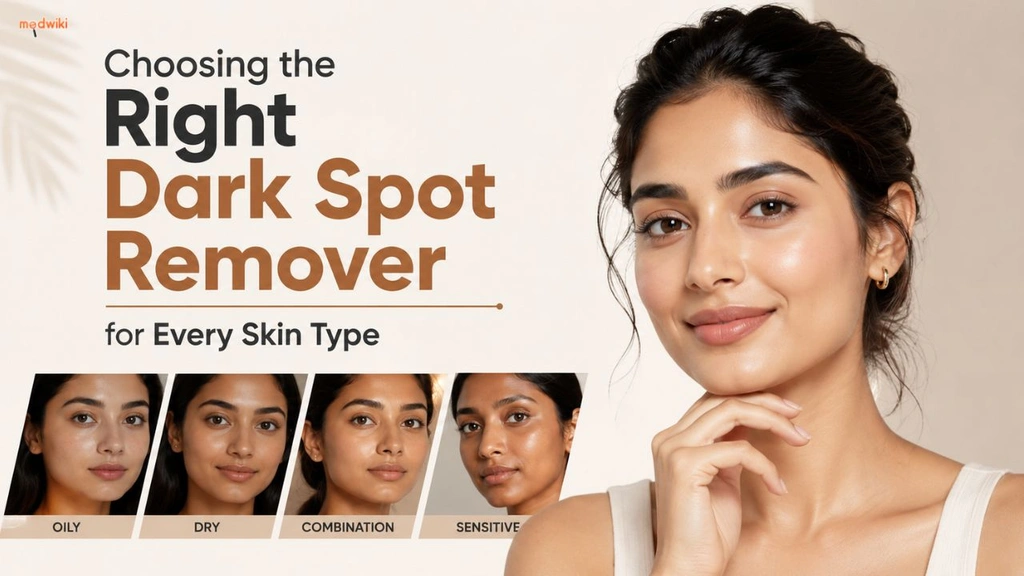
Dark spots are one of the most common skin concerns faced by people of all ages. These marks can appear due to acne, sun exposure, aging, hormonal changes, or skin irritation.Many people search for an effectivedark spot remover to improve skin tone and regain confidence.People with oily skin may need lightweight formulas, while dry skin often requires extra hydration. Sensitive skin also needs gentle ingredients that reduce irritation while helping fade pigmentation.Modern skincare products are available in different forms such as serums, creams, and gels for various skin concerns. A proper skincare routine combined with suitable ingredients can help improve overall skin appearance.Understanding What Causes Dark SpotsDark spots develop when the skin produces excess melanin in certain areas. This usually happens afteracne, sun damage, inflammation, or hormonal imbalance.Sun exposure is considered one of the biggest causes of uneven skin tone. When skin is exposed to ultraviolet rays without protection, melanin production increases and creates patches on the face.Many people confuse temporary marks with permanent pigmentation, but both require different skincare approaches. A properdark spot treatment should target the root cause while protecting the skin barrier.How to Identify Your Skin Type Before Buying ProductsChoosing skincare without knowing your skin type can lead to poor results and irritation. Some products work well for oily skin but may dry out sensitive or combination skin.Before choosing any skincare product, observe how your face feels after cleansing.Oily skin often appears shiny and may develop acne easily.Dry skin usually feels tight, rough, or flaky after washing.Combination skin has oily and dry areas at the same time.Sensitive skin may react quickly with redness or itching.Normal skin generally feels balanced and comfortable throughout the day.Dehydrated skin may look dull and feel stretched despite oil production.Knowing your skin type can help you select safer and more suitable ingredients. It also improves the effectiveness of your skincare routine over time.Ingredients That Help Reduce PigmentationMany skincare ingredients are specially designed to reduce pigmentation and improve skin clarity. Some ingredients help slow melanin production, while others support exfoliation and skin renewal.Understanding ingredients can make shopping for skincare products much easier.Vitamin C helps brighten the skin and supports collagen production.Niacinamide reduces uneven tone and improves skin texture gently.Alpha arbutin is commonly used in products targeting pigmentation.Kojic acid helps reduce visible marks caused by sun damage.Retinol promotes skin renewal and may reduce old acne marks.Azelaic acid works well for acne related pigmentation and redness.These ingredients are often found in serums, creams, and masks designed for pigmentation care. Selecting products with balanced formulas can support healthier and smoother skin over time.Choosing Products for Oily and Acne Prone SkinPeople with oily skin often struggle with enlarged pores, acne, and leftover marks after breakouts. Heavy creams may clog pores and increase oil production, making pigmentation harder to treat.A gentle cleanser followed by a lightweightdark spot remover for face can help reduce post acne marks gradually. Ingredients like niacinamide, salicylic acid, and azelaic acid are often preferred because they target both acne and pigmentation together.People with acne prone skin should avoid scrubbing the face too aggressively. Excess friction may increase inflammation and worsen pigmentation over time.Best Choices for Dry and Dehydrated SkinDry skin requires extra hydration along with pigmentation care because dryness can make dark patches appear more noticeable. A gentle and nourishing skincare routine helps maintain moisture while improving skin tone.Hydrating products often provide better comfort and long term skin support.Cream based formulas help lock in moisture during treatment.Hyaluronic acid supports hydration and smooth skin texture.Ceramides strengthen the skin barrier and reduce dryness.Mild exfoliating acids remove dead skin without over drying.Overnight creams may improve skin repair during sleep.Fragrance free products are often safer for sensitive dry skin.A moisturizing routine combined with proper sun protection can improve overall skin appearance. Gradual treatment is usually more effective than using strong products too quickly.Safe Options for Sensitive Skin TypesSensitive skin needs extra care because strong ingredients may trigger redness or burning. Many people with reactive skin struggle to find products that reduce pigmentation without causing discomfort.Gentle skincare routines usually provide better results for delicate skin barriers.Aloe vera based products may soothe irritation and redness.Niacinamide works gently for many sensitive skin types.Minimal ingredient formulas reduce the chance of reactions.Alcohol free products are less likely to dry the skin.Mineral sunscreen helps protect skin from pigmentation triggers.Creams with calming ingredients may improve skin comfort.Choosing a milddark spot corrector can help improve uneven tone slowly without damaging sensitive skin. Patience and consistency are especially important for visible results.Why Sunscreen Is Essential During TreatmentMany people focus only on treatment products and ignore sun protection. However, ultraviolet rays can make pigmentation darker and reduce the effectiveness of skincare products.Protecting the skin from sun exposure supports better treatment results.Sunscreen helps prevent dark spots from becoming deeper.Broad spectrum formulas protect against harmful UV rays.SPF 30 or higher is commonly recommended for daily use.Reapplying sunscreen improves protection during outdoor activities.Lightweight formulas are available for oily and combination skin.Tinted sunscreens may help even out skin appearance instantly.Using sunscreen daily can improve the performance of your skincare products. It also helps maintain healthier and more even looking skin over time.Uses of Dark Spot Removal ProductsSkincare products designed for pigmentation are used for many different skin concerns. These products are commonly included in routines that target uneven skin tone, acne scars, and sun damage.People use pigmentation products for both cosmetic and skincare purposes.They help reduce acne related marks and blemishes.They may improve uneven skin tone caused by sun exposure.Some formulas target age spots and fine lines together.Many products support smoother and brighter skin texture.They can reduce post inflammatory pigmentation after irritation.Certain treatments are designed for long term skin maintenance.A high qualitydark spot remover can support a more even complexion when used correctly. Results usually appear gradually with proper skincare habits and regular sun protection.Benefits of Using the Right ProductUsing the correct skincare products based on your skin type can improve comfort and visible results. Well formulated treatments often help reduce pigmentation while maintaining skin balance.Selecting suitable products may provide both cosmetic and long term skincare benefits.Skin tone may appear brighter and more balanced over time.Proper hydration can improve overall skin texture and softness.Gentle products may reduce the risk of irritation and peeling.Targeted ingredients support gradual fading of visible marks.Some products help improve confidence and daily appearance.Balanced skincare routines can support healthier skin barriers.Choosing a reliabledark spot treatment suited to your skin type can make skincare routines more effective. Healthy habits combined with quality products often lead to better long term results.Possible Side Effects and PrecautionsSome skincare products may cause side effects if they are used incorrectly or too frequently. Strong exfoliants and active ingredients can sometimes irritate the skin, especially in people with sensitive skin.Being aware of side effects can help you avoid unnecessary skin problems.Overuse may lead to dryness and skin peeling.Certain ingredients can increase sun sensitivity temporarily.Mixing strong acids may irritate the skin barrier.Fragrance based products may trigger allergic reactions.Incorrect product combinations can worsen breakouts.Strong treatments should not be applied on damaged skin.Using a suitabledark spot corrector in moderation can reduce the chance of irritation. Consulting a dermatologist may also help if pigmentation becomes severe or difficult to manage.ConclusionChoosing skincare products based on your skin type is one of the most important steps in treating pigmentation safely. Every skin type has different needs, and selecting the wrong product may lead to irritation.Consistency is equally important when using adark spot remover for face because pigmentation usually takes time to fade. Gentle cleansing and hydration work together to support healthier skin.Modern skincare offers many solutions for reducingdark spots on face, but understanding ingredients and skin needs makes a major difference. Selecting suitable products carefully can support smoother texture over time.FollowMedwikifor more!Frequently Asked Questions1. How long does a dark spot remover take to show results?Most skincare products require several weeks of regular use before visible improvement appears. Results depend on the skin type, the cause of pigmentation, and the ingredients used in the product.2. Can oily skin use heavy creams for pigmentation?Heavy creams may clog pores in oily skin and increase breakouts. Lightweight serums or gel based products are usually more suitable for oily and acne prone skin types.3. Is sunscreen necessary while using pigmentation products?Yes, sunscreen is very important because sun exposure can make pigmentation darker. It also helps improve the effectiveness of treatment products and prevents new spots from forming.4. Can sensitive skin use active ingredients like retinol?Sensitive skin can use retinol carefully in lower concentrations and with proper guidance. Patch testing and gradual use are usually recommended to reduce irritation.5. What ingredients work best for acne related dark spots?Ingredients like niacinamide, azelaic acid, vitamin C, and retinol are commonly used for acne related pigmentation. These ingredients may help improve skin tone and texture gradually.6. Are natural remedies enough to remove dark spots?Natural remedies may provide mild improvement for some people, but results are often slower. Dermatologist approved skincare products usually provide more noticeable and consistent results.7. Can I use more than one dark spot treatment together?Using multiple treatments together may increase irritation if ingredients are too strong. It is usually better to introduce products slowly and avoid mixing harsh active ingredients without professional advice.
1:15
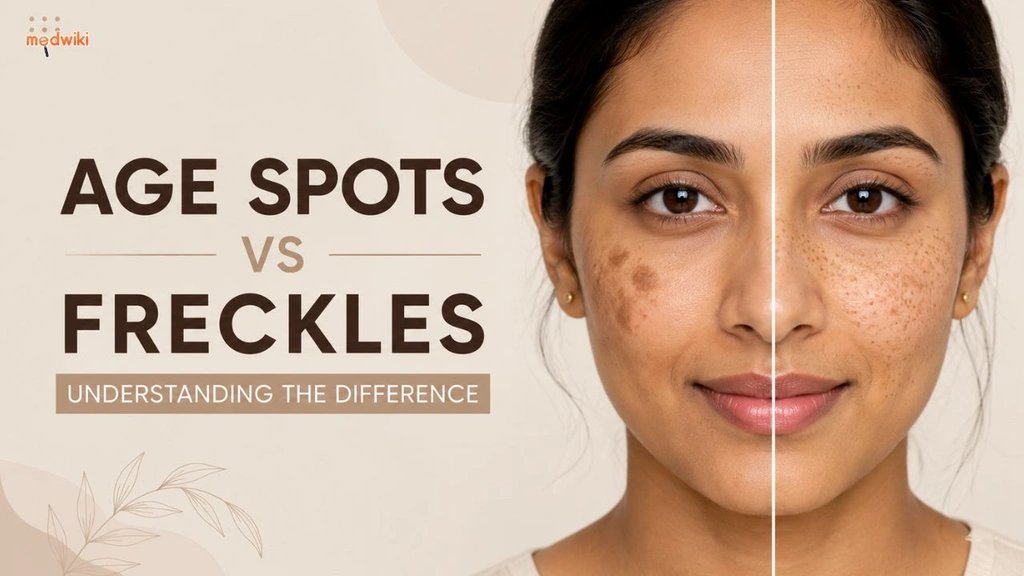
Skin marks andpigmentation changes are very common in people of all ages. Some spots appear due to sunlight, while others develop because of aging or genetics. Many people often confuse freckles with age spots because both can look similar on the skin.Many individuals notice age spots as they grow older, especially after years of sun exposure. These spots usually appear on areas that receive the most sunlight, such as the hands, shoulders, and face. Unlike freckles, they often stay visible for a long time and may become darker with age.Freckles are usually smaller and linked to genetics and sun exposure. They often become darker during sunny seasons and lighter during colder months. On the other hand, age spots on face and other body areas tend to remain visible without fading naturally.What Are Freckles?Freckles are small brown or tan spots that commonly appear on the skin afterexposure to sunlight. They are more common in people with lighter skin tones and usually develop during childhood or teenage years. Freckles are caused by an increase in melanin production in certain areas of the skin.Freckles are usually flat and small in size, making them different from other pigmentation marks. They can appear on the cheeks, nose, shoulders, and arms because these areas receive more sunlight. In many cases, freckles become darker during summer and lighter during winter.Unlike liver spots, freckles can change depending on weather and sun exposure. They do not usually indicate aging and are not linked to skin damage in the same way as long-term pigmentation marks. Many people consider freckles a natural skin feature rather than a skin concern.What Causes Age Spots?Age spots develop because of repeated exposure to ultraviolet rays from the sun over many years. These spots appear when melanin collects in certain areas of the skin due to aging and sun damage. They are more common after the age of forty and often appear on exposed body parts.Understanding the causes of skin pigmentation can help people take better care of their skin.Long-term sun exposure increases melanin production in the skin.Aging slows down the skin’s natural repair process.Tanning beds may also contribute to pigmentation problems.Fair skin types are often more likely to develop these marks.Hormonal changes can sometimes affect skin pigmentation.Lack of sun protection may worsen age spots on legs and arms.Taking preventive measures early can reduce the chances of severe pigmentation later in life. Proper skincare habits and daily sunscreen use are important for maintaining healthy skin.How Are Freckles Different from Age Spots?Freckles and pigmentation marks may look similar at first glance, but they have several important differences. Freckles are usually genetic and appear early in life, while age spots develop gradually due to prolonged sun exposure and aging. Freckles are generally lighter, smaller, and can fade during colder months.Knowing the key differences can help in identifying the correct type of skin mark.Freckles commonly appear during childhood or teenage years.Age spots are more common after middle age.Freckles may fade without treatment duringwinter seasons.Liver spots usually stay dark and visible for years.Freckles are often smaller and more evenly spread.Age spots on face may appear larger with uneven borders.Both conditions are usually harmless but may affect confidence and appearance. Consulting a dermatologist can help if the spots change in shape, size, or color.Common Areas Where These Spots AppearSkin pigmentation can develop on different body parts depending on sun exposure and genetics. Freckles usually appear on the nose, cheeks, shoulders, and upper arms because these areas receive direct sunlight regularly. People who spend more time outdoors often notice these spots becoming darker during summer.Age spots commonly appear on the hands, chest, back, and shoulders after years of sun exposure. These spots are more likely to develop in areas where the skin has experienced repeated ultraviolet damage. Many people also notice age spots on face because facial skin is constantly exposed to sunlight.Some individuals may also develop age spots on legs, especially if they spend a lot of time outdoors without covering their skin. The lower legs can become affected after years of sun exposure and aging. Unlike freckles, these marks often remain visible for a long time and may gradually darken.Risk Factors That Increase Skin PigmentationSeveral lifestyle and environmental factors can increase the chances of developing pigmentation marks on the skin. Repeated sun exposure remains one of the biggest causes because ultraviolet rays damage the skin over time. Aging also affects the skin’s ability to repair itself naturally.Recognizing these risk factors can help people take preventive measures early.Spending long hours outdoors without sunscreen increases risk.Using tanning beds may damage skin and cause pigmentation.Aging naturally changes the skin’s texture and appearance.Genetics can influence freckles and liver spots development.Hormonal imbalance may sometimes affect melanin production.Certain medications can increase skin sensitivity to sunlight.Protecting the skin daily can help reduce the appearance of unwanted spots. Healthy habits and proper skincare may support more even-looking skin.Can Age Spots Be Prevented?Preventing pigmentation problems often begins with protecting the skin from harmful ultraviolet rays. Daily sunscreen use can reduce skin damage caused by sun exposure and slow down signs of aging. Wearing protective clothing and avoiding direct sunlight during peak hours may also help.Simple lifestyle changes can make a noticeable difference in long-term skin health.Apply broad-spectrum sunscreen every day before going outdoors.Wear hats and sunglasses to protect exposed skin.Avoid tanning beds and excessive sunbathing sessions.Reapply sunscreen after sweating or swimming outdoors.Use moisturizers that support healthy skin barrier function.Seek shade during the hottest hours of the afternoon.While prevention may not remove existing spots, it can reduce future skin damage. Protective habits are especially useful for people prone to age spots and freckles.Treatment Options for Freckles and PigmentationMany people seek treatments to reduce visible pigmentation and improve overall skin tone. Treatment choices often depend on the type of pigmentation, skin sensitivity, and severity of the spots. Mild freckles may fade naturally, while darker pigmentation may require professional treatment.Different treatments are available for improving uneven pigmentation and skin appearance.Chemical peels may help remove damaged outer skin layers.Laser therapy is commonly used for targeted pigmentation treatment.Prescription creams may help lighten darker areas gradually.Retinoid products can improve skin texture and tone.Cryotherapy may reduce some stubborn liver spots effectively.Regular exfoliation may support brighter and smoother skin.Results often vary depending on skin type and consistency of treatment. Professional guidance is important before starting any strong skin procedure.Benefits of Early Skin Care and ProtectionTaking care of the skin early in life can reduce the chances of severe pigmentation later. Consistent skincare habits help protect the skin barrier and reduce long-term damage caused by sunlight. People who begin using sunscreen regularly at a younger age often maintain more even-looking skin.Good skincare practices offer several long-term benefits for healthy skin.Sunscreen helps reduce the effects of harmful ultraviolet rays.Moisturized skin often appears smoother and healthier over time.Protective habits may reduce visible age spots on face.Healthy skincare routines can support even skin tone.Early prevention may reduce severe pigmentation problems later.Regular skin checks help identify unusual changes quickly.Small daily habits can make a significant difference over many years. Protecting the skin consistently supports healthier and brighter-looking skin.Side Effects of Ignoring Skin ChangesIgnoring unusual pigmentation or sudden skin changes may sometimes lead to delayed treatment of underlying conditions. While freckles and most pigmentation marks are harmless, some changes may resemble more serious skin concerns. Monitoring the appearance of spots can help identify unusual growth or color changes early.Certain issues may develop if skin changes are ignored for long periods.Some spots may become darker due to ongoing sun exposure.Delayed diagnosis can make skin conditions harder to manage.Untreated sun damage may increase premature skin aging.Dry and damaged skin may become more sensitive over time.Severe pigmentation can affect confidence and self-esteem.Age spots on legs may become more noticeable with continued exposure.Regular skin observation can help identify changes before they become serious. Seeking medical advice is important if any spot changes rapidly or bleeds.When Should You See a Dermatologist?Most freckles and pigmentation marks are harmless, but certain changes should not be ignored. A dermatologist can examine the skin carefully and determine whether a spot needs further attention. Medical advice becomes important if a mark changes shape, becomes itchy, or develops unusual colors.Professional evaluation may be helpful in several situations related to skin health.Spots that suddenly grow larger should be examined quickly.Uneven borders or multiple colors may require medical attention.Persistent itching or bleeding should never be ignored.New liver spots appearing rapidly may need professional review.Dark marks that do not heal properly should be checked.Severe age spots on face may benefit from dermatological treatment.A dermatologist can recommend safe treatments based on skin type and condition. Regular skin checkups can support long-term skin health and confidence.ConclusionFreckles and pigmentation marks may appear similar, but they develop for different reasons and behave differently over time. Freckles are often linked to genetics and sunlight, while age spots usually develop because of aging and long-term sun exposure.Daily skin protection plays an important role in preventing damage and maintaining healthy skin. Simple habits such as sunscreen use, protective clothing, and regular skincare routines can reduce the appearance of pigmentation over time.It is also important to monitor any unusual skin changes and seek professional advice when needed. Early care and proper attention can help maintain clearer and healthier-looking skin for years.FollowMedwikifor more!Frequently Asked Questions1. Are freckles and age spots the same thing?No, freckles and age spots are different types of skin pigmentation. Freckles are often genetic, while age spots usually develop because of aging and long-term sun exposure.2. Can age spots disappear naturally?Most age spots do not disappear naturally without treatment. Proper skincare and dermatological treatments can help reduce their appearance over time.3. What causes liver spots on the skin?Liver spots are caused mainly by long-term exposure to ultraviolet rays from the sun. They commonly appear on exposed body parts like the face, hands, and shoulders.4. Are age spots on face harmful?Age spots on face are usually harmless and are mainly considered a cosmetic concern. Any spot that changes rapidly in color, size, or shape should be examined by a dermatologist.5. Why do age spots on legs appear?Age spots on legs can appear due to repeated sun exposure and aging. These spots may become more visible over time.6. Can sunscreen help prevent freckles and pigmentation?Yes, sunscreen can help reduce the risk of pigmentation caused by ultraviolet rays. Daily sunscreen use may slow the appearance of freckles and dark spots.7. When should someone visit a dermatologist for skin spots?A dermatologist should be consulted if any spot changes shape, becomes painful, or bleeds. Professional evaluation helps rule out serious skin conditions.
1:15
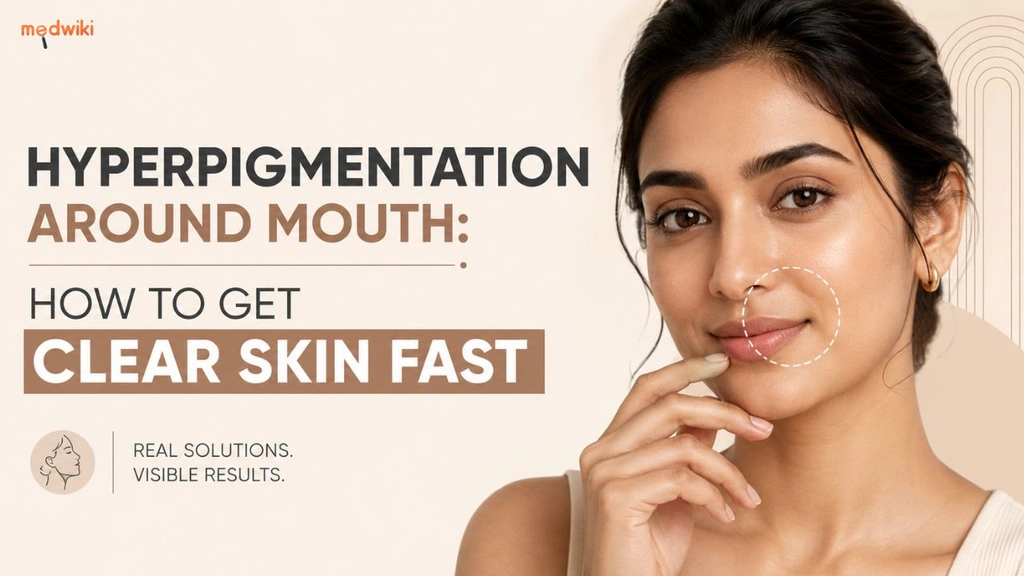
Skin concerns around the mouth can be frustrating, especially when they affect your overall appearance. One common issue many people face ishyperpigmentationaround mouth, which can make the skin look uneven and dull. This condition can happen to anyone and often needs proper care to improve. It may also affect confidence in daily life and social situations.Many people also noticepigmentation around mouth developing slowly over time. It may appear as patches or adark area around mouth, making the skin tone look different from the rest of the face. Understanding the cause is the first step toward effective care. Ignoring it can sometimes make the condition more noticeable.In this article, we will explain everything in simple terms, including causes, solutions, and the besttreatment for hyperpigmentation around mouth. This will help you achieve clearer and healthier-looking skin with the right approach. Consistency and patience are key for long-term results.What Causes Hyperpigmentation Around the MouthHyperpigmentation happens when excess melanin is produced in certain areas of the skin. This leads to dark patches that are more noticeable around sensitive areas like the mouth. Several factors can trigger this condition. These triggers may vary from person to person.Hormonal changes,sun exposure, and lifestyle habits are some common reasons. These factors can worsenpigmentation around mouth if not managed properly. Daily habits also play a major role in how the skin reacts.Here are some common causes you should know.Excess sun exposureHormonal imbalanceSkin irritation or allergiesVitamin deficienciesUse of harsh skincare productsUnderstanding these causes helps in choosing the righttreatment for hyperpigmentation around mouth. It also helps prevent the condition from getting worse. Early action can lead to faster improvement.Common Signs and SymptomsHyperpigmentation around the mouth does not appear suddenly. It usually develops gradually and becomes more noticeable over time. Early signs can help you take action before it worsens. Paying attention to small changes is very important.People often notice unevenskin tone or a visibledark area around mouth. This can affect confidence and overall appearance. In some cases, the pigmentation may spread slightly.Here are common symptoms to look for.Dark patches around the lipsUneven skin toneDiscoloration near the mouthDry or rough skin in the areaGradual darkening over timeThese symptoms clearly indicatehyperpigmentation around mouth. Early care can help reduce the intensity of these signs. Proper skincare can make a noticeable difference.Effective Treatments for Clear SkinTreating hyperpigmentation requires a combination ofskincare and lifestyle changes. Consistency is the key to seeing visible results over time. Quick fixes usually do not work effectively.There are many options available when it comes totreatment for hyperpigmentation around mouth. Choosing the right method depends on your skin type and the cause. A personalized routine often gives better results.Here are some effective treatment options.Use of sunscreen dailyTopical creams with active ingredientsGentle exfoliationProfessional skin treatmentsMaintaining a skincare routineFollowing these methods can reducepigmentation around mouth effectively. With time, you can achieve a more even skin tone. Results improve when treatments are used regularly.Home Remedies That Can HelpNatural remedies can also support skin healing and reduce dark patches. These methods are simple and can be done at home with easily available ingredients. They are often gentle on the skin.They may not give instant results but can improve the condition gradually. These remedies are helpful for managing adark area around mouth. Regular use can enhance their effectiveness.Here are some common home remedies.Aloe vera applicationLemon and honey mixtureTurmeric pastePotato juiceYogurt masksThese remedies can support overall skin health. They are often used along with othertreatment for hyperpigmentation around mouth methods. Combining them with skincare routines works best.Lifestyle Tips for PreventionPreventing hyperpigmentation is just as important as treating it. Simple lifestyle changes can reduce the chances of dark patches forming again. Daily care plays a key role in prevention.Healthy habits support better skin and long-term results. Taking care of your skin daily is essential. Small efforts can lead to big improvements.Here are some useful tips.Avoid excessive sun exposureUse sunscreen regularlyStay hydratedMaintain a balanced dietAvoid harsh productsThese habits help controlhyperpigmentation around mouth. They also improve overall skin health. Prevention is always better than cure.Skincare Routine for Better ResultsA proper skincare routine can help manage pigmentation effectively. Using the right products regularly improves skin texture and tone. Consistency is very important for visible changes.A good routine also helps reducepigmentation around mouth over time. Choosing gentle and suitable products is essential for best results.Here are key steps to follow.Cleanse the skin twice dailyUse sunscreen every dayApply targeted treatmentsMoisturize regularlyAvoid over-exfoliationFollowing a routine can improvehyperpigmentation around mouth significantly. It also keeps your skin healthy and glowing.Foods That Support Skin BrighteningDiet plays an important role in skin health and healing. Eating the right foods can help reduce pigmentation and support natural glow. Nutrition directly affects skin quality.Certain foods can help reduce adark area around mouth naturally. A balanced diet also supports overall well-being.Here are foods that help.Fruits rich in vitamin CGreen leafy vegetablesNuts and seedsWhole grainsPlenty of waterThese foods support better results along withtreatment for hyperpigmentation around mouth. Healthy eating habits improve skin from within.Uses of TreatmentsTreatments for hyperpigmentation are mainly used to lighten dark patches and even out skin tone. They help restore the natural look of the skin and improve appearance. These treatments are widely used for managingpigmentation around mouth effectively.They work by reducing excess melanin and improving skin texture. This makes the skin look clearer and more balanced. Regular use enhances their effectiveness.Here are the main uses of these treatments.Lightening dark patchesImproving skin toneReducing discolorationEnhancing skin textureSupporting skin repairThese uses make treatments very helpful for people dealing withhyperpigmentation around mouth. Regular use can give noticeable results over time. Patience is important during the process.Benefits of TreatmentsTreatments offer several benefits when used correctly and consistently. They not only improve skin appearance but also boost confidence. Many people see visible improvement with proper care.These benefits maketreatment for hyperpigmentation around mouth a reliable solution. It helps achieve clearer and healthier skin. Long-term use can maintain results.Here are the key benefits.Even skin toneReduced dark patchesSmoother skinImproved appearanceIncreased confidenceThese advantages make treatments worth trying. They support long-term skin improvement. Consistency is key to success.Side Effects to ConsiderSome treatments may have mild side effects depending on the skin type. It is important to choose products carefully and avoid overuse. This helps prevent irritation or damage.Most side effects are temporary and manageable. Still, proper guidance is always recommended. Knowing your skin type is helpful.Here are possible side effects.Skin irritationRedness or drynessSensitivity to sunlightAllergic reactionsPeeling or discomfortBeing aware of these helps in safe use oftreatment for hyperpigmentation around mouth. Always test products before applying them fully. This reduces risk of reactions.When to See a DoctorIf hyperpigmentation does not improve with home care, it is important to consult a doctor. Professional advice can help identify the exact cause and provide better solutions. Early consultation can prevent worsening.Some cases may require medical treatments for faster results. Ignoring the condition can make it worse over time. Expert help ensures proper care.Here are signs you should not ignore.Persistent dark patchesRapid increase in pigmentationSkin irritation or painNo improvement with home remediesUneven skin worseningConsulting a professional ensures proper care. It helps managepigmentation around mouth more effectively. Timely action gives better outcomes.ConclusionHyperpigmentation around mouth is a common skin concern, but it can be managed with the right care and treatment. Understanding the causes and following a proper routine can help improve your skin over time. Consistency plays a major role in results.Conditions likepigmentation around mouth anddark area around mouth may take time to fade, but patience is important. Using the righttreatment for hyperpigmentation around mouth can make a noticeable difference. Results improve with regular care.With healthy habits, proper skincare, and the right approach, you can achieve clearer and more even-toned skin. Taking early action always leads to better results. Confidence improves as your skin gets healthier.FollowMedwikifor more!Frequently Asked Questions1. What causes hyperpigmentation around mouth?It is mainly caused by excess melanin production due to sun exposure, hormonal changes, or skin irritation. Lifestyle factors can also contribute.2. How can I reduce pigmentation around mouth?Using sunscreen, proper skincare, and targeted treatments can help reduce pigmentation effectively. Consistency is key.3. Is dark area around mouth permanent?No, it is not permanent and can be treated with the right care and routine. Early treatment gives better results.4. What is the best treatment for hyperpigmentation around mouth?The best treatment includes sunscreen, topical creams, and professional treatments if needed. A customized routine works best.5. Are home remedies effective for hyperpigmentation?Yes, home remedies can help but may take longer to show results. They work best with proper skincare.6. Can diet affect pigmentation around mouth?Yes, a healthy diet can improve skin health and reduce pigmentation over time. Nutrition plays a key role.7. When should I see a doctor for pigmentation?You should consult a doctor if the condition worsens or does not improve with basic care. Early advice helps manage it better.

1:15
Smoking affects many parts of the body, from the lungs to the heart, but many people do not realize it can also impact hair health. A common concern people have isdoessmokingcause hair loss, especially when they start noticing thinning hair or increased shedding over time. Understanding this connection can help you take better care of your overall health.Many studies suggest a link betweensmoking causes hair loss due to reduced blood flow and damage to hair follicles. Harmful chemicals in cigarettes can weaken hair roots and affect growth cycles. This raises important questions about how smoking impacts long-term hair health.In this article, we will explore the science behinddoes smoking cause hair loss, the possible reasons, effects, and what you can do to protect your hair. The goal is to provide simple and clear information that is easy to understand.How Smoking Affects the BodySmoking introduces harmful chemicals into the body that affect multiple systems. These chemicals reduce oxygen levels in the blood and damage cells, which can lead to various health issues over time.The reduced oxygen supply affects not just vital organs but also the scalp and hair follicles. This can weaken hair roots and slow down growth, leading to noticeable changes in hair quality.Here are some ways smoking affects the body:Reduces oxygen circulationDamages blood vesselsIncreases toxin levelsWeakens the immune systemSpeeds up agingThese effects help explain whycan smoking cause hair loss is a valid concern for many people. Poor circulation and toxin buildup directly impact hair health.Smoking also affects the body’s ability to repair itself. Over time, this damage can become more visible in areas like skin and hair.Effects of Smoking on Hair HealthHair health depends on proper blood flow, nutrients, and oxygen supply. Smoking disrupts all of these factors, which can lead to weaker and thinner hair over time.When hair follicles do not get enough nutrients, they become weak and may stop producing healthy hair strands. This is one of the reasons whysmoking causes hair loss is often discussed.Some major effects include:Weak and brittle hairSlower hair growthIncreased hair sheddingDull and dry texturePremature greyingThese changes show howcigarette and hair loss can be connected through long-term damage. The more a person smokes, the higher the chances of these effects appearing.Healthy hair needs consistent nourishment, which smoking interrupts significantly.Reduced Blood Flow to Hair FolliclesOne of the biggest impacts of smoking is reduced blood circulation.Nicotine causes blood vessels to shrink, limiting the flow of oxygen and nutrients to the scalp.Hair follicles rely on a steady supply of nutrients to grow strong hair. When this supply is reduced, hair growth slows down and hair may start thinning.Key points include:Nicotine restricts blood vesselsLess oxygen reaches hair rootsNutrient supply decreasesHair follicles weaken over timeGrowth cycle gets affectedThis is a major reason why people askdoes smoking cause hair loss and find supporting evidence. Reduced blood flow directly affects hair strength and growth.Over time, this can lead to visible thinning and reduced hair density.Hormonal Changes and Hair LossSmoking can also affect hormone levels in the body, which may influence hair growth patterns. Hormonal imbalance is a known factor in many types of hair loss.Changes in hormones can disrupt the natural hair growth cycle, leading to more hair fall than usual. This adds another layer to the questioncan smoking cause hair loss.Important factors include:Hormonal imbalanceIncreased stress hormonesImpact on hair growth cycleHigher sensitivity to hair loss hormonesDisruption of natural hair phasesThese effects contribute to the idea thatsmoking causes hair loss in both men and women. Hormonal health plays a key role in maintaining strong and healthy hair.Balanced hormones are essential for consistent hair growth and reduced shedding.Oxidative Stress and Hair DamageSmoking increases oxidative stress in the body, which damages cells and tissues. This includes the cells responsible for hair growth and maintenance.Oxidative stress can weaken hair follicles and lead to premature aging of hair. This is another reason whycigarette and hair loss are often linked together.Key effects include:Damage to hair follicle cellsIncreased free radicalsFaster aging of hairWeakening of hair structureReduced repair abilityThese factors show how oxidative stress contributes to hair thinning. It also explains why smokers may experience dull and lifeless hair.Protecting the body from oxidative stress is important for maintaining healthy hair.Lifestyle Factors Linked to SmokingSmoking is often associated with other lifestyle habits that may also affect hair health. These combined factors can increase the risk of hair loss.Poor diet, lack of sleep, and high stress levels are common among smokers. These habits further weaken hair health and growth.Common lifestyle factors include:Poor nutritionHigh stress levelsLack of proper sleepDehydrationLimited physical activityThese factors support the idea thatdoes smoking cause hair loss is not just about smoking alone. It is often a combination of habits that affect overall health.Improving lifestyle choices can help reduce the impact on hair.Uses (Why People Smoke Despite Risks)Despite the risks, people continue smoking for various reasons. Understanding these reasons helps explain why quitting can be difficult.Smoking is often used as a coping mechanism or habit formed over time. However, the long-term effects outweigh the temporary relief it provides.Common reasons include:Stress reliefSocial habitsAddiction to nicotineTemporary relaxationPeer influenceWhile these uses exist, they do not outweigh the risks linked tosmoking causes hair loss and other health issues. Awareness is the first step toward change.Making healthier choices can improve both overall health and hair quality.Benefits of Quitting SmokingQuitting smoking has many positive effects on the body, including improved hair health. The body begins to repair itself once smoking is stopped.Hair follicles can recover with better blood flow and nutrient supply. This can lead to stronger and healthier hair over time.Benefits include:Improved blood circulationBetter oxygen supplyHealthier hair growthReduced hair fallImproved skin and scalp healthThese benefits show that reducing exposure tocigarette and hair loss risks can make a noticeable difference. Positive changes often appear gradually after quitting.Consistency and patience are important during the recovery process.Side Effects of Smoking on Hair and HealthSmoking has many negative side effects that go beyond hair loss. It affects overall health and increases the risk of serious diseases.Hair loss is just one visible effect of the internal damage caused by smoking. Understanding these side effects can motivate people to quit.Common side effects include:Hair thinning and sheddingPremature greyingDry and weak hairIncreased risk of diseasesFaster aging processThese effects reinforce the concerndoes smoking cause hair loss and highlight the importance of quitting. Long-term damage can be prevented with early action.Taking care of your health benefits both your body and your hair.ConclusionThe questiondoes smoking cause hair loss has a strong connection based on scientific evidence and observed effects. Smoking affects blood circulation, hormone balance, and cell health, all of which play a role in maintaining healthy hair.While smoking may not be the only cause of hair loss, it significantly increases the risk when combined with other factors. Concerns likecan smoking cause hair loss are valid and supported by research.Quitting smoking and adopting a healthier lifestyle can improve hair health over time. Making small changes today can lead to better long-term results for both your body and your hair.FollowMedwikifor more!Frequently Asked Questions1. Does smoking cause hair loss permanently?Smoking can contribute to long-term hair damage, but quitting early may help improve hair health and reduce further loss.2. Can smoking cause hair loss in young people?Yes, smoking can affect hair health at any age by reducing blood flow and damaging hair follicles.3. Is there a direct link between cigarette and hair loss?Yes, smoking affects circulation and increases oxidative stress, which can lead to hair thinning.4. How quickly can smoking affect hair?Hair damage may take time to appear, but long-term smoking increases the risk significantly.5. Will hair grow back after quitting smoking?In many cases, hair health improves after quitting, especially if damage is not severe.6. Does passive smoking affect hair loss?Yes, exposure to secondhand smoke may also impact hair health over time.7. What can I do to reduce hair loss caused by smoking?Quitting smoking, improving diet, reducing stress, and maintaining a healthy lifestyle can help reduce hair loss.
Shorts

Avoid These Mistakes If You Have Sunburn!

Mrs. Prerna Trivedi
Nutritionist

5 Simple Habits for Healthy, Glowing Skin!
Mrs. Prerna Trivedi
Nutritionist

Which SPF Should You Choose: 30 or 50? Let's Break It Down!

Drx. Salony Priya
MBA (Pharmaceutical Management)

6 best replacements for healthy skin !

Dr. Beauty Gupta
Doctor of Pharmacy

Know Us
@2026 Medwiki Pvt Ltd. All Rights Reserved