

1:15
Although oral sex is often viewed as a safer form of sexual activity, it can still carry certain health risks. ManyDiseases Transmitted Through Oral Sexcan spread when the mouth, throat, or genitals come into contact with infected body fluids, skin, or sores. Understanding these risks can help individuals make informed decisions and protect their overall Reproductive Health.SeveralSexually Transmitted Infections (STIs), includingGonorrhea,Chlamydia,Human Papillomavirus (HPV), andTrichomoniasis, may be transmitted through oral sex. In many cases, these infections cause mild symptoms or no symptoms at all, allowing them to spread without being noticed. Early awareness and regular STI screening play an important role in reducing complications.This guide explains the common Oral Sex STDs, how they spread, their symptoms, treatment options, and practical ways to practice Safe Oral Sex. It also covers related concerns such as throat infections,urinary tract infections (UTIs), and other possible health issues linked to sexual activity. Additionally, it answers a common question—Do condoms prevent STIs during oral sex?—and provides prevention tips to reduce the risk of infection.What Are Diseases Transmitted Through Oral SexDiseases Transmitted Through Oral Sex are infections that spread during oral-genital or oral-anal contact. Bacteria, viruses, and parasites can enter the body through tiny cuts, sores, or the moist lining of the mouth and throat. Even when no visible symptoms are present, an infected person can still pass the infection to their partner.Many people mistakenly believe oral sex is free from STI risks because pregnancy cannot occur through this type of sexual activity. However, severalSTDs from Oral Sex can infect the throat, mouth, lips, or genitals. Some infections may remain unnoticed for weeks or months before symptoms appear.The likelihood of infection depends on factors such as the type of STI, the presence of sores or bleeding gums, multiple sexual partners, and whether protection is used. PracticingProtected Oral Sex and undergoing routine STI testing can significantly lower the chances of transmission.How Do Sexually Transmitted Infections Spread Through Oral SexSexually Transmitted Infections (STIs) spread through oral sex when bacteria, viruses, or parasites are transferred from one person's infected genitals, anus, or mouth to another person's mouth, throat, or genitals. The risk exists during oral sex performed on a penis, vagina, or anus.The mouth contains delicate tissues that may have tiny cuts or abrasions caused by brushing, dental work, or gum disease. These small openings make it easier for infectious organisms to enter the bloodstream. Likewise, genital sores or ulcers increase the likelihood of transmittingOral Sex STDs.Although not every exposure results in infection, repeated unprotected oral sex with an infected partner increases the risk. Using aCondom for Oral Sex or a dental dam helps reduce direct contact with infected fluids and skin, lowering the chance of transmissionMost Common Oral Sex Sexually Transmitted DiseaseGonorrhea: A common bacterial STI that can infect the throat through oral sex, often causing no symptoms but treatable with antibiotics.Chlamydia: Can occasionally spread through oral sex and infect the throat, though it is often symptom-free and easily treated with antibiotics.Human Papillomavirus (HPV): A common viral STI that can affect the mouth and throat, with some types increasing the risk of oral and throat cancers.Trichomoniasis: A parasitic STI that is rarely transmitted through oral sex but can occur in uncommon cases and is treatable with medication.Other Sexually Transmitted Infections (STIs) That Can Spread Through Oral SexIn addition toGonorrhea, Chlamydia, Human Papillomavirus (HPV), andTrichomoniasis, several otherSexually Transmitted Infections (STIs) can also be transmitted through oral sex.Herpes Simplex Virus (HSV): Can spread through direct skin-to-skin contact during oral sex, even when there are no visible sores or blisters.Syphilis: May be transmitted through contact with syphilitic sores (ulcers) present on the mouth, lips, throat, or genital area.Human Immunodeficiency Virus (HIV): Although the risk is lower than with vaginal or anal sex, HIV can still be transmitted through oral sex, particularly if there are bleeding gums, mouth sores, cuts, or exposure to infected blood.Hepatitis B: This viral infection can spread through contact with infected body fluids during oral sex, especially when there are open cuts or sores in the mouth.Other Less Common STIs: In certain situations, infections such asMycoplasma genitalium andMolluscum contagiosum may also spread through intimate oral contact, although this is less common.ManyOral Sex STDs do not cause noticeable symptoms during the early stages, allowing infections to spread unknowingly between partners. RegularSTI screening, open communication with sexual partners, and practicingsafe oral sex, including the use of condoms or dental dams, can significantly reduce the risk of transmission.Signs That You May Have an Sexually Transmitted Infections After Oral SexThe symptoms ofOral STI Symptoms vary depending on the infection, and many people experience no symptoms at all. Mild symptoms can easily be mistaken for a common cold or throat infection.Common symptoms may include:Persistent sore throatPain while swallowingRedness or inflammation in the throatWhite patches or ulcers inside the mouthSwollen lymph nodes in the neckMouth sores or blistersWarts around the mouth or lipsBad breath that does not improveFever in some infectionsAnyone experiencing these symptoms after oral sex should consult a healthcare provider for evaluation. Early diagnosis allows prompt treatment and reduces the risk of transmitting STDs from Oral Sex to others.Diagnosis You May Need for Sexually Transmitted Infections After Oral SexDiagnosingDiseases Transmitted Through Oral Sex begins with a medical history, symptom review, and discussion of recent sexual activity. Healthcare providers determine which tests are appropriate based on the type of exposure and the symptoms present.Diagnostic tests may include throat swabs, oral swabs, urine tests, blood tests, or samples collected from visible sores. Modern laboratory tests are highly accurate and can identify bacterial, viral, and parasitic infections, even when symptoms are mild or absent.People who have multiple sexual partners, engage in unprotected oral sex, or developOral STI Symptoms should consider regular STI screening. Early detection allows treatment before complications develop and helps prevent further transmission.Managing and Treating Oral Sex-Related InfectionsThe treatment forDiseases Transmitted Through Oral Sex depends entirely on the infection causing the symptoms. Some bacterial and parasitic infections are curable with medication,Common treatment approaches include:Antibiotics for bacterial infections such asGonorrhea,Chlamydia, and syphilis.Antiparasitic medications forTrichomoniasis.Antiviral medicines to reduce outbreaks caused by herpes.Regular monitoring and specialized treatment for persistentHuman Papillomavirus (HPV) infections when necessary.Supportive care, including pain relief and hydration, for sore throat symptoms.Patients should complete the full course of prescribed medication, avoid sexual activity until cleared by their healthcare provider, and ensure that recent sexual partners are informed and treated when appropriate.How to Make Oral Sex Safer and Reduce Infection RisksPracticingSafe Oral Sex is one of the most effective ways to reduce the risk ofSexually Transmitted Infections (STIs). While no preventive method offers complete protection, combining protective measures significantly lowers the chance of infection.Simple habits such as avoiding oral sex when either partner has mouth sores, genital ulcers, unusual discharge, or visible warts can reduce exposure. Maintaining good oral hygiene is beneficial, but brushing or flossing immediately before oral sex should be avoided because it may create tiny cuts in the gums.Regular STI testing, mutual communication with partners, limiting the number of sexual partners, and staying up to date with recommended vaccinations, including the HPV vaccine, all contribute to betterReproductive Health and safer sexual practices.Can Condoms Make Oral Sex SaferUsing aCondom for Oral Sex provides an important barrier that helps reduce contact with infected body fluids and genital skin. Condoms are recommended during oral sex performed on the penis, while dental dams or cut-open condoms can be used during oral-vaginal or oral-anal contact.Latex and polyurethane condoms are effective when used correctly from the beginning to the end of oral sex. Flavored condoms are specifically designed for oral use and may improve comfort while encouraging consistent protection.Although aCondom for Oral Sex greatly lowers the risk of many infections, it cannot completely eliminate the possibility of transmission through uncovered skin. Combining barrier protection with regular STI screening offers the best protection.Protective Measures to Reduce STI Risk During Oral SexAlthough no method completely eliminates the risk ofSTDs from Oral Sex, several preventive measures can significantly reduce your chances of infection. Combining protective practices with regular health check-ups provides the best level of protection.Follow these prevention tips:Use aCondom for Oral Sex or a dental dam every time.PracticeProtected Oral Sex consistently with new or multiple partners.Get tested regularly forSexually Transmitted Infections (STIs).Avoid oral sex if either partner has mouth sores, genital ulcers, or unusual discharge.Receive theHuman Papillomavirus (HPV) and hepatitis B vaccines if recommended.Maintain good oral health and avoid oral sex if your gums are bleeding.Communicate openly with your partner about STI testing and sexual health.Limit the number of sexual partners to reduce exposure risk.Following these simple habits can help lower the risk ofOral Sex STDs while supporting long-termReproductive Health.ConclusionDiseases Transmitted Through Oral Sex are more common than many people realize. Infections such asGonorrhea,Chlamydia,Human Papillomavirus (HPV),Trichomoniasis, herpes, and syphilis can all spread through oral sexual contact. Because many infections cause few or no symptoms, regular screening is an important part of protecting yoursexual health.RecognizingOral STI Symptoms, seeking timely medical care, and completing the recommended treatment can prevent complications and reduce the spread of infection. Early diagnosis also improves treatment outcomes and helps protect both you and your sexual partners.PracticingSafe Oral Sex, using aCondom for Oral Sex, and understandingDo condoms prevent STIs during oral sex? are key steps toward reducing risk. Combining safer sexual practices with routine STI testing and open communication supports lifelongReproductive Health and overall well-being.Frequently asked questions (FAQs)1. Can you get STDs from oral sex?Yes, oral sex can transmit several Sexually Transmitted Infections (STIs), including gonorrhea, chlamydia, HPV, herpes, and syphilis.2. What are the common Oral STI Symptoms?Common symptoms include a sore throat, mouth sores, swollen lymph nodes, oral warts, and pain while swallowing.3. Do condoms prevent STIs during oral sex?Condoms and dental dams reduce the risk of STIs during oral sex but cannot provide complete protection.4. Can Gonorrhea spread through oral sex?Yes, Gonorrhea can spread through oral sex and infect the throat, mouth, or genitals.5. Can HPV be transmitted through oral sex?Yes, Human Papillomavirus (HPV) can spread through oral sex and infect the mouth, throat, or genital area.6. How can I practice Safe Oral Sex?Practice Safe Oral Sex by using condoms or dental dams, getting regular STI tests, and avoiding sex when symptoms are present.7. When should I get tested for an oral STI?Get tested if you develop symptoms, have unprotected oral sex, or your partner is diagnosed with an STI.
1:15
Many women experience discomfort or irritation after intimacy, andVaginal Burning After Sex is one of the most common concerns affecting their comfort and well-being. While a mild burning sensation may sometimes occur because of friction during intercourse, persistent or severe discomfort should never be ignored.Although sexual intercourse is usually comfortable, some women may experience discomfort, withBurning After Intercourse being a common symptom. In many cases, the discomfort results from temporary irritation,Vaginal Dryness caused bymenopause, breastfeeding, hormonal changes, or the use of products that irritate sensitive vaginal tissues. However, infections, allergies, chronic conditions, and changes in hormone levels can also lead toVaginal Discomfort after sexual activity.Understanding the possibleVaginal Burning Causes is the first step toward finding effective treatment and preventing future episodes. Low estrogen levels, infections, allergies, and other underlying conditions can all contribute to vaginal burning. This guide covers the causes, symptoms, treatments, prevention tips, and ways to supportWomen's Sexual Health.understanding Vaginal Burning After SexVaginal burning after sex is a burning, stinging, or irritated sensation that occurs during or after sexual intercourse. The discomfort may affect thevagina, vaginal opening, or the surrounding vulvar area. It can last from a few minutes to several hours.The severity varies from person to person. Some women experience mild irritation after intercourse, while others may have significant pain that makes sitting, walking, or urinating uncomfortable. Recurrent symptoms can also affect intimacy and emotional well-being.Occasional irritation from friction may not be a cause for concern, but repeatedBurning After Intercourse is not considered normal. It may be linked to an infection, vaginal dryness, allergies, or another underlying condition that should be evaluated by a healthcare provider.Signs Your Vaginal Burning After Sex May Need Medical AttentionThe symptoms ofVaginal Burning After Sex can vary depending on the underlying cause. While some women experience mild irritation that fades quickly, others may develop persistent discomfort that affects their daily activities.You may experience one or more of the following symptoms:A burning or stinging sensation during or after sex.Redness,swelling, or tenderness around the vagina or vulva.Itching or soreness in the vaginal area.Pain or discomfort while urinating.Increased sensitivity around the vaginal opening.Pain During Sex (Dyspareunia) or discomfort that continues after intercourse.Unusual vaginal discharge or a foul-smelling odor.Pelvic pain or cramping, especially if an infection is present.If these symptoms occur repeatedly or become more severe, they should not be ignored. PersistentVaginal Discomfort may indicate an infection, vaginal dryness, or another underlying condition that requires medical evaluation.Causes that can lead to Vaginal BurningVaginal Burning After Sex can result from several medical conditions or temporary factors. While some causes are harmless and resolve on their own, others require proper diagnosis and treatment. Understanding these common causes can help you identify the problem and seek the right care.Vaginal Dryness: Lack of natural lubrication increases friction during sex, causing burning and soreness afterward.Yeast Infection: An overgrowth ofCandida fungus causes burning, itching, redness, and thick white discharge.Bacterial Vaginosis (BV): An imbalance of vaginal bacteria can cause burning, unusual discharge, and a fishy odor after sex.Urinary Tract Infection (UTI): A UTI may cause burning after intercourse along with painful and frequent urination.Latex Allergy: An allergic reaction to latex condoms can cause burning, itching, redness, and swelling after intercourse.Identifying the underlying cause and seeking timely medical advice can help prevent complications and ensure appropriate treatment.Vulvodynia: Chronic Pain That Affects Intimate ComfortVulvodynia is a chronic pain condition that affects the vulva without an obvious infection or injury. Women with this condition often describe a persistent burning or stinging sensation that becomes much worse during or after sexual intercourse.The exact cause of vulvodynia remains unclear, but researchers believe it may involve nerve irritation, inflammation, hormonal factors, or increased sensitivity of the vulvar tissues. Because there is no visible infection, many women experience delayed diagnosis despite ongoing discomfort.Treatment usually focuses on reducing pain and improving quality of life. Depending on the severity, healthcare providers may recommend topical medications, pelvic floor therapy, lifestyle changes, or counseling to help manage symptoms effectively.How Pelvic Floor Dysfunction Can Cause Vaginal Burning After SexPelvic Floor Dysfunction is a condition in which the muscles that support the bladder, uterus, and bowel become too tight, weak, or fail to relax properly. This muscle imbalance can make sexual intercourse uncomfortable and may contribute to Vaginal Burning After Sex.Common signs and symptoms ofPelvic Floor Dysfunction include:Deep pelvic pain during or after intercourseMuscle tightness or spasms in the pelvic areaDifficulty inserting tamponsPain or discomfort during gynecological examinationsA feeling of pressure or heaviness in the pelvic regionBurning or soreness after sexual activityThese symptoms can affect daily activities and intimate relationships if left untreated. Pelvic floor physical therapy, relaxation exercises, stretching techniques, and biofeedback therapy are commonly recommended to improve muscle function and reduce pain.Pain During Sex (Dyspareunia)Pain During Sex (Dyspareunia) is not a disease itself but a symptom of various underlying conditions. Women experiencing dyspareunia often report sharp pain, deep pelvic discomfort, or burning during penetration that continues even after intercourse has ended.Dyspareunia may result fromvaginal dryness, infections, endometriosis,pelvic inflammatory disease, scar tissue, pelvic floor disorders, or emotional factors such as anxiety. Identifying the underlying cause is essential because treatment differs depending on the condition responsible for the pain.Ignoring persistent pain during intercourse can affect emotional well-being and intimate relationships. Seeking medical advice early allows healthcare providers to diagnose the cause accurately and recommend treatments that improve comfort, confidence, and overall sexual health.How Doctors Diagnose Vaginal Burning After SexDiagnosing Vaginal Burning After Sex begins with understanding your symptoms and medical history. Your healthcare provider may ask when the burning started, how often it occurs, whether it is accompanied by itching, discharge, or pain during urination, and if it happens every time after intercourse.A physical and pelvic examination is usually performed to check for signs of redness, swelling, irritation, or infection. Depending on your symptoms, your doctor may also recommend additional tests such as a vaginal swab, urine analysis, vaginal pH test, or screening for sexually transmitted infections (STIs). These tests help identify infections likeYeast Infection,Bacterial Vaginosis (BV), or aUrinary Tract Infection (UTI).In some cases, if no infection is found, your doctor may evaluate other conditions such asPelvic Floor Dysfunction,Vulvodynia, or hormonal changes that contribute toVaginal Dryness. An accurate diagnosis is important because the treatment varies depending on the underlying cause.Treatment for Vaginal Burning After SexThe treatment forVaginal Burning After Sex depends on the underlying cause. Once the condition is diagnosed, your healthcare provider can recommend the most effective treatment to relieve symptoms and prevent them from returning.Medical TreatmentVaginal Dryness: Water-based lubricants, vaginal moisturizers, or hormone therapy.Yeast Infection: Antifungal creams, suppositories, or oral antifungal medicines.Bacterial Vaginosis (BV): Oral or vaginal antibiotics.Urinary Tract Infection (UTI): Antibiotics and adequate fluid intake.Latex Allergy: Latex-free condoms and anti-allergy medications if needed.Pelvic Floor Dysfunction: Pelvic floor physical therapy and relaxation exercises.Vulvodynia: Topical medications, pain relievers, physical therapy, or counseling.Following your doctor's advice and completing the prescribed treatment is essential for a full recovery. Avoid self-medicating, as incorrect treatment may delay healing or worsen the condition.Home RemediesIf the burning sensation is mild and not caused by an infection or another serious medical condition, a few simple home care measures may help reduce discomfort.Apply acool compress to soothe irritation.Use awater-based lubricant during intercourse.Wearloose cotton underwear and avoid tight clothing.Keep the genital areaclean and dry.Avoidscented soaps and feminine hygiene products.Staywell hydrated and avoid intercourse until symptoms improve.If symptoms persist, become severe, or are accompanied by unusual discharge, fever, or bleeding, consult a healthcare provider promptly. Early medical evaluation helps identify the cause and ensures appropriate treatment.Prevention of Vaginal Burning After SexAlthough not every case can be prevented, adopting healthy habits can significantly reduce the risk of experiencing Vaginal Burning After Sex. Good intimate hygiene and proper vaginal care play an important role in maintaining overallWomen's Sexual Health.Additional preventive measures include:Practice good intimate hygiene.Urinate after sexual intercourse to lower the risk of aUrinary Tract Infection (UTI).Wear breathable cotton underwear.Stay hydrated and maintain a balanced diet.Practice safe sex and use protection if appropriate.Schedule regular gynecological checkups, especially if symptoms recur.Use water-based lubricants whenever needed to reduce friction during intercourse, especially if you experienceVaginal Dryness. Avoid scented soaps, douches, and harsh feminine hygiene products, as these can disturb the natural balance of the vagina and increase irritation.When Should You See a DoctorOccasional mild irritation may improve on its own, but persistent or severe symptoms should always be evaluated by a healthcare professional. Seeking medical advice early can help identify the underlying cause and prevent complications.Consult your doctor if you experience:Burning that lasts longer than 24–48 hours.RecurrentVaginal Burning After Sex.SeverePain During Sex (Dyspareunia).Unusual vaginal discharge or a foul-smelling odor.Fever, chills, or pelvic pain.Burning while urinating or frequent urination.Bleeding after intercourse.Swelling, sores, or rashes around the vaginal area.Prompt diagnosis and treatment not only relieve discomfort but also help protect your long-term reproductive and sexual health.ConclusionVaginal Burning After Sex is a common symptom that can result from several conditions, includingVaginal Dryness,Yeast Infection,Bacterial Vaginosis (BV),Urinary Tract Infection (UTI),Latex Allergy,Vulvodynia, orPelvic Floor Dysfunction. While occasional irritation may be harmless, persistent or recurring burning should never be ignored.Recognizing the symptoms early and understanding the possibleVaginal Burning Causes can help you seek timely medical care and receive the right treatment. Small lifestyle changes, such as using proper lubrication, maintaining good hygiene, and avoiding irritants, can also reduce the risk of future episodes.If the burning is severe, keeps returning, or is accompanied by unusual discharge, fever, bleeding, or significantVaginal Discomfort, consult a healthcare professional without delay. Taking proactive steps toward yourWomen's Sexual Health can improve comfort, confidence, and overall well-being.Frequently Asked Questions (FAQs)1. Is Vaginal Burning After Sex Normal?Occasional mild burning can be normal, but persistent or severe symptoms require medical evaluation.2. Can Vaginal Dryness cause burning after intercourse?Yes,Vaginal Dryness increases friction during sex, leading to burning and irritation.3. Which infections can cause Vaginal Burning After Sex?Yeast Infection,Bacterial Vaginosis (BV), andUrinary Tract Infection (UTI) are common infectious causes.4. Can condoms cause vaginal burning?Yes, aLatex Allergy can cause burning, itching, redness, and swelling after using latex condoms.5. When should I see a doctor for Vaginal Burning After Sex?See a doctor if the burning is severe, recurrent, or accompanied by discharge, fever, or bleeding.6. How can I prevent Vaginal Burning After Sex?Using adequate lubrication, practicing good hygiene, and avoiding irritants can help prevent vaginal burning.7. Can Pelvic Floor Dysfunction cause burning after sex?Yes,Pelvic Floor Dysfunction can cause pain and burning during or after sexual intercourse.
1:15
Male Fertility Over 40 is becoming an increasingly important topic as more men choose to start families later in life. While men can remain fertile for many years, age gradually affects sperm health and reproductive potential. These changes are often less noticeable than those experienced by women, but they can still influence the chances of conception and a healthy pregnancy.Many people believe that male fertility remains unchanged throughout adulthood, but research shows thatAge and Male Fertility are closely connected. As men grow older, changes inSperm Quality, hormone levels, and overall health may reduce fertility. Understanding these changes helps couples make informed decisions when planning a family.This guide explains how aging affects sperm, common fertility challenges after 40, available testing options, treatments, and practical lifestyle habits that support reproductive health.How Does Age Affect Male Fertility?The relationship betweenAge and Male Fertility becomes more noticeable after the age of 40. Although sperm production usually continues throughout life, both the quantity and quality of sperm gradually decline with age. These changes may make conception take longer than expected.One of the biggest concerns is reducedSperm Quality, which includes changes in movement, shape, and genetic health. Aging also increases the likelihood ofSperm DNA Fragmentation, where the genetic material inside sperm becomes damaged. This may affect fertilization and embryo development.While many healthy men father children later in life,Advanced Paternal Age is associated with a slightly higher risk of pregnancy complications and certain genetic conditions. Regular health checkups and fertility evaluations become increasingly valuable as men get older.Common Fertility Changes After 40Several natural changes may reduce reproductive potential after the age of 40. Understanding these changes helps men recognize when medical evaluation may be beneficial.The following age-related changes commonly affect fertility.DecliningSperm QualityReducedSperm MotilityIncreasedSperm DNA FragmentationHigher chance ofLow Sperm CountChanges in hormone levelsLonger time required to achieve pregnancyAlthough these changes are common, they do not mean that natural conception is impossible. Many men maintain good reproductive health by following healthy lifestyle habits and seeking timely medical advice.Signs of Male InfertilityUnlike many medical conditions,Male Infertility often develops without obvious symptoms. Many men only become aware of a fertility problem after trying unsuccessfully to conceive for several months or longer.Certain signs may suggest an underlying fertility issue.Difficulty achieving pregnancy after one year of regular unprotected intercourseReduced sexual desire related to hormone imbalanceSwelling or discomfort in the testiclesProblems with ejaculationHistory of reproductive infectionsPrevious surgery involving thereproductive organsIf these symptoms occur, a healthcare provider may recommend aMale Fertility Test to determine the underlying cause. Early diagnosis often improves treatment options and reproductive outcomes.Understanding Sperm HealthHealthy sperm are essential for successful conception. Fertility specialists evaluate several characteristics to determine reproductive potential, includingSperm Motility,Sperm Morphology, and overall sperm concentration.Sperm Motility refers to how effectively sperm swim toward the egg. Poor movement makes fertilization more difficult, even when the sperm count appears normal.Sperm Morphology describes the size and shape of sperm, with abnormal forms sometimes reducing fertility.Another important factor isOxidative Stress and Sperm. Excessive oxidative stress can damage sperm cells, reducing their function and increasing the risk ofSperm DNA Fragmentation. Healthy lifestyle choices play an important role in minimizing this type of damage.Tests Used to Evaluate FertilityWhen pregnancy does not occur as expected, doctors recommend specialized tests to assess reproductive health. These evaluations help identify factors contributing toMale Infertility and guide treatment decisions.Common fertility assessments include the following.Semen Analysis to evaluate sperm count and qualityMale Fertility Test including hormone evaluationAssessment ofSperm MorphologyMeasurement ofSperm MotilityTesting forSperm DNA FragmentationPhysical examination of the reproductive organsA thorough fertility evaluation provides valuable information about reproductive health and helps determine whether lifestyle changes, medication, or assisted reproductive techniques may improve the chances of conception.Lifestyle Habits That Improve FertilityDaily habits play a major role in supporting reproductive health, especially after the age of 40. Positive changes can improve overall well-being and may help maintain healthy sperm production. Focusing onLifestyle and Male Fertility is one of the most effective ways to support long-term reproductive health.Healthy lifestyle choices can make a meaningful difference.Eat a balanced diet rich in fruits and vegetablesExercise regularly without overtrainingMaintain a healthy body weightAvoid smoking and limit alcohol consumptionGet enough sleep every nightManage stress through relaxation techniquesImprovingLifestyle and Male Fertility supports overall health and may reduceOxidative Stress and Sperm, helping protect sperm from damage over time.Treatment Options for Male InfertilityTreatment depends on the underlying cause of fertility problems. Some men benefit from lifestyle changes alone, while others may need medications, surgery, or assisted reproductive techniques.Several treatment options are available.Lifestyle modificationsHormone therapy when appropriateTreatment of infectionsSurgery for conditions such as varicoceleFertility medications if recommendedIVF for Male Infertility or other assisted reproductive techniquesThe most appropriate treatment is based on the results of aSemen Analysis, hormone testing, and a complete fertility evaluation. Early diagnosis often improves the chances of successful treatment.When Should You See a Fertility Specialist?Couples should consider medical evaluation if pregnancy has not occurred after one year of regular unprotected intercourse, or after six months when the female partner is older than 35. Men over 40 may also benefit from earlier assessment becauseAge and Male Fertility can influence reproductive outcomes.Seek medical advice if you experience any of the following.Difficulty conceiving despite regular attemptsPrevious diagnosis ofMale InfertilityHistory of testicular injury or surgeryAbnormal results on aMale Fertility TestPersistent reproductive health concernsFamily history of fertility disordersConsulting a specialist early allows potential problems to be identified before they become more difficult to manage. Timely evaluation also helps couples explore appropriate treatment options.Benefits of Early Fertility AssessmentEarly fertility evaluation provides valuable information that can guide family planning decisions. Identifying problems before they become severe often increases the chances of successful treatment.An early assessment offers several advantages.DetectsLow Sperm Count soonerIdentifies reducedSperm MotilityEvaluatesSperm MorphologyMeasuresSperm DNA FragmentationSupports personalized treatment planningImproves reproductive decision-makingRegular fertility assessment becomes increasingly valuable withAdvanced Paternal Age, allowing healthcare providers to recommend strategies that support healthy conception.Long-Term OutlookMany men over 40 successfully become fathers with or without medical treatment. Although aging can affect fertility, healthy lifestyle choices and appropriate medical care often improve reproductive outcomes.Long-term reproductive health can be supported by following these recommendations.Schedule regular health checkupsRepeatSemen Analysis when advisedContinue healthy eating and exerciseReduce exposure to environmental toxinsFollow prescribed fertility treatmentsMonitor overall reproductive healthEven withAdvanced Paternal Age, many couples achieve successful pregnancies through proper evaluation, timely treatment, and consistent attention to reproductive health.ConclusionMale Fertility Over 40 is influenced by natural age-related changes, but growing older does not automatically prevent fatherhood. Understanding howAge and Male Fertility are connected helps men make informed decisions about their reproductive health.Factors such asSperm Quality,Low Sperm Count,Sperm Motility,Sperm Morphology, andSperm DNA Fragmentation all play important roles in fertility. Early testing and healthy lifestyle habits can improve the chances of successful conception.If you are concerned about fertility after 40, speak with a healthcare professional about aMale Fertility Test andSemen Analysis. Early evaluation and appropriate treatment can help many individuals and couples achieve their family planning goals.FollowMedwikifor more!Frequently Asked Questions1. Does Male Fertility Over 40 decrease significantly?Male Fertility Over 40 generally declines gradually rather than suddenly. While many men remain fertile, age-related changes in sperm quality and genetic health can make conception take longer.2. How does Age and Male Fertility affect pregnancy?Age and Male Fertility are closely related because aging may reduce sperm quality, increaseSperm DNA Fragmentation, and slightly raise the risk of certain pregnancy complications.3. What is a Semen Analysis?ASemen Analysis is a laboratory test that measures sperm count,Sperm Motility,Sperm Morphology, semen volume, and other factors that help evaluate male reproductive health.4. Can lifestyle changes improve sperm quality?Yes. ImprovingLifestyle and Male Fertility through healthy eating, regular exercise, avoiding smoking, limiting alcohol, and reducing stress may support betterSperm Quality and overall reproductive health.5. What causes Low Sperm Count?Low Sperm Count may result from aging, hormonal imbalances, infections, certain medications, smoking, obesity, excessive alcohol use, or exposure to environmental toxins.6. Is IVF for Male Infertility effective?IVF for Male Infertility can be highly effective, particularly when combined with advanced techniques such as intracytoplasmic sperm injection (ICSI). The success rate depends on the underlying cause of infertility and the overall health of both partners.7. When should I get a Male Fertility Test?AMale Fertility Test is recommended if pregnancy has not occurred after one year of regular unprotected intercourse, or sooner if there is a history of reproductive problems, previous testicular injury, or concerns related toAdvanced Paternal Age.
1:15
Noticing an unusual change during ejaculation can be alarming, especially when the semen appears red, pink, or brown. While this symptom often causes anxiety and raises concerns about serious health problems, it is not always a sign of a severe medical condition.The medical term forBlood in Semen isHematospermia, which refers to the presence of blood mixed with semen duringejaculation. It can occur in men of different age groups and may result from infections, inflammation, injury, or medical procedures involving the male reproductive system.In some cases, doctors may recommend aSemen Analysis to assessSperm Count, sperm motility, and other semen parameters to identify the underlying cause.Early diagnosis and proper treatment can help preserveMale Fertility, reduce the risk of complications, ensure timely medical care, and provide peace of mind.What Does Hematospermia Mean?Hematospermia is the condition in which blood is present in the semen. Depending on the amount of blood and how long it has been there, the semen may appear bright red, pink, brown, or rust-colored.Blood may originate from the prostate gland, seminal vesicles, epididymis, urethra, or other parts of the male reproductive tract. Since semen passes through these organs before ejaculation, bleeding from any of these structures may causeBlood in Ejaculate.Most cases are not linked to serious disease, especially in younger men. In some instances, temporary irritation caused by frequentmasturbation, vigorous sexual activity, or prolonged sexual abstinence may contribute to blood appearing in the semen.Common Causes of Hematospermia You Should KnowSeveral medical conditions can lead toBlood in Semen, and many of them are treatable. The exact cause often depends on a person's age, medical history, and associated symptoms. Identifying the underlying cause helps doctors recommend the most appropriate treatment.Common Causes of Hematospermia include:Prostatitis, which causes inflammation of the prostate gland.Prostate Infection, where bacteria irritate blood vessels and lead to bleeding during ejaculation.Epididymitis, an inflammation of the epididymis that may cause pain, swelling, and blood in semen.Sexually transmitted infections (STIs) that affect the male reproductive tract.Urinary tract infections (UTIs) that spread to nearby reproductive organs.Recent prostate or urinary procedures, such as a biopsy or catheterization.Recognizing these possible causes ofHematospermia can help ensure timely diagnosis, appropriate treatment, and betterMale Reproductive Health.Symptoms Associated with Blood in EjaculateExperiencingBlood in Ejaculate can sometimes occur without any other symptoms. However, depending on the underlying cause, some men may notice additional signs that require medical evaluation.Common symptoms for Blood in Ejaculate include:Pink, red, brown, or rust-colored semen, which is the most noticeable sign.Pain during ejaculation or discomfort after ejaculation.Burning sensation while urinating.Frequent or painful urination, especially if an infection is present.Pelvic pain or lower back discomfort.Swelling or tenderness in the testicles.Fever and chills, which may indicate a bacterial infection.Blood in Urine and Semen, suggesting a possible urinary tract, prostate, or kidney condition.If these symptoms persist, worsen, or occur repeatedly, it is important to seek medical advice. Early diagnosis can help identify the underlying cause and protect your Male Reproductive Health.When Blood in Urine and Semen Occur TogetherSeeingBlood in Urine and Semen at the same time can be alarming and should not be ignored. While the condition may result from a minor infection or inflammation, it can also indicate a more serious problem affecting the urinary or reproductive system.Common causes include urinary tract infections,Prostatitis,Prostate Infection, kidney stones, bladder infections, urethral injuries, or enlarged prostate. In some cases, persistent bleeding may be associated with kidney or prostate disorders that require further medical evaluation.Anyone experiencingBlood in Urine and Semen, especially along with fever, severe pain, difficulty urinating, or repeated episodes, should seek medical attention promptly. Early diagnosis and appropriate treatment help prevent complications and support long-termMale Reproductive Health.How Doctors Diagnose Blood in SemenTo determine the cause ofBlood in Semen, a doctor will begin by reviewing your medical history and asking about recent illnesses, injuries, medications, sexual activity, and urinary symptoms. A physical examination, including evaluation of the prostate, may also be performed.One of the most important tests is aSemen Analysis, which checks the semen for blood cells, bacteria, inflammatory cells, sperm count, and overall semen quality. Urine tests and blood tests may also be recommended to detect infection or other medical conditions.If symptoms continue or the cause remains unclear, imaging tests such as ultrasound or MRI may be performed. In some cases, additional procedures are needed to examine the urinary and reproductive tract in greater detail and identify the source of bleeding.Treatment for Blood in Semen (Hematospermia)The appropriateBlood in Semen Treatment depends entirely on identifying the underlying cause rather than simply treating the symptom.AntibioticsIf bacterial infections such asProstate Infection, urinary tract infection, orEpididymitis are diagnosed, antibiotics are usually prescribed.Anti-inflammatory MedicationsInflammation caused byProstatitis may improve with anti-inflammatory medicines, pain relievers, and increased fluid intake.ObservationFor younger men experiencing a single isolated episode with no additional symptoms, doctors may recommend observation since many cases resolve naturally.Treatment of Underlying ConditionsIf enlarged prostate, kidney stones, or other medical conditions are responsible, treating the primary disease usually eliminates hematospermia.SurgeryRarely, surgery may be required for tumors, blocked ducts, or significant structural abnormalities.Patients should always complete prescribed medications and attend follow-up appointments if symptoms persist.Tips for Maintaining Male Reproductive HealthMaintaining goodMale Reproductive Health reduces the risk of infections and reproductive disorders.Healthy habits include:Stay well hydrated.Practice safe sexual activity.Maintain good genital hygiene.Exercise regularly.Eat a balanced diet rich in fruits and vegetables.Avoid smoking and excessive alcohol consumption.Manage chronic illnesses such as diabetes.Healthy lifestyle choices also improve overall prostate health and reduce inflammation.When Should You See a DoctorA single episode ofBlood in Semen often resolves on its own and may not require treatment. However, if the condition persists, recurs frequently, or is accompanied by other symptoms, it is important to seek medical attention without delay.Although many cases are harmless, medical attention is recommended if:Blood in semen occurs repeatedly.Symptoms last longer than one month.You are over 40 years of age.Severe pain accompanies ejaculation.Fever or chills develop.There is swelling of the testicles.You noticeBlood in Urine and Semen.Urination becomes painful or difficult.There is unexplained weight loss.A family history of prostate cancer is present.Early diagnosis provides reassurance while ensuring that any serious condition is treated promptly.ConclusionExperiencingBlood in Semen can be frightening, but it is often a temporary and treatable condition.Hematospermia commonly results from infections, inflammation, minor injuries, or recent medical procedures rather than serious disease. Conditions such asProstatitis,Prostate Infection, andEpididymitis are among the most frequent causes and usually respond well to appropriate treatment.If symptoms recur or are accompanied by pain, fever,Blood in Urine and Semen, orPrivate Part Itching, medical evaluation is essential, as these symptoms may indicate an underlying infection or inflammation. Diagnostic tests such asSemen Analysis, urine tests, and imaging studies help identify the underlying cause and guide effectiveBlood in Semen Treatment.Taking care of yourMale Reproductive Health through healthy lifestyle choices, regular medical check-ups, and prompt treatment of infections can reduce risks and support long-term reproductive wellness. Most importantly, never ignore persistent symptoms—early diagnosis offers the best chance for effective treatment and peace of mind.Frequently Asked Questions (FAQs)1. What is blood in semen?Blood in semen, also known asHematospermia, is the presence of blood in the ejaculate and is often temporary and harmless.2. What are the common causes of blood in semen?Common causes includeProstatitis,Prostate Infection,Epididymitis, urinary tract infections, injuries, and recent medical procedures.3. Is blood in semen a sign of cancer?Most cases are not caused by cancer, but persistent or recurrent symptoms should be evaluated by a doctor.4. How is blood in semen diagnosed?Doctors may perform a physical examination,Semen Analysis, urine tests, blood tests, and imaging studies to identify the cause.5. What is the treatment for blood in semen?Blood in Semen Treatment depends on the underlying cause and may include antibiotics, anti-inflammatory medications, or observation.6. Can blood in semen affect fertility?In most cases, blood in semen does not affect fertility, although untreated infections may impact sperm health over time.7. When should I see a doctor for blood in semen?You should seek medical attention if blood in semen persists, recurs, is accompanied by pain or fever, or occurs withBlood in Urine and Semen.
1:15
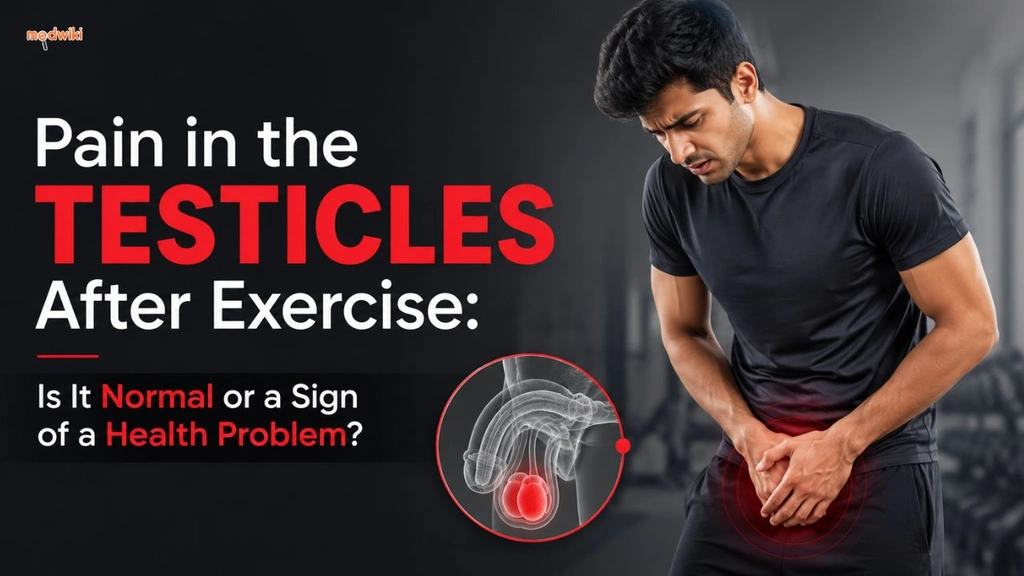
ExperiencingPain in theTesticles After Exercise can be alarming, especially if it appears suddenly or becomes more intense after physical activity. While mild discomfort may result from temporary strain or overexertion, persistent or severe pain should never be ignored. Understanding the possible causes can help you decide whether simple home care is enough or if medical attention is necessary.Many active individuals noticeTesticle Pain After Exercise after running, cycling, weightlifting, or playing sports. In some cases, the discomfort is linked to muscle tension or minor injuries. However, certain medical conditions such asVaricocele,Epididymitis, or evenTesticular Torsion can also lead to pain that requires prompt treatment.This guide explains the common reasons behind testicular discomfort after exercise, symptoms to watch for, available treatment options, preventive measures, and when to seek emergency care.Why Can Exercise Cause Testicular Pain?Physical activity places stress on different muscles, joints, and soft tissues throughout the body. During intense workouts, nearby muscles and ligaments can become irritated, causing discomfort that extends into the scrotum. This type ofExercise-Induced Testicular Pain is usually temporary and improves with adequate rest.Another common reason isMuscle Strain in Groin, which can occur during sprinting, jumping, heavy lifting, or sudden twisting movements. Since the groin muscles connect closely with structures around the pelvis, pain may spread toward the testicles and create confusion about the exact source of discomfort.Not every case ofScrotal Pain is related to exercise alone. Some individuals already have an underlying condition that becomes more noticeable during physical activity. Recognizing the difference between normal soreness and a potentially serious problem is essential for proper care.Common Causes of Pain After ExerciseThere are several possible reasons why discomfort develops after physical activity. Some causes are harmless, while others require medical evaluation to prevent complications.Understanding these possibilities helps you recognize when symptoms deserve closer attention.Muscle Strain in Groin after sudden movement or heavy liftingSports Injury to Testicles caused by direct impact during physical activityVaricocele becoming more painful after prolonged standing orexerciseInguinal Hernia causing pressure and discomfort in the groinGroin Injury affecting nearby muscles and connective tissuesReferred Pain to Testicles originating from the lower back, hips, or abdomenAlthough many cases improve within a few days, persistentTesticular Pain should always be evaluated by a healthcare provider to rule out more serious conditions.Symptoms That Should Not Be IgnoredMild soreness after exercise often improves with rest, but certain symptoms may indicate a more significant health problem. Paying attention to these warning signs can help prevent complications.Knowing when discomfort becomes abnormal is important for protecting reproductive health.Sudden severeScrotal PainSwelling or redness of the scrotumPain lasting longer than 24 to 48 hoursFever or chills along with painNausea or vomiting accompanying discomfortA visible lump or swelling in the groinThese symptoms may suggest conditions such asEpididymitis,Orchitis, orTesticular Torsion, all of which require prompt medical assessment. Early diagnosis often leads to better treatment outcomes.Sports Injuries and Their ImpactA directSports Injury to Testicles can happen during football, cricket, cycling, martial arts, or other contact sports. Even with protective equipment, accidental impact may cause temporary pain, bruising, or swelling that improves over time.More serious injuries may damage the surrounding tissues, resulting in persistentSpermatic Cord Pain or significant tenderness. Repeated trauma from activities like long-distance cycling may also contribute to discomfort by placing continuous pressure on sensitive structures.If pain becomes increasingly severe, swelling worsens, or blood appears in the urine, immediate medical evaluation is necessary. These symptoms may indicate injuries that require imaging tests or urgent treatment.Medical Conditions That May Be Triggered by ExerciseExercise does not always cause the underlying condition, but it can make existing medical problems more noticeable. Increased physical effort raises abdominal pressure and blood flow, sometimes worsening symptoms that were previously mild.Several medical conditions may become more painful during or after exercise.Varicocele causing a dull aching sensationInguinal Hernia producing groin pressure during liftingEpididymitis leading to tenderness and swellingOrchitis causing inflammation and discomfortTesticular Torsion presenting with sudden intense painPersistentSpermatic Cord Pain from irritation or injuryBecause some of these conditions can threaten fertility or blood supply to the testicle, medical evaluation should never be delayed if symptoms are severe or rapidly worsening.How Doctors Diagnose the CauseFinding the exact reason for discomfort begins with a detailed medical history and physical examination. Your doctor will ask when the pain started, what type of exercise you were doing, whether the pain is constant or comes and goes, and if you have experienced similar episodes before. These details help narrow down the possible causes ofTesticular Pain.Proper diagnosis often requires more than a physical examination.Review of recent physical activities and injuriesExamination of the groin and scrotumUltrasound to check blood flow and swellingUrine tests to identify infectionBlood tests if inflammation is suspectedImaging studies when aGroin Injury orInguinal Hernia is suspectedAn accurate diagnosis is important because the treatment forExercise-Induced Testicular Pain depends entirely on its underlying cause. Early evaluation also helps rule out emergencies such asTesticular Torsion.Treatment OptionsTreatment depends on whether the discomfort is caused by muscle strain, infection, injury, or another medical condition. Mild pain related to exercise often improves with rest and supportive care, while more serious conditions require medical treatment.The right treatment plan varies from one person to another.Rest from strenuous exercise for several daysApply ice packs to reduce swellingWear supportive underwear during recoveryTake prescribed pain-relieving medications if advisedAntibiotics forEpididymitis orOrchitisSurgery ifTesticular Torsion or a severeInguinal Hernia is diagnosedFollowing the recommended treatment plan improves recovery and lowers the risk of long-term complications. Returning to intense exercise too soon may delay healing and increase the chance of recurring pain.Tips to Prevent Pain After ExerciseMany cases ofTesticle Pain After Exercise can be prevented by following proper exercise techniques and protecting the groin during physical activity. Small changes in your routine may significantly reduce the risk of injury.Prevention starts with safe exercise habits.Warm up before every workoutStretch the groin muscles regularlyWear appropriate protective sports gearLift heavy weights using proper techniqueIncrease exercise intensity graduallyStay hydrated throughout physical activityThese preventive measures reduce the likelihood ofMuscle Strain in Groin,Sports Injury to Testicles, and other causes of exercise-related discomfort. Listening to your body and resting when needed also supports long-term health.When Should You See a Doctor?Not every episode of discomfort requires emergency treatment, but some situations should never be ignored. Pain that is sudden, severe, or associated with swelling may indicate a condition requiring urgent medical care.Seek medical attention immediately if you experience any of the following.Sudden severeTesticular PainRapid swelling of the scrotumFever with increasing painBlood in the urinePersistent pain lasting more than two daysSevereReferred Pain to Testicles with abdominal or back painPrompt evaluation can prevent complications and improve treatment outcomes. Conditions such asTesticular Torsion require emergency care because delaying treatment may permanently affect the affected testicle.Recovery and Long-Term OutlookMost people recover completely when the underlying cause is identified and treated early. MinorGroin Pain After Exercise caused by muscle strain usually improves within days, while infections and hernias may require longer recovery periods.Recovery depends on following medical advice and allowing enough time for healing.Resume exercise gradually after recoveryComplete all prescribed medicationsAttend follow-up appointmentsAvoid heavy lifting until cleared by your doctorContinue wearing supportive athletic gearReport recurringScrotal Pain promptlyMost individuals can safely return to their normal activities once symptoms have resolved. Maintaining good exercise habits and addressing problems early reduces the likelihood of future episodes.ConclusionExperiencingPain in the Testicles After Exercise is not always a sign of a serious medical condition. In many cases, temporary muscle strain or minor injuries improve with rest and supportive care. However, persistent or severe pain should never be ignored.Conditions such asVaricocele,Epididymitis,Orchitis,Inguinal Hernia, orTesticular Torsion may become more noticeable after physical activity and require professional evaluation. Early diagnosis helps prevent complications and supports faster recovery.If discomfort continues, worsens, or is accompanied by swelling, fever, or sudden severe pain, seek medical attention immediately. Prompt treatment protects your health, supports recovery, and helps you return safely to your regular exercise routine.FollowMedwikifor more!Frequently Asked Questions1. Is Pain in the Testicles After Exercise Normal?MildPain in the Testicles After Exercise can occur after intense workouts because of muscle strain or minor injuries. However, severe, persistent, or recurring pain should be evaluated by a healthcare professional to rule out serious conditions.2. What Causes Testicle Pain After Exercise?Testicle Pain After Exercise may result fromMuscle Strain in Groin,Sports Injury to Testicles,Varicocele,Inguinal Hernia, infections, orReferred Pain to Testicles from nearby muscles or nerves.3. Can exercise cause Testicular Torsion?Exercise itself does not usually causeTesticular Torsion, but sudden movements during physical activity may trigger torsion in individuals who are already predisposed. This is a medical emergency requiring immediate treatment.4. When should I worry about Scrotal Pain after exercise?You should seek medical care ifScrotal Pain is severe, lasts longer than 24 to 48 hours, is associated with swelling, fever, nausea, vomiting, or develops suddenly without improvement.5. Can a Groin Injury cause pain in the testicles?Yes. AGroin Injury can irritate nearby muscles, ligaments, and nerves, causing discomfort that spreads into the scrotum. This type of pain is often referred to as pain but still deserves medical evaluation if it persists.6. How is Exercise-Induced Testicular Pain treated?Treatment forExercise-Induced Testicular Pain depends on its cause. Rest, ice, supportive underwear, pain medication, antibiotics for infections, or surgery for conditions likeTesticular Torsion orInguinal Hernia may be recommended.7. Can I continue exercising if I have testicular pain?It is best to stop exercising until the cause of the pain is identified. Continuing physical activity with ongoingTesticular Pain may worsen certain conditions and delay recovery. A healthcare provider can advise when it is safe to resume exercise.

1:15
Many men have heard the claim that tight underwear can reduce fertility, but they are unsure whether it is fact or myth. The relationship betweenTight Underwear andMale Fertilityhas been studied for years because sperm production depends on maintaining the right environment around the testicles. Understanding the science behind this topic can help men make informed choices about their reproductive health.Although underwear is only one factor affecting fertility, lifestyle habits can influence sperm production over time.Tight Underwear and Male Fertility is an important topic for couples trying to conceive because healthy sperm depend on proper temperature, blood circulation, and overall reproductive health. Learning how clothing choices may affect fertility is the first step toward protecting sperm health.Understanding Male FertilityMale Fertility depends on the production of healthy sperm that can successfully fertilize an egg. This process requires healthytesticles, balanced hormones, proper blood flow, and a suitable environment for sperm development. Even small changes in these factors can affect reproductive health.The body naturally keeps the testicles slightly cooler than normal body temperature because sperm production works best under these conditions. When this balance is disturbed, sperm development may be affected.Many factors influenceMale Fertility, including age, diet, exercise, smoking, alcohol use, stress, medical conditions, and environmental exposure. Underwear choice is only one part of a much larger picture.Can Wearing Tight Underwear Affect Male Fertility?Many people ask,Can Wearing Tight Underwear Affect Male Fertility? Research suggests that excessively tight clothing may increase heat around the testicles. Since sperm production is sensitive to temperature, prolonged exposure to extra heat may reduce sperm health in some men.Several factors explain the possible connection.Tight clothing may increaseScrotal Temperature.Higher temperatures can reduceSperm Count.Heat exposure may lowerSperm Quality.Reduced airflow may affect sperm production.Long-term heat exposure could influenceSperm Motility.Other lifestyle factors often contribute alongside clothing choices.Although studies have shown mixed results, experts agree that constantly elevatedScrotal Temperature may negatively affect reproductive health. This is whyCan Wearing Tight Underwear Affect Male Fertility remains an important question for men planning a family.How Heat Affects Sperm ProductionThe testicles are located outside the body because sperm production requires a cooler environment. Even a small increase inScrotal Temperature can interfere with the process of producing healthy sperm.When the temperature remains elevated for long periods, sperm production may slow down. Some men may experience a temporary decline inSperm Count, while others notice changes in overall sperm health.Heat may also affectSperm Quality, making sperm less capable of successful fertilization. Fortunately, these changes are often reversible once the source of excessive heat is removed and healthy habits are maintained.Tight Underwear and Fertility: What Research SaysResearchers have examined the relationship betweenTight Underwear and Fertility for many years. While results vary, several studies suggest that looser underwear may support healthier sperm production by helping maintain a cooler environment around the testicles.Scientific findings indicate that underwear alone is rarely the only cause of fertility problems. Diet, exercise, smoking, obesity, stress, and medical conditions all have a much greater impact on reproductive health.Still, the possible connection betweenTight Underwear and Fertility and increasedScrotal Temperature means that choosing comfortable, breathable underwear may be a simple lifestyle adjustment for men trying to improve fertility.Signs That Sperm Health May Be AffectedChanges in sperm health usually do not cause noticeable symptoms. Many men only discover a problem after experiencing difficulty conceiving with their partner. This is why regular medical evaluation is important when pregnancy does not occur after a year of trying.Some factors that may indicate reduced fertility include:Difficulty achieving pregnancy.A history ofLow Sperm Count.ReducedSperm Motility.PoorSperm Quality.Previous reproductive health conditions.AbnormalSemen Analysis results.These signs do not always mean infertility is present, but they should encourage men to seek evaluation from a healthcare professional. Early diagnosis often improves treatment options and reproductive outcomes.Boxers vs Briefs: Which Is Better?The debate overBoxers vs Briefs has continued for many years. Boxers are generally looser and allow better airflow around the testicles, while briefs provide more support but may fit more tightly. The right choice often depends on comfort, activity level, and individual preference.Many experts believe breathable fabrics and a comfortable fit are more important than the style itself.Boxers vs Briefs should be chosen based on comfort rather than fashion.Loose-fitting underwear may help maintain a healthyScrotal Temperature.Breathable cotton fabrics can improve airflow.Avoid underwear that feels excessively tight for long periods.Change underwear regularly to maintain hygiene.Choose the correct size to prevent unnecessary pressure.Whether you preferBoxers vs Briefs, avoiding excessive heat and discomfort may help support healthy sperm production. Small lifestyle adjustments can contribute to better reproductive health over time.Other Factors That Affect Male FertilityWhile underwear may have a small impact, many other factors play a much larger role in reproductive health. Maintaining a healthy lifestyle is one of the best ways to protect fertility and improve overall well-being.Several everyday habits influence sperm health.Eat a balanced and nutritious diet.Exercise regularly without overtraining.Avoid smoking and recreational drugs.Limit excessive alcohol consumption.Maintain a healthy body weight.Manage stress through healthy coping techniques.These healthy habits supportMale Fertility far more than underwear choice alone. Combining good lifestyle practices with regular medical care offers the best chance of maintaining healthy reproductive function.How Is Sperm Health Evaluated?If a couple has difficulty conceiving, doctors may recommend fertility testing for both partners. One of the most important tests for men is aSemen Analysis, which provides valuable information about sperm health and reproductive potential.ASemen Analysis evaluates several important factors.TotalSperm Count.OverallSperm Quality.HealthySperm Motility.Sperm shape and appearance.Semen volume.Signs of infection or other abnormalities.The results help doctors determine whether additional testing or treatment is needed. A properSemen Analysis is often the first step in identifying possible fertility concerns.Can Tight Underwear Cause Male Infertility?Many men worry that wearing tight underwear will automatically lead toMale Infertility, but current evidence does not support that conclusion. Underwear alone is rarely responsible for infertility. Instead, fertility usually depends on multiple medical and lifestyle factors working together.Certain situations may increase fertility risks.Constant exposure to excessive heat.Untreated medical conditions.Long-termLow Sperm Count.PoorSperm Quality.ReducedSperm Motility.Hormonal or genetic disorders.AlthoughTight Underwear and Fertility may have a small influence, it is only one piece of the larger fertility picture. Men with concerns should consult a healthcare professional rather than relying on myths or assumptions.Tips to Support Healthy SpermProtecting reproductive health involves making consistent healthy choices. Many lifestyle improvements benefit not only fertility but also overall physical and mental health.Simple habits can help support healthy sperm production.Wear comfortable and breathable underwear.Avoid prolonged exposure to hot tubs and saunas.Stay physically active.Eat a diet rich in fruits, vegetables, and whole grains.Get enough sleep every night.Schedule regular medical checkups.Following these recommendations can support healthyMale Fertility while improving general wellness. Small daily habits often make a meaningful difference over time.ConclusionThe relationship betweenTight Underwear and Male Fertility continues to be studied, but current evidence suggests that underwear alone is unlikely to be the sole cause of fertility problems. However, constantly increasingScrotal Temperature may temporarily affectSperm Count,Sperm Quality, andSperm Motility in some men.When askingCan Wearing Tight Underwear Affect Male Fertility, the answer is that it may contribute slightly, especially when combined with other unhealthy lifestyle factors. Choosing comfortable clothing, maintaining a healthy lifestyle, and avoiding excessive heat are simple steps that may help protect reproductive health.If you are concerned aboutLow Sperm Count, difficulty conceiving, or possibleMale Infertility, speak with a healthcare professional. A properSemen Analysis can identify potential issues and guide the most appropriate treatment plan for improving fertility.FollowMedwikifor more!Frequently Asked Questions1. Can Wearing Tight Underwear Affect Male Fertility?Many people ask,Can Wearing Tight Underwear Affect Male Fertility? Tight underwear may slightly increaseScrotal Temperature, which can temporarily affect sperm production in some men. However, it is rarely the only cause of fertility problems.2. Does tight underwear reduce sperm count?Prolonged exposure to increased heat may contribute to a lowerSperm Count in certain individuals. The effect is usually mild and may improve after reducing heat exposure.3. Is Boxers vs Briefs important for fertility?TheBoxers vs Briefs debate suggests that looser underwear may help keep the testicles cooler. Comfort, proper fit, and breathable fabric are generally more important than the style itself.4. How does scrotal temperature affect sperm health?An increase inScrotal Temperature can interfere with sperm production, potentially affectingSperm Quality,Sperm Count, andSperm Motility over time.5. How is sperm health tested?Doctors usually perform aSemen Analysis to measureSperm Count, movement, shape, and other important factors that determine male reproductive health.6. Can tight underwear alone cause male infertility?No.Male Infertility is usually caused by multiple factors, including medical conditions, hormonal problems, lifestyle habits, and genetics. Underwear choice alone is rarely responsible.7. What can I do to improve male fertility?SupportingMale Fertility includes eating a healthy diet, exercising regularly, avoiding smoking, limiting alcohol, maintaining a healthy weight, managing stress, wearing comfortable underwear, and seeking medical advice if fertility concerns persist.
1:15
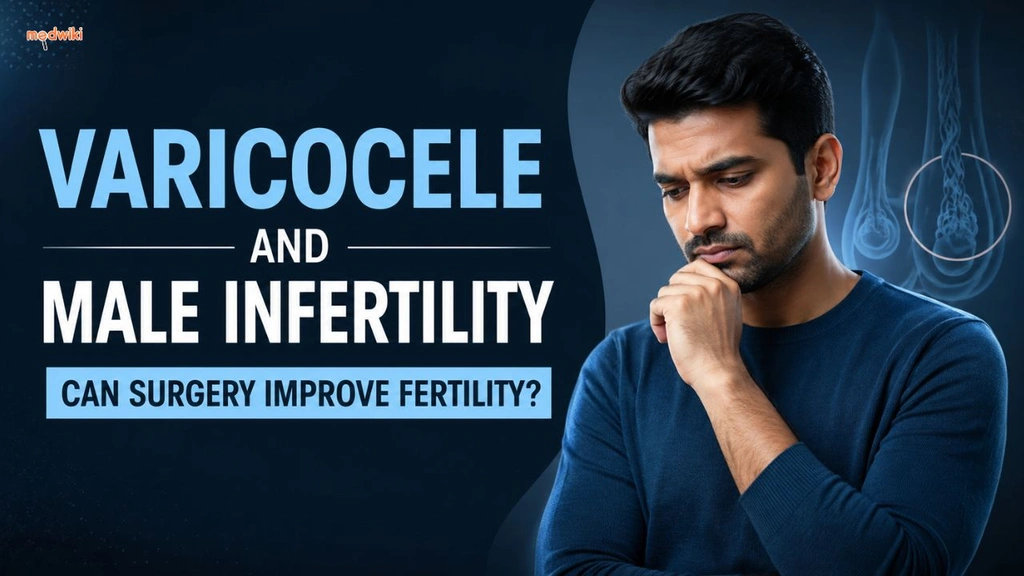
Infertility affects many couples worldwide, and in a significant number of cases, the male partner contributes to the difficulty in conceiving. One of the most common and treatable causes isVaricocele and Male Infertility. A varicocele is an enlargement of the veins inside the scrotum that can interfere with normal testicular function and sperm production. Understanding this condition is important for men who are trying to start a family.Although not every man with a varicocele experiences fertility problems, research has shown a strong connection betweenVaricocele and Male Infertility. Early diagnosis and proper treatment may improve sperm health and increase the chances of natural conception. Knowing the signs, causes, and available treatment options can help couples make informed decisions about their reproductive health.What Is a Varicocele?AVaricocele is the enlargement of veins within thescrotum, often compared to varicose veins that develop in the legs. These enlarged veins affect blood circulation around the testicles, causing the temperature inside the scrotum to rise. Since sperm production requires a slightly lower temperature than normal body temperature, this change can negatively affect fertility.Many men develop aVaricocele during adolescence, although it may not cause noticeable symptoms for years. Some experience pain or heaviness in the scrotum, while others discover the condition only during an infertility evaluation.A healthcare provider, usually aUrologist, can diagnose a varicocele through a physical examination and, if needed, an ultrasound. Early diagnosis helps prevent complications and allows timely management for men concerned about fertility.How Does a Varicocele Affect Fertility?The connection betweenVaricocele and Male Infertility lies in its impact on sperm production and testicular function. Increased temperature, poor blood circulation, and oxidative stress can all reduce the quality of sperm produced by the testicles.A varicocele can affect fertility in several important ways.It may causeLow Sperm Countby reducing sperm production.It can decreaseSperm Motility, making it harder for sperm to reach the egg.It may affectSperm Morphology, resulting in abnormally shaped sperm.It can reduceSperm DNA Integrity, lowering fertilization potential.It may contribute to hormonal imbalance affecting the testes.Long-term damage can reduce overall reproductive function.These changes do not affect every man in the same way. However, they explain whyMale Infertility is commonly associated with untreated varicoceles.Common Signs and SymptomsMany men with aVaricocele have no symptoms at all. Others notice mild discomfort that becomes more noticeable after standing for long periods or during physical activity. In some cases, infertility is the only reason the condition is discovered.Common symptoms may include a dull ache, a feeling of heaviness, or visibleScrotal Varicose Veins. Some men describe the enlarged veins as feeling like a "bag of worms" inside the scrotum.Another possible complication isTesticular Atrophy, where the affected testicle becomes smaller over time. This occurs because poor blood flow and increased temperature may gradually damage healthy testicular tissue.How Is Varicocele Diagnosed?Accurate diagnosis is essential for selecting the most appropriate treatment. AUrologist usually begins with a physical examination while the patient is standing, since enlarged veins are easier to detect in this position.To confirm the diagnosis, additional tests may be recommended.Physical examination by aUrologist.Scrotal ultrasound to visualize enlarged veins.Semen Analysis to evaluate overall sperm health.Hormone testing if hormonal imbalance is suspected.Assessment ofLow Sperm Count and fertility history.Additional fertility tests when needed.A thorough evaluation helps determine whether the varicocele is affecting fertility. The results of theSemen Analysis also guide future treatment decisions and provide a baseline for monitoring improvement.Does Every Varicocele Need Treatment?Not everyVaricocele requires immediate treatment. Many men live with the condition without pain or fertility problems. Treatment is generally recommended when symptoms interfere with daily life or when fertility is affected.Doctors usually consider several factors before recommendingVaricocele Treatment, including age, symptoms, semen quality, and future family planning goals. Men with abnormalSemen Analysis results or ongoing infertility are more likely to benefit from treatment.A personalized approach is important because every patient is different. Consulting an experiencedUrologist helps determine whether observation, surgery, or assisted reproductive techniques are the most appropriate option.Varicocele Treatment OptionsChoosing the rightVaricocele Treatment depends on the severity of symptoms, fertility goals, and the results of medical evaluation. Some men only need regular monitoring, while others may benefit from surgery to improve sperm health and reduce discomfort. A treatment plan should always be tailored to the individual.Several treatment options are available.Regular monitoring for men without symptoms.Pain management when discomfort is mild.Lifestyle modifications to reduce strain.SurgicalVaricocelectomy for fertility concerns.Assisted reproductive techniques when necessary.Ongoing follow-up with aUrologist.The goal ofVaricocele Treatment is to improve testicular function, preserve fertility, and relieve symptoms. Early intervention may also help prevent further damage to the testicles.What Is Varicocelectomy?Varicocelectomy is the most common surgical procedure used to treat a varicocele. During surgery, the enlarged veins are tied off or sealed so that blood is redirected through healthy veins. This improves circulation and helps lower the temperature around the testicles.The procedure is usually performed by an experiencedUrologist using microsurgical, laparoscopic, or minimally invasive techniques. Most patients return home the same day and recover within a few weeks.AfterVaricocelectomy, improvements inLow Sperm Count,Sperm Motility, andSperm Morphology may become noticeable over the following three to six months as new sperm are produced.Can Surgery Improve Fertility?One of the most common questions couples ask is whether surgery can increase the chances of pregnancy. Studies suggest that many men experience better sperm quality after successfulVaricocelectomy, although results vary depending on age, overall health, and the severity of the condition.Several fertility improvements may occur after surgery.Increase inLow Sperm Count.BetterSperm Motility for improved movement.HealthierSperm Morphology with more normally shaped sperm.ImprovedSperm DNA Integrity.Higher chances of natural conception.Better overall reproductive health.Although surgery is not a guaranteed solution, many couples see improved fertility after appropriateVaricocele Treatment. Regular follow-up testing helps measure progress over time.When Are IVF and ICSI Recommended?Surgery alone may not be enough for every couple. If pregnancy does not occur despite improved sperm quality, assisted reproductive techniques may be considered. These options are especially helpful when female fertility factors are also present.Advanced fertility treatments may include:IVF for Male Infertility when natural conception remains difficult.Intracytoplasmic Sperm Injection (ICSI) to help fertilize the egg.RepeatSemen Analysis to monitor sperm improvement.Fertility counseling for couples.Individualized treatment planning.Ongoing care with fertility specialists.BothIVF for Male Infertility andIntracytoplasmic Sperm Injection (ICSI) have helped many couples achieve successful pregnancies. The best approach depends on each couple's unique medical situation.Recovery and Long Term OutlookRecovery afterVaricocelectomy is generally smooth. Most men can resume light daily activities within a few days, while strenuous exercise should be avoided until cleared by the surgeon. Follow-up appointments are important to monitor healing and sperm quality.Healthy habits support recovery and long-term fertility.Attend all scheduled follow-up visits.Avoid heavy lifting during early recovery.Follow the surgeon's post-operative instructions.Maintain a healthy diet and regular exercise.RepeatSemen Analysis as recommended.Continue regular care with aUrologist.Sperm production takes time to improve because new sperm require several months to mature. Patience and regular monitoring are important parts of successful treatment.ConclusionThe relationship betweenVaricocele and Male Infertility is well established, making early diagnosis an important step for men facing fertility challenges. While not every varicocele requires treatment, those affecting sperm quality or causing discomfort should be evaluated by an experiencedUrologist.ModernVaricocele Treatment, includingVaricocelectomy, can improveLow Sperm Count,Sperm Motility,Sperm Morphology, andSperm DNA Integrity in many patients. Timely treatment may also reduce the risk ofTesticular Atrophy and improve overall reproductive health.For couples who continue to experience infertility, options such asIVF for Male Infertility andIntracytoplasmic Sperm Injection (ICSI) provide additional opportunities to achieve pregnancy. Working closely with fertility specialists allows couples to choose the treatment approach that best fits their needs.FollowMedwikifor more!Frequently Asked Questions1. What is the connection between Varicocele and Male Infertility?Varicocele and Male Infertility are closely linked because enlarged scrotal veins can increase testicular temperature, reduce blood flow, and negatively affect sperm production and quality.2. Can a varicocele cause low sperm count?Yes. AVaricocele may lead toLow Sperm Count by disrupting normal sperm production. It can also affectSperm Motility andSperm Morphology, reducing fertility.3. What is a varicocelectomy?Varicocelectomy is a surgical procedure that closes enlarged scrotal veins, improves blood circulation, and may enhance sperm quality in men with fertility problems.4. How is a varicocele diagnosed?Diagnosis usually includes a physical examination by aUrologist, scrotal ultrasound, and aSemen Analysis to evaluate sperm count, movement, and overall reproductive health.5. Can surgery improve sperm DNA integrity?Yes. Many studies suggest that successfulVaricocelectomy may improveSperm DNA Integrity, although results vary depending on the individual and the severity of the condition.6. When is IVF or ICSI needed after varicocele treatment?If pregnancy does not occur afterVaricocele Treatment, fertility specialists may recommendIVF for Male Infertility orIntracytoplasmic Sperm Injection (ICSI) to increase the chances of successful fertilization.7. Can a varicocele cause testicular atrophy?Yes. In some men, an untreatedVaricocele may contribute toTesticular Atrophy, where the affected testicle becomes smaller because of reduced blood flow and long-term tissue damage.

1:15
Waking up with anerectionis a normal part of male health, yet many men feel confused or embarrassed about it. This natural occurrence is commonly known asmorning wood, and it can happen at different ages throughout life. While it may seem random, it is actually linked to healthy blood flow, hormone levels, and sleep cycles.Many men wonder whether waking up with an erection is a sign of good health or if its absence should be a cause for concern. Understandingmorning wood can help clear up common myths and provide reassurance. In most cases, it is a completely normal bodily function that reflects healthy erectile function and nervous system activity.What Does Morning Wood Mean?Many people search for themorning wood meaning because they are unsure why it happens. Simply put, morning erections are involuntary erections that occur during sleep or just before waking up. They are not always connected to sexual thoughts or dreams.Themorning wood means that the body is responding naturally to changes that occur during the rapid eye movement (REM) stage of sleep. During this phase, the nervous system relaxes while blood flow to the penis increases, making erections more likely.When people askwhat morning wood is, the answer is straightforward. It is a normal physiological response that mosthealthy males experience. Although the frequency may vary, occasional morning erections are generally considered a positive sign of reproductive and vascular health.Why Do Men Wake Up with Morning Wood?The exact reason behindmorning wood involves several natural processes working together. Hormones, blood circulation, and sleep patterns all contribute to these involuntary erections.Several factors make morning erections possible.Testosterone levels are usually highest in the early morning.REM sleep increases blood flow to the penis.The nervous system becomes more relaxed during sleep.A full bladder may stimulate nearby nerves.Healthy blood vessels support proper circulation.The body naturally experiences multiple erections during the night.These factors explain whymorning wood often occurs without any sexual stimulation. It is simply one of the body's normal biological functions and usually does not require any treatment.Morning Wood and Sleep CyclesSleep quality has a direct effect on erectile health. Most morning erections happen during the REM stage, which occurs several times throughout the night. If sleep is interrupted, these natural erections may become less frequent.A healthy sleep cycle supportshormone production and good circulation. Men who regularly get enough sleep are more likely to experience consistent morning erections than those who suffer from sleep deprivation or chronic stress.Experts explain thatmorning wood meaning is closely connected with REM sleep because this stage activates the body's natural processes that support erections. Poor sleep habits can reduce both sleep quality and erectile function over time.Does Age Affect Morning Wood?Many men notice changes in erection frequency as they grow older. Althoughmorning wood age varies from person to person, it is most common during adolescence and early adulthood when testosterone levels are naturally higher.However, healthy older men can still experience regular morning erections. The frequency may gradually decrease with age, but occasionalmorning wood remains completely normal for many men.The relationship betweenmorning wood age and hormone levels explains why younger men usually notice it more often. Lifestyle, overall health, medications, and underlying medical conditions also play important roles in determining how frequently morning erections occur.Common Factors That Influence Morning ErectionsSeveral everyday habits can affect how often morning erections occur. While occasional changes are normal, consistent lifestyle choices have a significant impact on sexual health and hormone balance.Many daily factors contribute to healthy erectile function.Regular physical activity improves blood circulation.A balanced diet supports hormone production.Good sleep habits promote healthy REM cycles.Stress management helps maintain normal testosterone levels.Avoiding excessive alcohol supports vascular health.Not smoking improves blood flow throughout the body.Maintaining healthy habits can support regularmorning wood and overall reproductive health. In many cases, lifestyle improvements are enough to maintain healthy erectile function without medical intervention.Is It Unhealthy to Not Get Morning Wood?Not every man wakes up with an erection every single day. The frequency varies depending on age, sleep quality, stress, hormone levels, and overall health. Missing it occasionally is usually not a cause for concern.However, many men ask,is it unhealthy to not get morning wood? The answer depends on the situation.Missing morning erections once in a while is normal.Poor sleep can reduce their frequency.Stress and anxiety may affect erectile function.Certain medications can interfere with normal erections.Low testosterone may contribute to fewer morning erections.Underlying health conditions can also play a role.If you are wonderingis it unhealthy to not get morning wood, remember that occasional changes are common. Persistent absence, especially when combined with erectile dysfunction, should be discussed with a healthcare provider.What If You Have No Morning Wood for Months?Experiencingno morning wood for months may indicate an underlying health issue that deserves medical attention. While it does not automatically mean something serious is wrong, it is worth getting evaluated if the change is consistent.Long-term absence of morning erections should not be ignored.Low testosterone levels may be responsible.Diabetes can affect blood vessels and nerves.Heart disease may reduce healthy blood flow.Sleep disorders can interrupt REM sleep.Depression and anxiety may contribute.Some prescription medications may reduce erections.If you have hadno morning wood for months, schedule an appointment with a healthcare professional. Early diagnosis can help identify the cause and improve both sexual health and overall well-being.Morning Wood BenefitsMany people are surprised to learn there are severalmorning wood benefits. These natural erections are considered a healthy sign that the body is functioning properly. They help indicate that the nervous system, blood vessels, and hormones are working together as expected.Regular morning erections provide useful health clues.They reflect healthy blood circulation.They may indicate normal testosterone levels.They support healthy erectile tissue.They suggest proper nerve function.They can be a sign of good sleep quality.They help doctors assess erectile health.Themorning wood benefits go beyond reproductive health. They provide reassurance that several important body systems are functioning normally and may even help detect health problems early when changes occur.When Should You See a Doctor?Althoughmorning wood is normal, there are situations where medical advice is recommended. Paying attention to changes in frequency, duration, or associated symptoms can help identify possible health concerns.Certain warning signs should not be ignored.Complete absence of erections for an extended period.Painful erections that occur regularly.Difficulty achieving erections during sexual activity.Symptoms of low testosterone.Sudden changes after starting new medication.Other health problems such as diabetes or heart disease.Seeking medical advice early can lead to faster diagnosis and effective treatment. Many conditions affecting erectile health respond well when addressed promptly.Tips to Support Healthy Morning ErectionsA healthy lifestyle is one of the best ways to support natural erections. Good daily habits improve circulation, hormone production, and overall physical health.Simple lifestyle changes can make a difference.Exercise regularly throughout the week.Eat a balanced and nutritious diet.Get enough quality sleep every night.Maintain a healthy body weight.Reduce stress through relaxation techniques.Avoid smoking and excessive alcohol use.These habits support long-term sexual health and overall wellness. They also reduce the risk of medical conditions that may interfere with healthy erectile function.ConclusionExperiencingmorning wood is a normal part of male physiology and is usually a positive sign of healthy blood flow, hormone balance, and nervous system function. Although the frequency may vary from person to person, occasional morning erections are generally nothing to worry about.Understandingwhat is morning wood and themorning wood meaning helps separate facts from common myths. Themorning wood means that the body is functioning naturally during sleep, especially during the REM stage when erections commonly occur.If you experienceno morning wood for months or wonderif it is unhealthy to not get morning wood, it is a good idea to consult a healthcare professional. Knowing themorning wood benefits and howmorning wood age influences frequency can help you better understand your body and maintain overall health.FollowMedwikifor more!Frequently Asked Questions1. What is morning wood?What is morning wood refers to an involuntary erection that occurs during sleep or shortly after waking up. It is a normal biological process and is not always related to sexual thoughts.2. What is the morning wood meaning?Themorning wood meaning is that your body is experiencing healthy blood flow and normal nerve function during REM sleep. It is generally considered a sign of good erectile health.3. Is it unhealthy to not get morning wood?Many men ask,is it unhealthy to not get morning wood? Missing it occasionally is completely normal. However, if it disappears for a long time along with erectile difficulties, medical evaluation is recommended.4. What causes no morning wood for months?Havingno morning wood for months may result from low testosterone, diabetes, heart disease, poor sleep, stress, certain medications, or other medical conditions. A healthcare provider can help identify the cause.5. What are the morning wood benefits?Some importantmorning wood benefits include supporting healthy erectile tissue, indicating good blood circulation, reflecting normal hormone levels, and helping doctors assess erectile function.6. Does morning wood age affect how often it happens?Yes.Morning wood age plays an important role because younger men usually experience it more frequently due to higher testosterone levels. The frequency often decreases gradually with age but can remain normal in healthy older men.7. Should I worry if my morning erections become less frequent?Not necessarily. Stress, poor sleep, illness, and aging can all affectmorning wood. If the change is persistent or accompanied by erectile dysfunction or other symptoms, it is best to seek medical advice.

Know Us
@2026 Medwiki Pvt Ltd. All Rights Reserved