

1:15
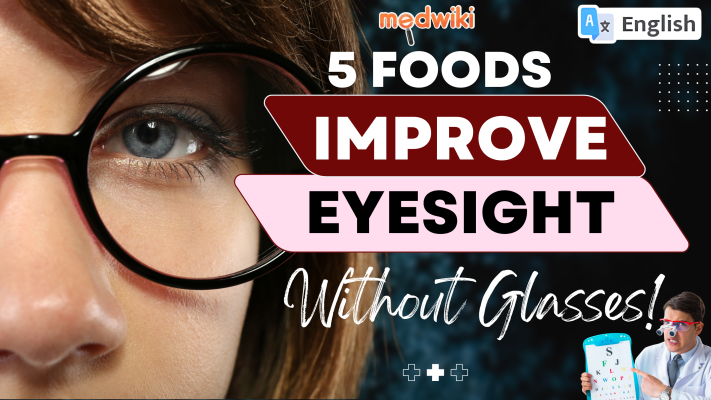
Do you have to wear your specs to see the world clearly? Do you want to get a sharp vision? So, this video is for you!We will talk about 5 foods that can help you improve your eyesight naturally. Let's dive in:1. Green Leafy Vegetables: Vegetables like collard greens, kale, and spinach are rich in vitamins A, C, and E which help to lower the risk of eye disease. It is beneficial for combating sight loss conditions such as macular degeneration and retinitis pigmentosa.2. You can eat, Fruits and vegetables such as sweet potato, carrots, mangoes, and apricots which are highly in beta-carotene which gets converted into vitamin A and helps improve your night vision, which is an ability for our eyes to adjust to darkness.3. Fish: Fish has fatty acids like omega 3, which has been found to have benefits for eye problems such as meibomian gland dysfunction which is a gland in the eyes that produces an oily substance to prevent dryness of the eyes.4. Eating eggs is always considered as good source of Omega 3 fatty acids which helps improve your eyesight. It also contains vitamin C, E, lutein, and zeaxanthin which is another carotenoid related to lutein that promotes eye sight.5. Dairy products like Yogurt and Milk are rich in Zinc and Vitamin A which protect cornea and improves your nighttime vision. To get full benefits of dairy products, drink grass-fed milk in the morning or before bedtime and eat yogurt during mid-day or after lunch.Source:-1. Rasmussen, H. M., & Johnson, E. J. (2013). Nutrients for the aging eye. Clinical interventions in aging, 8, 741–748. https://doi.org/10.2147/CIA.S453992. Lawrenson, J. G., & Downie, L. E. (2019). Nutrition and Eye Health. Nutrients, 11(9), 2123. https://doi.org/10.3390/nu11092123
1:15
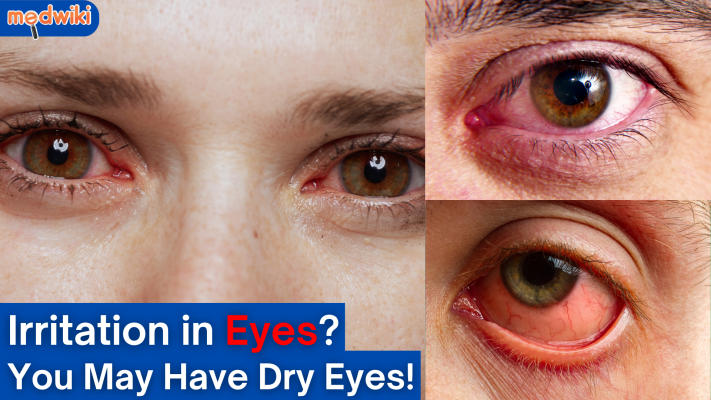
Do you feel your eyes burning, hurting like something has entered your eyes, or your vision getting blurry?If yes then you might be having a dry eye disease. Dry eyes is a common eye disorder that affects about millions of people globally.Keep reading to delve deeper into the causes of dry eyes.What is a dry eye?Your eyes require tears to stay lubricated. When your eyes do not produce less tears, your eyes loose hydration and lubrication and this uncomfortable condition is called dry eye.Suggested Read: Itching Eyes? Discover the Cause!What are the symptoms of a dry eye?Dry eyes can have symptoms like:Burning eyesRed eyesSore and irritated eyesFeeling like something has entered you eyesSensitivity to lightBlurred visionExcessive tearingInflamed eyelidsAnd difficulty wearing contact lenses.If you experience these symptoms, it's important to see a doctor for treatment.Suggested Read: The secret to healthy eyesWhat are the causes of a dry eye?Dry eyes can occur in hot and scorching summers and also in dry winters. But, dry eye is mainly caused by three reasons. Let's have a look into it:Your eyes are lubricated and protected by the tear film which is made of 3 layers which include: the water base that is tear, the oily base and the mucus. If there is a problem with any of these layers then it can lead to dry eyes.If your tear glands are not producing enough tear, your eyes cannot be lubricated and lead to dry eyes.Older people usually make less tears due to hormonal changes. A dry eye can be experienced by both men and women. But women, especially those who have gone through menopause, are more prone to dry eyes.If the meibomian glands which produce oily substance that prevents eyes from getting dry, are not working well, then it can also lead to dry eyes.Suggested Read: Cataracts And Aging: What To KnowSome other factors which can be held responsible for dry eyes are:Diseases, like rheumatoid arthritis, thyroid and lupus.Swelling or redness in eyelids.Climatic conditions like dry weather.Constantly looking at a digital screen for a long duration, reading and other activities that reduce blinking.Frequent and longer use of contact lenses.Having eye surgery.Use certain medicines, like diuretics, beta-blockers, antihistamines, sleeping pills, anxiety and antidepressant medicines, medicines for heartburn.Suggested Read: What Causes Dark Circles Under The Eyes
1:15
Top Home Remedies for Eye FluLet’s understand whatEye Flu is. It is also known asconjunctivitis in scientific terms. It is a contagious (transmittable) infection that affects the eye. Some of the symptoms of eye flu include redness, a pricky sensation in the eye, itching, watery discharge, swelling of the eyelids, burning sensation, sensitivity to light, and a sticky discharge.How Does Eye Flu Happen?People are more likely to catch eye infections during rainy days.Adenoviruses are the primary cause of conjunctivitis, and this disease is highly contagious, easily passing from one person to another.Suggested Read:Eye Flu - The Pink EyeHow Can Eye Flu Be Prevented?It can be prevented by maintaininggood hygiene. Avoid touching your eyes after contacting contaminated surfaces, especially during the rainy season. You should also avoid sharing or borrowing personal items like towels or makeup. If you experience any symptoms, refrain from touching your eyes and consult a doctor. Follow their instructions and maintain distance from others, especially children.Suggested Read:World of Eye Flu InfectionsGood Practices to Maintain Eye HealthTo promote good eye health, consider adding the following food items to your diet:Dark, leafy greens: Include spinach, collard greens, and kale.Fish: Rich in omega-3 fatty acids, effectively improving eye health and vision.Top 5 Home Remedies for Eye FluHere are the top5 natural remedies you can try at home to treat eye flu:1. RosewaterApply two drops of rosewater to each eye twice a day to reduce infections.2. Hot WaterWash your eyes with warm water to remove dirt and reduce infections.3. Amla JuiceDrink a glass of amla juice mixed with water twice a day on an empty stomach to boost eye health.4. Spinach and Carrot JuiceGrind 4 or 5 spinach leaves with 2 carrots, extract the juice, and drink it daily to reduce eye infections.5. Turmeric and Hot WaterMix two teaspoons of heated turmeric powder with a glass of warm water. Clean your eyes with a cotton ball soaked in this mixture.Bonus: PotatoesPlace thin slices of potatoes on your eyes for 10 minutes before bed to help cure eye infections.Additional Tips for Good Eye HealthIndulge in physical activities: Exercise and yoga help combat health problems like high blood pressure, diabetes, and high cholesterol, which can impair vision.Quit smoking: Smoking is harmful not only to your lungs but also to your eyes. It increases the risk of diseases like cataracts and macular degeneration.Suggested Read:The Secret to Healthy EyesPrevent Eye Flu with Proper CareMany people suffer from eye flu mildly, but severe cases can lead to complete loss of vision. To avoid this, follow all preventive measures like wearing goggles, avoiding frequent eye touching, and maintaining hand hygiene. Diet plays a crucial role in maintaining good eye health and boosting immunity. Follow these remedies to see significant improvements in a short time and protect yourself and your loved ones.
1:15
What are the three types of conjunctivitis, and what are their respective causes and symptoms?These types are:-Viral Conjunctivitis:Caused by adenovirus (common cold virus).Highly contagious, spreads easily.Symptoms include redness, watery discharge, and itching.Often accompanies a common cold.Bacterial Conjunctivitis:Caused by bacteria entering the eye.Transmission through contact with an infected person or contaminated surfaces.Common bacteria include Staphylococcus aureus and Haemophilus influenza.Symptoms include redness, thick eye discharge or pus, and swollen eyelids.Allergic Conjunctivitis (Pink Eye):Triggered by allergens like pollen, animal dander, and dust.Seasonal or perennial, not contagious.Symptoms include redness, itching, and watering of the eyes.Common during spring, summer, and early fall.General Considerations:Conjunctivitis is an inflammation of the thin, clear tissue lining the eyelid and eyeball.Essential to visit an eye doctor for a proper diagnosis and treatment plan if experiencing symptoms.Source:- https://eyemantra.in/eye-diseases/eye-flu/ https://medbroadcast.com/condition/getcondition/conjunctivitis Disclaimer:- This information is intended to supplement, not substitute, advice from your healthcare provider or doctor. It does not cover all possible uses, precautions, interactions, or side effects, and may not be appropriate for your specific healthcare needs. Always consult with your doctor or another qualified healthcare provider before modifying or discontinuing any prescribed portion of your healthcare plan or treatment, in order to determine the best course of therapy for you. Do not ignore or delay professional medical advice based on anything you have seen or read on Medwiki.Find us at:https://www.instagram.com/medwiki_/?h...https://twitter.com/medwiki_inchttps://www.facebook.com/medwiki.co.in/

1:15
What are some lifestyle changes that can effectively minimize the appearance of dark circles under the eyes?These factor can reduce dark circles under the eyes :-Thin and Delicate Skin:The skin under the eyes is thin and delicate.Thin skin allows blood vessels to be more visible, causing the appearance of dark circles when light reflects off them.Increased Pigmentation:Factors like genetics, melanin production, sun exposure, and post-inflammatory pigmentation contribute to increased pigmentation under the eyes.Tear Trough Deformity:Tear trough deformity, a groove between the lower eyelid and upper cheek, creates a shadowing effect, giving the appearance of dark circles.Underlying Medical Conditions:Allergies, sinus congestion, hay fever, and chronic eye rubbing can lead to inflammation, congestion, and dilation of blood vessels, making dark circles more prominent.Sleep Deprivation:Lack of sleep makes the skin appear dull and pale.Visible blood vessels and fluid retention can result from inadequate sleep, worsening the appearance of dark circles.Aging Process:Aging causes natural thinning of the skin, loss of collagen and fat.Thinning skin makes pigmentation and blood vessels more noticeable, contributing to dark circles.Multifactorial Causes:Dark circles can be caused by a combination of factors, some of which are beyond individual control.Preventive Measures:Understanding the causes enables individuals to take preventive measures or minimize the appearance of dark circles.These measures may include proper skincare, sun protection, addressing underlying health issues, and ensuring adequate sleep.Source:-https://my.clevelandclinic.org/health/symptoms/23128-dark-circles-under-eyes

1:15
Are your eyes feeling irritated, watery, and downright uncomfortable? Pink eye can be quite unsettling, keep reading to know more about it.What is Pink Eye?Pink Eye, also known as conjunctivitis, is an eye condition where the conjunctiva, the membrane covering the white part of the eye and eyelids, becomes inflamed. This membrane has small blood vessels that become enlarged when the conjunctiva becomes irritated, leading to a reddish appearance of the eye. This reddish hue is responsible for its name, the pink eye.Suggested Read: Beyond Pink Eye: World Of Eye Flu InfectionsWhat causes Pink Eye?Conjunctivitis is usually caused byViruses: Viral conjunctivitis can occur if a person has a cold, causing red eyes with clear discharge.Bacteria:Bacterial conjunctivitis may cause eyelid swelling and thick, yellow or green eye discharge.Allergies:Allergic conjunctivitis may occur at the onset of pollen season and cause red, itchy eyes.Irritants:Introduction of a foreign object or a chemical splash in your eye can lead to irritation and conjunctivitis.Suggested Read:Treat And Prevent Eye Flu EffectivelyWhat are the symptoms of Pink Eye?Common symptoms of pink eye includesBurningDischargeRednessSensitivity to lightTearingItchingGrittinessSuggested Read:Itching Eyes? Discover The CauseWhat precautions can be taken for Pink Eye?Taking preventive measures, such as avoiding eye irritants and protecting eyes from UV light, can reduce the risk of conjunctivitis.Practicing good hygiene, especially during cold seasons, can help minimize the spread of viral or bacterial conjunctivitis.Suggested Read:Top Home Remedies For Eye FluWhat is the treatment for Pink Eye?Treatment of conjunctivitis depends on its original cause. For viral conjunctivitis, applying cool compresses 3 to 4 times a day and using eye drops such as artificial tears can help.If you experience pain, altered vision, severe redness, or unusual sensitivity to light, or if it worsens or has been present for more than 2 days, you should seek medical attention.Your eyes are precious, and anything affecting them can be quite distressing for you. So take good care of them and protect them from Pink Eye.
1:15
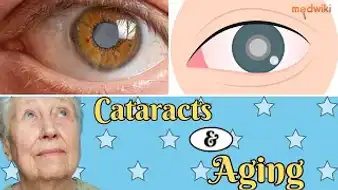
Do you know what cataracts are?They're a common vision problem that a lot of people experience as they get older. Basically, it happens because of changes in the proteins in your eye's lens that occur as a natural part of aging. Over time, these proteins can clump together, making cloudy areas in the lens that interfere with your vision.As we age, our body's ability to repair and maintain tissues decreases, and that includes the tissues in our eyes. This can make the lens more vulnerable to damage from things like free radicals, which can cause the proteins in the lens to become damaged and clump together. And there are other things that can increase your risk of developing cataracts, too, like exposure to ultraviolet light, smoking, and other environmental factors.How can one reduce the risk of developing cataracts?But the good news is that there are steps you can take to reduce your risk of developing cataracts. Eating a healthy diet, protecting your eyes from UV light, and avoiding smoking can all help to keep your eyes healthy and reduce the risk of cataracts.Disclaimer:- This information is intended to supplement, not substitute, advice from your healthcare provider or doctor. It does not cover all possible uses, precautions, interactions, or side effects, and may not be appropriate for your specific healthcare needs. Always consult with your doctor or another qualified healthcare provider before modifying or discontinuing any prescribed portion of your healthcare plan or treatment, in order to determine the best course of therapy for you. Do not ignore or delay professional medical advice based on anything you have seen or read on Medwiki.Find us at:https://www.instagram.com/medwiki_/?h...https://twitter.com/medwiki_inchttps://www.facebook.com/medwiki.co.in/
1:15
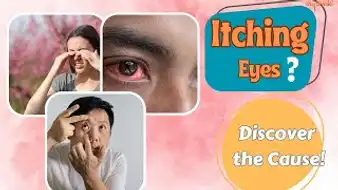
What are the primary causes of itching eyes, and how does each cause contribute to the symptoms, highlighting the role of allergens, dry eyes, and eye infections?Causes of Itching Eyes:Allergies:Triggered by contact with allergens.Immune response releases histamine.Histamine leads to itching, redness, and swelling.Common allergens: pollen, dust, pet dander, certain foods.Dry Eyes:Result from inadequate tear production or poor tear quality.Causes dryness, itching, and irritation.Increased susceptibility to infections.Common causes: aging, specific medications, medical conditions (e.g., diabetes, rheumatoid arthritis).Eye Infections:Bacterial and viral infections contribute to itching.Symptoms include redness, inflammation, and eye discharge.Prompt treatment essential to prevent contagion.Common infections: conjunctivitis (pink eye), styes.Disclaimer:- This information is intended to supplement, not substitute, advice from your healthcare provider or doctor. It does not cover all possible uses, precautions, interactions, or side effects, and may not be appropriate for your specific healthcare needs. Always consult with your doctor or another qualified healthcare provider before modifying or discontinuing any prescribed portion of your healthcare plan or treatment, in order to determine the best course of therapy for you. Do not ignore or delay professional medical advice based on anything you have seen or read on Medwiki.Find us at:https://www.instagram.com/medwiki_/?h...https://twitter.com/medwiki_inchttps://www.facebook.com/medwiki.co.in/
Shorts

Easy Solution for Burning Eyes!

DRx Ashwani Singh
Master in Pharmacy

5 best foods for eyes!

Dr. Beauty Gupta
Doctor of Pharmacy

Know Us
@2026 Medwiki Pvt Ltd. All Rights Reserved