


1:15
Practicing yoga at home can be a rewarding experience. Here are some tips to get started: 1. **Create a Dedicated Space**: - Find a quiet, comfortable area with enough room to move freely. - Use a yoga mat for comfort and stability. 2. **Set a Routine**: - Choose a time that works best for you, whether it's morning or evening. - Start with short sessions, gradually increasing the duration as you become more comfortable. 3. **Begin with Basic Poses**: - Focus on foundational poses like Mountain Pose, Downward Dog, and Child's Pose. - Use online resources or apps for guided sessions. 4. **Listen to Your Body**: - Pay attention to how your body feels and avoid pushing yourself too hard. - Modify poses as needed to suit your comfort level. 5. **Incorporate Breathing Exercises**: - Practice deep breathing to enhance relaxation and focus. 6. **Stay Consistent**: - Regular practice is key to experiencing the benefits of yoga. Remember, yoga is a personal journey, and it's important to go at your own pace. Enjoy the process and the peace it brings.
1:15
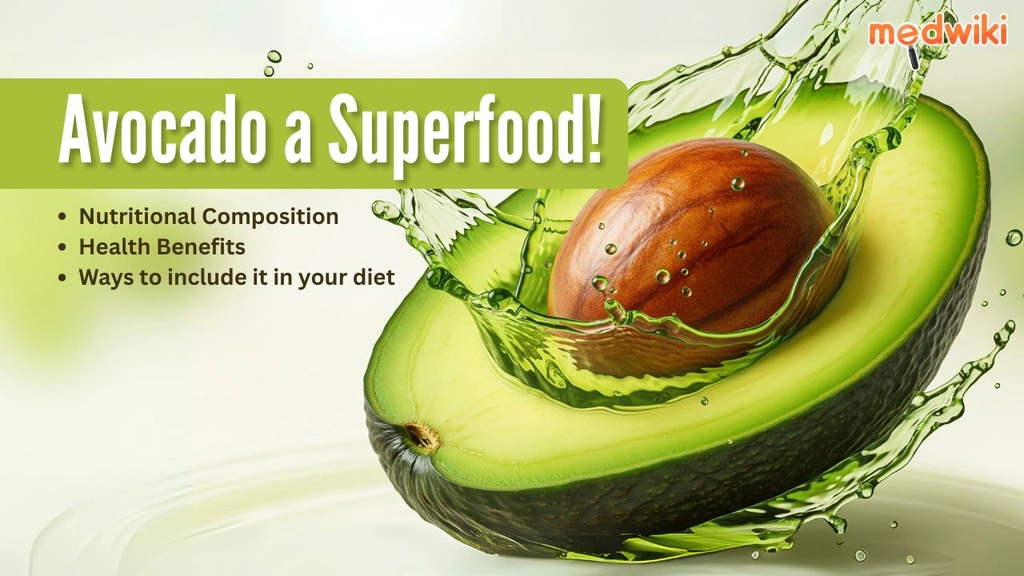
What are Avocados?Avocados are often known as"alligator pears" for their bumpy green skin. Technically, they are large berries with a single seed. They grow on thePersea americana tree, native to Mexico and Central America. Avocados have now become favourite to many. People are enjoying them in ways ranging from Avocado toast, blending them into smoothies, or guacamole.But, it is important to know that avocados are not just delicious but also loaded with nutrients which give multiple health benefits.Nutritional Composition of Avocados:Avocados are nutrient powerhouses. They are rich in healthy fats and low in carbohydrates. Let's discuss the nutrients Avocados are rich in:Healthy fats (67% monounsaturated)Fiber (mainly insoluble)Vitamin E, C, K, B6FolatePotassiumMagnesiumCarotenoids (Lutein, Zeaxanthin)A whole medium avocado contains about 240 calories, 13 grams carbohydrate, 3 grams protein, 22 grams fat (15 grams monounsaturated, 4 grams polyunsaturated, 3 grams saturated), 10 grams fiber, and 11 milligrams sodium. Along with their low sodium levels, avocados contain no cholesterol.Health Benefits of AvocadosAvocados contain several nutrients including carotenoids, monounsaturated fats, potassium and fiber that are directly associated with a reduced risk of chronic diseases, especially when included as part of a balanced diet. The nutritional profile of avocados also fits very well with healthful dietary patterns such as the Mediterranean and DASH diets.1. Heart HealthAvocados are healthy for heart health because they contain a kind of good fat calledoleic acid, the same type of fat found in olive oil. This fat can help lower the bad cholesterol (LDL) in your body..Like all plant foods, avocados don’t have any cholesterol. But they do have something calledphytosterols — natural plant compounds that look like cholesterol but aren’t absorbed well by the body. These phytosterols can actually block some cholesterol from being absorbed in your gut, which helps lower total and LDL cholesterol levels.Avocados are also packed withpotassium, a mineral that keeps your blood pressure in check. Potassium helps your muscles (including your heart) work properly and sends electrical signals that keep your heartbeat steady.2. Diabetes & Blood Sugar ControlAvocados give you a good amount of fiber and healthy fats. They don’t have much sugar or carbohydrates, and they’re made up mostly ofgood fats called monounsaturated fats.They also have a low glycemic index (around 40), which means they don’t cause a sudden spike in your blood sugar after eating. Foods with a low glycemic index (below 55) are better for people trying to control their blood sugar.Big research studies show that if you replace unhealthy fats (like those found in fried or processed foods) with healthy fats (like those in avocados), it can help your body use insulin better and lower your risk of getting type 2 diabetes.So overall, avocados can be a smart food choice to help prevent or manage type 2 diabetes.3. Eye HealthAvocados have natural plant compounds called carotenoids. Two types of these fast soluble carotenoidslutein andzeaxanthin are found in our eyes. These help protect the eyes from the sun’s harmful UV rays. Eating foods rich in these nutrients, like avocados, may lower the risk of common eye problems such asmacular degeneration andcataracts as you age.4.Healthy AgingProtecting Your DNA as You AgeAs we grow older, our body’s cells can get damaged, including our DNA, which plays a big role in aging. This damage can be caused by things like pollution, poor diet, or even radiation.Some natural compounds calledxanthophylls, found in foods likeavocados, may help protect our DNA from this damage. These nutrients act like antioxidants fighting off harmful molecules in our bodies.Osteoarthritis (Joint Problems)Osteoarthritis (OA) is a common problem where the cartilage in our joints wears down, causing pain and stiffness—especially in older or overweight people.This damage often happens because ofinflammation andoxidative stress (harmful molecules attacking the joints). But good news: studies have shown that eating foods rich inlutein andzeaxanthin (found in avocados) is linked to alower risk of joint damage.5. Skin HealthOur skin is often the first place where we see signs of aging—like wrinkles, dryness, or sagging. Research shows that eating avocados may help keep your skin healthy and glowing.Here’s how:Sun Protection: Our face is constantly exposed to sunlight (UV rays), which can cause damage. Avocados contain special nutrients likelutein andzeaxanthin that may help protect the skin from harmful rays.\More Elasticity: Eating healthy fats, like the ones in avocado, may keep your skinsmooth and elastic.Faster Healing: Some studies suggest that avocado can helpheal wounds faster and reduce skin damage from the sun.Easy Ways to include Avocado to your dietAvocados might not be liked by people because of its taste, but it can be used in several ways to make it taste better while being nutritious. Lets discuss of adding Avocados in your diet:Chop it up and add to your salads, soups, tacos, or rice dishes for extra taste and nutrition.Blend it into a smoothie to make it thicker, creamier, and healthier.Mash it and use it as a spread on sandwiches or crackers instead of butter or mayonnaise.Slice it and use it as a filling in rolls.Cut it in half, squeeze some lemon or lime juice on top, and eat it with a spoon as a quick and healthy snack.ConclusionAvocados are more than just a trendy food—they are a true superfood packed with essential nutrients that help in promoting health. From supporting heart and eye health to helping manage blood sugar levels and protecting your skin and joints as you age, avocados offer a wide range of benefits when included as part of a balanced diet.The creamy texture and mild flavor of Avocado also make them easy to add to various meals, whether in smoothies, salads, or spreads. By making avocados a regular part of your diet, you’re not just adding deliciousness to your plate, but also investing in your long-term health.
1:15
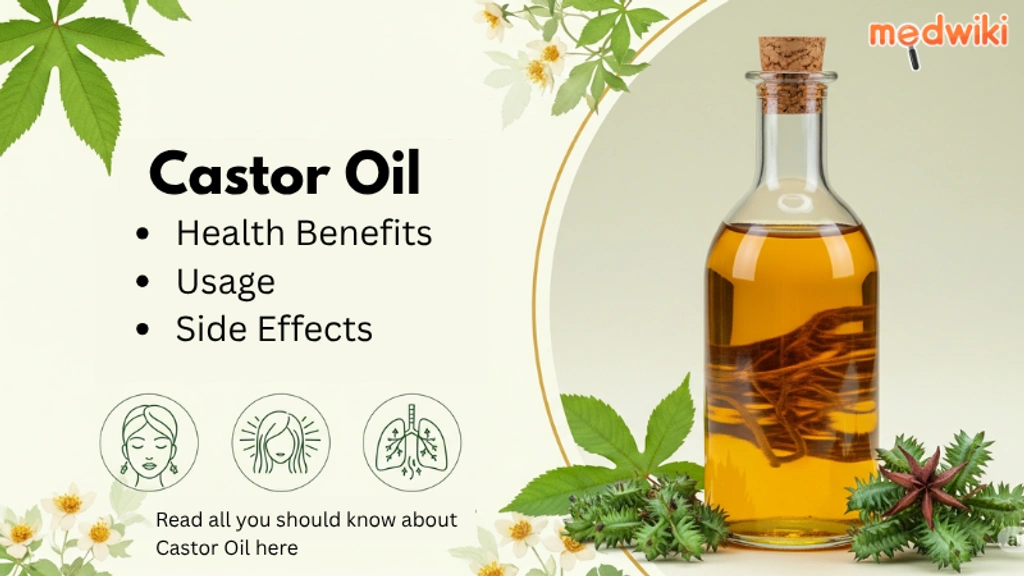
Castor oil has long been shown as a natural cure for all from relieving constipation to boosting hair growth and even inducing labor. While it was used during back centuries, not all of its supposed benefits are backed by modern science. In fact, some of its most popular applications can come with serious side effects if misused. In this article, we’ll take a closer look at castor oil’s real uses, myths, and risks — so you can make informed choices rather than just using Castor Oil uninformed.What Is Castor Oil?Castor oil is a dense, pale-yellow oil derived from the seeds of the castor plant (Ricinus communis). While it is commonly referred to as a vegetable oil, it is different from oils like olive or canola oil that we commonly use in our kitchen. Use of Castor oil is mostly seen in:Industrial products (e.g., lubricants, paints)Personal care products (e.g., soaps, moisturizers)Certain pharmaceuticalsAlthough food-grade castor oil is sometimes used in small amounts as a flavoring agent too, it's not considered an edible oil by most medical standards.Key Components of Castor OilCastor oil comprises of:* Ricinoleic Acid (\~90%)* Omega-6 and Omega-9 Fatty Acids* Vitamin E* Proteins and Essential MineralsCastor Oil: Know the Benefits, Myths & Side EffectsIs Castor Oil really beneficial in relieving Constipation, helpful in inducing labor during pregnancy, beauty secrets like Hair Growth and beautiful skin, improving eye sight and relieving from several pains? Let's talk about this in detail.Castor oil is a natural remedy with a long history, but not all of its popular uses are backed by science—or safe. While it is FDA-approved as a stimulant laxative, its harsh side effects like severe cramping, dehydration, and long-term digestive issues making it a poor choice for constipation relief today. Similarly, though it has been traditionally used to induce labor or promote hair growth, modern research shows these uses carry risks and little proven benefit. Applying castor oil to the skin or eyes can also lead to irritation or more serious reactions. Even practices like castor oil packs and detox claims lack scientific support. Though technically safe to consume in small medical doses, castor oil must be used with caution due to its strong effects and potential health risks—especially during pregnancy or in people with underlying conditions.Is Castor Oil beneficial in relieving Constipation?Castor oil is one of the few natural remedies that is actually FDA-approved for medical use — in this case, as a stimulant laxative. It works by triggering intestinal contractions through a component called ricinoleic acid.However castor oil has not really been recommended for constipation in decades. That’s because:It causes severe cramping and diarrheaIt can lead to dehydrationLong-term use may worsen constipation over timeSo, what are the better alternatives?Hydration - drink plenty of waterInclude dietary fiber in your dietInvolve yourself in more physical activityModern laxatives such as senna or polyethylene glycol are much safer and more effective options.Does Castor Oil Help Induce Labor During Pregnancy?Historically, castor oil has been used to stimulate labor in pregnant women. A 2018 study found that women who consumed castor oil were more likely to go into labor without complications. Still, that doesn't make it safe for everyone.Risks include:Nausea and vomitingDiarrheaRapid, intense contractionsPotentially reduced blood flow to the fetusIs Castor Oil recommended for fast hair growth?Many people apply castor oil to their scalp hoping for thicker, longer hair. While castor oil does show up as an ingredient in some hair products, that doesn’t mean applying the pure oil directly to your scalp boosts growth. There’s no clinical evidence for that.In fact, castor oil can sometimes do more harm than good:It can clog pores and lead to scalp acneIt may cause skin irritationRarely, it can also lead to a severe condition called acute hair felting, where hair becomes so matted.Is Castor Oil really good for our skin?Castor oil contains ricinoleic acid, a monounsaturated fatty acid that helps retain moisture. That’s why it’s found in some moisturizers and cosmetics.But using pure castor oil directly on your face or body is risky. It can cause:Allergic reactionsContact dermatitisSkin irritationCan using Castor Oil Improve Our Eyesight?Some online claims suggest castor oil can “brighten” the whites of your eyes or improve vision. But there’s zero scientific basis for any of this.In fact, putting castor oil in your eyes can cause:Burning and stingingBlurred visionRedness and irritationEven chemical burnsIn fact, if you're experiencing dryness, irritation, or other eye issues, don’t experiment with home remedies. See an optometrist or ophthalmologist for safe, effective treatment options.Are Castor Oil Packs safe for relieving certain pains and detox?One of the most persistent trends involves soaking a cloth in castor oil and placing it on your abdomen (sometimes with heat) — known as a castor oil pack to:Detox your bodyImprove digestionRelieve menstrual crampsShrink tumors“There is absolutely no scientific proof that these practices have any benefits.There’s no such thing as a one-size-fits-all “detox.” Your liver and kidneys already do that job..What are the common Side Effects caused by Castor Oil?While castor oil is natural, it’s not risk-free. One must learn about these side effects before attempting to use castor oil.During pregnancy: It may stimulate uterine contractions—avoid unless directed by a doctor.Allergic Reactions: Some people may experience skin irritation or rashes.Ingestion Overdose:Can cause cramping, diarrhea, nausea, bloating and dehydration.Ricin Toxin: This poisonous compound is found in raw castor beans butnot in commercially prepared oils. So, do not attempt to make it at home.If you have any underlying health issues (like GI disorders, pregnancy, or are on certain medications), castor oil can also worsen your condition.Conclusion:While castor oil has been used historically in some medical and cosmetic contexts, most of the claims you see online are either outdated, unsupported, or downright dangerous.There are safer, more effective, and science-backed alternatives for everything castor oil claims to fix — from constipation to skin care to hair health. There’s absolutely no need to use castor oil for anything related to your health and wellness.Before trying a viral remedy, do your homework — and when in doubt, ask a licensed professional, not an influencer.

1:15
Is Mayonnaise Harmful for Your Health?Mayonnaise is a popular food item used in sandwiches, burgers, and salads. Kids and adults both enjoy it, especially with fast food. But do you know that eating mayonnaise — especially the one made with raw eggs — can be harmful to your health?Still have questions about Mayonnaise? Gettrustworthy answers from verified sources onAsk Medwiki.Why Is Raw Egg Mayonnaise Risky?Recently, the Tamil Nadu Government banned mayonnaise made from raw eggs. The reason is Salmonella bacteria, which can grow in raw eggs and lead to food poisoning.Possible Health Problems:FeverVomitingDiarrheaStomach painIn serious cases, it may even require hospitalization.Storage and Hygiene MatterEven eggless mayonnaise can be unsafe if:It's not stored in a refrigeratorIt's kept in unhygienic conditions (like street stalls or fast food shops)Poor hygiene increases the risk of bacterial contamination.Mayonnaise is high in saturated fat and calories, which can lead to:ObesityHigh cholesterolHeart diseaseEating mayo regularly is not good for your heart and weight.What Can You Do?Avoid raw egg mayoChoose eggless or pasteurized mayoBuy from trusted brandsAlways store in the fridgeConclusionThe government ban on raw egg mayonnaise is a step to protect public health. Stay informed, and choose safer, healthier food options for yourself and your family.Read Also:-https://medwiki.co.in/post/summer-benefits-of-muskmelon-enSource:- https://pmc.ncbi.nlm.nih.gov/articles/PMC6694423/

1:15
Common Summer Problems and How to Solve ThemSummer is full of fun — but it also brings some really annoying issues like itchiness, dryness in skin and hair, and muscle cramps.Here are some super easy and helpful tips that will quickly solve these common summer problems and let you enjoy the season to the fullest!1. Dry and Dull SkinWhen you come home all sweaty or step out after a swim, your skin often feels dry, tight, and sometimes even burning. That’s because chlorine, salt water, and the sun’s rays pull out moisture from your skin.How to fix it:Eat fruits rich in vitamin C and antioxidants like strawberries, blueberries, and raspberries.Include enough protein in your diet through lean meats, nuts, seeds, and beans.Drink lots of water to keep your skin moisturized, glowing, and healthy.2. Yeast InfectionsStaying in wet clothes after swimming can lead to yeast infections. The moisture combined with body heat creates a perfect environment for yeast to grow.Prevention tips:Always change out of wet clothes immediately after swimming or sweating.Cut down on sugary foods, as sugar feeds yeast growth.3. Hair DamageIn summer, the sun, chlorine, and salt water together steal protein from your hair. Hair’s main protein is keratin, and its depletion makes hair weak and lifeless.Hair care tips:Eat spinach, nuts, pumpkin seeds, mushrooms, and eggs.Include foods rich in Vitamin B-5, B-8, and zinc to bring back your hair’s shine and strength.4. Muscle CrampsOutdoor activities like cricket, football, or cycling during summer lead to water loss from the body, resulting in painful muscle cramps.How to prevent cramps:Stay hydrated with ORS, coconut water, and lemon water.Eat potassium-rich foods like bananas, potatoes, and raisins.5. Cold SoresThe harsh summer sun can trigger cold sores in some people, causing burning, itching, and sores around the lips.Prevention and care:Eat foods rich in L-lysine amino acid, B vitamins, and fortified cereals.Include bread, multigrain cereals, and leafy greens in your diet to help heal cold sores faster.Final ThoughtsWith just a little care in summer, you can keep your skin, hair, and overall health in perfect shape. Include these simple tips in your daily routine and feel fresh, fit, and glowing every single day.Read Also:- https://medwiki.co.in/post/cucumber-benefits-enSource:- https://www.webmd.com/diet/features/summertime-nutrition-tips

1:15
My color is green and fresh, and I am always full of juice! Inside, I am red and sweet, and after quenching your thirst, I check how you are doing! So, tell me, who am I?If you don’t know the answer to this riddle, let me tell you.We are talking about watermelon, which is sweet and full of juice.Now without wasting time, let’s understand how watermelon benefits our body in the summer season.Watermelon Helps Keep the Body HydratedIn summer, because of dehydration, problems like tiredness, muscle cramps, and headaches start happening.But watermelon contains about 92% water, which saves the body from dehydration! Not only that, watermelon has electrolytes like potassium and magnesium, which help maintain the water balance in the body.When you eat watermelon, your body gets energy back and your thirst goes away. The water, minerals, and natural sugar in watermelon together help the body recover faster.That’s why eating watermelon in summer is always advised so the body stays fresh and cool.Watermelon Helps Maintain a Healthy WeightIf you want to lose weight or maintain a healthy weight, watermelon is a great option for you.The reason is:It has very few calories, so eating it does not increase weight.Watermelon also contains a small amount of fiber, which keeps you full for longer.It has essential nutrients like vitamin A, vitamin C, and potassium which help keep your metabolism steady.Watermelon Protects from DiseasesEating watermelon can reduce the risk of many diseases. The reason is the antioxidants in it, like lycopene and vitamin C.Watermelon contains the highest amount of lycopene — even more than tomatoes!Lycopene protects the body’s cells from damage and reduces inflammation.It also has an amino acid called citrulline, which makes nitric oxide in the body. This keeps blood vessels relaxed and helps control blood pressure.That’s why eating watermelon can lower the risk of heart disease, diabetes, obesity, and cancer.Watermelon is Good for Eye HealthWatermelon contains nutrients that improve eye health.The vitamin A in it keeps the cornea of the eye healthy.It has antioxidants that can stop cataracts from forming.Watermelon can also reduce the risk of macular degeneration that comes with age.So, if you want to keep your eyes healthy for a long time, eating watermelon in summer is a good option.Watermelon Boosts the Immune SystemWatermelon has a good amount of vitamin C (ascorbic acid). It strengthens the body’s immune system, which helps fight diseases.Vitamin C helps fight infections and bacteria.It also helps heal wounds and repair body cells faster.Along with this, potassium and vitamin B6 in watermelon also help improve the immune system.So if you want to avoid illnesses, eat watermelon every day in summer.Now Let’s See — Can Eating Watermelon Ever Be Harmful?Generally, eating watermelon is safe, but some people may face problems.If you have migraines, an amino acid called tyramine in watermelon can trigger it.People who are allergic to grass or ragweed pollen may have breathing problems or swelling after eating watermelon.People with diabetes should also eat watermelon in limited amounts because it contains natural sugars.People with IBS (Irritable Bowel Syndrome) or digestion issues may get gas, constipation, or diarrhea after eating it.Read Also: https://medwiki.co.in/post/cucumber-benefits-enSource:-1. https://pmc.ncbi.nlm.nih.gov/articles/PMC9692283/ 2. https://pmc.ncbi.nlm.nih.gov/articles/PMC9318495/

1:15
Back pain is one of the most common problems that affect people of all ages. Whether it comes from long hours of sitting, lifting something heavy, or simply sleeping in the wrong position, back pain can make daily life difficult. Instead of immediately taking painkillers, there are manyhome remedies for back pain that can bring natural relief without side effects.These remedies are easy, safe, and can be followed right at home. They can help reduce pain, improve flexibility, and strengthen your back over time. Let’s look at some of the most trusted and effectivehome remedies for back pain for both men and women.Home remedies for back pain: Follow these easy steps at home:1. Hot and Cold CompressesOne of the easiest and most effectivehome remedies for back pain is the use of hot and cold compresses. Both methods help in different stages of pain.Cold Compress:When back pain is recent or caused by strain or injury, applying a cold compress wrapped in a clean cloth can help reduce swelling and numb the affected area. Ice therapy works best in the first 48 hours after pain starts.Hot Compress:For chronic stiffness, sore muscles, or pain that has lasted several days, heat therapy helps improve blood flow. A warm bath, a heating pad, or a hot water bottle placed on the lower back can relax tight muscles and ease tension.Using both methods alternately starting with cold and then switching to warm can also be effective for long-term pain relief.2. Stay Active and Keep MovingMany people believe that complete bed rest helps with back pain, but the truth is the opposite. Resting too long can weaken your muscles and make pain worse. Gentle physical activity is actually one of the besthome remedies for back pain.Try light walking, stretching, or yoga poses designed for back relaxation. Activities such as swimming or brisk walking can also strengthen back muscles without adding pressure. The key is to stay active without doing movements that cause pain. Movement increases flexibility and improves blood circulation, which helps the back heal faster.3. Stretching Exercises for Back StrengthRegular stretching is another important part ofhome remedies for lower back pain. Certain exercises can loosen tight muscles and improve your posture.Simple stretches like these can be done daily:Knee-to-chest stretch: Lie on your back and gently pull one knee toward your chest. Hold for a few seconds, then switch sides.Cat-cow stretch: Get on your hands and knees, arch your back upward, then lower it toward the floor slowly. This exercise improves flexibility in your spine.Pelvic tilt: Lie flat, bend your knees, and push your lower back gently into the floor while tightening your stomach muscles.Doing these exercises regularly can prevent recurring pain and make your back muscles stronger.4. Maintain the Right PostureGood posture plays a major role in preventing back pain. Poor posture can strain your spine, especially during long sitting hours. If you work at a desk, make sure your chair provides enough support to your lower back. Keep your shoulders relaxed and avoid leaning forward.When standing, balance your weight evenly on both feet. Avoid slouching and try to engage your core muscles when walking or lifting something. Over time, correcting posture is one of the most effective long-termhome remedies for back pain.5. Massage Therapy at HomeA gentle massage can do wonders for a tired or sore back. Using coconut oil, mustard oil, or eucalyptus oil, you can massage the lower or upper back for 10–15 minutes. This improves blood flow and reduces stiffness.For people looking forhome remedies for upper back pain, gentle shoulder and neck massages can help relieve tension caused by sitting or stress. Regular massage can also improve sleep quality and muscle relaxation.6. Herbal Oils and Natural IngredientsNatural ingredients found at home can also offer relief. For instance:Ginger: Has anti-inflammatory properties that may reduce swelling and pain. Ginger tea or applying warm ginger paste can be soothing.Turmeric: The curcumin in turmeric acts as a natural pain reliever. Drinking turmeric milk once a day can help.Eucalyptus oil: Its cooling effect can calm back muscles when massaged gently.These naturalhome remedies for lower back pain in females are especially helpful, as hormonal changes and muscle strain during menstruation can worsen back discomfort.7. Improve Sleep Position and Mattress QualitySleeping in the wrong position can add unnecessary strain to your back. Always sleep on a firm mattress that supports your spine’s natural curve. Avoid sleeping on your stomach, as it can twist your neck and back.Try sleeping on your side with a pillow between your knees or on your back with a small cushion under your knees. Correcting your sleeping position is one of the simplesthome remedies for back pain that many people overlook.8. Stay Hydrated and Maintain a Healthy WeightDehydration can affect spinal discs, which need water to stay cushioned and flexible. Drinking enough water daily keeps your spine healthy.Also, carrying excess weight adds extra pressure on the spine, especially the lower back. Maintaining a healthy body weight through a balanced diet and regular exercise can prevent frequent pain episodes.How to Ease Back Pain in Old Age and Stay ActiveAs we age, bone density decreases and muscles become weaker. This makes older adults more prone to back pain. Some effectivehome remedies for back pain in old age include:Gentle morning stretches to keep the spine flexible.Using a hot water bag before sleeping to relax muscles.Avoiding prolonged sitting or standing.Including calcium and vitamin D in the diet to strengthen bones.Older adults should always move slowly, use proper support while walking, and avoid lifting heavy objects to prevent strain.When to See a Doctor For Back PainWhilehome remedies for back pain can help most mild to moderate cases, it is important to see a doctor if:The pain lasts more than two weeks.You feel numbness or tingling in your legs.Pain occurs after an injury or fall.You experience difficulty walking or standing.A medical professional can rule out conditions like herniated discs, arthritis, or nerve compression.ConclusionBack pain can be frustrating, but the good news is that it can often be managed with simple lifestyle changes and natural care. Thesehome remedies for back pain can help strengthen your back, improve flexibility, and reduce discomfort.Whether it’s applying a warm compress, maintaining posture, or staying active, small consistent steps can lead to big improvements. However, if pain becomes severe or affects daily life, always seek professional medical help.A healthy spine supports not just your body, but your overall confidence and well-being.FAQs1. What is good for back pain home remedies?Applying hot and cold compresses, doing gentle stretches, and maintaining good posture are some of the besthome remedies for back pain that bring quick relief.2. What to do for lower back pain home remedies?For lower back pain, try hot compresses, pelvic tilts, light yoga, and massage with warm oil. These are provenhome remedies for lower back pain.3. Which home remedy is best for instant back pain relief?For quick relief, try alternating between a cold and warm compress. Cold packs reduce swelling, while heat therapy relaxes tight muscles as it’s a powerful combination for fast comfort.4. How can females relieve lower back pain naturally?The besthome remedies for lower back pain in females include light yoga, hot compress during menstrual pain, and regular stretching for back muscles.5. What are the best home remedies for upper back pain?For upper back discomfort, gentle shoulder exercises, warm showers, and neck massages are goodhome remedies for upper back pain that release tension.6. Are there any home remedies for back pain in old age?Yes, for older adults, daily stretching, a warm compress before bed, and calcium-rich foods are effectivehome remedies for back pain in old age.7. When should I visit a doctor for back pain?If your pain doesn’t improve after two weeks of usinghome remedies for back pain, or if it is accompanied by numbness or weakness, consult a doctor immediately.

1:15
5 amazing benefits of cucumber!1. Cucumber keeps the body hydratedIn summer, we sweat a lot, which can cause a lack of water in the body. But cucumber contains a high amount of water that fulfills the body’s water needs during hot days. It also has minerals like magnesium and potassium that help maintain hydration in the body. Proper hydration keeps blood pressure in control, which is very important during summer. That’s why eating cucumber makes you feel fresh and energetic!2. Cucumber helps in weight lossIn summer, it’s best to eat light and refreshing food, and cucumber is a perfect option for that. It has very few calories but still makes you feel full. It contains a soluble fiber called pectin, which keeps you full for a longer time. Not just that, cucumber also contains special antioxidants like cucurbitacin, which help in fat metabolism. Plus, it has no sugar or unhealthy fat. So, if you want to lose weight, make sure to eat cucumber.3. Cucumber helps control blood sugar levelsCucumber contains compounds that slow down sugar absorption. It is rich in fiber, which helps keep sugar levels stable. Besides this, the antioxidants in cucumber support the pancreas, which produces insulin. Cucumber also has a low glycemic index, so it does not spike blood sugar. It contains vitamin K, which improves insulin sensitivity. So, even people with diabetes can safely eat cucumber.4. Cucumber gives relief from fatigue and weaknessIn summer, dehydration often causes a lot of tiredness. But cucumber contains water and essential minerals like magnesium and potassium. These minerals help maintain the body’s energy levels. Cucumber also has vitamin B, which reduces fatigue. When the body gets proper hydration and minerals, you feel energetic. So if you get tired quickly in summer, be sure to eat cucumber.5. Cucumber is good for the eyesThe harsh sunlight in summer can harm the eyes. Cucumber not only cools the eyes but also contains antioxidants called lutein and zeaxanthin. These compounds help maintain good eyesight and give relief from dry eyes. So, whenever your eyes feel irritated, eat cucumber or place cucumber slices on your eyes. It will keep your eyes cool and healthy.So, make sure to eat cucumber this summer.Still have questions about cucumber? Get trustworthy answers from verified sources on Ask Medwiki.Read Also:- Avocados: Nutrition, Health Benefits and Much More!Source:-1. https://pubmed.ncbi.nlm.nih.gov/23098877/ 2. https://www.webmd.com/food-recipes/cucumber-health-benefits
Shorts
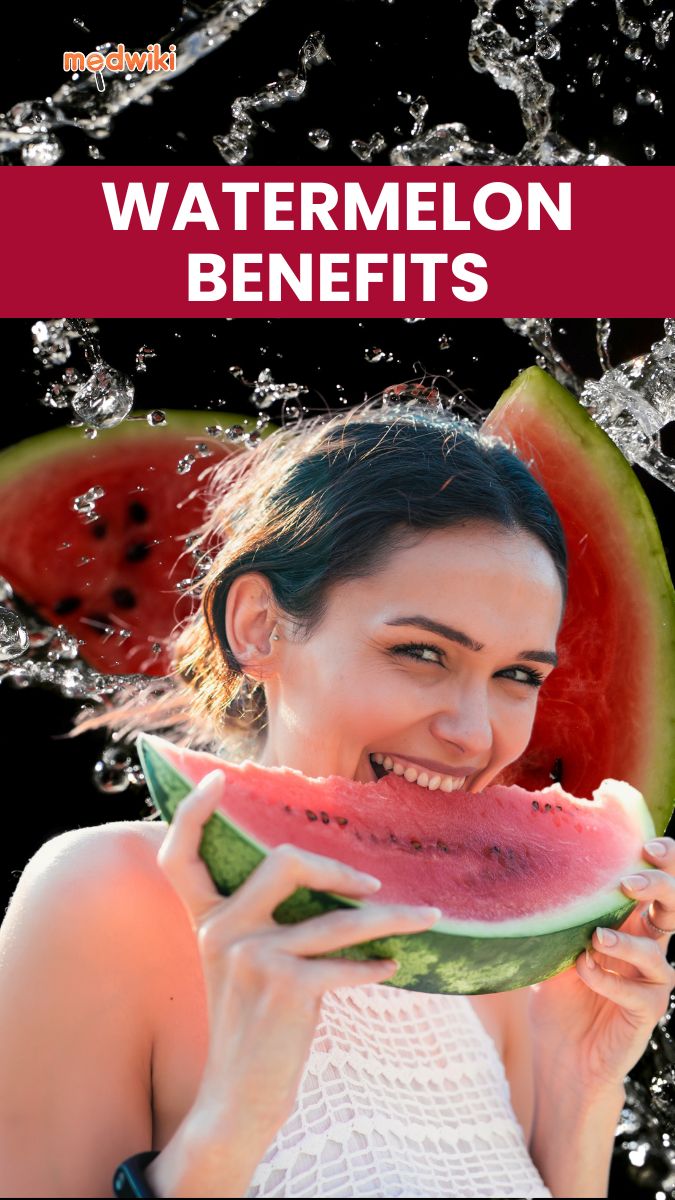
Watermelon Benefits! Stay Hydrated and Healthy in Summer!

Mrs. Prerna Trivedi
Nutritionist

How Can Bael Fruit Keep You Cool And Healthy This Summer?

Drx. Salony Priya
MBA (Pharmaceutical Management)

Can brushing after meals cause damage?
Mrs. Prerna Trivedi
Nutritionist

6 Simple Ways to Get Rid of Bad Breath Naturally!
Mrs. Prerna Trivedi
Nutritionist

Know Us
@2026 Medwiki Pvt Ltd. All Rights Reserved