


1:15
Many women wonder why they have nipple discharge even if they are not pressing or touching it. Is it really a sign of breast cancer or is it normal?Nipple discharge is commonly seen in pregnant women or breastfeeding mothers. It is a liquid that comes out from single or both nipples.Nipple discharge can be of different colors ranging from clear, green, yellow, pink and sometimes red.These discharges may occur due hormonal changes during pregnancy or breastfeeding and menstruation.It is completely normal if yellow, green or white discharge comes out from both nipples, only on squeezing or pressing.But, the discharge may indicate some issues in the breast if :1. If it is clear or reddish or brown in color.2. It is associated with breast lumps and pain.3. It comes out from just one nipple without squeezing or pressing.Still, it doesn't clearly indicate breast cancer, because nipple discharge is rarely a sign of breast cancer.Source:-Barry M. Nipple Discharge. In: Walker HK, Hall WD, Hurst JW, editors. Clinical Methods: The History, Physical, and Laboratory Examinations. 3rd edition. Boston: Butterworths; 1990. Chapter 175. Available from: https://www.ncbi.nlm.nih.gov/books/NBK284/

1:15
What is Primolut-N?Primolut-N tablet contains norethisterone, which belongs to group of medicines called progestogens, basically female hormones. It is used to treat various menstrual problems like premenstrual syndrome (PMS), painful, heavy, or irregular periods and a condition called endometriosis, a uterus related disease. This is also used to alter the timing of menstruation/ periods.Dosage:Primolut N tablets (1 tablet = 5 mg Norethisterons) are to be swallowed orally with a sufficient quantity of water, to avoid stomach irritation. The dosage varies as per the condition and as instructed by the doctor. If one forgets a dose, they should take it as soon as they remember. Next scheduled tablets to be continued at their usual time. Do not take a double dose to make up for a forgotten dose.In case of missed periods:The recommended dosage is 1 tablet of Primolut N - two to three times daily from 3 days before expected periods. Continue for 10 to 14 days. 2-3 days after the completion of the prescribed dosage, bleeding will start with the intensity and duration of normal menstrual.It is recommended to consult your doctor before starting any medications.Source:-https://ijanm.com/HTMLPaper.aspx?Journal=International Journal of Advances in Nursing Management; PID=2021-9-3-25Disclaimer:-This information is not a substitute for medical advice. Consult your healthcare provider before making any changes to your treatment. Do not ignore or delay professional medical advice based on anything you have seen or read on Medwiki.Find us at:https://www.instagram.com/medwiki_/?h...https://twitter.com/medwiki_inchttps://www.facebook.com/medwiki.co.in/

1:15
Thyroid affects about 12% of people in their lifetime. Meanwhile, females are more prone to get thyroid issues by 8% from males, which means every 1 in 8 females is affected by thyroid issues.What is thyroid?Thyroid is a gland that produces 3 main hormones responsible for normal growth and metabolism known as :T3 or (triiodothyronine)T4 or (thyroxine)CalcitoninHow do thyroids cause problems in women?1. Decrease or increase in thyroid level can cause early or delay in puberty and first menstruation. Hypothyroidism or hyperthyroidism can lead to irregular periods causing light or heavy flow during periods.2. Thyroid disorders can also stop ovulation, a process where eggs are formed and released from the ovaries.In case of severe hypothyroidism, females can develop ovarian cysts and increase in prolactin hormone levels causing formation of breast milk to prevent ovulation.Thyroid problems during pregnancy can lead to ongoing thyroid issues in mom even after the birth of a baby.Hypothyroidism during pregnancy can lead to miscarriage, premature birth, pre- eclampsia, stillbirth and bleeding after delivery.While hyperthyroidism during pregnancy can cause severe morning sickness, miscarriage, stillbirth and heart failure in both mother and the baby.1. Thyroid problems can also cause menopause earlier during the early 40s.2. Hyperthyroidism can lead to a decreased level of calcium in the bones, making them more prone to break. This condition is known as osteoporosis.3. Also, thyroid disorders can lead to depression, fatigue, increased weight and loss of sexual desires.Source:-Thyroid Disorders in Women. (n.d.). Thyroid Disorders in Women. Retrieved May 31, 2024, from https://www.hopkinsmedicine.org/health/conditions-and-diseases/thyroid-disorders-in-womenDisclaimer:-This information is not a substitute for medical advice. Consult your healthcare provider before making any changes to your treatment. Do not ignore or delay professional medical advice based on anything you have seen or read on Medwiki.Find us at:https://www.instagram.com/medwiki_/?h…https://twitter.com/medwiki_inchttps://www.facebook.com/medwiki.co.in/

1:15
The basic treatment for pcod is the symptomatic treatment i.e curing the symptoms first and expecting the pcod to cure on its own. The other way of treatment is giving hormonal medications.This is the most commonly followed way especially in the allopathic system of medicine.But in general, PCOD is the disease which can be cured on its own without any medication just by changing the lifestyle.General TreatmentHealthy lifestyleExercise - DietAvoid smoking and drinkingAvoid stressPositive environmentActive bodyYogaDIET:If we talk about diet , then the females must have the following things regularly in their meals.CurdGreens- spinach, cauliflowerNuts- almonds, cashews, pistachio, fox seedsFishEggsSeeds- chia, sunflower, hemp, pumpkinSalads- carrot, beetrootCoconut waterPrecautions:Avoid having periods delaying medicinesEmergency contraceptive pillsAbortion pillsHormonal pillsObesityPCOD is a very common disorder. Only few changes over a period of time can help in curing this problem from roots. Medications are not so necessary or important if you are suffering from PCOD. One can combat this disease by little excercise and diet. But consistentancy is required.Disclaimer:-This information is not a substitute for medical advice. Consult your healthcare provider before making any changes to your treatment.Do not ignore or delay professional medical advice based on anything you have seen or read on Medwiki.Find us at:https://www.instagram.com/medwiki_/?h…https://twitter.com/medwiki_inchttps://www.facebook.com/medwiki.co.in
1:15
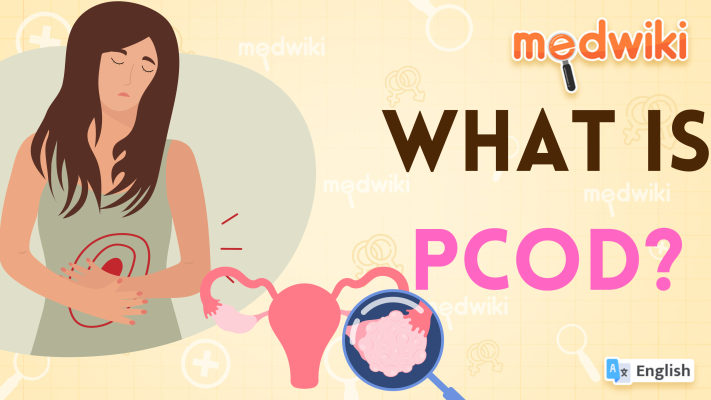
PCOD (Polycystic Ovarian Disease):Condition where ovaries are enlarged with small cysts on their outer edges.Causes:ObesityHormonal imbalancesSedentary lifestyleUnhealthy eating habitsLack of exerciseStressEnvironmental factorsGenetic predispositionHormonal or contraceptive pillsSymptoms:Irregular periodsPainful periodsWeight gainLight periodsExcessive facial hairAbsence of periodsHeavy periods with large clotsDark menstrual flowLow estrogen levelsReduced sexual desireNote :- It's important to note that while some may have noticeable symptoms, others may not show specific signs. Lifestyle changes can sometimes help resolve PCOD naturally.

1:15
There are natural ways you can try to delay or postpone it:-1.Apple Cider Vinegar: Drink 10-15 ml of apple cider vinegar mixed with water at least 8-10 days before your expected period date. Its high acidic content can help delay your period, making it one of the best natural remedies.2.Lemon Juice and Vitamin C: Drinking lemon juice or consuming foods rich in vitamin C at least 5-7 days before your period date may also help delay menstruation.3.Powdered Gram Lentils: Add powdered gram lentils, which are high in fiber, to your daily soup and start consuming it at least 10 days before your expected period date.4.Gelatin Powder: A popular Chinese technique involves drinking gelatin powder mixed with water at least 5-7 days before your period date. This method can potentially postpone your period from hours to a week.5.Herbal Drinks: Consider drinking various herbal teas such as cinnamon tea, parsley with milk, or incorporating turmeric into your tea or milk and foods. These herbal remedies may help in delaying your period.Source:- 1. Wu, D., Kimura, F., Takashima, A., Shimizu, Y., Takebayashi, A., Kita, N., ... & Murakami, T. (2013). Intake of vinegar beverage is associated with restoration of ovulatory function in women with polycystic ovary syndrome. The Tohoku Journal of Experimental Medicine, 230(1), 17-23.Source:-2. Mirabi, P., Alamolhoda, S. H., Yazdkhasti, M., & Mojab, F. (2018). The Effects of Lemon balm on Menstrual Bleeding and the Systemic Manifestation of Dysmenorrhea. Iranian journal of pharmaceutical research : IJPR, 17(Suppl2), 214–223.Disclaimer:-This information is not a substitute for medical advice. Consult your healthcare provider before making any changes to your treatment. Do not ignore or delay professional medical advice based on anything you have seen or read on Medwiki.Find us at:https://www.instagram.com/medwiki_/?h..https://twitter.com/medwiki_inchttps://www.facebook.com/medwiki.co.in/

1:15
Are you frustrated with irregular periods?These home remedies are effective and easy to add to your diet:Ginger:Gingerol in ginger helps reduce inflammation, promotes hormonal balance, and supports uterine muscle contractions.How to Use: Drink a cup of hot ginger tea with lemon juice and honey on an empty stomach in the morning or evening to boost metabolism.Unripe Papaya:Benefits: Unripe papaya can help regulate irregular menstrual cycles by stimulating uterine contractions and promoting period flow.How to Use: Drink unripe papaya juice regularly for a few months to see improvements.Pumpkin Seeds:Nutritional Value: Rich in zinc, protein, and fiber, which are essential for hormonal balance and regulating periods.How to Use: Incorporate pumpkin seeds into your diet to support menstrual health.SourceJames W. Daily, Xin Zhang, Da Sol Kim, Sunmin Park, Efficacy of Ginger for Alleviating the Symptoms of Primary Dysmenorrhea: A Systematic Review and Meta-analysis of Randomized Clinical Trials, Pain Medicine, Volume 16, Issue 12, December 2015, Pages 2243–2255, https://doi.org/10.1111/pme.12853

1:15
A healthy pelvic floor is crucial for well-being. Whether you're young or old, male or female, taking care of your pelvic floor muscles should be a part of your daily routine. Some of the best ways to keep your pelvic floor strong and healthy are:- Kegel exercises: To perform Kegel exercises, contract and hold the muscles of the pelvic floor for a few seconds, then release and relax them for a few seconds. Repeat this cycle for 10-15 repetitions, 3-4 times a day.- Maintaining a healthy weight: Being overweight can weaken the pelvic floor muscles over time. This is because the muscles that support the bladder, bowel, and uterus are strained, which can lead to problems like urinary incontinence and pelvic organ prolapse. Extra weight can weaken back and hip muscles, causing pain and discomfort.- Avoiding constipation: Straining during bowel movements can weaken the pelvic floor muscles and put pressure on the organs they support. This can lead to problems like urinary incontinence and pelvic prolapse. To prevent this, eat a high-fiber diet and drink plenty of water.- Practicing good posture: Poor posture can strain the pelvic floor muscles by tilting the pelvis and changing the angle of the bladder, bowel, and uterus, which can then put extra pressure on the muscles that support them, including the pelvic floor muscles.By incorporating these simple steps into your daily routine, you can maintain a strong and healthy pelvic floor, no matter your age or gender.Source:- https://www.thewomanscenter.com/blog/5-ways-to-strengthen-your-pelvic-floorDisclaimer:- This information is intended to supplement, not substitute, advice from your healthcare provider or doctor. It does not cover all possible uses, precautions, interactions, or side effects, and may not be appropriate for your specific healthcare needs. Always consult with your doctor or another qualified healthcare provider before modifying or discontinuing any prescribed portion of your healthcare plan or treatment, in order to determine the best course of therapy for you. Do not ignore or delay professional medical advice based on anything you have seen or read on Medwiki.Find us at: https://www.instagram.com/medwiki_/?h...https://medwiki.co.in/https://twitter.com/medwiki_inchttps://www.facebook.com/medwiki.co.in/
Shorts
How to Do Breast Cancer Self-Examination at Home?

Mrs. Prerna Trivedi
Nutritionist

Breast Cancer: Few Symptoms to know!
Mrs. Prerna Trivedi
Nutritionist
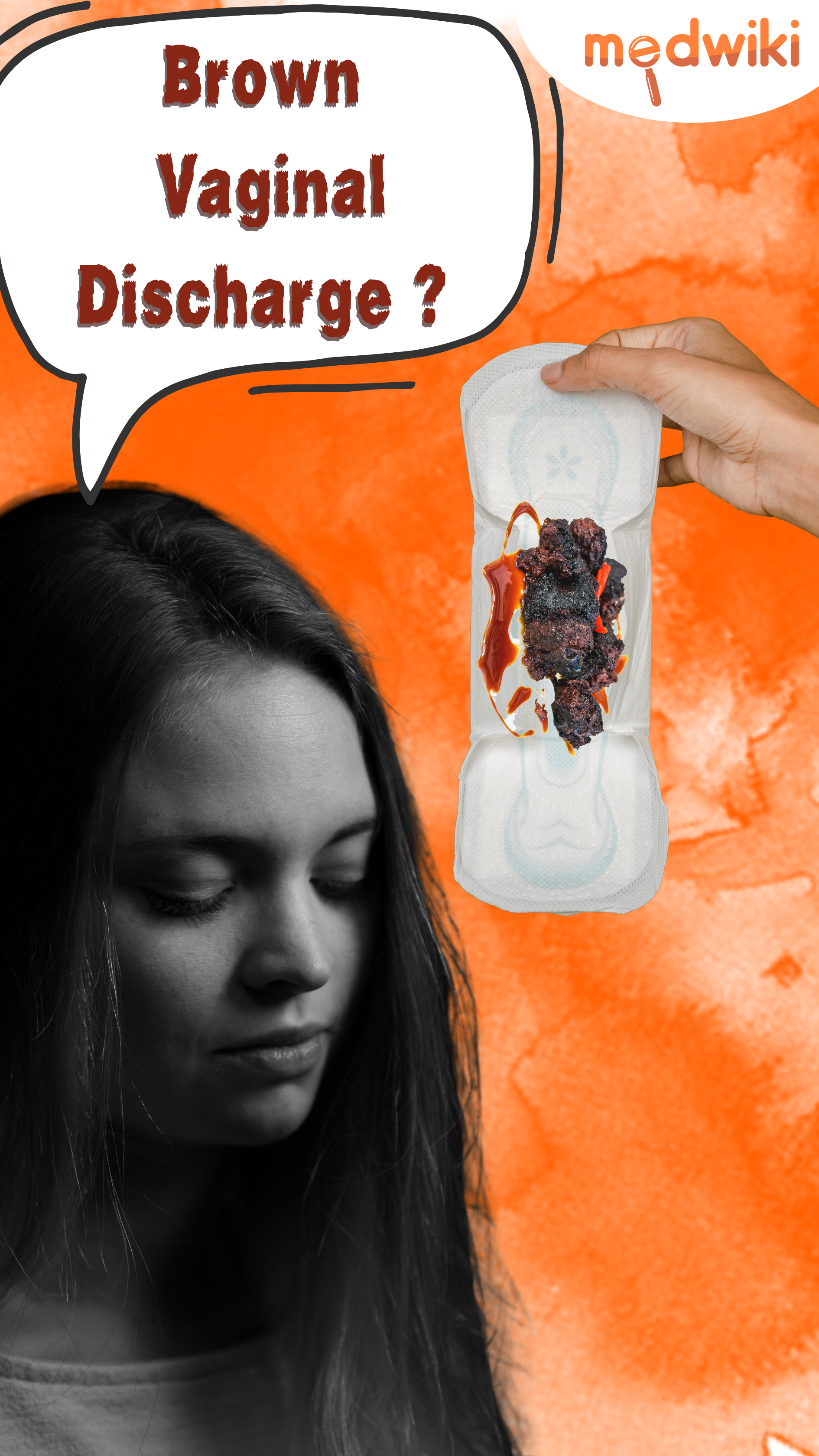
Dark Brown Vaginal Discharge?

Dr. Beauty Gupta
Doctor of Pharmacy

Yoga Asanas for Managing PCOD/PCOS!
Dr. Beauty Gupta
Doctor of Pharmacy

Know Us
@2026 Medwiki Pvt Ltd. All Rights Reserved