


1:15
Yes, while sunlight helps your body produce vitamin D, too much sun exposure can increase the risk of skin damage and skin cancer. It's important to balance sun exposure with protective measures like sunscreen and clothing to minimize these risks.
1:15
To reduce the risk of kidney stones, it's important to stay well-hydrated by drinking plenty of water throughout the day. A balanced diet low in salt and rich in fruits and vegetables can also help. Limiting foods high in oxalates, like spinach and nuts, and moderating protein intake can further decrease risk. Regular physical activity supports overall kidney health.
1:15
There are several safe alternatives to alcohol for relaxation. Consider trying herbal teas like chamomile or lavender, which are known for their calming effects. Engaging in activities such as yoga, meditation, or deep-breathing exercises can also help reduce stress and promote relaxation naturally.
1:15
Stretching regularly can help prevent muscle soreness and improve flexibility. Aim to stretch major muscle groups at least 2-3 times a week, holding each stretch for about 15-30 seconds. Incorporating stretching into your warm-up and cool-down routines can also be beneficial.
1:15
Alcohol can disrupt the normal sleep cycle, particularly affecting REM (Rapid Eye Movement) sleep, which is crucial for memory and mood regulation. While it might help you fall asleep faster, alcohol reduces the amount of REM sleep, leading to a less restful night and potential sleep disturbances.
1:15
To help prevent kidney stones, it's wise to limit foods high in oxalates, such as spinach, beets, and nuts, as they can contribute to stone formation. Additionally, reducing salt and animal protein intake can be beneficial. Staying well-hydrated is also crucial to dilute substances in urine that lead to stones.
1:15
Yes, certain stretches can help alleviate muscle soreness by improving blood flow and flexibility. Try gentle static stretches like the hamstring stretch, where you sit and reach for your toes, or the quadriceps stretch, where you pull your heel towards your buttocks while standing. Hold each stretch for about 15-30 seconds and breathe deeply to enhance relaxation.
1:15
Feeling sore after stretching is common, especially if you're new to it or have increased intensity. To ease soreness, try applying a warm compress to relax muscles, stay hydrated, and gently massage the area. Rest and allow your body to recover before your next session. If soreness persists, consider consulting a healthcare professional.
Shorts
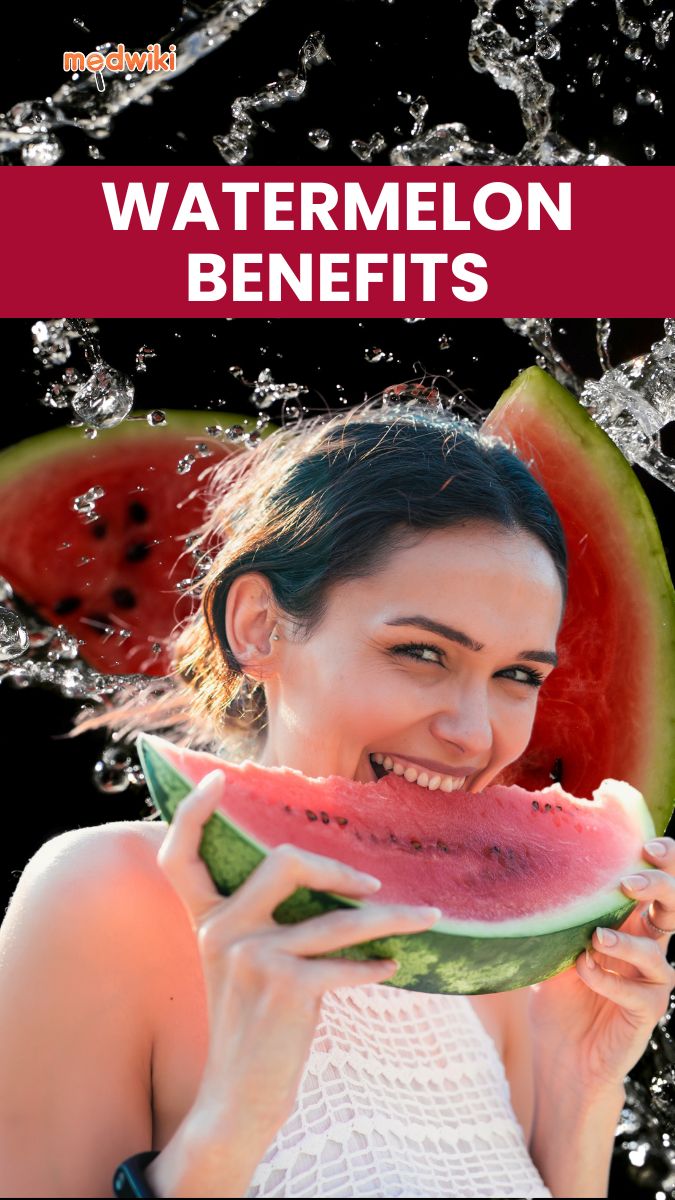
Watermelon Benefits! Stay Hydrated and Healthy in Summer!

Mrs. Prerna Trivedi
Nutritionist

How Can Bael Fruit Keep You Cool And Healthy This Summer?

Drx. Salony Priya
MBA (Pharmaceutical Management)
Can brushing after meals cause damage?
Mrs. Prerna Trivedi
Nutritionist
6 Simple Ways to Get Rid of Bad Breath Naturally!
Mrs. Prerna Trivedi
Nutritionist

Know Us
@2026 Medwiki Pvt Ltd. All Rights Reserved