

1:15
Managing low blood pressure, or hypotension, involves lifestyle changes like staying hydrated, eating small, frequent meals, and avoiding sudden position changes. Wearing compression stockings can also help improve circulation. It's important to consult a healthcare provider for personalized advice.
1:15
Hand pain can arise from various causes, including overuse, arthritis, or nerve issues like carpal tunnel syndrome. It’s important to consider any recent activities or injuries that might have contributed to the discomfort. If the pain persists, consulting a healthcare professional can help identify the underlying cause and appropriate management.
1:15
Not all fat is bad for health. Fats are essential nutrients that provide energy, support cell growth, and protect organs. Unsaturated fats, found in foods like avocados and nuts, are beneficial for heart health. However, trans fats and excessive saturated fats, often found in processed foods, can increase the risk of heart disease. It's important to choose healthy fats and consume them in moderation.
1:15
Good posture is crucial for long-term health because it helps maintain the natural curves of the spine, reducing strain on muscles and ligaments. This can prevent back pain, improve balance, and enhance breathing and digestion by allowing organs to function optimally.
1:15
To keep your body safe and protected, focus on a balanced diet, regular exercise, and adequate sleep. Practice good hygiene, like washing hands frequently, and stay up-to-date with vaccinations. Use protective gear, such as helmets and seatbelts, and avoid risky behaviors like smoking or excessive alcohol consumption. Regular check-ups with a healthcare provider can also help catch potential issues early.
1:15
A muscle strain, often called a pulled muscle, typically causes pain and tenderness in the affected area. You might also notice swelling, muscle spasms, and a limited range of motion. In some cases, bruising can occur if small blood vessels are damaged. Rest and gentle stretching can help, but it's important to avoid activities that might worsen the strain.
1:15
Laughter yoga is generally safe and beneficial for most people, promoting relaxation and stress relief. However, individuals with certain health conditions, like hernias, severe heart problems, or recent surgeries, should consult a healthcare provider before participating. As with any physical activity, it's important to listen to your body and stop if you feel discomfort.
1:15
Laughter yoga combines laughter exercises with deep breathing, promoting relaxation and stress relief. It can boost mood, enhance immune function, and improve social connections by encouraging group participation. This practice may also increase pain tolerance and improve overall well-being by releasing endorphins, the body's natural feel-good chemicals.
Shorts

Watermelon Benefits! Stay Hydrated and Healthy in Summer!

Mrs. Prerna Trivedi
Nutritionist

How Can Bael Fruit Keep You Cool And Healthy This Summer?

Drx. Salony Priya
MBA (Pharmaceutical Management)
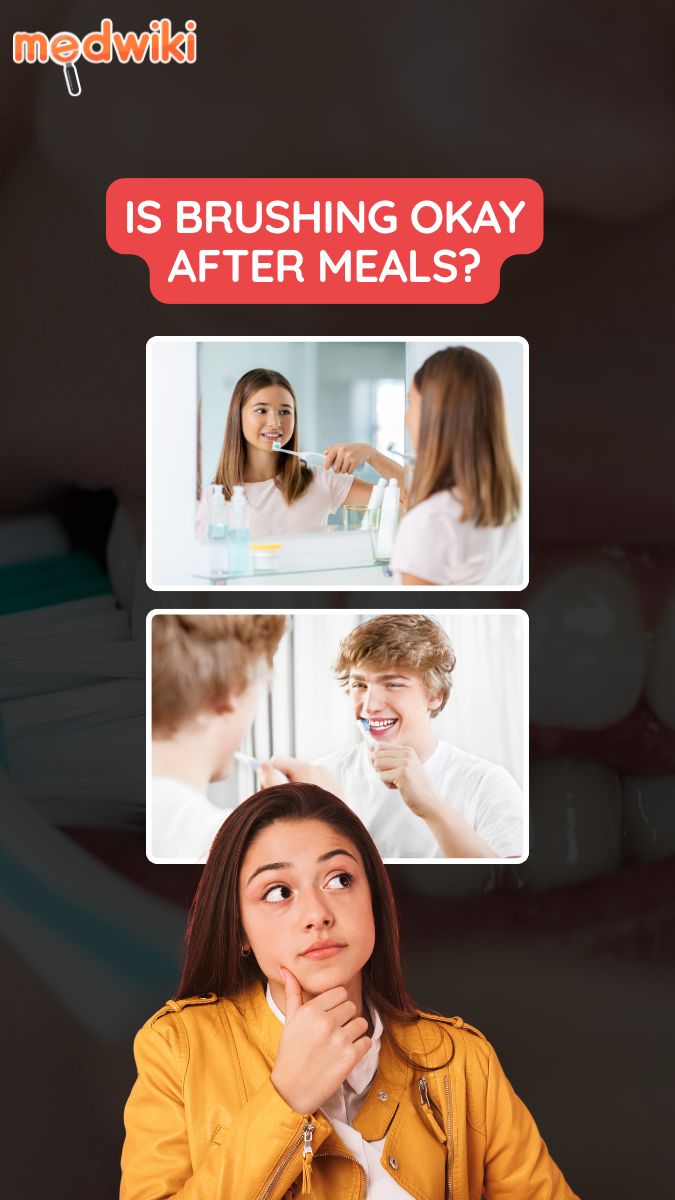
Can brushing after meals cause damage?
Mrs. Prerna Trivedi
Nutritionist
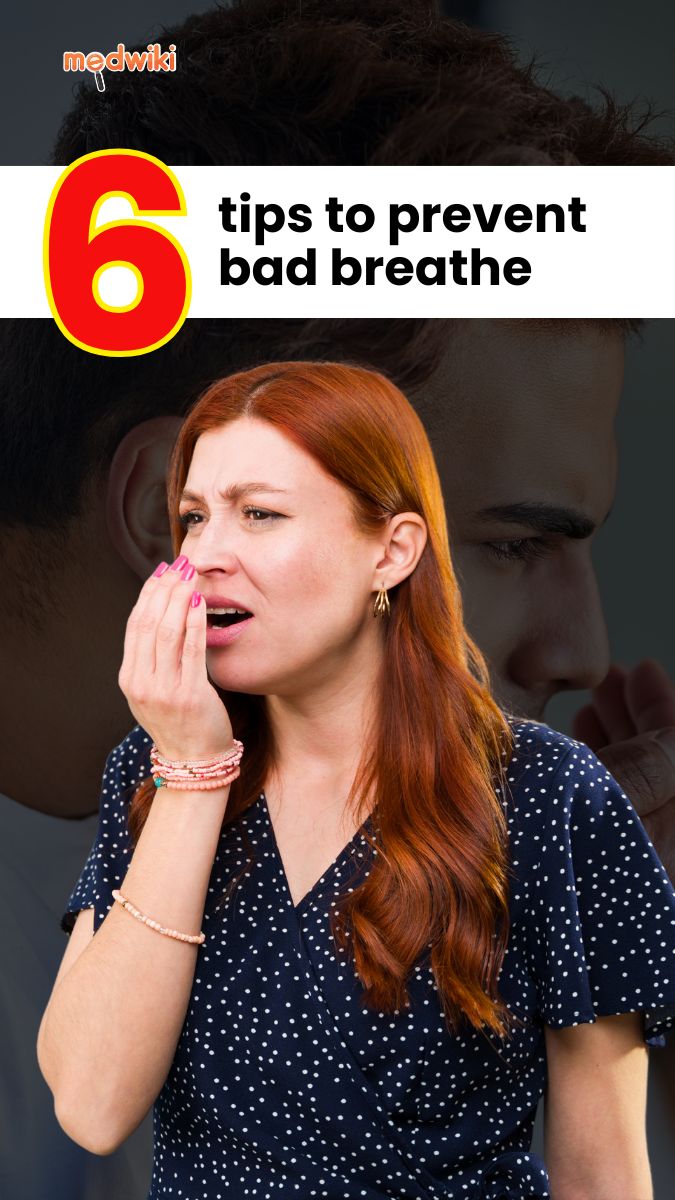
6 Simple Ways to Get Rid of Bad Breath Naturally!
Mrs. Prerna Trivedi
Nutritionist

Know Us
@2026 Medwiki Pvt Ltd. All Rights Reserved