

1:15
Diet can significantly impact mood swings in teenagers. Here's how: - **Nutrient Intake**: A balanced diet rich in vitamins and minerals supports brain health and can help stabilize mood. Nutrients like omega-3 fatty acids, found in fish, and B vitamins, found in whole grains, are particularly important. - **Blood Sugar Levels**: Consuming too much sugar or refined carbs can lead to spikes and crashes in blood sugar levels, which can cause irritability and mood swings. - **Hydration**: Dehydration can lead to fatigue and mood disturbances. Drinking enough water is crucial for maintaining energy and mood balance. - **Caffeine and Energy Drinks**: High caffeine intake can lead to anxiety and restlessness, affecting mood stability. - **Skipping Meals**: Not eating regularly can lead to low blood sugar, resulting in feelings of irritability and moodiness. Encouraging a balanced diet with regular meals and snacks can help manage mood swings and support overall mental well-being.
1:15
Taking a 10-minute walk can offer several health benefits, even if it's just a short stroll: - **Boosts Mood**: Walking releases endorphins, which are chemicals in your brain that make you feel happier and less stressed. - **Improves Circulation**: It gets your blood flowing, which is good for your heart and can help lower blood pressure. - **Enhances Focus**: A quick walk can clear your mind and improve concentration, making it easier to focus on tasks. - **Supports Joint Health**: Walking helps keep your joints flexible and can reduce stiffness. - **Aids Digestion**: Moving around after eating can help your body digest food more efficiently. So, even a short walk can make a big difference in how you feel!
1:15
Doing 15 squats before bed can have several positive health effects: - **Improved Sleep Quality**: Light exercise like squats can help you relax and fall asleep faster. - **Muscle Strength**: Squats target your leg muscles, helping to build strength over time. - **Increased Flexibility**: Regular squats can improve your flexibility, making it easier to move around. - **Boosted Mood**: Exercise releases endorphins, which can make you feel happier and less stressed. - **Better Circulation**: Squats get your blood flowing, which is good for your heart and overall health. Remember to maintain proper form to avoid injury!
1:15
To figure out if you have a fever, you can use a thermometer to check your body temperature. A normal body temperature is usually around 98.6°F (37°C). If your temperature is 100.4°F (38°C) or higher, you might have a fever. Here are some signs that might suggest you have a fever: - Feeling very warm or hot - Sweating or shivering - Headache - Muscle aches - Feeling tired or weak If you're not sure or if you feel really unwell, it's a good idea to talk to a parent or guardian and maybe see a doctor.
1:15
Hey there! If you forget to take your medicine, here's what you can do: 1. **Check the Instructions:** Look at the medicine's label or the information leaflet. It often has advice on what to do if you miss a dose. 2. **Time Matters:** If it's close to the time for your next dose, just skip the missed one. Don't double up to make up for it. 3. **Contact a Professional:** If you're unsure, it's always a good idea to call your doctor or pharmacist. They can give you the best advice based on your specific medication. 4. **Set Reminders:** To avoid missing doses in the future, try setting alarms or using a pill organizer. Remember, it's important to take your medicine as prescribed to stay healthy!

1:15
Acetaminophen, which is also known as paracetamol, is a common over-the-counter medication used to relieve pain and reduce fever. It is often used to treat headaches, muscle aches, arthritis, backaches, toothaches, colds, and fevers. Acetaminophen is generally considered safe when taken as directed, but taking too much can lead to liver damage. It's important to follow the dosage instructions on the label or as prescribed by a healthcare professional.
1:15
Yes, drinking enough water can help improve your focus. Here's how it works: - **Hydration and Brain Function:** Your brain is about 75% water, so staying hydrated helps it function properly. When you're dehydrated, you might feel tired, have trouble concentrating, or even get headaches. - **Improved Mood and Energy:** Drinking water can boost your mood and energy levels, making it easier to stay focused on tasks. - **Cognitive Performance:** Studies suggest that even mild dehydration can affect your attention and short-term memory. So, make sure to drink enough water throughout the day to keep your brain sharp and focused!
1:15
Hey there! It's great that you're thinking about how to store your medication properly. Here's what you need to know about storing Amlip: - **Keep it in a cool, dry place**: Make sure it's away from direct sunlight and moisture. A cupboard or a drawer is usually a good spot. - **Room temperature is best**: Try to keep it between 68°F and 77°F (20°C to 25°C). - **Keep it in its original container**: This helps protect it from light and moisture. - **Out of reach of children and pets**: Safety first! If you have any more questions, feel free to ask!
Shorts

Watermelon Benefits! Stay Hydrated and Healthy in Summer!

Mrs. Prerna Trivedi
Nutritionist

How Can Bael Fruit Keep You Cool And Healthy This Summer?

Drx. Salony Priya
MBA (Pharmaceutical Management)

Can brushing after meals cause damage?
Mrs. Prerna Trivedi
Nutritionist
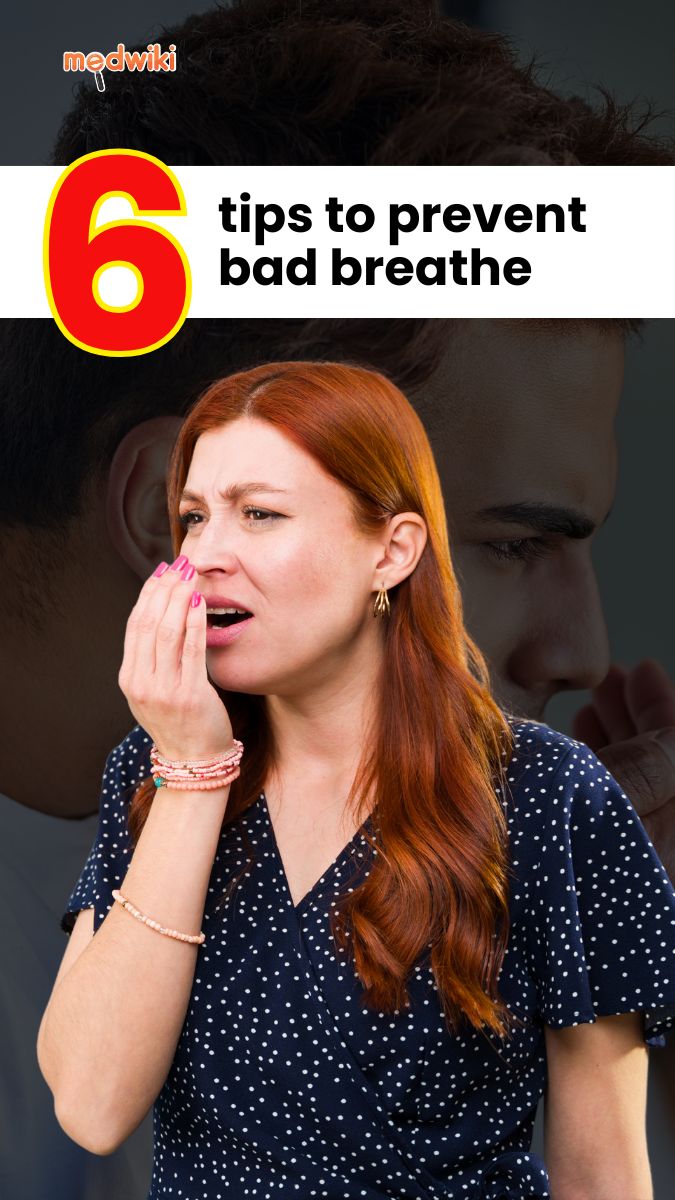
6 Simple Ways to Get Rid of Bad Breath Naturally!
Mrs. Prerna Trivedi
Nutritionist

Know Us
@2026 Medwiki Pvt Ltd. All Rights Reserved