

1:15
Hey there! It's great that you're asking about medication safety. Here's what you need to know about taking Quspar with other medications: - **Consult Your Doctor**: It's super important to talk to your doctor or pharmacist before mixing medications. They can give you the best advice based on your specific situation. - **Possible Interactions**: Quspar, like many medications, can interact with other drugs. This might change how well it works or increase the risk of side effects. - **Common Concerns**: Some medications, especially those for mental health, pain relief, or allergies, might not mix well with Quspar. - **Be Honest**: Always tell your healthcare provider about all the medications you're taking, including over-the-counter drugs and supplements. Remember, your health and safety come first, so always check with a professional!
1:15
Switching to healthier alternatives can be both delicious and satisfying! Here are some options you might enjoy: 1. **Fruit Slices**: Instead of candy, try apple slices, berries, or orange segments. They're naturally sweet and packed with vitamins. 2. **Popcorn**: Swap out chips for air-popped popcorn. It's crunchy, low in calories, and you can add your favorite spices for flavor. 3. **Yogurt Parfait**: Replace ice cream with a yogurt parfait. Use Greek yogurt, fresh fruits, and a sprinkle of granola. 4. **Veggie Sticks and Hummus**: Instead of fries, munch on carrot or cucumber sticks with hummus for a tasty dip. 5. **Nuts and Seeds**: Choose a handful of almonds, walnuts, or sunflower seeds instead of salty snacks. They're full of healthy fats and protein. 6. **Smoothies**: Blend your favorite fruits with a bit of spinach or kale for a refreshing drink that's both nutritious and delicious. 7. **Whole Grain Crackers**: Swap out regular crackers for whole grain ones, paired with cheese or avocado for a satisfying snack. 8. **Dark Chocolate**: If you're craving chocolate, opt for dark chocolate. It's rich in antioxidants and can be enjoyed in moderation. Remember, it's all about balance and making choices that make you feel good!
1:15
Meditating for just 2 minutes can have a surprisingly positive impact on your health! Here's what you might experience: - **Relaxation**: Even a short meditation can help calm your mind and reduce stress. - **Focus**: It can improve your concentration and help you feel more centered. - **Mood Boost**: You might feel a little happier and more at peace. - **Breathing**: It encourages deep breathing, which is good for your lungs and heart. So, even a brief meditation session can be a great start to feeling better overall!
1:15
Dancing to your favorite song is not only fun but also great for your health! It helps improve your heart health by getting your blood pumping and can boost your mood by releasing endorphins, which are chemicals in your brain that make you feel happy. Plus, dancing is a fantastic way to improve your balance and coordination, making you more agile. It's also a great way to express yourself and relieve stress, all while enjoying the music you love.

1:15
Eating a variety of colorful fruits and vegetables is beneficial because each color represents different nutrients and health benefits. For example, red fruits like tomatoes and strawberries are rich in antioxidants, which help protect your cells. Green vegetables like spinach and broccoli are packed with vitamins and minerals that support your immune system. By including a rainbow of colors in your diet, you ensure you're getting a wide range of nutrients that work together to keep you healthy and strong.
1:15
Reducing facial swelling can be important, especially if it's causing discomfort or affecting your confidence. Here are some tips that might help: - **Stay Hydrated**: Drinking plenty of water helps flush out excess salt and toxins that can cause swelling. - **Cold Compress**: Applying a cold compress or ice pack wrapped in a cloth to the swollen area can reduce inflammation and numb the area. - **Elevate Your Head**: When sleeping, try to keep your head elevated with an extra pillow to prevent fluid from pooling in your face. - **Reduce Salt Intake**: Eating too much salt can cause your body to retain water, leading to swelling. Try to limit salty snacks and processed foods. - **Gentle Massage**: Lightly massaging your face can help improve circulation and reduce swelling. - **Avoid Allergens**: If allergies are causing the swelling, try to avoid known allergens and consider taking antihistamines. - **Consult a Doctor**: If the swelling persists or is accompanied by other symptoms, it's a good idea to see a healthcare professional to rule out any underlying conditions. Remember, if you're ever unsure about what's causing the swelling or how to treat it, it's always best to consult with a healthcare provider. 😊
1:15
Zolpidem, often known by the brand name Ambien, is a medication used to help people with insomnia, which means trouble sleeping. Here's what you should know: - **Uses**: It's mainly prescribed to help you fall asleep faster and stay asleep longer. - **Dosage**: Typically, doctors recommend starting with the lowest dose, which is often 5 mg for women and 5-10 mg for men, taken right before bedtime. - **Safety Precautions**: - **Avoid Alcohol**: Mixing with alcohol can increase side effects. - **Short-term Use**: It's usually prescribed for short periods (a few weeks). - **Side Effects**: May include dizziness, headache, or feeling drowsy the next day. Always follow your doctor's instructions and talk to them if you have any concerns or experience unusual symptoms.
1:15
It's important to be cautious when considering taking any medication regularly, even if you're 20 years old. Here are a few things to keep in mind: - **Consult a Doctor**: Always talk to a healthcare professional before starting any medication. They can provide guidance based on your health history. - **Understand the Medication**: Know what the tablet is for, its active ingredients, and any potential side effects. - **Follow Dosage Instructions**: If prescribed, follow the dosage instructions carefully to avoid any adverse effects. - **Monitor Your Health**: Keep track of how you feel while taking the medication and report any unusual symptoms to your doctor. Remember, self-medicating can be risky, so it's best to seek professional advice.
Shorts
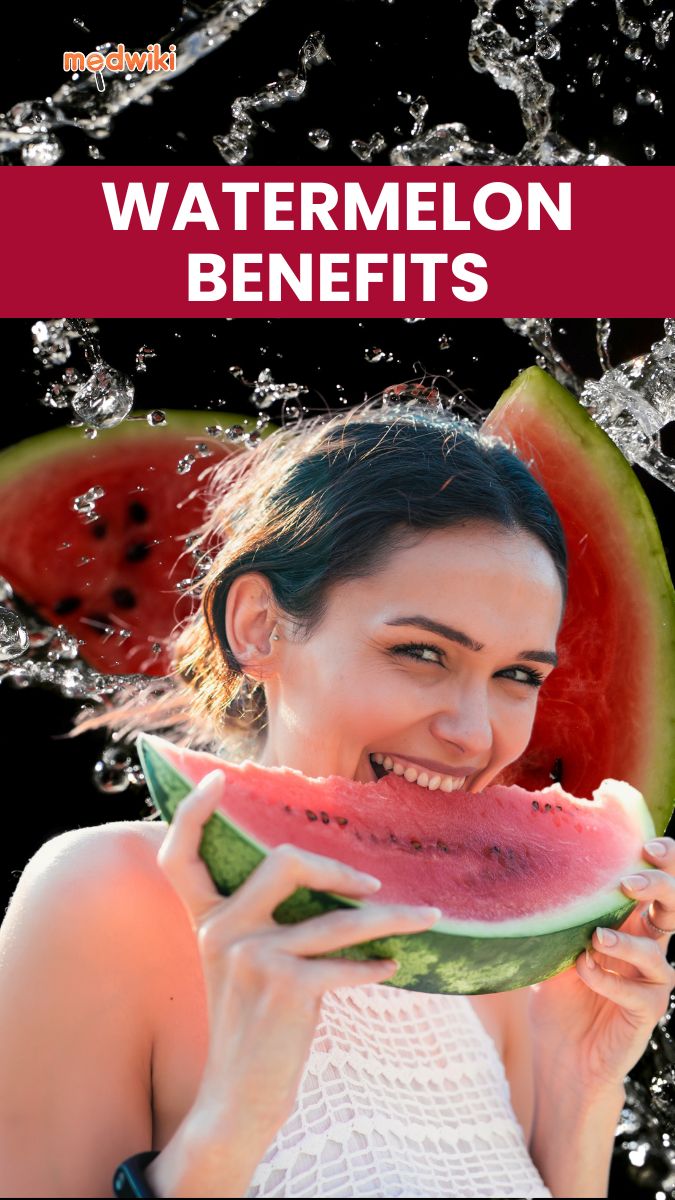
Watermelon Benefits! Stay Hydrated and Healthy in Summer!

Mrs. Prerna Trivedi
Nutritionist

How Can Bael Fruit Keep You Cool And Healthy This Summer?

Drx. Salony Priya
MBA (Pharmaceutical Management)
Can brushing after meals cause damage?
Mrs. Prerna Trivedi
Nutritionist
6 Simple Ways to Get Rid of Bad Breath Naturally!
Mrs. Prerna Trivedi
Nutritionist

Know Us
@2026 Medwiki Pvt Ltd. All Rights Reserved