

1:15
Using your phone first thing in the morning can have several effects on your health and well-being: - **Sleep Disruption**: Checking your phone immediately can disrupt your natural wake-up process, making you feel groggy and less alert. - **Increased Stress**: Seeing notifications or emails can trigger stress and anxiety, setting a negative tone for the day. - **Reduced Productivity**: Getting lost in social media or emails can waste time and delay your morning routine. - **Eye Strain**: Staring at a screen right after waking up can cause eye strain and discomfort. - **Mental Overload**: Bombarding your brain with information can overwhelm you, making it harder to focus on important tasks later. Consider starting your day with a few minutes of stretching, meditation, or a healthy breakfast to set a positive tone for the day!
1:15
Using your phone first thing in the morning can have several effects on your health and well-being: - **Sleep Disruption**: Checking your phone immediately can disrupt your natural wake-up process, making you feel groggy and less alert. - **Increased Stress**: Seeing notifications or messages can trigger stress or anxiety, setting a negative tone for the day. - **Reduced Productivity**: Getting lost in social media or emails can distract you from more important morning tasks, reducing your overall productivity. - **Eye Strain**: Staring at a bright screen right after waking up can strain your eyes and cause discomfort. Instead, try starting your day with a few minutes of stretching, meditation, or a healthy breakfast to set a positive tone for the day!
1:15
Laughing for a whole minute can be surprisingly beneficial for your health! Here's how: - **Stress Reduction**: Laughing releases endorphins, which are chemicals in your brain that make you feel good and help reduce stress. - **Heart Health**: It can improve blood flow and increase the function of blood vessels, which is great for your heart. - **Muscle Relaxation**: A good laugh can relieve physical tension and relax your muscles for up to 45 minutes. - **Immune Boost**: Laughter can increase immune cells and infection-fighting antibodies, improving your resistance to disease. - **Mood Enhancement**: It can decrease anxiety and make you feel happier, even after the laughter stops. So, next time you're feeling down, try watching a funny video or sharing a joke with a friend!
1:15
Trying a new vegetable can have several positive effects on your health: 1. **Nutrient Boost**: Different vegetables offer a variety of vitamins and minerals. By trying a new one, you might introduce essential nutrients like vitamin C, vitamin A, potassium, or fiber into your diet. 2. **Improved Digestion**: Many vegetables are high in fiber, which can aid digestion and help maintain a healthy gut. 3. **Antioxidant Benefits**: Vegetables often contain antioxidants, which help protect your cells from damage and support your immune system. 4. **Variety in Diet**: Adding new vegetables can make your meals more interesting and encourage a balanced diet, which is key to overall health. 5. **Potential Allergies**: While rare, some people might have allergies to certain vegetables. If you experience any unusual symptoms, like itching or swelling, it's best to consult a healthcare professional. Overall, trying new vegetables is a great way to enhance your diet and support your health!
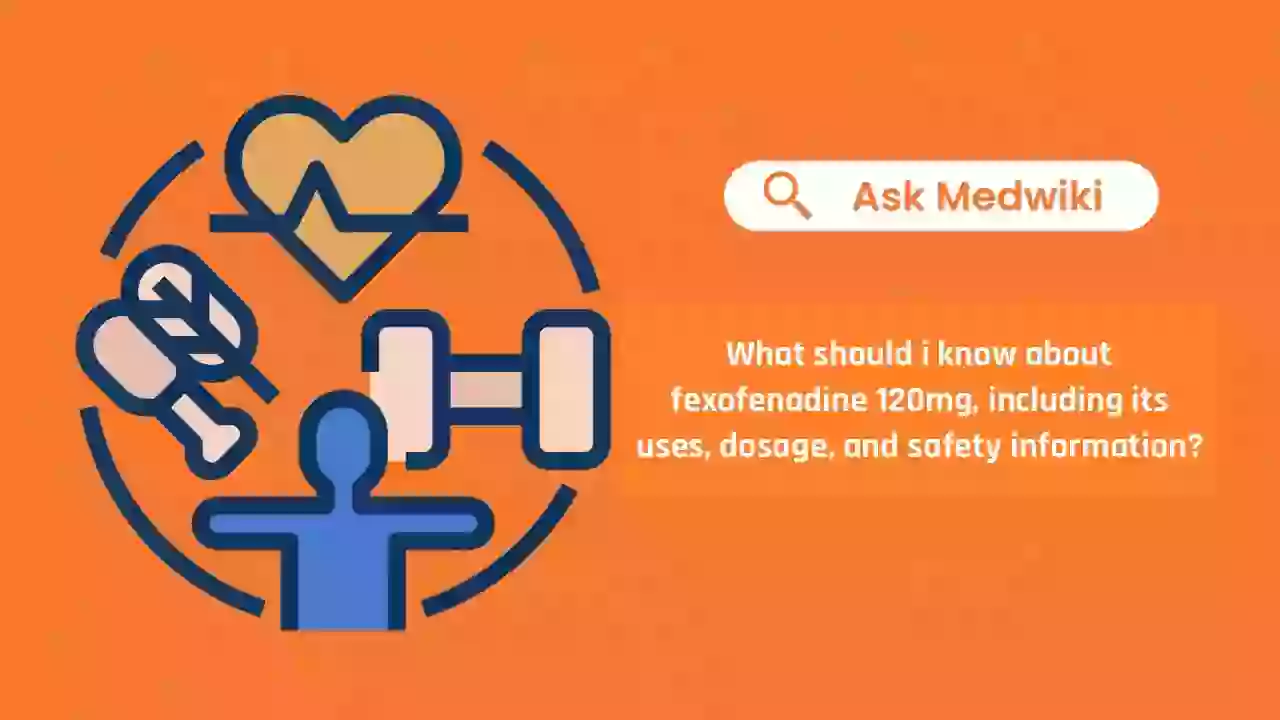
1:15
Fexofenadine is an antihistamine, which means it helps relieve allergy symptoms like sneezing, runny nose, and itchy eyes. Here's what you need to know: - **Uses**: It's mainly used to treat seasonal allergies and chronic hives. - **Dosage**: For teens, the usual dose is 120mg once a day. Always follow your doctor's advice. - **Safety**: It's generally safe, but can cause side effects like headache or dizziness. Avoid taking it with fruit juices, as they can affect how well it works. Always talk to a healthcare provider if you have questions or concerns about taking this medication.

1:15
Preventing migraines can be a bit tricky, but there are several strategies that might help reduce their frequency and severity: - **Identify Triggers:** Keep a diary to track what might trigger your migraines, such as certain foods, stress, or lack of sleep. - **Maintain a Routine:** Try to eat, sleep, and exercise at the same times every day to keep your body in balance. - **Stay Hydrated:** Drink plenty of water throughout the day to avoid dehydration, which can trigger migraines. - **Manage Stress:** Practice relaxation techniques like deep breathing, meditation, or yoga to help reduce stress levels. - **Limit Caffeine and Alcohol:** These can sometimes trigger migraines, so it's best to consume them in moderation. - **Medication:** Some people find relief with over-the-counter pain relievers or prescription medications. It's important to talk to a healthcare provider about what might work best for you. Remember, it's always a good idea to consult with a healthcare professional to find the best prevention plan for you.

1:15
Cracking your knuckles is a habit many people have, and you might wonder if it's harmful. Here's what you need to know: - **No Proven Harm**: Generally, cracking your knuckles isn't harmful and doesn't cause arthritis, as some myths suggest. - **Sound Explanation**: The popping sound comes from bubbles bursting in the synovial fluid, which lubricates your joints. - **Possible Effects**: While it's not harmful, excessive cracking might lead to temporary swelling or reduced grip strength. If you experience pain or discomfort while cracking your knuckles, it might be a good idea to consult a healthcare professional. Otherwise, it's mostly harmless!

1:15
Hey there! Let's talk about Diclofenac gel, a topical medication used to relieve pain and reduce inflammation. Here's what you need to know: - **Uses**: It's often used for joint pain from arthritis, muscle aches, and minor injuries like sprains. - **Application**: Apply a small amount to the affected area and gently rub it in. Make sure your skin is clean and dry before applying. - **Safety Precautions**: - Avoid using it on open wounds or irritated skin. - Wash your hands after applying, unless you're treating your hands. - Keep it away from your eyes and mouth. Always follow the instructions on the label or those given by your doctor. If you have any concerns or experience side effects, like skin irritation, let a healthcare professional know. Stay safe!
Shorts

Watermelon Benefits! Stay Hydrated and Healthy in Summer!

Mrs. Prerna Trivedi
Nutritionist

How Can Bael Fruit Keep You Cool And Healthy This Summer?

Drx. Salony Priya
MBA (Pharmaceutical Management)
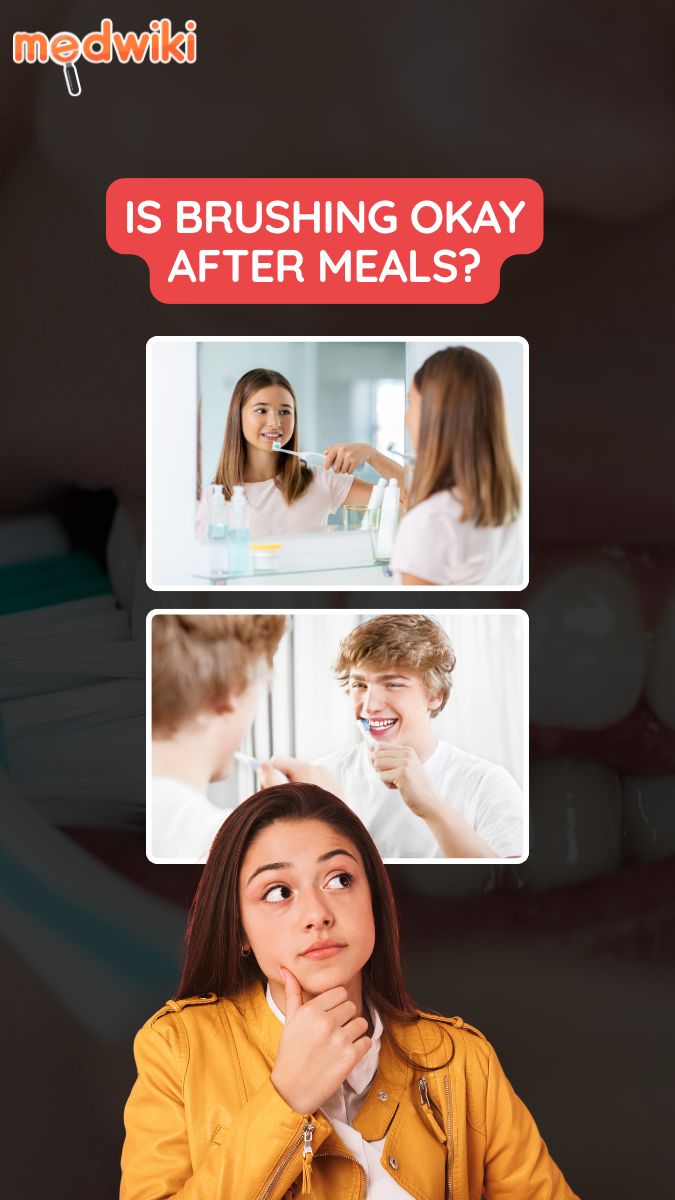
Can brushing after meals cause damage?
Mrs. Prerna Trivedi
Nutritionist
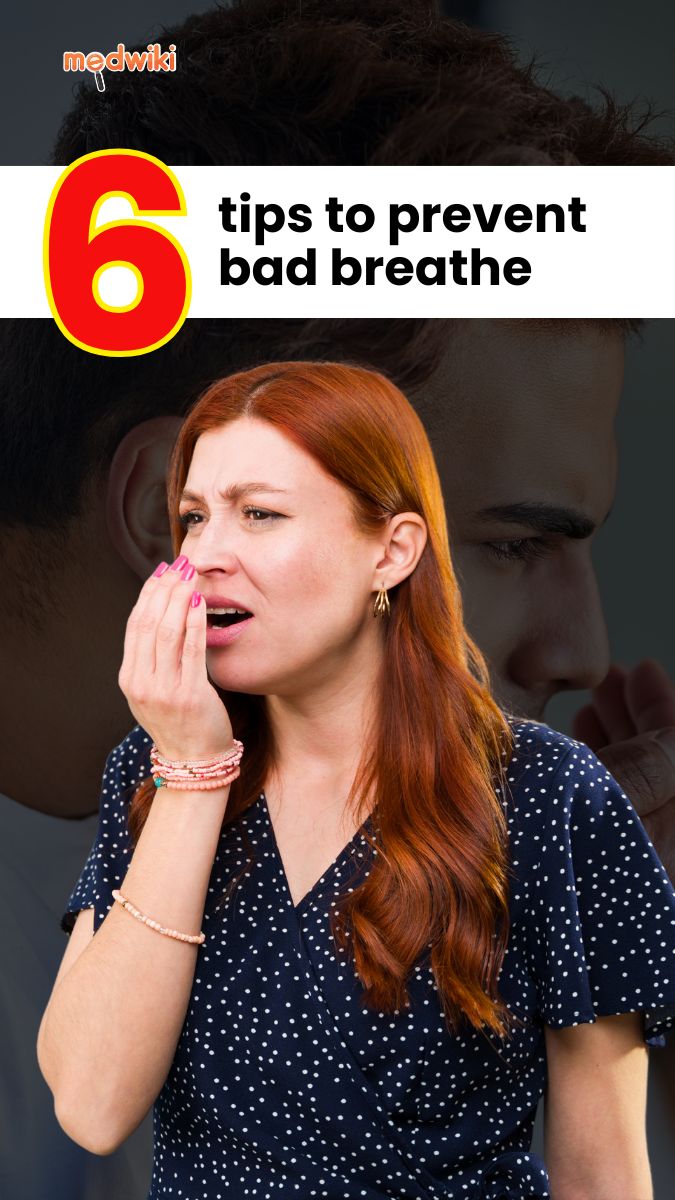
6 Simple Ways to Get Rid of Bad Breath Naturally!
Mrs. Prerna Trivedi
Nutritionist

Know Us
@2026 Medwiki Pvt Ltd. All Rights Reserved