

1:15
Headaches and vomiting can be caused by various factors, including: - **Dehydration:** Not drinking enough fluids can lead to headaches and nausea. - **Migraine:** A type of headache that often comes with nausea and sensitivity to light. - **Infections:** Viral or bacterial infections can cause these symptoms. - **Food Poisoning:** Consuming contaminated food can lead to vomiting and headaches. - **Stress or Anxiety:** Emotional stress can manifest physically as headaches and nausea. If these symptoms persist or worsen, it's important to consult a healthcare professional for a proper evaluation.
1:15
I'm sorry to hear you're not feeling well. Headaches and vomiting can be caused by various factors, including dehydration, low blood sugar, or even stress. Here are a few steps you can take: - **Stay Hydrated:** Sip on water or an electrolyte drink to prevent dehydration. - **Rest:** Find a quiet, dark place to lie down and relax. - **Eat Lightly:** If you can, try eating something light like crackers or toast to settle your stomach. If your symptoms persist or worsen, it's important to seek medical advice. Take care!
1:15
Common medications for pain relief include over-the-counter options like **Ibuprofen** (Advil) and **Acetaminophen** (Tylenol). These are often used for mild to moderate pain. For more severe pain, prescription medications such as **Tramadol** or **Oxycodone** may be considered. Always consult a healthcare provider to determine the best choice for your specific needs.
1:15
"Rex" is not a recognized name for any specific medication used for pain relief. It might be a misspelling or abbreviation. If you meant a different medication, please check the spelling or provide more details. For pain management, it's best to consult with a healthcare professional to find the most suitable option for your needs.
1:15
Weight gain can be influenced by various factors, including changes in diet, decreased physical activity, hormonal imbalances, stress, or certain medications. It's important to consider lifestyle habits and consult a healthcare provider to explore underlying causes and develop a personalized plan.
1:15
Panadol, a brand of paracetamol, is commonly used to relieve mild to moderate pain and reduce fever. The typical adult dosage is 500mg to 1000mg every 4 to 6 hours, not exceeding 4000mg in 24 hours. It's important to avoid alcohol while taking Panadol and to consult a healthcare provider if you have liver issues or are taking other medications.
1:15
Aplev M, like many medications, can potentially interact with other drugs. These interactions can affect how Aplev M or the other medications work, or increase the risk of side effects. It's crucial to inform your healthcare provider about all the medications and supplements you are taking to ensure safe and effective use.
1:15
Caffeine is a widely consumed stimulant found in coffee, tea, energy drinks, and some medications. While it can provide a temporary energy boost and improve focus, excessive consumption can lead to several negative effects: ### 1. **Increased Anxiety** - **Symptoms**: High caffeine intake can lead to nervousness, restlessness, and increased heart rate, which may exacerbate anxiety symptoms. ### 2. **Sleep Disturbances** - **Impact**: Consuming caffeine, especially in the afternoon or evening, can interfere with sleep patterns, leading to insomnia or poor-quality sleep. ### 3. **Dependence and Withdrawal** - **Symptoms**: Regular consumption can lead to dependence, and suddenly stopping can cause withdrawal symptoms like headaches, fatigue, and irritability. ### 4. **Digestive Issues** - **Effects**: Caffeine can increase stomach acid production, potentially leading to heartburn or upset stomach. ### 5. **Increased Heart Rate and Blood Pressure** - **Risks**: High doses of caffeine can cause a temporary increase in heart rate and blood pressure, which may be concerning for individuals with heart conditions. ### 6. **Jitters and Shakiness** - **Symptoms**: Excessive caffeine can lead to physical symptoms like trembling or shaking, especially in those sensitive to its effects. ### 7. **Impact on Bone Health** - **Concerns**: Some studies suggest that high caffeine intake may interfere with calcium absorption, potentially affecting bone health over time. ### 8. **Mood Swings** - **Effects**: While caffeine can initially boost mood, it may lead to mood swings or irritability as its effects wear off. ### Tips for Managing Caffeine Intake: - **Moderation**: Limit caffeine consumption to moderate levels, typically around 200-400 mg per day (about 2-4 cups of coffee). - **Timing**: Avoid caffeine in the late afternoon or evening to prevent sleep disturbances. - **Awareness**: Be mindful of hidden sources of caffeine, such as certain medications and energy drinks. By being aware of these potential negative impacts, you can make informed choices about your caffeine consumption and maintain a balanced approach to its use.
Shorts

Watermelon Benefits! Stay Hydrated and Healthy in Summer!

Mrs. Prerna Trivedi
Nutritionist

How Can Bael Fruit Keep You Cool And Healthy This Summer?

Drx. Salony Priya
MBA (Pharmaceutical Management)
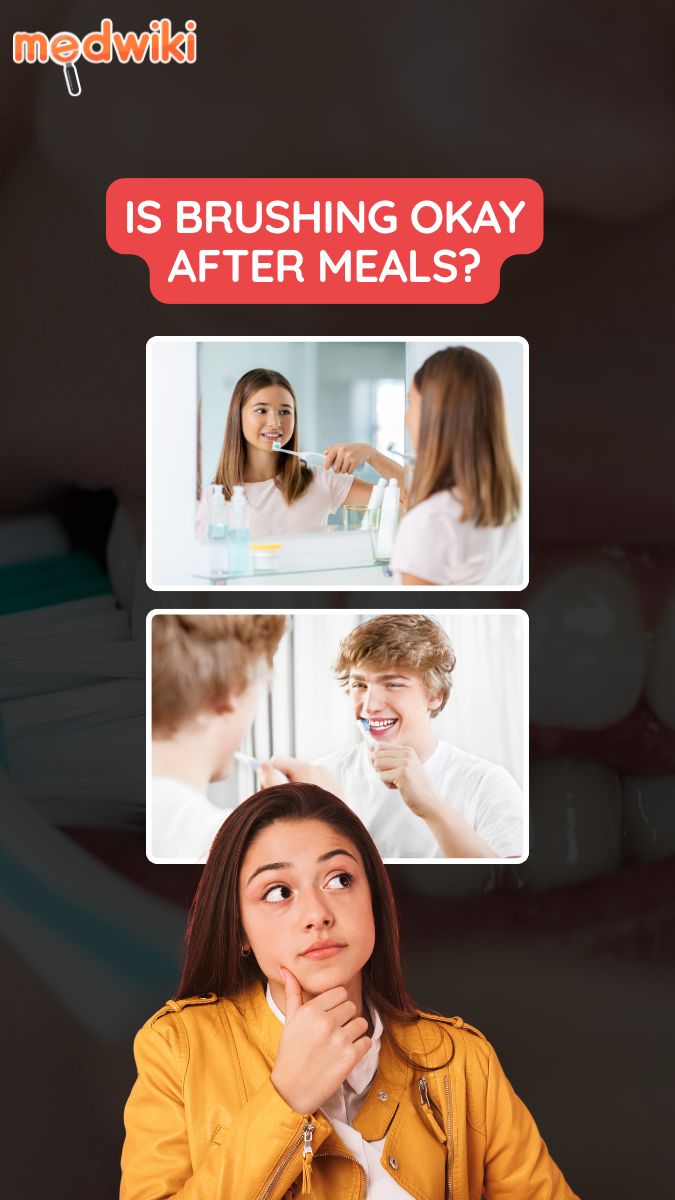
Can brushing after meals cause damage?
Mrs. Prerna Trivedi
Nutritionist
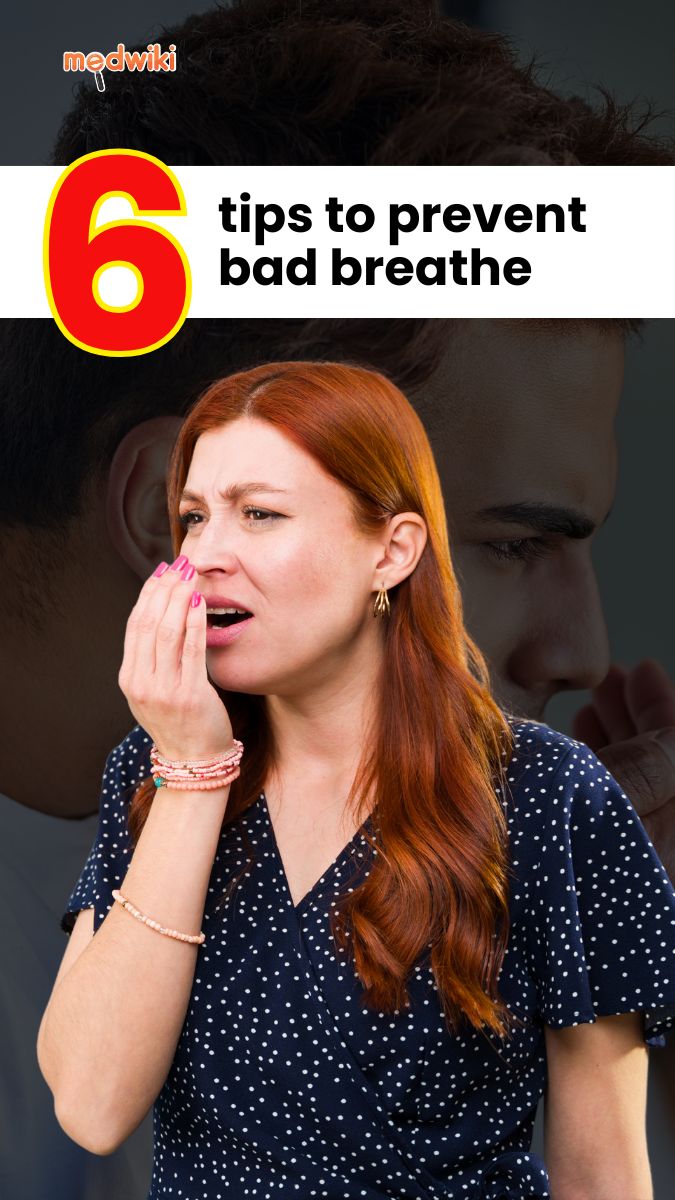
6 Simple Ways to Get Rid of Bad Breath Naturally!
Mrs. Prerna Trivedi
Nutritionist

Know Us
@2026 Medwiki Pvt Ltd. All Rights Reserved