

1:15
Nestle Resource High Protein Powder is designed to help meet increased protein needs, supporting muscle maintenance and repair. It's often used by individuals recovering from illness, surgery, or those with increased protein requirements. Mix the powder with water or milk for a nutritious drink. Always follow the recommended serving size and consult a healthcare provider if you have specific dietary needs.
1:15
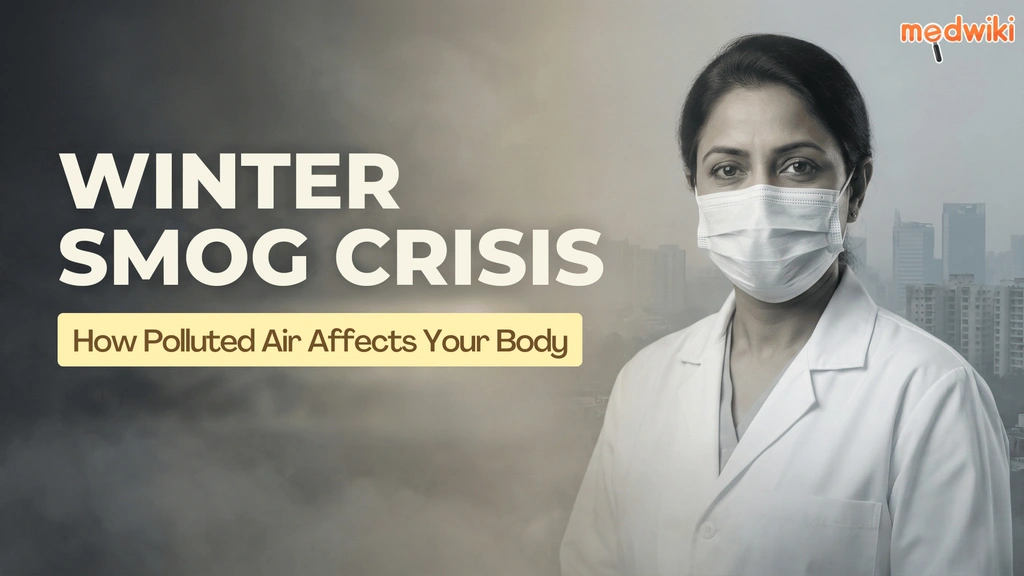
Across the globe, urban landscapes are facing a silent, pervasive threat that affects millions of people every day. This threat issmog, a harmful form ofpollution that hangs over cities, impacting both the environment and human health. Unlike ordinary fog, which is mostly water vapor and harmless,smog air pollution contains a mixture of smoke, chemicals, and fine particulate matter that can enter the lungs, affect the heart, and cause long-term health problems. Recognizingsmog, understanding its causes, formation, and consequences, and learning ways to protect ourselves are crucial for every city dweller.The Nature of SmogSmog pollution is more than just a visible haze. It is a combination of smoke, fog, and harmful chemical pollutants. While fog is harmless and temporary, smog contains fine particulate matter, nitrogen oxides, sulfur dioxide, volatile organic compounds, and other toxic chemicals. These pollutants originate primarily from human activity, such as vehicle emissions, industrial processes, and the burning of fossil fuels.Smog also has environmental consequences. It reduces visibility, damages crops, soils, and water sources, and contributes to the acidification of ecosystems. Urban greenery suffers as leaves accumulate toxic particles, affecting plant health and reducing oxygen production. Smog is therefore a threat that goes beyond human health, affecting the environment in multiple ways.How Smog is FormedUnderstandinghow smog is formed is key to understanding why some cities face more severe pollution than others. Smog develops when sunlight reacts with nitrogen oxides and volatile organic compounds in the atmosphere. This chemical reaction produces ground-level ozone and fine particulate matter, which are dangerous to breathe.Weather patterns play a significant role in intensifying smog. Low wind speeds allow pollutants to remain in one place, while temperature inversions—when a layer of warm air traps cooler air at ground level—prevent pollutants from rising and dispersing. Urban areas with dense traffic, industrial zones, and limited vegetation are particularly vulnerable. For example, cities like Delhi, Beijing, and Los Angeles experience frequent smog events due to this combination of pollutants and weather conditions.Causes of SmogThecauses of smog are mostly linked to human activities, although natural factors such as wildfires or dust storms can contribute temporarily. The primary contributors include:Vehicle emissions: Cars, trucks, and buses release nitrogen oxides and hydrocarbons, which react with sunlight to form smog. Cities with heavy traffic experience higher levels ofsmog air pollution.Industrial activity: Factories, power plants, and refineries release sulfur dioxide, nitrogen oxides, and particulate matter.Construction and urban development: Dust from construction sites adds to particulate pollution.Agricultural practices: Burning crop residues and using chemical fertilizers release pollutants into the air.Household fuel use: Burning wood, coal, or other solid fuels for cooking and heating contributes to both indoor and outdoor smog.Even seemingly small activities like burning garbage can add to the problem, making smog a cumulative result of multiple sources.Environmental ConsequencesSmog pollution affects not only human health but also the environment. Crops exposed to smog may suffer from stunted growth, reduced yield, or visible discoloration. Water bodies can accumulate toxic chemicals, affecting aquatic life and contaminating drinking water. Trees and plants may absorb harmful particles, reducing their natural ability to produce oxygen and purify air.In addition, smog contributes to climate change. Black carbon particles absorb sunlight and heat the atmosphere, while certain chemical reactions in smog release greenhouse gases that trap heat. Urban areas with limited green cover face the dual challenge of smog and urban heat islands, which exacerbate pollution effects.Smog Effects on Human HealthThe impact ofsmog air pollution on human health is profound. The small particles and toxic gases in smog can penetrate deep into the lungs and bloodstream, causing both immediate and long-term health problems.Short-term effects include coughing, throat irritation, watery eyes, headaches, and fatigue. Children may experience increased asthma attacks, while adults may feel chronic respiratory discomfort. Long-term exposure can lead to chronic respiratory diseases such as bronchitis and asthma, cardiovascular conditions like heart attacks, and even lung cancer.Smog also has neurological and developmental impacts. Studies have shown that prolonged exposure to air pollution can reduce cognitive performance in children and increase the risk of neurodegenerative diseases in adults. Beyond physical health, the persistent haze and poor air quality can affect mental well-being, causing anxiety, irritability, and even depression in some cases.Common Diseases Caused by SmogUnderstandingwhich of the following diseases are caused by smog is critical. Smog exposure is linked to:Asthma andchronic bronchitisEye irritation, skin problems, and headachesChronic obstructive pulmonary disease (COPD)Long-term risk of lung cancer and neurological disordersAtherosclerotic Cardiovascular diseases, including heart attacks and strokesWeakened immune system and increased susceptibility to infectionsChildren, the elderly, and individuals with pre-existing conditions are particularly vulnerable. In cities with severe smog, hospital admissions for respiratory and cardiovascular issues often spike during pollution episodes.Strategies to Protect Yourself from SmogWhile reducing smog at a city level requires government and industrial action, individuals can take steps to minimize exposure. Knowinghow to protect yourself from smog is crucial, especially in urban areas with high pollution.Some effective measures include:Using indoor air purifiers to reduce exposure.Keeping windows and doors closed during high-smog days.Ventilating indoor spaces when outdoor air quality improves.Wearing masks such asN95 that can filter fine particulate matter.Maintaining indoor plants like spider plants and peace lilies to improve air quality.Monitoring daily air quality reports and limiting outdoor activity on days with high pollution.Reducing personal contributions to pollution by using public transportation, cycling, or carpooling.Being aware of air quality and taking precautions during smog episodes can significantly reduce the health risks associated with prolonged exposure.Global Perspective on SmogSmog pollution is a global concern. Rapid urbanization, industrial growth, and increased vehicle use have caused smog episodes in cities worldwide. Countries with developing economies often face the greatest challenges as they try to balance industrialization with environmental protection.Combating smog requires a multi-layered approach. Policies that regulate industrial emissions, enforce vehicle standards, and promote green urban planning are essential. Urban forests, parks, and tree plantations play a significant role in filtering pollutants and reducing heat in cities. Individual efforts, including energy conservation, responsible waste disposal, and reduced reliance on personal vehicles, also contribute to cleaner air.The Human ExperienceThe most tangible impact ofsmog air pollution is the effect on everyday life. People living in heavily polluted cities often experience chronic respiratory discomfort, eye irritation, and fatigue. Children may have delayed lung development, and adults may develop cardiovascular problems over time.Smog also affects social and economic life. Outdoor activities become restricted, schools may close during severe pollution episodes, and work productivity can decrease due to illness. The economic burden of healthcare costs and reduced workforce efficiency underscores the broader societal impact of smog.ConclusionSmog air pollution is more than a hazy skyline; it is a serious threat to health, the environment, and society. Understandinghow smog is formed, thecauses of smog, and the diseases it can cause helps us take both personal and collective action. While governments and industries play a critical role in addressing smog, individual steps such as wearing masks, monitoring air quality, and reducing personal pollution can make a significant difference. Combating smog requires awareness, responsibility, and sustained effort, but the outcome is cleaner air, healthier communities, and a safer environment for generations to come. FollowMedwikifor more!FAQs1.What is the difference between smog and regular fog?Smog is a mixture of smoke, chemical pollutants, and fog, while regular fog is composed solely of water droplets.2.Can smog cause long-term health issues?Yes, prolonged exposure can lead to chronic respiratory diseases, heart conditions, and neurological disorders.3.Which cities are most affected by smog?Urban centers with heavy traffic, industrial zones, and limited greenery, such as Delhi, Beijing, and Los Angeles, often experience severe smog.4.How can I monitor air quality?Air Quality Index (AQI) reports from government agencies and apps provide real-time pollution levels and safety guidance.5.Is smog worse during certain seasons?Yes, smog is typically more severe in winter due to temperature inversions that trap pollutants near the ground.6.Are masks effective against smog?Masks like N95, which filter fine particulate matter, significantly reduce exposure to harmful pollutants.7.Can planting trees help reduce smog?Yes, urban green spaces absorb pollutants, improve air quality, and mitigate the effects of smog pollution.
1:15
Coping with boredom in healthy ways can boost your mood and mental well-being. Here are some strategies: - **Exercise**: Physical activity, like walking or yoga, can energize you and improve your mood. - **Reading**: Dive into a good book or explore new topics to stimulate your mind. - **Meditation**: Practicing mindfulness can help you feel more centered and reduce stress. - **Socializing**: Connect with friends or family, either in person or virtually, to share experiences and laughter. - **Hobbies**: Engage in activities you enjoy, like painting, cooking, or gardening, to spark creativity and joy. These activities can help keep your mind active and provide a sense of fulfillment.
1:15
Maintaining a consistent sleep schedule offers several benefits for both physical and mental health: 1. **Improved Sleep Quality**: Going to bed and waking up at the same time every day helps regulate your body's internal clock, leading to deeper and more restorative sleep. 2. **Enhanced Mood and Energy Levels**: Consistent sleep patterns can reduce mood swings and increase energy, making you feel more alert and positive throughout the day. 3. **Better Cognitive Function**: Regular sleep schedules support memory, concentration, and problem-solving skills, which are crucial for learning and daily tasks. 4. **Stronger Immune System**: Consistent sleep helps your body fight off illnesses by boosting your immune system. 5. **Reduced Stress and Anxiety**: A stable sleep routine can lower stress levels and improve emotional resilience.

1:15
Cefadroxil is an antibiotic used to treat bacterial infections, while Lactobacillus Acidophilus is a probiotic that helps maintain healthy gut bacteria. Taking them together can help balance gut flora, which may be disrupted by antibiotics. However, it's important to take them at different times to ensure the probiotic's effectiveness. Always consult a healthcare provider for personalized advice.
1:15
Yes, lifestyle changes can help manage sleep apnea. Losing weight, avoiding alcohol and smoking, and sleeping on your side can reduce symptoms. Regular exercise and maintaining a consistent sleep schedule also contribute to better sleep quality. These changes can complement medical treatments and improve overall health.
1:15
While foam rolling can be beneficial, there are potential risks, especially for those with chronic pain. Overuse or incorrect technique can lead to bruising, increased pain, or muscle soreness. Rolling over sensitive areas, like joints or bony parts, can cause discomfort or injury. It's crucial to use proper form and consult a healthcare professional to ensure foam rolling is safe for your specific condition.
1:15
Foam rolling can be beneficial for managing chronic pain by helping to release muscle tension and improve flexibility. It may also enhance blood flow to the muscles, which can aid in reducing discomfort. However, it's important to approach foam rolling gently and consult with a healthcare professional to ensure it's appropriate for your specific condition.
Shorts

Watermelon Benefits! Stay Hydrated and Healthy in Summer!

Mrs. Prerna Trivedi
Nutritionist

How Can Bael Fruit Keep You Cool And Healthy This Summer?

Drx. Salony Priya
MBA (Pharmaceutical Management)

Can brushing after meals cause damage?
Mrs. Prerna Trivedi
Nutritionist
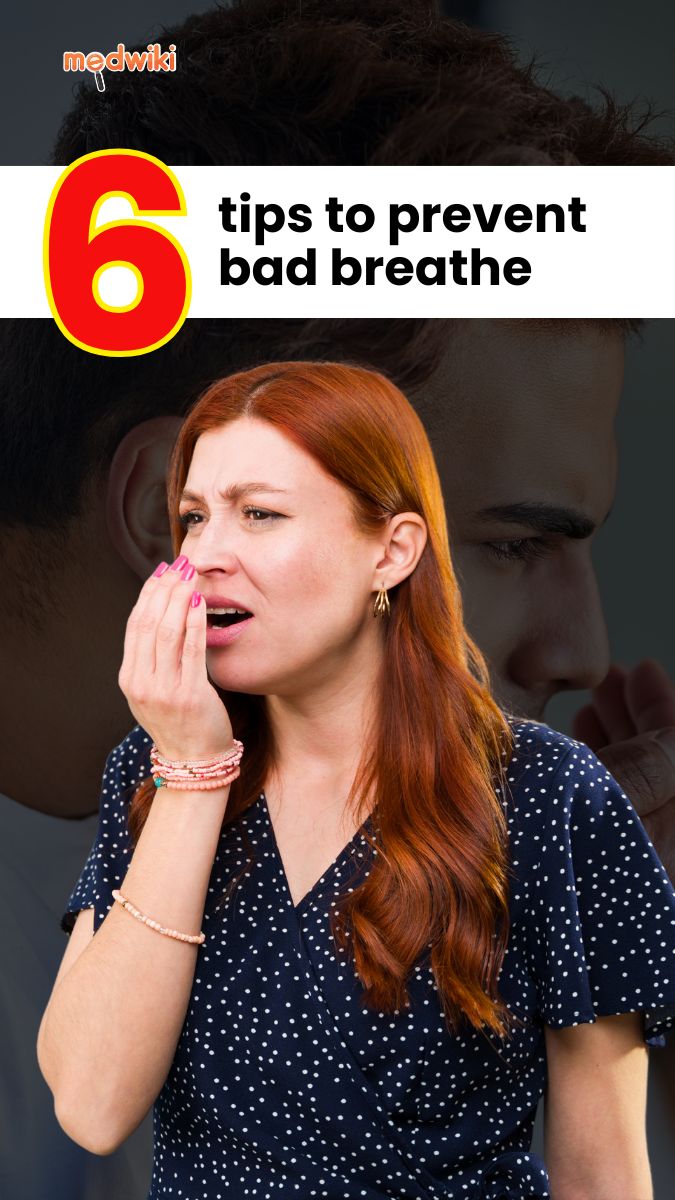
6 Simple Ways to Get Rid of Bad Breath Naturally!
Mrs. Prerna Trivedi
Nutritionist

Know Us
@2026 Medwiki Pvt Ltd. All Rights Reserved