


1:15
The Tiate Transhaler is a device used to deliver Tiotropium, a medication that helps manage chronic obstructive pulmonary disease (COPD) by relaxing the muscles in the airways, making it easier to breathe. It's typically used once daily. To use the Transhaler, load a capsule into the device, press the button to pierce it, and inhale the medication through the mouthpiece. Safety tips include not swallowing the capsules and ensuring the device is used correctly to avoid improper dosing. Common side effects might include dry mouth or throat irritation. Always consult your healthcare provider before starting or stopping any medication, especially if you have other health conditions.
1:15
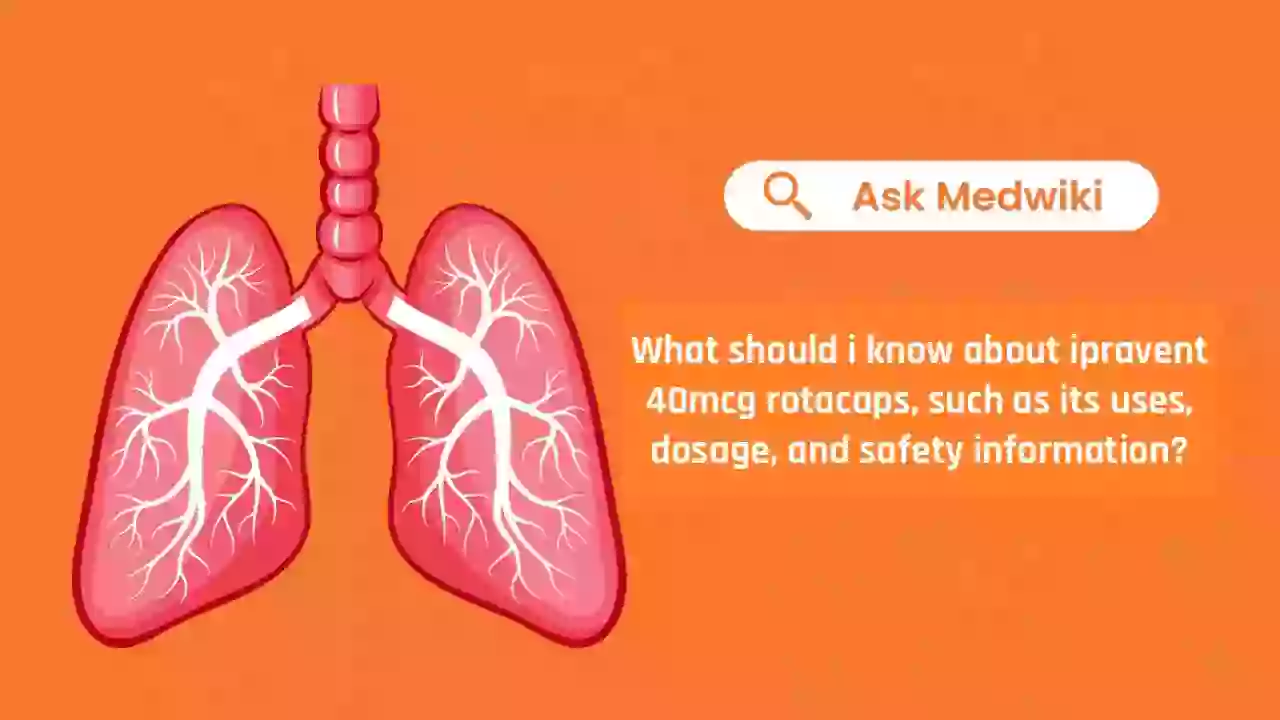
Ipravent 40mcg Rotacaps contain Ipratropium, which helps open up the airways in the lungs, making it easier to breathe. It's commonly used for conditions like chronic obstructive pulmonary disease (COPD) and asthma. Typically, the dosage involves inhaling the contents of one Rotacap through a special device called a Rotahaler, usually 3-4 times a day, but always follow your doctor's instructions. Safety-wise, avoid using Ipravent if you're allergic to Ipratropium or similar medications. Common side effects include dry mouth, cough, or throat irritation. If you experience severe reactions like difficulty breathing or swelling, seek medical help immediately. Always inform your healthcare provider about any other medications you're taking to avoid interactions.

1:15
Suminat Nasal Spray contains sumatriptan, which is used to treat migraine headaches. It works by narrowing blood vessels around the brain, helping to relieve headache symptoms. Typically, the spray is used at the onset of a migraine attack, with a usual dose being one spray in one nostril. If the headache returns, another dose can be taken after at least two hours, but do not exceed two doses in 24 hours. Safety is crucial: avoid using it if you have heart problems, uncontrolled high blood pressure, or a history of stroke. Common side effects include dizziness, drowsiness, or a tingling sensation. Always consult your doctor before use, especially if you have other health conditions or are taking other medications.

1:15
Pirfenidone is a medication used to treat idiopathic pulmonary fibrosis (IPF), a lung disease that causes scarring and breathing difficulties. It helps slow down the progression of the disease. The usual adult dose is 200mg, taken three times a day with food to reduce stomach upset. It's important to follow your doctor's instructions closely. Common side effects include nausea, rash, and fatigue. Avoid sun exposure, as Pirfenidone can make your skin more sensitive to sunlight. Regular liver function tests are recommended, as the medication can affect liver health. Always inform your healthcare provider about any other medications you're taking to avoid interactions.

1:15
Montek FX 10mg/120mg Tablet is a combination medication used primarily to manage symptoms of allergic rhinitis, such as sneezing, runny nose, and itchy eyes. It contains Montelukast, which helps reduce inflammation in the airways, and Fexofenadine, an antihistamine that alleviates allergy symptoms. **Dosing & Administration:** Typically, it's taken once daily, with or without food, but always follow your healthcare provider's instructions. Swallow the tablet whole with water. **Safety Precautions:** Avoid alcohol as it may increase drowsiness. Inform your doctor if you have liver issues or are pregnant. Common side effects include headache and dizziness. Always consult your healthcare provider for personalized advice.

1:15
Immunocort Suspension is a medication often used to manage inflammation and allergic reactions. It contains corticosteroids, which help reduce swelling and irritation in the body. Typically, it's prescribed for conditions like asthma, allergies, or certain skin disorders. The dosage of Immunocort Suspension varies based on the condition being treated and the patient's age. It's crucial to follow your healthcare provider's instructions closely. Generally, it's taken orally, and the dose may be adjusted over time. Safety is important, so inform your doctor about any other medications you're taking and any existing health conditions. Common side effects can include upset stomach, dizziness, or changes in mood. Always consult your healthcare provider for personalized advice.

1:15
Asmide 100mg Capsule is typically used to manage symptoms of asthma and chronic obstructive pulmonary disease (COPD). It works by relaxing the muscles in the airways, making it easier to breathe. **Dosage:** The usual adult dose is one capsule taken orally, but it's crucial to follow your doctor's specific instructions, as the dosage may vary based on individual needs and medical conditions. **Side Effects:** Common side effects can include nausea, headache, and dizziness. If you experience severe side effects like difficulty breathing or chest pain, seek medical attention immediately. Always consult your healthcare provider before starting or changing your medication regimen to ensure it's safe and appropriate for you.

1:15
Phenylephrine is a decongestant used to relieve nasal congestion caused by colds, allergies, or sinus infections. It works by narrowing the blood vessels in the nasal passages, reducing swelling and congestion. The typical adult dose is 10 mg every 4 hours, not exceeding 60 mg in 24 hours. It's important to follow the dosage instructions on the package or as directed by a healthcare provider. Avoid using phenylephrine if you have high blood pressure, heart disease, or are taking certain medications like MAO inhibitors. Side effects may include dizziness, nervousness, or trouble sleeping. Always consult with a healthcare professional if you have any concerns or pre-existing conditions before using phenylephrine.
Shorts

Care for your Lungs!

Mrs. Prerna Trivedi
Nutritionist

Dangers of Secondhand Smoke.

Dr. Beauty Gupta
Doctor of Pharmacy

Know Us
@2026 Medwiki Pvt Ltd. All Rights Reserved