

1:15
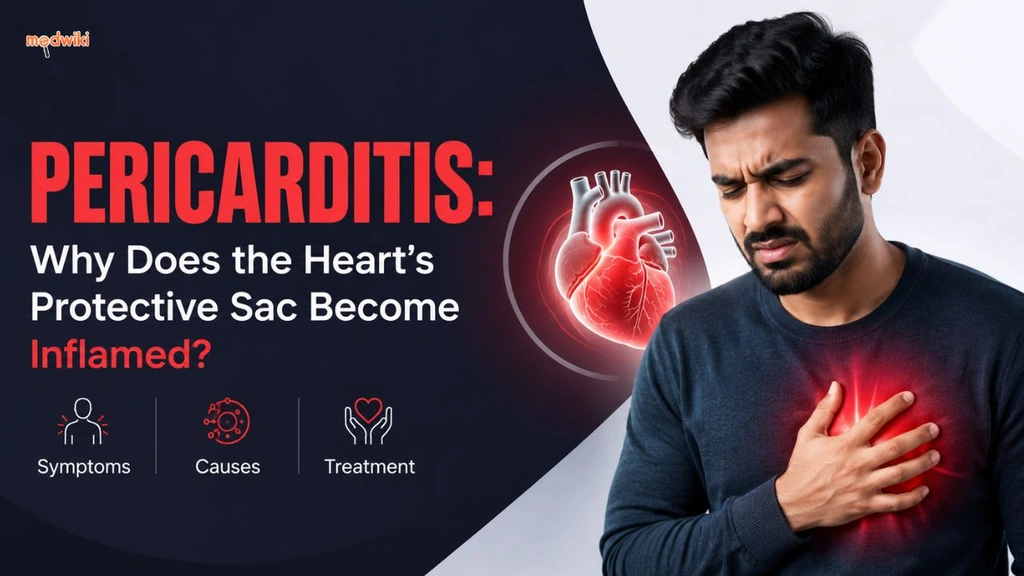
Pericarditis is an inflammation of thepericardium, which is a thin, protective sac surrounding the heart. This sac contains a small amount of fluid that helps theheart move smoothly while beating.When the pericardium becomes irritated or inflamed, it can cause chest pain, discomfort, and other symptoms. The condition may develop suddenly or progress over time depending on the underlying cause.Pericarditis can affect people of different ages and may occur due to infections, autoimmune conditions, injuries, or other medical problems. Early diagnosis and proper treatment usually help prevent complications.Acute Pericarditis: What Is It and How Does It Affect the HeartAcute pericarditis is a sudden inflammation of the pericardium, the thin protective sac surrounding the heart. It usually develops quickly and may cause noticeable chest discomfort and other symptoms.It is themost common form of pericardial inflammation.Inflammation causes irritation of the layers of thepericardium (heart’s protective sac).This irritation can lead tosharp chest pain and discomfort.Chest pain may become worse whenlying down or taking deep breaths.Most cases of acute pericarditis improve withproper medical care and treatment.Some people may experience repeated episodes, which are known asrecurrent pericarditis.Early diagnosis and appropriate treatment can help reduce symptoms and prevent complications. Seeking medical advice is important, especially when chest pain is severe or persistent.Pericarditis Symptoms: What Signs Should You Watch ForPericarditis symptoms can differ depending on the severity of inflammation and the amount of fluid present around the heart. Recognizing these symptoms early can help in getting timely medical evaluation and treatment.Sharp or stabbing chest pain is the most common symptom of pericarditis.Pain may become worse whilelying flat, coughing, or taking deep breaths..Other possible symptoms includefever, fatigue, weakness, and shortness of breath.Some people may experienceheart palpitations or a feeling of a fast heartbeat.In certain cases,swelling (fluid retention) may also occur.Chest pain caused by pericarditis may improve whensitting upright and leaning forward.Early recognition of pericarditis symptoms can help prevent complications and support faster recovery. Anyone experiencing persistent or severe chest pain should seek medical advice for proper evaluation.Common Causes of PericarditisPericarditis can develop due to several medical conditions, infections, or injuries that trigger inflammation of the pericardium. Identifying the underlying cause is important for choosing the most appropriate treatment.Viral infections (most common cause)Bacterial infectionsFungal or parasitic infectionsAutoimmune diseases (such as lupus or rheumatoid arthritis)Heart attack (post-myocardial infarction)Heart surgery or cardiac proceduresChest injury or traumaAdvanced kidney disease (uremic pericarditis)Cancer involving the pericardiumDetermining the exact cause of pericarditis helps guide treatment and reduces the risk of recurrence or complications. A thorough medical evaluation is recommended if symptoms suggest pericarditis.Pathophysiology of Pericarditis: What Happens During Pericardial InflammationThe pathophysiology of pericarditis involves inflammation of the pericardium that affects normal heart movement. This process can lead to chest pain and, in some cases, serious complications.Inflammation of the pericardial layersImmune response releases inflammatory chemicalsSwelling and irritation of the pericardiumRough pericardial surfaces create frictionFriction causes sharp chest painPericardial friction rub may be heardFluid may accumulate (pericardial effusion)Severe fluid buildup can impair heart functionEarly treatment helps control inflammation, relieve symptoms, and reduce the risk of complications.Constrictive Pericarditis: What Happens When the Pericardium Becomes StiffConstrictive pericarditis is a chronic form of pericarditis in which the pericardium becomes thickened and loses its flexibility. This can restrict normal heart function and reduce the heart's ability to fill with blood properly.The pericardium becomes thick, stiff, and scarred.The heart cannot expand normally during filling.It develops gradually over time.It is a long-term complication of pericardial inflammation.Blood circulation becomes less efficient.Common symptoms include leg swelling, fatigue, and shortness of breath.Abdominal swelling and reduced exercise tolerance may also occur.Early diagnosis and appropriate treatment can help manage symptoms and reduce complications. Anyone with persistent swelling, breathing difficulty, or signs of heart failure should seek prompt medical evaluation.Uremic Pericarditis: How Does Kidney Disease Affect the HeartUremic pericarditis is a type of pericarditis that occurs as a complication of advanced kidney disease. Early recognition and treatment are important to reduce inflammation and prevent serious heart-related complications.Occurs in people with advanced kidney disease.Caused by the buildup of waste products in the blood.Accumulated toxins irritate the pericardium.Leads to inflammation of the heart's protective sac.Commonly seen in severe kidney failure.Dialysis is often the primary treatment.Medications may help reduce inflammation and relieve symptoms.Timely treatment of the underlying kidney disease can improve symptoms and lower the risk of complications. Regular follow-up with a healthcare provider is essential for effective management.Pericarditis TreatmentTreatment forpericarditis focuses on reducing inflammation, relieving symptoms, preventing recurrence, and treating the underlying cause. The treatment plan depends on the severity of the condition and whether complications are present.Treat the underlying cause of the inflammation.Relieve chest pain and reduce inflammation.NSAIDs (ibuprofen oraspirin) are the first-line treatment.Colchicine helps reduce symptoms and prevents recurrence.Corticosteroids may be used if NSAIDs or colchicine are ineffective or unsuitable.Antibiotics are prescribed if a bacterial infection is the cause.Antifungal or antiviral medications may be used in selected cases.Pericardiocentesis may be required to drain excess fluid around the heart.Pericardiectomy (surgical removal of the pericardium) may be needed for constrictive pericarditis.Regular follow-up is important to monitor recovery and prevent complications.With early diagnosis and appropriate treatment, most people recover completely without long-term heart damage. Always consult a healthcare professional if symptoms worsen or new complications develop.Can Pericarditis Be Life-Threatening? When Should You WorryMost cases of pericarditis are mild and respond well to treatment when diagnosed early. Understanding when pericarditis becomes serious can help ensure timely medical care and prevent complications.Most cases are treatable with appropriate medical care.Many people recover completely without long-term problems.Early diagnosis reduces the risk of complications.Severe cases may lead to cardiac tamponade due to fluid buildup around the heart.Cardiac tamponade can interfere with the heart's ability to pump blood effectively.Persistent chest pain, breathing difficulty, fainting, or worsening symptoms require immediate medical attention.Prompt treatment helps reduce the risk of serious or life-threatening complications.Although pericarditis is usually not life-threatening, delaying treatment can increase the risk of serious complications. If you develop severe or persistent symptoms, seek immediate medical evaluation for proper diagnosis and treatment.ConclusionPericarditis is an inflammation of the protective sac surrounding the heart that can cause sharp chest pain, discomfort, and other symptoms affecting daily life. Understandingpericarditis symptoms, causes, ECG findings, diagnosis, and treatment options plays an important role in early detection and timely medical care.Most cases of acute pericarditis improve with appropriatepericarditis treatment, medications, lifestyle modifications, and regular follow-up. However, some individuals may develop complications such asrecurrent pericarditis,constrictive pericarditis,pericardial effusion, orcardiac tamponade, making early diagnosis, timelyECG evaluation,echocardiography, and ongoing monitoring essential.Managing underlying conditions such askidney disease (uremic pericarditis),viral infections, andautoimmune disorders can also help reduce the risk of complications and improve long-termheart health. If you experiencepersistent chest pain, shortness of breath, fever, or worsening symptoms, seek immediate medical attention rather than ignoring them. Prompt diagnosis and proper treatment can reduce the risk of complications, improve recovery, and help protect your long-term heart health.Frequently Asked Questions (FAQs)Q1. What is pericarditis?Pericarditis is inflammation of the protective sac surrounding the heart.Q2. What are the common symptoms of pericarditis?Common symptoms include sharp chest pain, shortness of breath, fever, and fatigue.Q3. What causes pericarditis?Pericarditis may be caused by infections, autoimmune diseases, kidney disease, heart attack, or chest injury.Q4. How is pericarditis diagnosed?It is diagnosed using a physical examination, ECG, blood tests, echocardiogram, and imaging studies.Q5. How is pericarditis treated?Treatment may include anti-inflammatory medicines, colchicine, pain relievers, and management of the underlying cause.Q6. What is acute pericarditis?Acute pericarditis is the most common type that develops suddenly and usually resolves within a few weeks.Q7. Can pericarditis be life-threatening?Yes, severe complications such as cardiac tamponade can be life-threatening if not treated promptly.
1:15
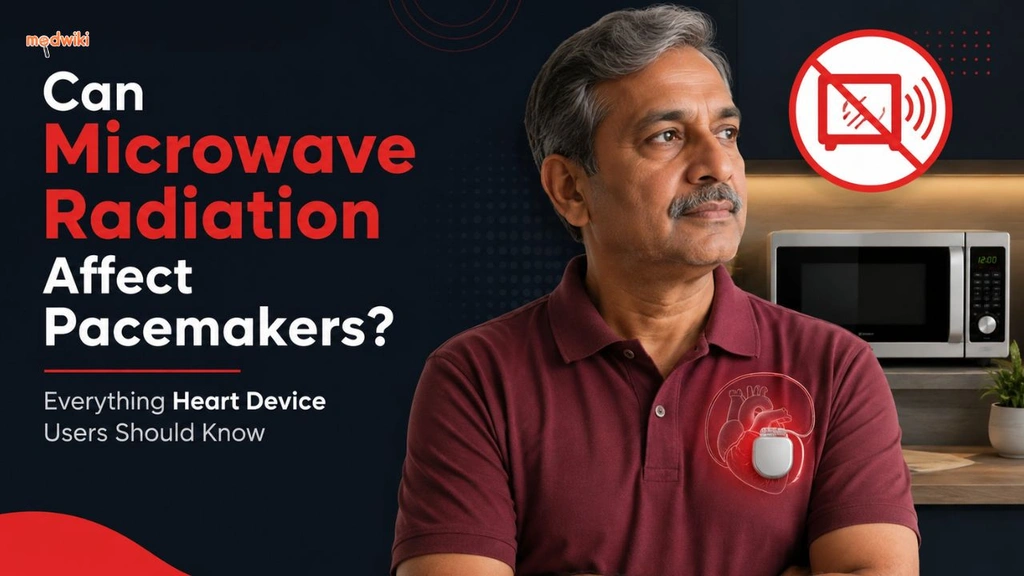
People withpacemakersandimplantable cardioverter defibrillators (ICDs) often worry about household appliances that use electricity. One of the most common concerns is whether microwave ovens produce radiation that can interfere with these life-saving heart devices.The good news is that modern microwave ovens are designed with strong safety features that prevent harmful microwave leakage. Likewise, today's pacemakers and ICDs are built with advanced shielding that makes them resistant to most everyday sources of electromagnetic interference (EMI).Understanding how microwave ovens work and when electromagnetic interference can actually occur helps people use household appliances safely. This guide explains the facts about microwave radiation, pacemaker safety, and simple precautions recommended by experts.What Is Microwave Radiation?Microwave radiation is a form ofnon-ionizing electromagnetic energy used to heat food quickly. Unlike X-rays or gamma rays, it does not damage DNA or make food radioactive.Inside a microwave oven, electromagnetic waves cause water molecules in food to vibrate rapidly. This vibration creates heat that cooks or reheats food evenly.The microwave energy remains inside the metal cooking chamber while the appliance is operating. Safety standards require microwave ovens to prevent significant leakage during normal use.Can You Understand How Pacemakers and Implantable Cardioverter Defibrillators (ICD) Work?Pacemakers and ICDs are implantable heart devices that help manage abnormal heart rhythms. They continuously monitor the heart and provide electrical support when needed.Pacemakers help regulate slow or irregular heartbeats by sending small electrical impulses.ICDs (Implantable Cardioverter Defibrillators) detect dangerous heart rhythms and deliver therapy to restore a normal heartbeat.Both devices use sensitive electronic circuits to monitor the heart's natural electrical activity.Because these devices rely on electrical signals, they can occasionally be affected by strong electromagnetic fields. However, modern pacemakers and ICDs are designed with shielding that makes interference from everyday appliances, including microwave ovens, extremely unlikely.What Is Electromagnetic Interference (EMI) and Can It Affect Pacemakers?Electromagnetic interference (EMI) occurs when electrical or magnetic fields from another device temporarily affect the operation of electronic equipment. The effect usually ends as soon as the source of interference is removed.EMI occurs when external electrical or magnetic fields interfere with electronic devices.The interference is usually temporary and stops when the source is removed.Most household appliances produce electromagnetic fields too weak to affect modern pacemakers or ICDs.Modern pacemakers and ICDs include protective shielding to reduce electromagnetic interference.Strong industrial equipment or powerful magnets are more likely to cause EMI than household electronics.Thanks to these safety features, the risk of EMI from everyday appliances like microwave ovens is extremely low. Following your healthcare provider's recommendations and using appliances as directed can help ensure your heart device continues to function safely.Can Microwave Radiation Affect Pacemakers or Implantable Cardioverter Defibrillator (ICD)Modern microwave ovens are designed with safety features that greatly limit microwave leakage. As a result, they are considered safe for most people with pacemakers or ICDs when used correctly.Modern microwave ovens do not normally interfere with pacemakers or ICDs.Scientific studies show that microwave leakage from functioning ovens is extremely low.Older pacemakers were more sensitive to electromagnetic interference than current models.Advances in technology have improved the safety of both microwave ovens and heart devices.Most people with implanted heart devices can safely use microwave ovens at home.By following the manufacturer's instructions and ensuring the microwave is in good working condition, people with pacemakers and ICDs can confidently use this everyday appliance.What Are the Common Myths About Microwaves and Heart Devices?Many misconceptions about microwave ovens and implanted heart devices continue to circulate despite advances in technology. Understanding the facts can help reduce unnecessary worry and promote safe everyday use.Microwave ovens automatically disable pacemakers. Modern pacemakers and ICDs are designed to work safely around properly functioning microwave ovens.Microwave-heated food becomes radioactive. Microwave cooking only heats food and does not make it radioactive.People with heart devices should avoid all household electronics. Most everyday appliances are safe when used normally.Standing near a microwave is dangerous for pacemaker users. Properly maintained microwave ovens emit extremely low levels of microwave leakage.Every microwave causes electromagnetic interference. Modern microwave ovens are built to minimize electromagnetic emissions.Advances in both microwave oven technology and cardiac implant design have made these concerns largely outdated. Following normal safety recommendations allows most people with pacemakers and ICDs to use microwave ovens confidently.How Can You Use a Microwave Safely With a Pacemaker or ICD?People with pacemakers and ICDs can safely use microwave ovens by following a few simple precautions. These habits help ensure both the appliance and the implanted heart device function as intended.Use a microwave oven with intact doors, hinges, and seals.Replace any microwave that appears damaged or does not close properly.Avoid leaning your chest directly against the microwave while it is operating.Follow the safety instructions provided with your pacemaker or ICD.Consult your cardiologist if you have concerns about specific household appliances.Modern microwave ovens are considered safe for people with implanted heart devices when they are properly maintained. If you ever notice unusual symptoms while using any electrical appliance, move away from the device and contact your healthcare provider.When Should You Be More Careful While Using a Microwave With a Pacemaker or ICD?Most people with pacemakers and ICDs can use microwave ovens safely without changing their daily routine. However, following a few simple precautions can provide extra peace of mind.Use only microwave ovens that are in good working condition.Check that the microwave door and seals are intact before use.Stand a comfortable distance away instead of leaning against the appliance.Read the safety guidance provided with your pacemaker or ICD.Speak with your cardiologist if you have questions about specific appliances.These simple safety measures help ensure your microwave and heart device work as intended. Modern pacemakers and ICDs are designed to resist interference from properly functioning household microwave ovens.What Signs Mean You Should Seek Medical Attention?Although microwave ovens rarely interfere with modern heart devices, certain symptoms should never be ignored. Prompt medical evaluation can help identify whether the cause is related to your heart or another medical condition.Persistent dizzinessor light-headedness should be evaluated by a healthcare provider.A racing or irregular heartbeat that occurs repeatedly requires medical attention.Loss of consciousness is a medical emergency and should be assessed immediately.Chest pain or an unexpected ICD shock requires urgent medical evaluation.Move away from the appliance and contact your healthcare provider if symptoms occur.Do not try to determine whether a microwave or another appliance is causing your symptoms on your own. A healthcare professional can properly evaluate your heart device and identify the underlying cause.ConclusionModern microwave ovens are considered safe for most people withpacemakers andimplantable cardioverter defibrillators (ICDs). Advances in medical device technology and microwave safety standards have made electromagnetic interference from household microwaves extremely unlikely.Using a properly maintained microwave, following simple precautions, and attending regular cardiac follow-up appointments can help ensure both convenience and safety. If unusual symptoms occur around any electrical device, move away and consult your healthcare provider.People with heart devices do not need to avoid microwave cooking altogether. Understanding the difference between microwave radiation and electromagnetic interference helps reduce unnecessary worry, supportsheart health, and allows people withpacemakers and ICDs to continue their daily activities with confidence.Frequently Asked Questions1. Can microwave radiation affect pacemakers?Modern microwave ovens do not normally affect properly functioning pacemakers when used correctly.2. Are microwave ovens safe for people with ICDs?Yes, properly maintained microwave ovens are considered safe for most people with ICDs.3. What is electromagnetic interference (EMI)?EMI is temporary interference from strong electromagnetic fields that may affect electronic devices like pacemakers.4. Should I stand away from the microwave if I have a pacemaker?Yes, avoid leaning directly against the microwave and stand at a normal, comfortable distance while it is operating.5. Can a damaged microwave interfere with a heart device?A damaged microwave with faulty door seals or hinges may leak more energy, so it should be repaired or replaced.6. Which household appliances are more likely to cause EMI than microwaves?Strong magnets, industrial equipment, and some medical devices are more likely to cause EMI than modern microwave ovens.7. What should I do if I feel symptoms while using a microwave?Move away from the appliance and contact your healthcare provider if symptoms persist or worsen.

1:15
Microwave ovens have become a part of everyday life because they make cooking and reheating food quick and convenient. Many people with heart disease often wonder whether microwave-cooked food is healthy or if it can negatively affect their heart.The good news is that microwave cooking itself is considered safe when the appliance is used correctly. Scientific evidence shows that microwaves heat food without making it radioactive or changing it into something harmful.Forheart patients, the biggest concern is not the microwave but the type of food being heated. A balanced diet with fresh, low-sodium, and nutrient-rich foods is far more important for heart health than the cooking method.How Does Microwave Cooking Work?A microwave oven uses electromagnetic waves to make water molecules inside food vibrate rapidly. This vibration produces heat that cooks or reheats the food from the inside.Unlike conventional ovens, microwaves do not remain inside the food after cooking. Once the microwave stops, the energy disappears immediately, and the food does not become radioactive.This means microwave cooking is simply another way of applying heat. It is similar to steaming, boiling, or baking, but it usually cooks food much faster.Is Microwave Food Safe for Heart Patients?Microwave-cooked food is generally considered safe for people with heart disease when used correctly. The health benefits depend more on the ingredients you choose than on the cooking method itself.Microwave cooking does not increase the risk of heart disease.It does not make food radioactive or harmful to the heart.Heart-healthy foods retain most of their nutrients after microwave cooking.Fresh, low-sodium meals are better choices than processed microwave foods.The nutritional quality of the food matters more than the cooking method.Choosing fresh, nutrient-rich ingredients and limiting salt, saturated fats, and added sugars can help support better heart health. When combined with a balanced diet, microwave cooking can be a safe and convenient option for heart patients.Common Myths About Microwave Food and Heart HealthThere are many myths about microwave cooking, but scientific evidence shows that microwave ovens are safe when used correctly. Most concerns are based on misconceptions rather than proven health risks.Microwave food does not become radioactive after cooking.Microwave cooking does not increase the risk of heart disease.Non-ionizing radiation heats food but does not remain in it.The nutritional quality depends on the ingredients, not the microwave.Microwave-cooked meals can be part of a heart-healthy diet.Understanding the facts can help you make informed choices about microwave use. Focusing on nutritious ingredients and healthy cooking habits is far more important for heart health than the cooking method itself.How to Safely Use a Microwave for Heart-Healthy MealsPreparing and reheating food safely is just as important as choosing nutritious ingredients. Following a few simple microwave safety practices can help protect both your heart health and overall well-being.Use only microwave-safe glass or ceramic containers.Stir food during heating to ensure even cooking.Reheat leftovers thoroughly to a safe temperature.Avoid heating food in damaged or non-microwave-safe plastics.Cover food loosely to retain moisture and promote even heating.By following these simple precautions, you can safely enjoy microwave-cooked meals while reducing the risk of foodborne illness. Safe cooking habits, combined with a heart-healthy diet, support better overall cardiovascular health.Best Microwave-Friendly Foods for Heart HealthA microwave can help prepare quick, nutritious meals when you choose the right ingredients. Fresh and minimally processed foods can support heart health while making cooking more convenient.Steamed vegetables provide fiber, vitamins, and essential minerals.Oatmeal, brown rice, and sweet potatoes offer heart-healthy carbohydrates.Lentils, beans, fish, and lean chicken provide healthy protein.Unsalted frozen vegetables can be convenient and nutritious choices.Herbs and natural spices can add flavor without excess salt.Choosing nutrient-rich foods and avoiding high-sodium or processed ingredients can help maintain healthy blood pressure and cholesterol levels. A balanced microwave-prepared meal can be a simple part of a heart-friendly lifestyle.What Is the Best Diet for Heart Patients?A heart-healthy diet focuses on nutrient-rich foods that support healthy blood pressure, cholesterol, and overall cardiovascular health. Making healthy food choices every day is more important than the cooking method.Eat plenty of fruits and vegetables every day.Choose whole grains, legumes, and lean protein sources.Include healthy fats from nuts, seeds, and olive oil.Limit sodium, sugary drinks, and processed foods.Avoid foods high in saturated and trans fats.A microwave can make preparing healthy meals quicker and more convenient without reducing their nutritional value. Combined with regular exercise and medical advice, a balanced diet helps support long-term heart health.What Are the Best Heart-Healthy Cooking Methods?Choosing healthy cooking methods can help reduce unhealthy fats while preserving the nutritional value of food. When combined with a balanced diet, these methods support better heart health.Steaming helps preserve nutrients without added fat.Baking and grilling require little or no added oil.Boiling and poaching are healthy options for many foods.Microwave cooking is a safe and heart-friendly cooking method.Avoid deep frying to reduce saturated and trans fats.The best results come from combining healthy cooking techniques with fresh, nutrient-rich ingredients. A balanced diet and healthy lifestyle play a greater role in heart health than any single cooking method.Does Microwave Cooking Affect Cholesterol Levels?Microwave cooking does not increasecholesterol levels or turn healthy foods into cholesterol-raising foods. The impact on cholesterol depends mainly on the ingredients and overall diet rather than the cooking method.Microwave cooking does not create harmful fats in food.Cholesterol levels are affected more by food choices than cooking methods.Foods high in saturated and trans fats can raise cholesterol levels.Microwave cooking can reduce the need for excess oil or butter.Vegetables, whole grains, and lean proteins support healthy cholesterol levels.Choosing heart-friendly ingredients and maintaining a balanced diet are key for managing cholesterol. When used properly, microwave cooking can be a convenient and healthy option for heart patients.Can Heart Patients Reheat Food in the Microwave Daily?Reheating food in a microwave every day is generally safe for heart patients when proper food storage and heating practices are followed. The microwave itself does not make food harmful to the heart.Daily microwave reheating does not increase heart disease risk.Store leftovers properly before reheating to maintain food safety.Heat food thoroughly to reduce the risk of harmful bacteria.Choose homemade meals with controlled salt and fat content.Soups, vegetables, lentils, and whole grains can be safely reheated.Using a microwave for reheating can be a convenient option for heart patients when combined with a balanced, low-sodium, and nutrient-rich diet.ConclusionMicrowave food is safe for most heart patients when prepared and reheated correctly. Scientific research shows that microwaves do not make food radioactive or harmful to the heart.The nutritional quality of the meal matters much more than the cooking appliance. Fresh vegetables, fruits, whole grains, lean proteins, and healthy fats remain the foundation of aheart-healthy diet.Using a microwave wisely can save time, preserve nutrients, and support healthier eating habits. Combined with regular exercise, prescribed medications, and medical guidance, microwave cooking can be part of a healthy lifestyle for people living with heart disease.Frequently Asked Questions1. Is microwave food safe for heart patients?Yes, microwave food is generally safe for heart patients when healthy ingredients and proper cooking practices are followed.2. Does microwave cooking increase the risk of heart disease?No, microwave cooking does not increase the risk of heart disease. The food quality matters more than the cooking method.3. Can heart patients reheat food in the microwave every day?Yes, heart patients can reheat food daily if food is stored properly and heated thoroughly.4. Does microwave cooking destroy nutrients in food?No, microwave cooking can help preserve nutrients due to shorter cooking times and less water usage.5. Can microwave food increase cholesterol levels?No, microwave cooking does not increase cholesterol levels. Unhealthy ingredients affect cholesterol more than microwaving.6. What are the best foods to cook in a microwave for heart health?Vegetables, oatmeal, whole grains, lentils, beans, fish, and lean proteins are healthy microwave options.7. Are microwave-safe containers important for heart patients?Yes, using microwave-safe glass or ceramic containers helps ensure safer food heating.
1:15
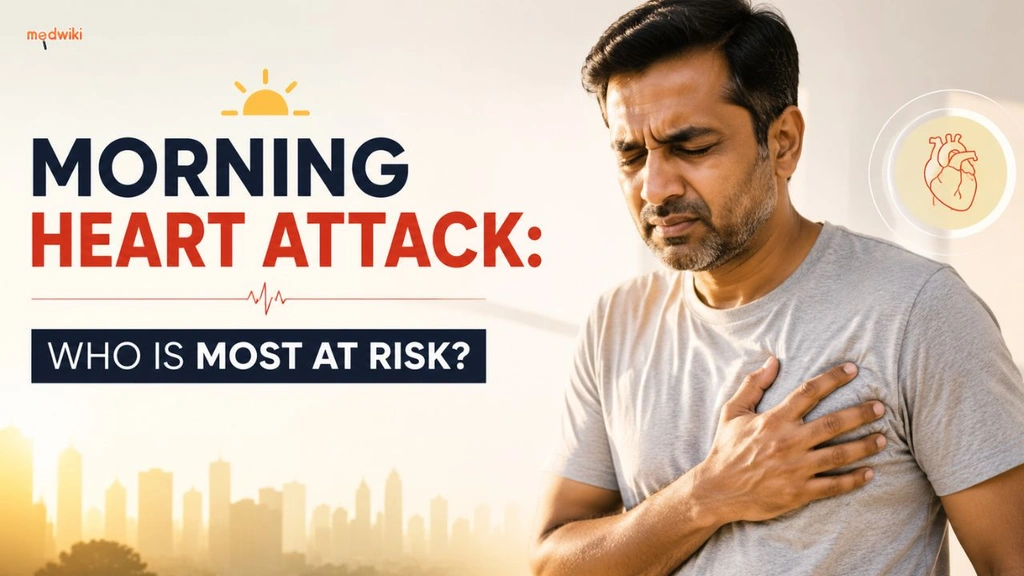
AMorningHeart Attack is a serious medical event that occurs during the early hours of the day, often shortly after a person wakes up. Many studies have shown that the risk of a heart attack tends to increase in the morning because the body experiences several sudden changes at that time. These changes include aBlood Pressure Spike, increased stress hormones, and a rise in heart rate.Understanding why these attacks happen is important for protecting long term health. People withCardiovascular Disease, diabetes, high blood pressure, or unhealthy lifestyle habits may face a greater risk. RecognizingHeart Attack Symptoms early can improve the chances of survival and reduce complications.Doctors also pay close attention toHeart Attack Risk Factors such as smoking, obesity, lack of exercise, and family history. While anyone can experience anEarly Morning Heart Attack, certain groups are more vulnerable. Learning about these risks can help people take steps toward better heart health and effectiveHeart Attack Prevention.Why Heart Attacks Often Happen in the MorningThe human body follows a naturalCircadian Rhythm that controls sleep, hormones, blood pressure, and heart function. During the early morning hours, the body prepares to wake up by releasing hormones that increase alertness. This sudden change can place extra stress on the heart.One important factor isCortisol and Heart Health. Cortisol levels naturally rise before waking, which helps the body become active. However, higher cortisol levels may also increase blood pressure and make the heart work harder, especially in people with existing heart conditions.Research suggests that aMorning Heart Attack is more common between 6 a.m. and noon. During this period, blood becomes slightly more likely to clot, blood vessels may narrow, and the heart requires more oxygen. These changes can trigger a heart attack in vulnerable individuals.Common Warning Signs to Watch ForRecognizingHeart Attack Warning Signs can save a life. Many people ignore early symptoms because they seem mild or temporary. Paying attention to changes in the body is essential.Here are some signs that should never be ignored:Chest Pain or pressure that lasts for several minutes.Pain spreads to the arms, neck, jaw, or back.Shortness of breath during rest or light activity.Unusual sweating or dizziness.Nausea or stomach discomfort.Extreme fatigue without a clear reason.Some people experience only mild discomfort, while others develop severe symptoms suddenly. If these signs appear, immediate medical attention is necessary becauseEmergency Heart Attack Treatment works best when given quickly.Who Faces the Highest Risk?Certain individuals are more likely to suffer aMorning Heart Attack than others. Age is an important factor, and risk generally increases after the age of 45 for men and 55 for women.People with the following conditions should be especially careful:High blood pressureDiabetesHigh cholesterolSmoking historyObesityPreviousCardiovascular DiseaseA family history of heart problems can also increase risk. Regular checkups and aCardiologist Consultation can help identify hidden problems before they become life threatening.The Role of Hormones and Blood PressureWhen people wake up, the body experiences a naturalBlood Pressure Spike. This rise helps prepare the body for daily activity, but it can be dangerous for those with narrowed arteries.Cortisol and Heart Health are closely connected because cortisol influences blood pressure, blood sugar, and inflammation. High cortisol levels over long periods may damage blood vessels and increase the risk of heart problems.Many researchers are studyinghow cortisol affects heart attack risk? believe that the early morning surge in cortisol can contribute to clot formation and increased strain on the heart. Combined with otherHeart Attack Risk Factors, this hormonal change may trigger a dangerous event.Lifestyle Habits That Increase the RiskDaily habits play a major role in determining heart health. Poor eating habits, smoking, excessive alcohol intake, and physical inactivity can gradually damage the heart and blood vessels. These unhealthy choices increase the likelihood ofCardiovascular Disease and make aMorning Heart Attack more likely over time.Making positive lifestyle changes can greatly reduce future health risks.Eat a balanced diet rich in fruits, vegetables, and whole grains.Exercise for at least 30 minutes on most days.Avoid smoking and limit alcohol consumption.Maintain a healthy body weight.Control diabetes and high cholesterol.Get enough quality sleep every night.Healthy habits supportHeart Attack Prevention and help reduce many commonHeart Attack Risk Factors before they become serious problems.Why Some Heart Attacks Have No Clear SymptomsNot every heart attack causes intenseChest Pain. Some people experience aSilent Heart Attack, where the symptoms are mild or mistaken for indigestion, tiredness, or muscle strain. This can delay diagnosis and increase the risk of long term heart damage.Being aware of subtle warning signs is just as important as recognizing severe symptoms.Unexplained weaknessMild discomfort in the chest or backShortness of breathCold sweatsNauseaSudden fatigueASilent Heart Attack can still seriously damage the heart. If unusual symptoms continue, seek aCardiologist Consultation to receive proper testing and treatment.When to Seek Immediate Medical CareQuick action can save lives whenHeart Attack Symptoms appear. Waiting to see if the pain goes away may lead to permanent heart damage. Calling emergency services immediately is always the safest decision.Every minute matters during a suspected heart attack.Call emergency medical services immediately.Do not attempt to drive yourself if symptoms are severe.Stay calm and sit in a comfortable position.Take prescribed medication if advised by your doctor.Inform family members about the situation.Follow instructions from emergency responders.FastEmergency Heart Attack Treatment improves survival rates and helps reduce long term complications after a heart attack.Steps to Lower Your Risk Every DayPreventing heart disease starts with consistent healthy choices. Small improvements in diet, exercise, and stress management can significantly lower the chances of experiencing anEarly Morning Heart Attack. Managing blood pressure and following medical advice also play a major role.Simple daily actions make a lasting difference.Monitor blood pressure regularly.Eat foods low in saturated fat and salt.Stay physically active.Manage stress through relaxation techniques.Get regular health screenings.Follow prescribed medications consistently.PracticingHeart Attack Prevention every day helps protect your heart and lowers the risk of future cardiovascular problems.Benefits of Early Detection and Regular CheckupsEarly detection gives doctors a better chance to identify hidden heart problems before they become life threatening. Regular screenings can uncover high cholesterol, high blood pressure, and otherHeart Attack Risk Factors that often develop without obvious symptoms. Routine medical care also supports betterCardiovascular Disease management.Staying informed about your heart health is one of the best ways to reduce future risk.Detect heart problems before symptoms appear.Monitor changes in blood pressure and cholesterol.Receive personalized treatment plans.Improve long term heart function.Reduce the risk of serious complications.Build healthier lifestyle habits.A timelyCardiologist Consultation can provide valuable guidance for protecting your heart.Possible Complications After a Heart AttackA heart attack can affect more than just the heart muscle. Without prompt treatment, it may lead to long term complications that reduce quality of life. ReceivingEmergency Heart Attack Treatment quickly helps limit damage and improves recovery outcomes.Understanding these complications encourages people to seek medical care without delay.Irregular heartbeatHeart failureDamage to heart muscleReduced physical staminaIncreased risk of another heart attackEmotional stress and anxietyRecognizingHeart Attack Warning Signs early and acting quickly can greatly improve recovery and overall heart health.Building a Heart Healthy FutureProtecting your heart requires daily commitment and informed choices. Understanding yourCircadian Rhythm, maintaining healthy habits, and managing stress all contribute to better heart function. These efforts also reduce the chances of anotherMorning Heart Attack.Every positive choice supports a stronger and healthier heart.Follow a nutritious diet.Stay active throughout the week.Get enough restful sleep.Keep stress under control.Attend regular medical checkups.Follow your doctor's treatment plan.ConsistentHeart Attack Prevention strategies can help you enjoy a healthier future and lower your overall heart disease risk.ConclusionAMorning Heart Attack can happen without warning, but understanding the causes and risk factors makes prevention possible. Paying attention toHeart Attack Symptoms and making healthy lifestyle choices can greatly reduce the chances of serious complications.Learning aboutBlood Pressure Spike,Cortisol and Heart Health, and the body'sCircadian Rhythm helps explain why the early morning hours carry a higher risk. Early action and regular monitoring are key to protecting your heart.If you noticeHeart Attack Warning Signs or have multipleHeart Attack Risk Factors, do not ignore them. Schedule aCardiologist Consultation, follow medical advice, and focus on long termHeart Attack Prevention to maintain a healthy and active life.FollowMedwikifor more!Frequently Asked Questions1. Why is a Morning Heart Attack more common after waking up?AMorning Heart Attack is more common because the body experiences a natural rise in blood pressure, heart rate, and cortisol levels after waking. These changes can increase stress on the heart, especially in people with existing heart conditions.2. What are the most common Heart Attack Symptoms?CommonHeart Attack Symptoms includeChest Pain, shortness of breath, pain in the arm or jaw, sweating, nausea, dizziness, and unusual fatigue. Symptoms can vary from person to person.3. What is a Silent Heart Attack?ASilent Heart Attack occurs with very mild or unnoticed symptoms. Some people mistake the discomfort for indigestion or muscle pain, making it important to seek medical evaluation if unusual symptoms persist.4. How does cortisol affect heart attack risk?Many people ask,How does cortisol affect heart attack risk? Cortisol naturally rises in the morning and can increase blood pressure and heart workload. In people with existingCardiovascular Disease, this may contribute to a higher risk of heart attack.5. Who should have a Cardiologist Consultation?Anyone with high blood pressure, diabetes, high cholesterol, a family history of heart disease, or repeatedHeart Attack Warning Signs should consider aCardiologist Consultation for proper evaluation.6. How can I reduce my risk of an Early Morning Heart Attack?Maintaining a healthy diet, exercising regularly, controlling blood pressure, avoiding smoking, managing stress, and followingHeart Attack Prevention strategies can help lower the risk of anEarly Morning Heart Attack.7. Why is Emergency Heart Attack Treatment so important?Emergency Heart Attack Treatment restores blood flow to the heart as quickly as possible. Fast medical care reduces heart muscle damage, improves survival, and lowers the risk of long term complications.
1:15
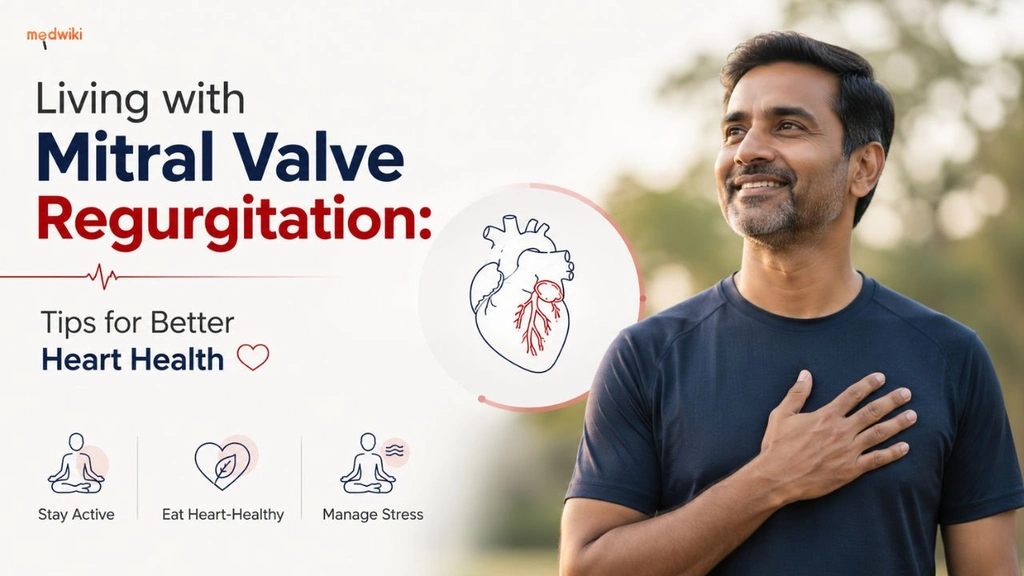
Being diagnosed withmitral valve regurgitation can feel overwhelming, but many people continue to live healthy and active lives with the right treatment andlifestyle changes. This condition occurs when the heart's mitral valve does not close properly, allowing blood to flow backward instead of moving efficiently through the heart. Early diagnosis and proper care play a major role in preventing complications.Learning aboutmitral valve regurgitation helps patients understand their symptoms, treatment options, and daily care routine. While some people experience only mild symptoms, others may require medication or surgery depending on the severity of the condition. Regular medical checkups and healthy habits are essential for long-term heart health.This guide explains everything you need to know aboutmitral valve regurgitation, including common symptoms, treatment options, lifestyle tips, and ways to maintain a healthy heart while living with this condition.Understanding Mitral Valve RegurgitationMitral valve regurgitation is a condition in which the mitral valve does not close tightly, allowing blood to leak backward into the left atrium. This problem is commonly known as aLeaky Heart Valve and is one of the most common types ofHeart Valve Disease. The condition may develop slowly over many years or appear suddenly due to injury or infection.One of the leading causes isMitral Valve Prolapse, where the valve flaps bulge backward during each heartbeat. Patients often search formitral valve prolapse vs regurgitation to understand the difference. While prolapse refers to the abnormal movement of the valve, regurgitation describes the backward leakage of blood that may occur because of the prolapse.Understanding how the condition develops helps patients recognize early warning signs and seek treatment before complications become serious.Common Symptoms to Watch ForMany people with mildmitral valve regurgitation have no symptoms at first. As the condition progresses, the heart works harder to pump blood, leading to noticeable health problems.Common symptoms include:Shortness of BreathFatigue during physical activityChest discomfortIrregular heartbeatSwollen ankles or feetAHeart Murmur detected by a doctorTheseMitral Regurgitation Symptoms should never be ignored. Early diagnosis allows doctors to monitor the condition and recommend appropriate treatment.Causes and Risk FactorsSeveral medical conditions can lead tomitral valve regurgitation. Aging is one of the most common causes, but infections, heart attacks, and inherited conditions may also damage the valve.Major risk factors include:Mitral Valve ProlapseRheumatic feverHigh blood pressurePrevious heart attackCongenital heart defectsAge-related valve changesKnowing your risk factors helps you work with your healthcare provider to prevent disease progression and protect overall heart health.How Doctors Diagnose the ConditionDoctors use several tests to confirmmitral valve regurgitation and determine its severity. The most important diagnostic test is anEchocardiogram, which creates detailed images of the heart and its valves.Additional diagnostic methods include:Physical examinationListening for aHeart MurmurElectrocardiogram (ECG)Chest X-rayCardiac MRIExercise stress testingAccurate diagnosis allows doctors to create a personalized treatment plan and monitor changes over time.Treatment OptionsThe appropriatemitral valve regurgitation treatment depends on the severity of the condition and the presence of symptoms. Mild cases often require regular monitoring, while moderate or severe cases may need medication or surgery.Treatment options include:Blood pressure medicationsDiureticsHeart rhythm medicationsLifestyle changesRegular monitoringSurgery when necessaryEarlymitral valve regurgitation treatment helps reduce symptoms and lowers the risk of complications.When Surgery May Be NeededSome patients eventually requireMitral Valve Replacement or valve repair when the leakage becomes severe. Surgery is usually recommended if symptoms worsen or the heart begins to weaken.Doctors may recommend surgery if:Symptoms become severe.Heart function declines.The valve damage worsens.Medications are no longer effective.Severe leakage is confirmed.Daily activities become difficult.ModernMitral Valve Replacement procedures have significantly improved patient outcomes and recovery times.Healthy Lifestyle TipsLiving well withmitral valve regurgitation involves making healthy lifestyle choices that support heart function. Small daily habits can make a significant difference in overall health.Healthy habits include:Eat a heart-healthy diet.Exercise regularly as advised.Maintain a healthy weight.Avoid smoking.Limit alcohol intake.Manage stress effectively.These simple lifestyle changes help improve heart health while supporting long-term treatment success.Possible ComplicationsWithout proper treatment,mitral valve regurgitation can lead to serious health problems. As the heart works harder to compensate for the leaking valve, it may eventually become weaker.Possible complications include:Heart FailureIrregular heartbeatEnlarged heartPulmonary hypertensionBlood clotsIncreased fatigueRegular follow-up appointments help doctors identify complications before they become severe.Living with the ConditionMany patients ask aboutmitral valve regurgitation life expectancy after receiving a diagnosis. The answer depends on the severity of the condition, overall heart health, age, and how early treatment begins.To manage the condition successfully:Attend regular checkups.Take medications as prescribed.Report new symptoms immediately.Stay physically active.Follow dietary recommendations.Monitor blood pressure.With proper care, many people enjoy a goodmitral valve regurgitation life expectancy and continue living active, fulfilling lives.ConclusionLiving withmitral valve regurgitation requires awareness, regular medical care, and healthy lifestyle choices. Early diagnosis and proper treatment greatly improve long-term outcomes while reducing the risk of serious complications.Modernmitral valve regurgitation treatment, improved diagnostic tools likeEchocardiogram, and advanced surgical options such asMitral Valve Replacement have made managing this condition more effective than ever.If you experienceMitral Regurgitation Symptoms, aHeart Murmur, or persistentShortness of Breath, consult your healthcare provider promptly. Early action is one of the best ways to protect your heart and maintain a healthy, active life.FollowMedwikifor more!Frequently Asked Questions1. What is mitral valve regurgitation?Mitral valve regurgitation is a condition where the mitral valve does not close properly, allowing blood to leak backward inside the heart.2. What are the common symptoms of mitral valve regurgitation?CommonMitral Regurgitation Symptoms include fatigue,Shortness of Breath, irregular heartbeat, swelling in the legs, and aHeart Murmur.3. Can mitral valve regurgitation be treated without surgery?Yes. Mild cases often require regular monitoring, medications, and lifestyle changes. Severe cases may requireMitral Valve Replacement or valve repair.4. What is the difference between mitral valve prolapse and regurgitation?Mitral Valve Prolapse occurs when the valve bulges backward, while regurgitation refers to blood leaking backward through the valve. This explainsmitral valve prolapse vs regurgitation.5. How is mitral valve regurgitation diagnosed?Doctors commonly use anEchocardiogram, physical examination, ECG, chest X-ray, and other imaging tests to diagnose the condition.6. Does mitral valve regurgitation affect life expectancy?Mitral valve regurgitation life expectancy depends on the severity of the condition, overall health, and how early appropriate treatment begins.7. Can mitral valve regurgitation cause heart failure?Yes. If left untreated, severemitral valve regurgitation can eventually lead toHeart Failure, making early diagnosis and treatment very important.
1:15
HormonalHypertension is a type of high blood pressure caused by changes or disorders in the body's hormone-producing glands. Hormones play a major role in controlling blood pressure, heart function, and fluid balance. When hormone levels become abnormal, blood pressure can rise and become difficult to control.Many people live with high blood pressure without realizing that hormones may be the underlying cause. Understanding the connection between hormones and blood pressure can help patients receive the right diagnosis and treatment. Early detection often reduces the risk of complications such as heart disease, stroke, and kidney damage.The relationship betweenHormonal Hypertension and overall health is complex. Various hormone-related conditions can affect blood pressure levels, making proper medical evaluation essential. Learning about symptoms, causes, risk factors, and treatment options can support better long-term health outcomes.Understanding the Role of Hormones in Blood PressureThe connection betweenHormones and Hypertension is well established in medical science. Hormones help control heart rate, blood vessel function, and the amount of fluid retained by the body. Any imbalance can influence blood pressure levels and overall cardiovascular health.Blood Pressure Regulation depends on several hormones working together. These hormones send signals that help blood vessels widen or narrow according to the body's needs. When these signals become disrupted, blood pressure can increase beyond normal ranges.Many endocrine glands contribute to maintaining stable circulation. ProperHormonal Health supports healthy blood pressure, while hormone disorders can interfere with normal body functions. UnderstandingHow do hormones affect blood pressure? is important for identifying the root cause of certain hypertension cases.Common Signs and Symptoms of Hormonal CausesThe symptoms ofHormonal Hypertension often vary depending on the hormone involved. Some people experience subtle signs, while others develop noticeable health changes that require medical attention.Common symptoms may include:Persistent high blood pressureFrequent headachesUnexplained weight changesExcessive sweatingFatigue and weaknessRapid or irregular heartbeatRecognizing these symptoms early can help healthcare providers investigate possibleEndocrine Disorders. Timely diagnosis often improves treatment outcomes and reduces long-term complications.Major Risk Factors Associated with Hormonal ImbalancesSeveral conditions increase the likelihood of developingHormonal Hypertension. These factors may affect hormone production, hormone activity, or gland function.Important risk factors include:Family history of hormone disordersObesity and metabolic problemsChronic stress exposureThyroid dysfunctionAdrenal gland abnormalitiesCertain medicationsMany people ask,Can hormonal imbalance cause high blood pressure? The answer is yes. Various hormonal disturbances can directly affect blood vessel function and fluid balance, leading to elevated blood pressure over time.The Impact of Stress Hormones on Blood PressureOne of the strongest influences on blood pressure comes fromStress Hormones. These hormones prepare the body to respond to physical or emotional challenges. Short-term increases are normal, but prolonged activation can create health concerns.The relationship betweenStress and Blood Pressure becomes more significant when stress remains constant. Continuous hormone release can keep blood pressure elevated and place extra strain on the heart and arteries.Many studies exploringHow do hormones affect blood pressure? highlight the important role of stress-related hormonal activity. Managing stress effectively can support healthier cardiovascular function and improve overall well-being.Cortisol and Its Connection to HypertensionCortisol Levels naturally rise and fall throughout the day. This hormone helps regulate metabolism, immune function, and the body's response to stress. Problems occur when cortisol remains excessively high for long periods.TheCortisol and hypertension relationship has been widely studied. Elevated cortisol can increase blood vessel sensitivity and encourage fluid retention, both of which contribute to high blood pressure.Key effects of abnormal cortisol include:Increased blood pressure levelsHigher fluid retentionGreater cardiovascular strainSleep disturbancesWeight gainReduced metabolic balanceMaintaining healthyHormonal Health often includes monitoring cortisol levels and addressing factors that may contribute to chronic elevation.Thyroid Disorders and Blood Pressure ChangesThyroid Hormones play a vital role in controlling metabolism and cardiovascular function. Even small changes in thyroid activity can influence blood pressure and heart performance.Both overactive and underactive thyroid conditions affect circulation differently. This is why healthcare providers often evaluate thyroid function in people with unexplained hypertension.Common thyroid-related effects include:Faster heart rateSlower circulationIncreased blood pressure variabilityFatigueWeight fluctuationsTemperature sensitivityThe connection betweenThyroid Hormones and cardiovascular health highlights the importance of regular screening when symptoms suggest a hormonal cause.Hyperthyroidism and Blood Pressure ElevationHyperthyroidism and Hypertension are frequently linked because excessive thyroid hormone production increases the body's metabolic activity. The heart works harder, and blood vessels experience greater pressure.Patients withHyperthyroidism and Hypertension may notice symptoms such as nervousness, rapid heartbeat, excessive sweating, and unintended weight loss. These symptoms often develop gradually and worsen if left untreated.Important signs associated with hyperthyroidism include:Increased heart rateAnxiety and irritabilityWeight lossHeat intoleranceTremorsElevated systolic pressureProper treatment of thyroid disorders often improves blood pressure control and reduces cardiovascular risks associated withHyperthyroidism and Hypertension.Hypothyroidism and Cardiovascular EffectsHypothyroidism and Blood Pressure are connected through slower metabolic processes and changes in blood vessel function. Reduced thyroid activity can increase resistance within blood vessels, leading to elevated pressure.Many people withHypothyroidism and Blood Pressure concerns experience symptoms that develop slowly over time. Fatigue, weight gain, and cold sensitivity are among the most common warning signs.Key effects may include:Slower heart rateIncreased vascular resistanceFatigueWeight gainDry skinReduced energy levelsManagingHypothyroidism and Blood Pressure often involves thyroid hormone replacement therapy and regular monitoring by healthcare professionals.Adrenal Gland Disorders and Their InfluenceAdrenal Gland Disorders can significantly affect blood pressure because the adrenal glands produce hormones that regulate fluid balance and vascular function. Conditions involving excess hormone production often contribute to persistent hypertension.Several forms ofEndocrine Disorders originate in the adrenal glands. These disorders may alter sodium balance, blood vessel constriction, and overall cardiovascular performance.Important effects include:Increased sodium retentionElevated blood pressureHormonal imbalanceMuscle weaknessHeadachesExcessive fatigueBecauseAdrenal Gland Disorders may remain undiagnosed for years, comprehensive hormone testing is often necessary when blood pressure remains difficult to manage.Effective Treatment and Management StrategiesTreatingHormonal Hypertension requires identifying the specific hormone imbalance responsible for elevated blood pressure. Management plans are tailored according to the underlying condition and the patient's overall health.Doctors often combine medication, lifestyle changes, and treatment of the root hormonal disorder. ImprovingHormonal Health can support long-term blood pressure control and reduce the likelihood of complications.Common treatment approaches include:Hormone-regulating medicationsBlood pressure medicationsDietary improvementsStress management techniquesRegular physical activityRoutine medical monitoringSuccessful treatment depends on addressing the source of the imbalance. Proper care can improveBlood Pressure Regulation and help patients maintain better cardiovascular health over time.ConclusionHormonal Hypertension is a complex condition that develops when hormones interfere with normal cardiovascular function. Understanding the role of hormones helps identify hidden causes of persistent high blood pressure.Conditions involvingCortisol Levels,Thyroid Hormones, andAdrenal Gland Disorders can all contribute to elevated blood pressure. Early diagnosis allows patients to receive targeted treatment and improve overall health outcomes.Maintaining goodHormonal Health, managingStress and Blood Pressure, and seeking medical evaluation for possibleEndocrine Disorders are important steps toward better long-term cardiovascular wellness.FollowMedwikifor more!Frequently Asked Questions1. What is Hormonal Hypertension?Hormonal Hypertension is high blood pressure caused by hormone imbalances or disorders affecting glands such as the thyroid, adrenal glands, or pituitary gland. These hormones influence blood vessel function, fluid balance, and heart activity.2. How do hormones affect blood pressure?Many people wonder,How do hormones affect blood pressure? Hormones regulate blood vessel constriction, heart rate, and fluid retention. Changes in hormone levels can raise or lower blood pressure depending on the specific hormone involved.3. Can hormonal imbalance cause high blood pressure?Yes,Can hormonal imbalance cause high blood pressure? Hormonal disturbances involving cortisol, thyroid hormones, or adrenal hormones can contribute to sustained hypertension and cardiovascular complications.4. What is the cortisol and hypertension relationship?TheCortisol and hypertension relationship involves increased blood vessel sensitivity and fluid retention. High cortisol levels over time may significantly increase blood pressure and cardiovascular risk.5. How are thyroid hormones linked to hypertension?Thyroid Hormones influence metabolism and heart function. Both excessive and insufficient thyroid hormone production can affect circulation and contribute to abnormal blood pressure levels.6. Are adrenal gland disorders a common cause of hypertension?CertainAdrenal Gland Disorders are recognized causes of secondary hypertension. These conditions may lead to excess hormone production that directly impacts blood pressure control.7. Can hormonal hypertension be treated successfully?Yes,Hormonal Hypertension can often be managed effectively when the underlying hormonal condition is identified and treated. Proper medical care, lifestyle changes, and ongoing monitoring can significantly improve outcomes.

1:15
Many people look for simple ways to support heart health and improve their cholesterol levels. One popular option found in almost every kitchen is g arlic. The idea of usingGarlicfor High Cholesterol has gained attention because garlic contains natural compounds that may support overall wellness.High cholesterol is a common health concern that can increase the risk of heart disease and other complications. While medications are often prescribed, many people also explore lifestyle changes and dietary approaches. This has led to growing interest inNatural Remedies for High Cholesterol and foods that may provide additional support.Garlic has been used in traditional health practices for centuries. Today, researchers continue to study whether it can help peoplelower cholesterol naturally and contribute to better long-term health outcomes.Understanding Cholesterol and Heart HealthCholesterolis a waxy substance that your body needs for important functions. However, having too much cholesterol in the bloodstream can increase the risk of artery blockage and heart disease.Doctors usually focus onHDL and LDL Cholesterol levels when assessing a person's health. LDL is often called bad cholesterol because high levels may lead to plaque buildup in arteries.Maintaining balanced cholesterol levels is an important part ofHigh Cholesterol Management. A combination of healthy eating, regular exercise, and medical guidance can support betterCardiovascular Health over time.What Makes Garlic Special?Garlic contains sulfur compounds, including allicin, which are believed to contribute to many of its health-promoting properties. These compounds are released when garlic is chopped, crushed, or chewed.The potential effects of garlic have encouraged scientists to examine its role in supporting heart function and cholesterol balance.Contains naturalsulfur compoundsRich in antioxidantsMay support blood circulationOften included in aHealthy Heart DietEasy to add to daily mealsUsed in traditional wellness practicesBecause of these qualities, many people consider garlic a useful addition to a balanced eating plan focused on overall wellness.What Research Says About GarlicSeveral studies have explored whether garlic can improve cholesterol levels. Results vary, but some research suggests that regular garlic consumption may produce modest improvements.This ongoing research helps answer the question:Can garlic lower cholesterol levels naturally?Some studies show small LDL reductionsBenefits may depend on dosageEffects vary between individualsFreshgarlicand supplements may differLong-term use appears more effectiveLifestyle habits influence outcomesAlthough findings are mixed, researchers generally agree that garlic can be part of broaderHigh Cholesterol Management efforts when combined with healthy habits.How Garlic May Affect Cholesterol LevelsGarlic may influence cholesterol production in the liver. Some experts believe its active compounds can help regulate processes involved in cholesterol formation.Research also suggests that garlic may reduce oxidative stress. Lower oxidation may help protect blood vessels and support betterCardiovascular Health. This is one reason theHeart Health Benefits of Garlic continue to attract scientific interest.Another important factor is its possible effect onHDL and LDL Cholesterol balance. While garlic is not a replacement for medical treatment, it may provide additional support for people seeking better cholesterol control through diet and lifestyle.Best Ways to Include Garlic in Your DietAdding garlic to meals is one of the simplest ways to enjoy its potential benefits. It can be used in cooking, sauces, soups, and vegetable dishes.Making garlic a regular part of your meals can support aHealthy Heart Diet and complement other healthy lifestyle choices.Add fresh garlic to saladsMix garlic into soupsUse it in vegetable dishesInclude it in homemade saucesCombine with lean proteinsAdd to whole grain recipesConsistent dietary habits often matter more than occasional use. Regular intake may help support those trying tolower cholesterol naturally through everyday food choices.Garlic and Other Healthy Lifestyle HabitsGarlic works best when combined with a complete wellness approach. No single food can solve cholesterol problems on its own.For better results, garlic should be paired with exercise, weight management, and a balanced eating pattern that promotesCardiovascular Health.Stay physically activeMaintain a healthy weightLimit processed foodsEat more fruits and vegetablesReduce excess saturated fatsFollow medical adviceThese habits strengthen the impact ofNatural Remedies for High Cholesterol and create a more sustainable path toward long-term health improvements.Comparing Garlic With Other Natural OptionsMany foods are promoted for cholesterol support, including oats, nuts, olive oil, and fatty fish. Garlic is often discussed alongside these options.Its popularity comes from the well-knownGarlic Benefits for Cholesterol and its convenience as an everyday ingredient.Oats provide soluble fiberNuts contain healthy fatsOlive oil supports heart wellnessFish provides omega-3 fatsVegetables add important nutrientsGarlic offers unique plant compoundsUsing several heart-friendly foods together may be more effective than relying on a single ingredient. This strategy can help peoplelower cholesterol naturally while supporting overall wellness.Garlic Supplements and Daily UseSome individuals prefer supplements instead of fresh garlic because they offer convenience and consistent dosing.Garlic Supplements for Cholesterol are available in capsules, tablets, and aged garlic extract forms.Before choosing a supplement, it is important to understand that product quality and strength can vary significantly between brands.Convenient for daily useAvailable in different formsMay reduce garlic odorEasy to include in routinesDosage can be measuredOften used alongside diet changesGarlic Supplements for Cholesterol may be useful for some people. However, professional medical advice is recommended before beginning any supplement routine.Potential Advantages of Regular Garlic IntakeThe growing interest inGarlic for High Cholesterol is linked to the wide range of wellness benefits associated with this food. Many people appreciate its versatility and nutritional value.Researchers continue examining theHeart Health Benefits of Garlic and its possible role in supporting healthy blood vessels and circulation.May support cholesterol balanceContains antioxidant compoundsSupports healthy eating habitsEasy to include in mealsMay contribute to heart wellnessComplements other healthy foodsTheGarlic Benefits for Cholesterol appear most meaningful when garlic is used regularly as part of a balanced lifestyle.Possible Risks and PrecautionsAlthough garlic is generally safe, excessive amounts may cause unwanted effects in some individuals. Awareness of these concerns helps ensure safe use.People taking blood-thinning medications or preparing for surgery should discuss garlic intake with a healthcare professional.May cause digestive discomfortCan lead to bad breathMay interact with medicationsLarge amounts may irritate the stomachSome people experience allergiesSupplement quality variesMost people can enjoy garlic safely in normal food amounts. Moderation and professional guidance are important when using concentrated products.ConclusionThe evidence suggests thatGarlic for High Cholesterol may offer modest support for cholesterol management. While it is not a cure, it can be a valuable addition to healthy daily habits.Combining garlic with aMediterranean Diet, regular exercise, and routine health monitoring can improve overall outcomes. These strategies supportHigh Cholesterol Management more effectively than relying on a single food.People interested inGarlic for High Cholesterol should focus on consistency and balanced nutrition. A healthcare provider can help determine the best approach based on individual needs and health goals.FollowMedwikifor more!Frequently Asked Questions1. Can garlic lower cholesterol levels naturally?Many studies suggest garlic may contribute to modest reductions in LDL cholesterol. However, results vary among individuals, and garlic works best when combined with healthy lifestyle habits.2. How much garlic should I eat daily?There is no universal recommendation. Many people consume one to two cloves daily as part of a balanced diet, though personal needs may differ.3. Are Garlic Supplements for Cholesterol effective?Some studies indicate that supplements may provide benefits, but effectiveness depends on the product type, dosage, and individual response. Consulting a healthcare professional is advisable.4. Does garlic increase HDL cholesterol?Research findings are mixed. Some studies suggest small improvements inHDL and LDL Cholesterol balance, while others show limited effects.5. What foods work well with garlic for cholesterol control?Garlic pairs well with foods commonly included in aMediterranean Diet, such as vegetables, olive oil, legumes, whole grains, and fish.6. Should I get a Cholesterol Blood Test while using garlic?Yes. ACholesterol Blood Test is the best way to monitor cholesterol levels and determine whether dietary changes are making a difference. Regular testing supports informed decisions aboutHigh Cholesterol Management. ACholesterol Blood Test also helps doctors evaluate overallCardiovascular Health.7. Is garlic alone enough for cholesterol management?No. Garlic should be viewed as one part of a broader strategy that includes aHealthy Heart Diet, physical activity, and regular medical care. These combined efforts supportNatural Remedies for High Cholesterol, strengthenCardiovascular Health, and help maintain healthy cholesterol levels.

1:15
Heart health is essential for maintaining an active and healthy life. When the heart's electrical system does not function properly, it can lead to irregular heartbeats, fatigue, dizziness, and other serious complications. In such situations, doctors may recommend a medical device that helps regulate the heartbeat and improve overall heart function.Apacemaker is one of the most effective solutions for people experiencing abnormal heart rhythms. Understanding how this device works, who may need it, and what life is like after implantation can help patients and families make informed decisions. This guide covers everything you need to know about apacemaker and its role in modern heart care.Many individuals diagnosed withHeart Rhythm Disorders benefit from this advanced technology. Whether you are researching treatment options or learning about recovery and long-term care, understanding the basics of apacemaker can provide clarity and peace of mind.Understanding How a Pacemaker WorksApacemaker of the heart is a small electronic device designed to help regulate abnormal heart rhythms. It sends electrical impulses to the heart when the naturalheartbeat becomes too slow or irregular.The device consists of a pulse generator and one or more wires called leads. These components work together to monitor heart activity and deliver electrical signals when necessary.A moderncardiac pacemaker is programmed according to a patient's specific needs. It continuously tracks the heartbeat and provides support only when required, helping maintain a healthy rhythm and improving overall heart function.What Is a Pacemaker and Why Is It Needed?Many people ask what a pacemaker is and why doctors recommend it. A pacemaker is a medical device implanted under the skin to help control abnormal heart rhythms.To understand its importance, it helps to know the situations in which it may be required.Treats aSlow Heart RateSupports abnormal heart rhythmsHelps manageHeart Rhythm DisordersImproves blood circulationReduces dizziness and fatigueEnhances daily activitiesUnderstandingwhat is a pacemaker of the heart helps patients recognize how this device supports the body's natural heartbeat and improves quality of life.Conditions That May Require a PacemakerDoctors recommend apacemaker in the heart when the natural electrical signals fail to maintain an appropriate heartbeat. Certain medical conditions increase the likelihood of needing this device.Knowing the common reasons for implantation can help patients understand treatment recommendations.SevereSlow Heart RateElectrical conduction problemsSome congenital heart conditionsAdvanced heart blockRecurring fainting episodesCertain types ofarrhythmiasApacemaker of the heart helps restore a stable rhythm and allows the heart to pump blood more effectively throughout the body.Types of Pacemakers AvailableSeveral types of pacemakers are available depending on the patient's condition. Each type is designed to address specific rhythm abnormalities and support heart function.Anartificial pacemaker may have one, two, or three leads depending on the complexity of the heart rhythm issue. The choice depends on medical evaluation and diagnostic testing.Atemporary pacemaker is sometimes used during emergencies or short-term treatment situations. Permanent devices are more common for long-term management of chronic heart rhythm conditions.Understanding Pacemaker SurgeryPacemaker surgery is a commonly performed procedure and is generally considered safe. The device is usually implanted beneath the skin near the collarbone.Learning about the procedure can reduce anxiety before treatment.Performed under local anesthesiaUsually completed within a few hoursLeads are inserted through blood vesselsDevice placement is carefully monitoredMost patients recover quicklyHospital stay is often shortAfterpacemaker surgery, patients receive instructions about activity restrictions, wound care, and follow-up appointments to ensure proper healing.Benefits of Having a PacemakerApacemaker can significantly improve a patient's quality of life by helping the heart maintain a normal rhythm and reducing symptoms related to poor circulation.Many people notice improvements shortly after implantation.Improves heart rhythm stabilityReduces dizziness and faintingEnhances energy levelsSupports better circulationIncreases physical activity toleranceImproves overall well-beingFor individuals with seriousHeart Rhythm Disorders, acardiac pacemaker can be a highly effective long-term treatment solution.Living with a PacemakerMany patients wonder what daily life will be like after receiving apacemaker. Fortunately, most people return to normal activities after recovery.Adjusting to the device becomes easier with proper education and medical guidance.Attend regular follow-up visitsFollow doctor recommendationsMonitor device performanceStay physically activeTake prescribed medicationsMaintain healthy habitsLiving with a Pacemaker often allows individuals to enjoy an active lifestyle while benefiting from improved heart rhythm control.Uses of a PacemakerApacemaker of the heart serves several important functions in the management of heart conditions and rhythm abnormalities.The device is used in various medical situations to support cardiovascular health.Treats chronic bradycardiaSupports electrical conduction disordersHelps after certain heart surgeriesManages selected arrhythmiasPrevents symptom recurrenceImproves heart performanceApacemaker in the heart can provide reliable rhythm regulation for many years when properly monitored.Regular checkups help ensure that the device continues to function effectively.Pacemaker Safety TipsPatients should follow certain precautions to ensure the long-term effectiveness and safety of their device.Simple lifestyle adjustments can help avoid complications and support device performance.Carry a pacemaker identification cardInform healthcare providers about the deviceFollow medical instructions carefullyAvoid unnecessary exposure to strong magnetsAttend routine device checksReport unusual symptoms promptlyFollowing thesePacemaker Safety Tips helps patients maintain confidence and security in their daily lives.Proper awareness and regular monitoring contribute to successful long-term outcomes.Lifestyle Changes for Better Heart HealthApacemaker works best when combined with healthy lifestyle choices that support overall cardiovascular wellness.Good habits can improve long-term heart health and enhance treatment success.Follow aHeart-Healthy DietExercise regularly as advisedMaintain a healthy weightAvoid smokingManage stress effectivelyGet adequate sleepA balancedHeart-Healthy Diet and healthy routine can complement the benefits of apacemaker and support lifelong cardiovascular wellness.Patients should always consult their healthcare provider before making significant lifestyle changes.ConclusionApacemaker is a life-saving device that helps regulate abnormal heart rhythms and supports proper heart function. It plays an important role in treating conditions associated with aSlow Heart Rate and other rhythm-related issues.Understandingwhat a pacemaker is, how it works, and the benefits it provides can help patients feel more confident about their treatment journey. Advances in technology have made modern devices highly reliable and effective.Whether you are considering treatment, preparing forpacemaker surgery, orLiving with a Pacemaker, working closely with your healthcare team can help ensure the best possible outcomes and long-term heart health.FollowMedwikifor more!Frequently Asked Questions1. What is a pacemaker?Apacemaker is a small medical device implanted in the body to help regulate abnormal heart rhythms by sending electrical signals to the heart when needed.2. Who needs a pacemaker?People withHeart Rhythm Disorders, heart block, or a persistentSlow Heart Rate may require a pacemaker to maintain a healthy heartbeat.3. Is pacemaker surgery safe?Yes,pacemaker surgery is generally considered safe and is routinely performed by experienced cardiac specialists worldwide.4. How long does a pacemaker last?Most pacemakers last between 5 and 15 years, depending on the device type, settings, and individual usage requirements.5. Can a person exercise after getting a pacemaker?Yes, many patients can return to regular physical activity after recovery. However, exercise plans should always be discussed with a healthcare provider.6. What is a temporary pacemaker?Atemporary pacemaker is a short-term device used to support heart rhythm during emergencies, surgery, or temporary heart conditions.7. Can women live normally with a pacemaker?Absolutely. Afemale pacemaker on a person functions the same way as it does in men, allowing most women to lead active and healthy lives after recovery.
Shorts

Super Salt for Healthy you!

Dr. Beauty Gupta
Doctor of Pharmacy

Chenna For Healthy Heart.
Dr. Beauty Gupta
Doctor of Pharmacy

4 ways to keep your heart healthy!

3D animation| High Blood and Heart Attack?
Dr. Beauty Gupta
Doctor of Pharmacy

Know Us
@2026 Medwiki Pvt Ltd. All Rights Reserved