


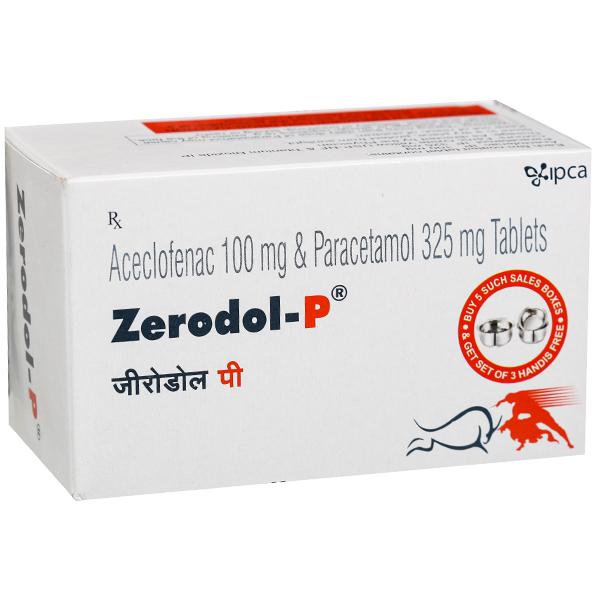
Zerodol P Tablet 10s ACECLOFENAC + PARACETAMOL
Introduction
Pain and inflammation can make everyday activities difficult, whether caused by joint disorders, muscle strain , or injuries. Persistent pain in the back, joints, teeth, ears, or throat can interfere with mobility, sleep, and overall quality of life. In many cases, reducing both pain and inflammation is important for faster recovery and improved comfort.
Zerodol P Tablet is commonly prescribed to help relieve pain and inflammation associated with conditions such as rheumatoid arthritis, osteoarthritis, and ankylosing spondylitis. It is also used for muscle pain, back pain, toothache, and pain affecting the ear or throat. The tablet contains Aceclofenac and Paracetamol, a combination that works together to reduce inflammation while providing effective pain relief.
This detailed guide explains the uses, benefits, working mechanism, dosage instructions, side effects, and important safety information related to Zerodol P Tablet.
Uses of Zerodol P Tablet
Zerodol P Tablet is primarily used to relieve pain and reduce inflammation in various medical conditions. It is commonly recommended when pain affects normal daily activities.
It may be used for conditions such as:
• Rheumatoid arthritis• Osteoarthritis• Ankylosing spondylitis• Muscle pain and sprains• Back pain• Toothache• Ear pain• Throat pain
Treating pain early can improve mobility, reduce discomfort, and help individuals return to their daily routine more comfortably.
Benefits of Zerodol P Tablet
The main benefit of Zerodol P Tablet is its ability to reduce both pain and inflammation at the same time. This combination helps improve physical comfort and supports better movement.
Common benefits may include:
• Effective relief from mild to moderate pain• Reduced joint inflammation and swelling• Improved movement in arthritis patients• Relief from muscle and back pain• Helps reduce fever when present
By addressing inflammation along with pain, Zerodol P Tablet helps improve overall comfort and quality of life.
How It Works
Zerodol P Tablet contains two active ingredients that work together to provide pain relief.
Aceclofenac belongs to the non-steroidal anti-inflammatory drug (NSAID) group. It works by blocking the production of prostaglandins, chemicals responsible for pain, inflammation, and swelling in the body.
Paracetamol acts as a pain reliever and fever reducer. It helps reduce pain by affecting pain signals in the brain and also lowers elevated body temperature.
Together, these medicines provide faster and more effective relief from pain and inflammation than either medicine alone.
How To Use Zerodol P Tablet
For the best results, Zerodol P Tablet should always be taken according to your doctor's instructions.
General usage guidelines include:
• Take the tablet with or without food as advised by your doctor• Swallow the tablet whole with water• Take it at the prescribed time each day• Follow the recommended dosage and duration• Do not take more than the prescribed dose
Avoid stopping or extending the treatment without consulting your healthcare provider.
Side Effects
Most people tolerate Zerodol P Tablet well. However, some individuals may experience mild side effects.
Possible side effects include:
• Nausea• Stomach pain or indigestion• Heartburn• Diarrhea• Dizziness• Loss of appetite
If any side effects become severe or persist, seek medical advice promptly.
Safety Advice
Using Zerodol P Tablet safely helps maximize its benefits while reducing the risk of complications.
Important safety advice includes:
• Inform your doctor if you have liver, kidney, or heart disease • Tell your doctor if you have a history of stomach ulcers or gastrointestinal bleeding • Inform your doctor about all medicines and supplements you are taking • Take the medicine only as prescribed
Proper medical guidance ensures safe and effective treatment.
Precautions And Warning
Certain individuals should use Zerodol P Tablet with extra caution.
Important precautions include:
• Avoid use if you are allergic to Aceclofenac, Paracetamol, or other NSAIDs• Consult your doctor before use during pregnancy or breastfeeding• Patients with severe liver or kidney disease require careful medical supervision• Do not exceed the recommended daily dose of Paracetamol• Avoid long-term self-medication without medical advice
Following these precautions helps reduce the risk of serious side effects.
What If You Forget To Take a Dose
Missing a dose occasionally is common. Knowing how to manage it helps maintain treatment effectiveness.
If you miss a dose:
• Take it as soon as you remember• Skip the missed dose if your next scheduled dose is near• Do not take two doses together to make up for the missed dose• Continue with your regular dosing schedule
Taking extra tablets may increase the risk of side effects without improving pain relief.
Tips For Better Results
Along with medication, healthy habits can support faster recovery from pain and inflammation.
Helpful tips include:
• Take the medicine exactly as prescribed• Stay physically active within your comfort level• Maintain a healthy body weight to reduce joint stress• Follow a balanced and nutritious diet• Drink plenty of water and get adequate rest
Combining medication with a healthy lifestyle often leads to better long-term outcomes.
Frequently Asked Questions
1. What is Zerodol P Tablet used for?
It is used to relieve pain and reduce inflammation in conditions such as arthritis, muscle pain, back pain, toothache, ear pain, and throat pain.
2. Can Zerodol P Tablet be taken without food?
Yes, it can be taken with or without food, but taking it after meals may help reduce stomach discomfort.
3. Is Zerodol P Tablet safe for long-term use?
It should only be used for long-term treatment if prescribed and monitored by a doctor.
4. Can I take Zerodol P Tablet for fever?
Yes, the Paracetamol component helps reduce fever, but it should only be used as advised by a healthcare professional.
5. What should I avoid while taking Zerodol P Tablet?
Avoid alcohol and do not take other Paracetamol-containing medicines unless recommended by your doctor.
6. Can people with stomach ulcers take Zerodol P Tablet?
Individuals with a history of stomach ulcers should consult their doctor before using this medicine, as NSAIDs may increase the risk of bleeding.
7. What should I do if the pain does not improve?
If your symptoms persist or worsen despite taking the medicine, consult your doctor for further evaluation and treatment.


Are the medicines in combination of Aceclofenac and Paracetamol safe to take together?
Aceclofenac, which is a non-steroidal anti-inflammatory drug (NSAID) used to relieve pain and inflammation, and Paracetamol, which is a common pain reliever and fever reducer, are often used together to enhance pain relief. However, they generally do not have significant drug-drug interactions when used together. Both drugs work differently, and their combination is usually considered safe for short-term use. To monitor for any potential interactions or side effects, it's important to watch for symptoms like stomach pain, nausea, or unusual bleeding, which could indicate gastrointestinal issues. Regular check-ups with a healthcare provider can help ensure that the combination is safe for you, especially if you have other health conditions or are taking other medications. Always follow the dosage instructions provided by your healthcare provider or pharmacist.
Are there harms and risks from taking combination of Aceclofenac and Paracetamol?
Aceclofenac, which is a non-steroidal anti-inflammatory drug (NSAID), commonly causes side effects like stomach pain, nausea, and diarrhea. Significant adverse effects can include gastrointestinal bleeding, which refers to bleeding in the stomach or intestines, and kidney problems. Paracetamol, which is a pain reliever and fever reducer, usually has fewer side effects, but in rare cases, it can cause liver damage, especially if taken in high doses. Both Aceclofenac and Paracetamol are used to relieve pain and reduce fever. However, Aceclofenac is more likely to cause stomach-related issues, while Paracetamol is generally safer for the stomach but can affect the liver if overused. It's important to use both medications as directed to minimize risks. They share the common attribute of providing pain relief, but they differ in their side effect profiles and potential adverse effects.
Can I take combination of Aceclofenac and Paracetamol if I am pregnant?
Aceclofenac is a non-steroidal anti-inflammatory drug, which is a type of medication used to reduce inflammation and pain. During pregnancy, it is generally not recommended because it may affect the development of the baby, especially in the later stages. Paracetamol, which is also known as acetaminophen, is a pain reliever and fever reducer. It is considered safer during pregnancy and is often recommended for managing mild to moderate pain or fever. Both Aceclofenac and Paracetamol are used to relieve pain, but they work in different ways. Aceclofenac reduces inflammation, while Paracetamol does not. Paracetamol is usually preferred during pregnancy due to its safety profile. However, it is important for pregnant women to consult their healthcare provider before taking any medication to ensure it is safe for them and their baby.
Can I take combination of Aceclofenac and Paracetamol while breastfeeding?
Aceclofenac, which is a non-steroidal anti-inflammatory drug (NSAID), is generally not recommended during breastfeeding due to limited data on its safety. It may pass into breast milk and could potentially affect the baby. Paracetamol, which is a pain reliever and fever reducer, is considered safe during breastfeeding. It is one of the most commonly used medications for pain and fever in nursing mothers, as only small amounts pass into breast milk and it is unlikely to harm the baby. Both Aceclofenac and Paracetamol are used to relieve pain and reduce inflammation, but they work in different ways. Aceclofenac is more potent in reducing inflammation, while Paracetamol is preferred for its safety profile during breastfeeding. When considering medication during lactation, Paracetamol is usually the safer choice, while Aceclofenac should be used with caution and under medical advice.
Can I take combination of Aceclofenac and Paracetamol with other prescription drugs?
Aceclofenac, which is a non-steroidal anti-inflammatory drug (NSAID), and Paracetamol, which is a pain reliever and fever reducer, both have interactions with other medications. Aceclofenac can interact with blood thinners, which are medications that prevent blood clots, increasing the risk of bleeding. It can also interact with other NSAIDs, increasing the risk of stomach ulcers. Paracetamol can interact with alcohol, which can increase the risk of liver damage. Both drugs can interact with medications that affect the liver, as they are processed by the liver. It's important to avoid taking more than the recommended dose of either medication to prevent liver damage. Always consult a healthcare provider before combining these medications with others to ensure safety.

For how long is combination of Aceclofenac and Paracetamol taken?
Aceclofenac, which is a non-steroidal anti-inflammatory drug (NSAID) used to relieve pain and inflammation, is typically used for short-term treatment. It is often prescribed for conditions like arthritis, which refers to joint inflammation, and is usually taken for a few days to a couple of weeks, depending on the condition and doctor's advice. Paracetamol, which is a pain reliever and fever reducer, is also used for short-term relief of mild to moderate pain and fever. It can be taken for a few days, but prolonged use should be under medical supervision. Both medicines are used to manage pain, but Aceclofenac also reduces inflammation, which Paracetamol does not. They are both generally well-tolerated when used as directed, but long-term use should be monitored by a healthcare professional to avoid potential side effects.

How does combination of Aceclofenac and Paracetamol work?
Aceclofenac and Paracetamol are both used to relieve pain and reduce inflammation, which refers to the body's response to injury or infection that often causes redness, swelling, and pain. Aceclofenac is a non-steroidal anti-inflammatory drug, which means it works by blocking the production of certain chemicals in the body called prostaglandins that cause inflammation and pain. It is often used for conditions like arthritis, which is a disease causing painful inflammation and stiffness of the joints. Paracetamol, on the other hand, is an analgesic, which means it relieves pain, and an antipyretic, which means it reduces fever. It works by affecting the chemicals in the brain that send pain signals and control body temperature. Both medicines share the common attribute of pain relief, but they work in different ways and are often used together to enhance their effects.
How does one take combination of Aceclofenac and Paracetamol?
Aceclofenac, which is a non-steroidal anti-inflammatory drug (NSAID) used to relieve pain and inflammation, is best taken with food to reduce the risk of stomach upset. Paracetamol, which is a pain reliever and fever reducer, can be taken with or without food. However, taking it with food may help if it causes stomach discomfort. Both medicines are used to manage pain, but they work in different ways. Aceclofenac reduces inflammation, while Paracetamol primarily reduces pain and fever. There are no specific food restrictions for either medicine, but it's important to avoid alcohol while taking them, as it can increase the risk of liver damage, especially with Paracetamol. Always follow the dosage instructions provided by your healthcare provider and consult them if you have any concerns or experience any side effects.
How do I know if combination of Aceclofenac and Paracetamol is working?
The benefits of Aceclofenac and Paracetamol are measured by their ability to relieve pain and reduce inflammation. Aceclofenac, which is a non-steroidal anti-inflammatory drug (NSAID), is particularly effective in reducing inflammation and swelling, making it useful for conditions like arthritis. Paracetamol, which is also known as acetaminophen, is primarily used to relieve mild to moderate pain and reduce fever. It does not have significant anti-inflammatory properties. Both medicines are assessed by their effectiveness in alleviating symptoms and improving the quality of life for patients. They are commonly used to treat pain, but they work in different ways. Aceclofenac works by blocking the production of substances in the body that cause inflammation, while Paracetamol works by affecting the brain's perception of pain. Both are generally well-tolerated, but they should be used as directed to avoid side effects.
How do I store combination of Aceclofenac and Paracetamol?
Aceclofenac and Paracetamol do not require refrigeration. Both medicines should be stored at room temperature, which means keeping them in a cool, dry place away from direct sunlight and moisture. This helps maintain their effectiveness. Aceclofenac, which is a non-steroidal anti-inflammatory drug (NSAID) used to relieve pain and inflammation, should be kept in its original packaging to protect it from light and moisture. Paracetamol, which is a pain reliever and fever reducer, should also be stored in its original container and kept tightly closed to prevent exposure to air and moisture. Both medicines share the common attribute of needing to be kept out of reach of children to prevent accidental ingestion. It's important to follow these storage guidelines to ensure the medicines remain safe and effective for use.
How effective is combination of Aceclofenac and Paracetamol?
Aceclofenac and Paracetamol are both effective in relieving pain and reducing inflammation. Aceclofenac is a non-steroidal anti-inflammatory drug, which means it works by reducing hormones that cause inflammation and pain in the body. It is particularly effective for conditions like arthritis. Paracetamol, also known as acetaminophen, is an analgesic, which means it relieves pain, and an antipyretic, which means it reduces fever. It is often used for mild to moderate pain and fever. Both Aceclofenac and Paracetamol share the common attribute of being pain relievers. They are often combined to enhance pain relief, as they work through different mechanisms. While Aceclofenac targets inflammation, Paracetamol is gentler on the stomach and can be used by people who cannot tolerate NSAIDs. Together, they provide a balanced approach to managing pain and inflammation.
How long does it take for combination of Aceclofenac and Paracetamol to work?
The time it takes for a combination medicine to start working depends on the individual medicines involved. For example, if the combination includes ibuprofen, which is a pain reliever and anti-inflammatory drug, it typically starts working within 20 to 30 minutes. On the other hand, if the combination includes acetaminophen, which is another pain reliever, it usually begins to work within 30 to 60 minutes. Both medicines are used to relieve pain, but ibuprofen also reduces inflammation, which refers to swelling and redness in the body. When combined, these medicines can provide faster and more comprehensive pain relief. However, the exact time for the combination to start working can vary based on the specific formulation and the individual's response to the medication.
What disease or symptom is combination of Aceclofenac and Paracetamol used for?
Aceclofenac and Paracetamol are both used to relieve pain and reduce inflammation, which is the body's response to injury or infection that often causes redness, swelling, and pain. Aceclofenac is specifically indicated for conditions like osteoarthritis, which is a joint disease that causes pain and stiffness, rheumatoid arthritis, which is an autoimmune disease causing joint inflammation, and ankylosing spondylitis, which is a type of arthritis affecting the spine. Paracetamol, on the other hand, is commonly used for mild to moderate pain and fever, which is an elevated body temperature. Both medicines share the common attribute of pain relief, but Aceclofenac is more focused on inflammatory conditions, while Paracetamol is often used for general pain and fever management.

What is combination of Aceclofenac and Paracetamol?
Aceclofenac and Paracetamol are both used to relieve pain and reduce inflammation. Aceclofenac, which is a non-steroidal anti-inflammatory drug (NSAID), works by blocking the production of substances in the body that cause inflammation and pain. Paracetamol, which is also known as acetaminophen, works by reducing the production of prostaglandins, which are chemicals in the brain that signal pain and inflammation. While both medications are effective for pain relief, Aceclofenac is particularly useful for inflammatory conditions like arthritis, whereas Paracetamol is often used for mild to moderate pain and fever reduction. Both medications share the common attribute of providing pain relief, but they work through different mechanisms in the body.
What is the usual dose of combination of Aceclofenac and Paracetamol?
The usual adult daily dose for Aceclofenac, which is a non-steroidal anti-inflammatory drug used to relieve pain and inflammation, is typically 100 mg taken twice a day. Paracetamol, which is a pain reliever and fever reducer, is usually taken in doses of 500 mg to 1000 mg every 4 to 6 hours, not exceeding 4000 mg in a day. Aceclofenac is particularly effective for conditions like arthritis, which refers to inflammation of the joints, while Paracetamol is often used for general pain relief and reducing fever. Both medicines share the common attribute of providing pain relief, but they work in different ways. Aceclofenac reduces inflammation, which is the body's response to injury or infection, while Paracetamol works by blocking pain signals in the brain. It's important to follow dosing instructions to avoid side effects.
Who should avoid taking combination of Aceclofenac and Paracetamol?
Aceclofenac, which is a non-steroidal anti-inflammatory drug (NSAID), can cause stomach issues like ulcers or bleeding. It should be avoided by people with a history of stomach problems or those taking blood thinners. It can also affect kidney function, so people with kidney issues should be cautious. Paracetamol, which is a pain reliever and fever reducer, can cause liver damage if taken in high doses or with alcohol. People with liver problems should avoid it. Both Aceclofenac and Paracetamol can cause allergic reactions, so anyone with a known allergy to these drugs should not take them. They should not be used together with other NSAIDs or pain relievers without consulting a doctor. Pregnant or breastfeeding women should seek medical advice before using these medications. Always follow the prescribed dosage to avoid potential side effects.
Similar Medicines
Aceclofenac (100mg) + Paracetamol (325mg)
Aceclofenac (100mg) + Paracetamol (325mg)
Aceclofenac (100mg) + Paracetamol (325mg)
Aceclofenac (100mg) + Paracetamol (325mg)
Aceclofenac (100mg) + Paracetamol (325mg)
More medicines by Ipca Laboratories Ltd
Ketorolac (0.5% w/v) + Moxifloxacin (0.5% w/v)
Magnesium Citrate (375mg) + Potassium Citrate (1100mg) + Pyridoxine (20mg)
Aloe Vera (10% w/w) + Calamine (8% w/w) + Liquid Paraffin (10% w/w)
Domperidone (30mg) + Pantoprazole (40mg)
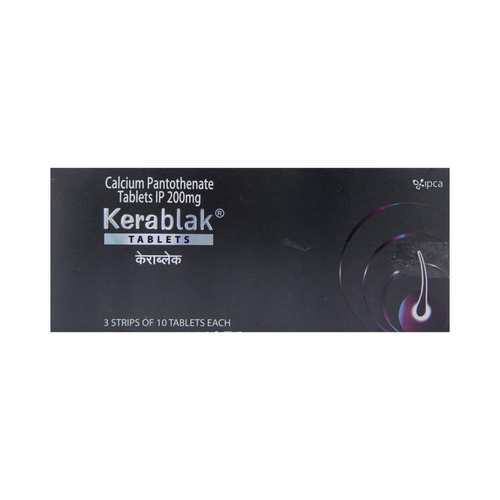
Calcium Pantothenate (200mg)


.svg)