


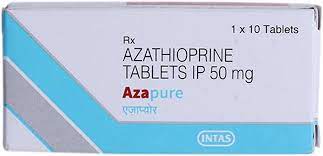
Thiaprine 50mg Tablet AZATHIOPRINE
Introduction to Thiaprine 50mg Tablet
Thiaprine 50mg Tablet is a medication primarily used to manage and treat certain autoimmune conditions and to prevent organ rejection after transplants. It works by suppressing the immune system to reduce inflammation and prevent the body from attacking its own tissues.
Composition of Thiaprine 50mg Tablet
The active ingredient in Thiaprine 50mg Tablet is Azathioprine. This compound is responsible for the immunosuppressive effects that help manage autoimmune conditions and prevent organ rejection.
Uses of Thiaprine 50mg Tablet
- Prevention of organ rejection after transplants
- Treatment of autoimmune conditions such as rheumatoid arthritis
- Management of lupus
- Control of Crohn's disease
- Alleviation of symptoms in ulcerative colitis
Side effects of Thiaprine 50mg Tablet
Common side effects:
- Nausea
- Vomiting
- Loss of appetite
- Hair loss
Serious side effects:
- Bone marrow suppression
- Liver toxicity
- Increased risk of infections
- Higher risk of certain cancers
Precautions of Thiaprine 50mg Tablet
Thiaprine should be used with caution in individuals with a history of severe infections, liver disease, or bone marrow disorders. It is contraindicated in pregnancy unless absolutely necessary, and special care should be taken if you are breastfeeding. Always consult your healthcare provider before starting this medication.
How to Take Thiaprine 50mg Tablet
- Take Thiaprine orally, usually once a day.
- Follow the dosage prescribed by your doctor, which is typically based on your weight and the condition being treated.
- Do not adjust your dose without consulting your healthcare provider.
- Take the tablet with food to minimize stomach upset.
Conclusion of Thiaprine 50mg Tablet
Thiaprine 50mg Tablet is an effective medication for managing autoimmune conditions and preventing organ rejection. However, it is important to use it under the guidance of a healthcare professional due to its potential side effects and necessary precautions. Always follow your doctor's instructions and report any unusual symptoms promptly.






Can Thiaprine tablet be taken safely while breastfeeding?
Thiaprine tablet is generally not recommended while breastfeeding. It can pass into breast milk and may affect the nursing baby. Potential risks include immune system suppression, which is when the body's defense against infections is weakened, and liver problems. If you're taking Thiaprine tablet and want to breastfeed, talk with your doctor about safer medication options that would allow you to nurse your baby safely. Your doctor can help create a treatment plan that protects both you and your baby.
Can Thiaprine tablet be taken safely while pregnant?
Thiaprine tablet is generally not recommended during pregnancy unless the benefits outweigh the risks. Limited evidence is available on its safety during pregnancy. Some studies suggest potential risks to the developing baby, such as low birth weight or preterm birth. However, untreated autoimmune conditions, which are diseases where the immune system attacks healthy cells, can also pose risks to both mother and baby. If you're pregnant or planning to become pregnant, talk with your doctor about the safest way to manage your condition.
Can I take Thiaprine tablet with other prescription drugs?
Thiaprine tablet can interact with several medications, increasing the risk of adverse effects. Allopurinol, which is used to treat gout, can increase Thiaprine tablet's effects and toxicity. Warfarin, which is a blood thinner, may have altered effects when taken with Thiaprine tablet. Other immunosuppressants, which are drugs that suppress the immune system, can increase the risk of infections. Always inform your doctor about all medications you are taking to manage potential interactions and adjust your treatment plan if necessary.
Does Thiaprine tablet affect appetite?
Thiaprine tablet can affect your appetite, causing nausea or loss of appetite in some people. These side effects are considered occasional and usually mild. If you notice changes in your appetite after starting Thiaprine tablet, talk with your doctor. For mild appetite changes, try maintaining regular meal times and eating a balanced diet while taking your medication. Your doctor can help determine if any appetite changes you experience are related to Thiaprine tablet or if there might be another cause.
Does Thiaprine tablet affect mood?
Thiaprine tablet doesn't typically cause mood changes. Most people take this medication without experiencing anxiety, depression, or feelings of agitation. Mental health side effects aren't listed among the known reactions to Thiaprine tablet. If you notice changes in your mood or mental well-being after starting this medication, talk with your doctor. These symptoms might be related to something else, like stress or another health condition. Your doctor can help determine what's causing any mental health changes you experience and suggest appropriate support.
Does Thiaprine tablet affect sleep?
Thiaprine tablet doesn't typically cause sleep problems. Most people take this medication without experiencing changes in their sleep patterns. Sleep disturbances aren't listed as a known side effect of Thiaprine tablet. If you notice changes in how well you sleep after starting this medication, talk with your doctor. Sleep problems might be related to something else, like another medication you're taking or a different health condition. Your doctor can help figure out what's causing your sleep issues and suggest ways to improve your rest.
Does Thiaprine tablet cause headaches?
Headaches can occur with Thiaprine tablet, but they are not common. Most people take this medication without experiencing headaches. If you do get mild headaches, staying hydrated and resting may help. Over-the-counter pain relievers can also be used, but check with your doctor first. If you experience severe or persistent headaches, talk with your healthcare provider. They can help determine if your headaches are related to Thiaprine tablet or if another cause needs attention.
Does Thiaprine tablet cause stomach upset?
Yes, Thiaprine tablet can cause stomach upset, including nausea, vomiting, and diarrhea. These side effects are considered occasional. Taking Thiaprine tablet with food may help reduce stomach discomfort. If you experience mild stomach upset, it might go away on its own. However, if you develop severe or persistent symptoms, talk with your doctor. They can help determine if these symptoms are related to Thiaprine tablet and suggest ways to manage them. Always inform your healthcare provider about any new or worsening symptoms.
Does Thiaprine tablet cause weight gain?
Thiaprine tablet doesn't typically cause significant weight changes. Some people might experience weight loss due to nausea or loss of appetite, which are occasional side effects. These effects are usually mild. If you notice unexpected weight changes while taking Thiaprine tablet, talk with your doctor. They can help determine if these changes are related to the medication and suggest ways to manage them. Maintaining a balanced diet and regular exercise can help manage your weight while on this medication.
Does Thiaprine tablet interfere with sexual function?
Thiaprine tablet may interfere with sexual function, but this is not common. Some people might experience a decrease in libido, which is sexual desire, or erectile dysfunction, which is difficulty in getting or maintaining an erection. These side effects are considered rare. If you notice changes in your sexual function while taking Thiaprine tablet, talk with your doctor. They can help determine if these changes are related to the medication and suggest ways to manage them. It's important to address any concerns with your healthcare provider to ensure your treatment plan is effective and comfortable for you.
Does Thiaprine tablet limit driving?
Thiaprine tablet might affect your ability to drive safely in some cases. It can cause fatigue, which is feeling very tired, or dizziness, which might impair your driving. If you feel unusually tired or dizzy after taking Thiaprine tablet, avoid driving until these symptoms go away. When you first start this medication, pay attention to how your body responds before getting behind the wheel. Talk with your doctor about any concerns you have about driving while taking Thiaprine tablet, especially if you notice any unusual symptoms.
Does Thiaprine tablet make it hard to think or concentrate?
Thiaprine tablet doesn't typically cause thinking problems or concentration difficulties. Most people take this medication without experiencing changes in their mental focus or memory. Cognitive issues like confusion or trouble concentrating aren't listed as known side effects of Thiaprine tablet. If you notice problems with your thinking after starting this medication, talk with your doctor. These symptoms might be related to something else, such as fatigue or another health condition. Your doctor can help determine what's causing these issues and suggest solutions.
Does Thiaprine tablet make people tired or drowsy?
Thiaprine tablet can cause fatigue, which is feeling very tired, in some people. This side effect is considered occasional and usually mild. If you notice you're feeling unusually tired while taking Thiaprine tablet, talk with your doctor. Your tiredness might be caused by something else, like another medication you're taking, or an underlying health condition. Your doctor can help determine what's causing your symptoms and recommend appropriate adjustments to your treatment plan. Proper rest, regular physical activity, and a balanced diet can help maintain your energy levels.
For how long do I take Thiaprine tablet?
Thiaprine tablet is usually a long-term medication for managing chronic conditions like autoimmune diseases, which are diseases where the immune system attacks healthy cells. You'll typically take Thiaprine tablet every day as a lifelong treatment unless your doctor suggests otherwise. The duration of use depends on your body's response, any side effects you experience, and changes in your overall health. Always talk with your doctor before changing or stopping your Thiaprine tablet treatment to ensure your condition remains under control.
How does Thiaprine tablet work?
Thiaprine tablet works by suppressing the immune system, which is the body's defense against infections. It belongs to a class of drugs called immunosuppressants. Think of it like turning down the volume on a loudspeaker. Thiaprine tablet reduces the activity of the immune system, which helps decrease inflammation and prevent flare-ups of symptoms in autoimmune conditions, which are diseases where the immune system attacks healthy cells. This makes it effective for managing conditions like rheumatoid arthritis and inflammatory bowel disease.
How do I know if Thiaprine tablet is working?
Thiaprine tablet is used to treat autoimmune conditions, which are diseases where the immune system attacks healthy cells, like rheumatoid arthritis and inflammatory bowel disease. You'll know it's working when you notice a reduction in symptoms such as joint pain, swelling, or digestive issues. Your doctor will monitor your progress through regular check-ups and blood tests to ensure the medication is effective. If your symptoms improve and your condition stabilizes, it's a sign that Thiaprine tablet is working. Always discuss any concerns with your doctor.
How do I take Thiaprine tablet?
Take Thiaprine tablet exactly as your doctor prescribes. It's usually taken once or twice daily, with or without food. Swallow the tablets whole; do not crush or chew them. Taking it with food may help reduce stomach upset. If you miss a dose, take it as soon as you remember unless it's almost time for your next dose. In that case, skip the missed dose and continue your regular schedule. Do not take two doses at once. Always follow your doctor's specific instructions regarding diet and fluid intake while on this medication.
How long does it take for Thiaprine tablet to start working?
Thiaprine tablet may take several weeks to start working. The full therapeutic effect can take up to three months to become noticeable. This is because Thiaprine tablet works by gradually suppressing the immune system, which is the body's defense against infections. Individual factors like your condition, age, and overall health can affect how quickly you notice improvements. It's important to take Thiaprine tablet exactly as prescribed and attend regular check-ups with your doctor to monitor your progress and adjust your treatment if needed.
How should I store Thiaprine tablet?
Store Thiaprine tablet at room temperature, away from moisture and light. Keep it in a tightly closed container to protect it from damage. Avoid storing it in humid places like bathrooms, where moisture in the air could affect how well the medication works. If your pills came in packaging that isn't child-resistant, transfer them to a container that children can't easily open. Always store Thiaprine tablet out of children's reach to prevent accidental swallowing. Check the expiration date regularly and dispose of any unused or expired medication properly.
Is Thiaprine tablet effective?
Thiaprine tablet is effective for treating autoimmune conditions, which are diseases where the immune system attacks healthy cells, such as rheumatoid arthritis and inflammatory bowel disease. It works by suppressing the immune system to reduce inflammation and prevent flare-ups. Clinical studies show Thiaprine tablet helps manage symptoms and improve quality of life for many patients. However, individual responses can vary. Regular monitoring by your doctor is important to ensure the medication is working effectively for your condition.
Is Thiaprine tablet safe for the elderly?
Elderly individuals may be more vulnerable to the side effects of Thiaprine tablet, such as increased risk of infections and liver problems. This is because the immune system and liver function can decline with age. Thiaprine tablet can be used safely in the elderly with careful monitoring by a doctor. Regular check-ups and blood tests help ensure the medication is working effectively and safely. If you are elderly and taking Thiaprine tablet, discuss any concerns with your healthcare provider to manage risks.
Is it safe to drink alcohol while taking Thiaprine tablet?
It's best to limit alcohol while taking Thiaprine tablet. Alcohol can increase the risk of liver damage, which affects the organ that processes medications, and may worsen side effects like nausea. Drinking alcohol can also affect your immune system, which Thiaprine tablet already suppresses. If you choose to drink, do so in moderation and watch for warning signs like unusual fatigue or yellowing of the skin. Talk with your doctor about alcohol use while taking Thiaprine tablet to get personalized advice based on your health situation.
Is it safe to drink coffee or tea while taking Thiaprine tablet?
You can drink coffee and tea while taking Thiaprine tablet. There's no known interaction between caffeine and Thiaprine tablet. However, caffeine can sometimes cause stomach upset, which is also a side effect of Thiaprine tablet. If you notice increased stomach discomfort, try reducing your caffeine intake. Enjoy caffeinated drinks in moderation and make sure you drink plenty of water throughout the day. If you have concerns about caffeine consumption while taking Thiaprine tablet, talk with your doctor for personalized advice.
Is it safe to exercise while taking Thiaprine tablet?
You can exercise while taking Thiaprine tablet, but keep a few things in mind. This medication can cause fatigue, which is feeling very tired, and increase your risk of infections. If you feel unusually tired or notice signs of infection, like fever or sore throat, take a break from exercise and rest. To exercise safely, start with light activities and gradually increase intensity. Listen to your body and avoid overexertion. If you have concerns about exercising while on Thiaprine tablet, consult your doctor.
What are Thiaprine tablet possible harms and risks?
Common side effects include nausea, vomiting, loss of appetite, and hair loss. Serious risks include bone marrow suppression, liver toxicity, and increased risk of infections and certain cancers. Regular blood tests are required to monitor for these effects.
What disease or symptom is Thiaprine tablet used for?
Thiaprine tablet is used to treat autoimmune conditions, which are diseases where the immune system attacks healthy cells, like rheumatoid arthritis and inflammatory bowel disease. It helps reduce inflammation and prevent flare-ups of symptoms. Thiaprine tablet is often used in combination with other therapies to manage these conditions effectively. By suppressing the immune system, it helps control the body's overactive response, providing relief from symptoms and improving quality of life for many patients. Always follow your doctor's instructions when taking this medication.
What is Thiaprine tablet?
Thiaprine tablet is a medication used to treat autoimmune conditions, which are diseases where the immune system attacks healthy cells, like rheumatoid arthritis and inflammatory bowel disease. It belongs to a class of drugs called immunosuppressants, which work by reducing the activity of the immune system. This helps decrease inflammation and prevent flare-ups of symptoms. Thiaprine tablet is often used in combination with other therapies to manage these conditions effectively. It's important to follow your doctor's instructions when taking this medication.
What is the usual dose of Thiaprine tablet?
The usual starting dose of Thiaprine tablet for adults is 1 to 3 mg per kilogram of body weight per day, taken once or twice daily. Your doctor may adjust the dose based on your response and any side effects. The maximum recommended dose is typically 2.5 mg per kilogram per day. For children or the elderly, dose adjustments may be necessary. Always follow your doctor's specific dosing instructions for your health needs.
Who should avoid taking Thiaprine tablet?
Thiaprine tablet should not be used if you are allergic to it or its ingredients. Serious allergic reactions, which cause rash, hives, or swelling that makes breathing difficult, require immediate medical help. It's also contraindicated in people with severe liver disease, which affects the organ that processes medications. Caution is needed if you have kidney problems, which affect organs that filter waste from your blood, or if you're pregnant or breastfeeding. Always consult your doctor about these concerns before starting Thiaprine tablet.
Similar Medicines
Azathioprine (50mg)
Azathioprine (50mg)
Azathioprine (50mg)
Azathioprine (50mg)
Azathioprine (50mg)
More medicines by Dhamus Pharma
Piperacillin (4000mg) + Tazobactum (500mg)
Doxylamine (10mg) + Vitamin B6 (Pyridoxine) (10mg) + Folic Acid (2.5mg)
Norethisterone (5mg)
Gabapentin (300mg) + Methylcobalamin/Mecobalamin (500mcg)
Levosulpiride (75mg) + Rabeprazole (20mg)





.svg)