


rapo RABEPRAZOLE
Introduction to Rapo
Rapo is a medication primarily used to treat conditions related to excessive stomach acid. It is commonly prescribed for issues like gastroesophageal reflux disease (GERD), stomach ulcers, and Zollinger-Ellison syndrome. Additionally, it helps in treating infections caused by the Helicobacter pylori bacteria and aids in healing esophagitis, which is damage to the esophagus due to stomach acid. Rapo can also prevent ulcers caused by nonsteroidal anti-inflammatory drugs (NSAIDs).
Composition of Rapo
The active ingredient in Rapo is Rabeprazole. This component works by blocking the proton pump in the stomach cells, which is responsible for producing stomach acid. By inhibiting this pump, Rabeprazole effectively reduces the amount of acid in the stomach.
Uses of Rapo
- Treats gastroesophageal reflux disease (GERD)
- Heals stomach ulcers
- Manages Zollinger-Ellison syndrome
- Treats infections caused by Helicobacter pylori
- Heals esophagitis
- Prevents ulcers from NSAIDs
Side Effects of Rapo
Common Side Effects:
- Headache
- Diarrhea
- Nausea
- Abdominal pain
Serious Side Effects:
- Allergic reactions
- Liver problems
- Increased risk of bone fractures with long-term use
- Vitamin B12 deficiency
- Increased risk of gastrointestinal infections
Precautions of Rapo
Rapo should be used with caution in individuals with liver disease. It is not recommended for people who are allergic to Rabeprazole or other proton pump inhibitors. Long-term use can increase the risk of bone fractures, vitamin B12 deficiency, and gastrointestinal infections. It should also be avoided in people with low magnesium levels or a history of severe allergic reactions to PPIs.
How to Take Rapo
- Take 20 mg once daily before a meal.
- Continue treatment for 4-8 weeks depending on the condition.
- Swallow the tablet whole with a full glass of water.
- Do not crush or chew the tablet.
Conclusion of Rapo
Rapo is an effective medication for managing conditions related to excessive stomach acid. By reducing stomach acid production, it alleviates symptoms like heartburn and indigestion and promotes healing of the digestive tract. However, it is important to use it under medical supervision, especially for long-term treatment, to avoid potential side effects and complications.


Can I take Rapo with other prescription drugs?
Rapo can interact with certain medications, increasing the risk of adverse effects or reducing effectiveness. For example, it may interact with drugs like warfarin, which is a blood thinner, and methotrexate, which is used for cancer and autoimmune diseases. These interactions can increase the risk of bleeding or toxicity. Always inform your doctor about all medications you're taking to prevent potential interactions. Your doctor can adjust your treatment plan to ensure safety and effectiveness.
Can Rapo be taken safely while breastfeeding?
The safety of Rapo while breastfeeding is not well-established. It's unclear if Rapo passes into breast milk. Without specific data on its effects on breastfed infants or milk supply, caution is advised. If you're breastfeeding and need Rapo, talk with your doctor. They can help weigh the benefits and risks and suggest alternative treatments if necessary. Your doctor can help ensure the safety of both you and your baby while managing your condition.
Can Rapo be taken safely while pregnant?
The safety of Rapo during pregnancy is not well-established. Limited evidence makes it difficult to provide definitive advice. Animal studies suggest potential risks, but human data is lacking. Rapo should only be used during pregnancy if the benefits outweigh the risks. If you're pregnant or planning to become pregnant, talk with your doctor about the safest treatment options for your condition. Your doctor can help create a plan that protects both you and your baby.
Does Rapo affect appetite?
Rapo doesn't typically affect your appetite. Most people taking this medication don't notice changes in how hungry they feel or how much they want to eat. If you notice any unexpected changes in your appetite after starting Rapo, talk with your doctor. For mild appetite changes, try maintaining regular meal times and eating a balanced diet. Your doctor can help determine if any appetite changes are related to Rapo or if there might be another cause.
Does Rapo affect mood?
Rapo doesn't typically cause mood changes, anxiety, or agitation. Most people take this medication without experiencing mental health effects. If you notice changes in your mood or mental well-being after starting Rapo, talk with your doctor. These symptoms might be related to something else, like stress or another health condition. Your doctor can help determine the cause and suggest appropriate support while continuing your treatment.
Does Rapo affect sleep?
Rapo doesn't typically cause sleep problems like insomnia or hypersomnia, which is excessive sleepiness. Most people take this medication without experiencing changes in their sleep patterns. If you notice changes in how well you sleep after starting Rapo, talk with your doctor. Sleep problems might be related to something else, like another medication or a different health condition. Your doctor can help figure out the cause and suggest ways to improve your rest while continuing your treatment.
Does Rapo cause headaches?
Headaches are an occasional side effect of Rapo. Most people take this medication without experiencing headaches. If you do get mild headaches while taking Rapo, staying well-hydrated and resting may help. Over-the-counter pain relievers can also be used after consulting with your doctor. If you experience severe or persistent headaches, talk with your healthcare provider. They can help determine if your headaches are related to Rapo or if there might be another cause that needs attention.
Does Rapo cause stomach upset?
Rapo can occasionally cause stomach upset, including nausea, vomiting, or diarrhea. These gastrointestinal side effects are usually mild and temporary. If you experience mild nausea, taking Rapo with food might help reduce discomfort. Most people take Rapo without significant stomach issues. However, if you develop severe or persistent stomach problems, talk with your doctor. They can help determine if these symptoms are related to Rapo or if there might be another cause.
Does Rapo cause weight gain?
Rapo doesn't typically affect body weight. Most people taking this medication don't experience significant weight changes. If you notice unexpected weight loss or gain while taking Rapo, talk with your doctor. They can help determine if these changes are related to the medication or if there might be another cause. Maintaining a balanced diet and regular exercise can help manage your weight while taking Rapo.
Does Rapo have adverse effects?
Adverse effects are unwanted reactions to a medication. Common adverse effects of Rapo include headache, diarrhea, and nausea. These effects are usually mild and temporary. Serious adverse effects, though rare, can include severe allergic reactions, low magnesium levels, and bone fractures. If you experience severe symptoms like difficulty breathing, muscle spasms, or unusual fatigue, seek medical attention immediately. Always inform your doctor about any new or worsening symptoms while taking Rapo.
Does Rapo have any safety warnings?
Yes, Rapo has safety warnings. It may increase the risk of bone fractures, especially with long-term use. It can also cause low magnesium levels, which might lead to muscle spasms or irregular heartbeats. If you experience symptoms like dizziness, seizures, or muscle cramps, seek medical help. Rapo may also mask symptoms of stomach cancer. Not adhering to these warnings can lead to serious health issues. Always follow your doctor's advice and report any unusual symptoms while taking Rapo.
Does Rapo interfere with sexual function?
Rapo doesn't typically interfere with sexual function. Most people take this medication without experiencing changes in sexual health, such as erectile dysfunction or loss of libido. Sexual side effects are not commonly associated with Rapo. If you notice any changes in your sexual function while taking this medication, it's important to talk with your doctor. They can help determine if these changes are related to Rapo or if there might be another cause. Your doctor can also suggest ways to manage any mild or moderate sexual health side effects you experience.
Does Rapo limit driving?
Rapo doesn't typically impair your ability to drive. It doesn't cause side effects like dizziness or drowsiness that might affect driving. However, if you experience any unusual symptoms after starting Rapo, avoid driving until you understand how the medication affects you. Pay attention to how your body responds and talk with your doctor if you have concerns about driving while taking Rapo.
Does Rapo make it hard to think or concentrate?
Rapo doesn't typically cause cognitive side effects like difficulty concentrating or thinking. Most people take this medication without experiencing changes in mental focus or memory. If you notice problems with your thinking after starting Rapo, talk with your doctor. These symptoms might be related to something else, such as another health condition. Your doctor can help determine the cause and suggest solutions while keeping your treatment plan on track.
Does Rapo make people tired or drowsy?
Rapo doesn't typically cause tiredness or drowsiness. Most people take this medication without feeling unusually fatigued. If you notice you're feeling very sleepy or fatigued while taking Rapo, talk with your doctor. Your tiredness might be caused by something else, like another medication or an underlying health condition. Your doctor can help determine the cause and recommend appropriate adjustments to your treatment plan.
For how long do I take Rapo?
Rapo is usually used for short-term treatment of conditions like GERD or ulcers. The typical duration is 4 to 8 weeks, but your doctor may adjust this based on your condition and response to treatment. For some conditions, longer use may be necessary. Always follow your doctor's instructions regarding the duration of Rapo use. Stopping the medication without medical advice could cause your symptoms to return or worsen.
How does Rapo work?
Rapo works by blocking the proton pump in the stomach lining, which reduces the production of stomach acid. Think of it like turning down the volume on a radio. By lowering acid levels, Rapo helps relieve symptoms like heartburn and allows the stomach lining to heal. This mechanism makes it effective for treating conditions like GERD, ulcers, and Zollinger-Ellison syndrome, which is a condition where the stomach produces too much acid.
How do I dispose of Rapo?
To dispose of Rapo, take it to a drug take-back program or collection site at a pharmacy or hospital. They will dispose of it properly to prevent harm to people or the environment. If you can't find a take-back program, you can throw it in the trash at home. First, remove it from its original container, mix it with something undesirable like used coffee grounds, seal the mixture in a plastic bag, and throw it away.
How do I know if Rapo is working?
Rapo is used to treat conditions like GERD and ulcers. You'll know it's working when you experience relief from symptoms like heartburn, stomach pain, or acid regurgitation. For ulcers, healing can be confirmed through endoscopy, which is a procedure where a doctor uses a flexible tube with a camera to view your digestive tract. Regular check-ups with your doctor are important to monitor your progress and adjust treatment if needed. Your doctor may also use symptom improvement as an indicator of effectiveness.
How do I take Rapo?
Take Rapo as directed by your doctor, usually once daily. It's best to take it in the morning before meals. Swallow the tablet whole; do not crush or chew it. Rapo can be taken with or without food. If you miss a dose, take it as soon as you remember unless it's almost time for your next dose. In that case, skip the missed dose and continue your regular schedule. Do not take two doses at once. Always follow your doctor's specific instructions regarding diet and fluid intake while on this medication.
How long does it take for Rapo to start working?
Rapo starts working within a few hours of taking it, but it may take a few days to feel the full effect. For conditions like GERD, you might notice symptom relief within 1 to 2 days, but it can take up to 4 weeks for complete healing of ulcers. Individual factors like the severity of your condition and your overall health can affect how quickly Rapo works. Take it exactly as prescribed for the best results.
How should I store Rapo?
Store Rapo at room temperature, between 68°F to 77°F, in a tightly closed container. Protect it from moisture and light, which can damage the medication. Avoid storing it in humid places like bathrooms. If your pills came in packaging that isn't child-resistant, transfer them to a container that children can't easily open. Always keep Rapo out of children's reach to prevent accidental swallowing. Check the expiration date regularly and dispose of any unused or expired medication properly.
Is it safe to drink alcohol while taking Rapo?
It's best to avoid alcohol while taking Rapo. Alcohol can irritate your stomach lining and increase acid production, which may worsen your symptoms. Drinking alcohol can also interfere with the effectiveness of Rapo. If you choose to drink occasionally, limit your alcohol intake and monitor for any worsening symptoms. Talk with your doctor about alcohol use while taking Rapo to get personalized advice based on your specific health situation.
Is it safe to drink coffee or tea while taking Rapo?
You can drink coffee and tea while taking Rapo, but moderation is key. Caffeinated beverages can increase stomach acid production, which might counteract the effects of Rapo. If you notice increased symptoms like heartburn or acid reflux after consuming caffeine, consider reducing your intake. Drinking plenty of water and monitoring your symptoms can help. Talk with your doctor if you have concerns about caffeine consumption while taking Rapo.
Is it safe to exercise while taking Rapo?
Yes, it's safe to exercise while taking Rapo. This medication doesn't typically limit exercise capacity. However, if you experience symptoms like dizziness or stomach discomfort during physical activity, take a break and rest. Avoid strenuous activities if you feel unwell. Staying hydrated and listening to your body can help you exercise safely. Most people can maintain their regular exercise routine while taking Rapo, but consult your doctor if you have specific concerns.
Is it safe to stop Rapo?
Stopping Rapo suddenly can cause your symptoms to return or worsen. It's usually used for short-term relief of conditions like acid reflux or ulcers. If you stop before the end of the prescribed duration, you might experience a return of symptoms like heartburn or stomach pain. Always talk with your doctor before stopping Rapo. They might suggest gradually reducing your dose to prevent a rebound effect. Your doctor will help you make any medication changes safely.
Is Rapo addictive?
Rapo is not addictive or habit-forming. It doesn't cause dependency or withdrawal symptoms when you stop taking it. Rapo works by reducing stomach acid production and doesn't affect brain chemistry in ways that could lead to addiction. You won't experience cravings for this medication or feel compelled to take more than prescribed. If you have concerns about medication dependence, you can feel confident that Rapo doesn't carry this risk while managing your condition.
Is Rapo effective?
Rapo is effective for treating conditions like gastroesophageal reflux disease (GERD), which is when stomach acid frequently flows back into the tube connecting your mouth and stomach, and ulcers. It works by reducing stomach acid production, providing relief from symptoms like heartburn and promoting healing of the stomach lining. Clinical studies show Rapo significantly improves symptoms and heals ulcers in many patients. Its effectiveness is well-supported for these conditions, making it a reliable choice for acid-related issues.
Is Rapo safe for the elderly?
Elderly individuals may be more vulnerable to the side effects of Rapo, such as bone fractures and low magnesium levels. Rapo is generally safe for the elderly, but they may require closer monitoring. Specific risks like increased fracture risk and potential kidney function changes are more common in older adults. It's important for elderly patients to follow their doctor's advice and report any unusual symptoms while taking Rapo.
What are Rapo possible harms and risks?
Common side effects of Rapo include headache, diarrhea, nausea, and abdominal pain. Serious adverse effects, though rare, may include allergic reactions, liver problems, and an increased risk of bone fractures with long-term use. Prolonged use can also lead to vitamin B12 deficiency and an increased risk of gastrointestinal infections. Always consult a doctor if any severe side effects occur.
What are the most common side effects of Rapo?
Side effects are unwanted reactions that can occur with medication use. Common side effects of Rapo include headache, diarrhea, and nausea. These occur in a small percentage of people and are usually mild. If you experience new symptoms after starting Rapo, they might be temporary or unrelated to the medication. It's important to talk with your doctor before stopping any medication. They can help determine if the side effects are related to Rapo or if there might be another cause.
What disease or symptom is Rapo used for?
Rapo is used to treat conditions like gastroesophageal reflux disease (GERD), which is when stomach acid frequently flows back into the tube connecting your mouth and stomach, and ulcers. It helps relieve symptoms like heartburn and promotes healing of the stomach lining. Rapo is also used for Zollinger-Ellison syndrome, which is a condition where the stomach produces too much acid. It can be used alone or with other therapies, depending on the condition being treated.
What is Rapo?
Rapo is a medication that belongs to the class of proton pump inhibitors, which reduce stomach acid production. It's primarily used to treat conditions like gastroesophageal reflux disease (GERD), which is when stomach acid frequently flows back into the tube connecting your mouth and stomach, and ulcers. By reducing acid, Rapo helps relieve symptoms like heartburn and promotes healing of the stomach lining. It's also used for Zollinger-Ellison syndrome, which is a condition where the stomach produces too much acid. Rapo can be used alone or with other therapies, depending on the condition being treated.
What is the usual dose of Rapo?
The usual starting dose of Rapo for adults is 20 mg once daily, typically before a meal. Your doctor may adjust the dose based on your condition and response to treatment. The maximum recommended dose is usually 40 mg per day. For certain conditions, such as Zollinger-Ellison syndrome, higher doses may be prescribed. Dose adjustments may be necessary for elderly patients or those with liver problems. Always follow your doctor's specific dosing instructions for your health needs.
Who should avoid taking Rapo?
Rapo should not be used if you're allergic to it or its ingredients. Serious allergic reactions, which cause rash, hives, or swelling that makes breathing difficult, require immediate medical help. Rapo is not recommended for people with severe liver problems, as it may worsen liver function. Caution is needed for those with osteoporosis, as long-term use can increase fracture risk. Always consult your doctor about these concerns before starting Rapo.
Available in 2 variations

Rapo 20mg Tablet
strip of 10 tablets
Rapo 20mg Capsule
strip of 10 capsules
Similar Medicines
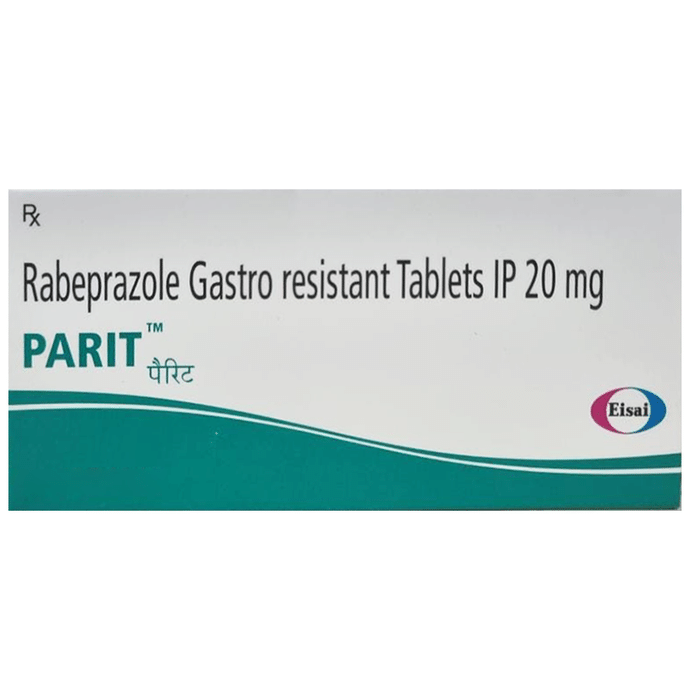
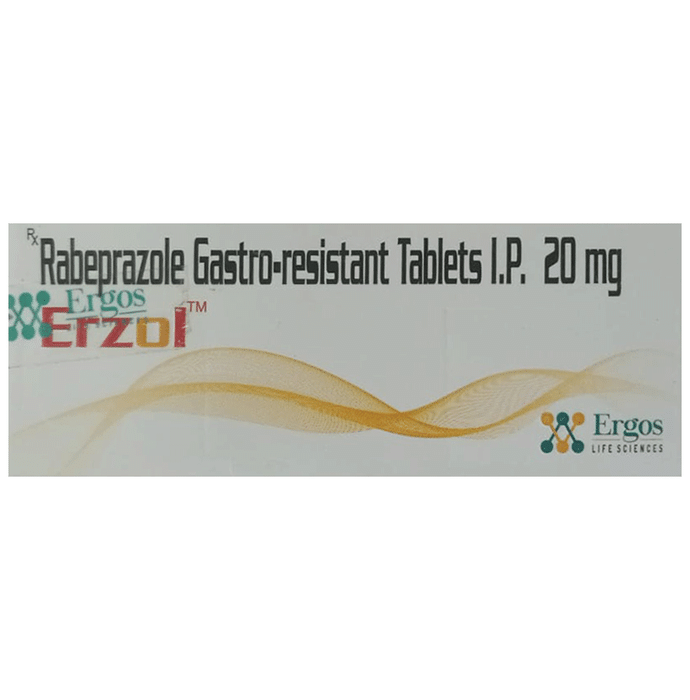
Rabeprazole (20mg)
Rabeprazole (20mg)
Rabeprazole (20mg)
Rabeprazole (20mg)
Rabeprazole (20mg)
More medicines by Olamic Pharma Pvt. Ltd.
Gabapentin (300mg) + Methylcobalamin/Mecobalamin (500mcg)
Linezolid (600mg)
Domperidone (30mg) + Rabeprazole (20mg)
Gabapentin (400mg) + Nortriptyline (10mg)
Methylcobalamin/Mecobalamin (2500mcg/ml)





.svg)