


Traimac 100mg Injection TRANEXAMIC ACID
Introduction to Traimac 100mg Injection
Traimac 100mg Injection is a medication primarily used to manage and reduce heavy bleeding. It is especially effective in conditions where excessive bleeding is a concern, such as during heavy menstrual periods. This injection helps in stabilizing the blood clots, thereby reducing the amount of bleeding.
Composition of Traimac 100mg Injection
The active ingredient in Traimac 100mg Injection is Tranexamic Acid. This component plays a crucial role in slowing down the breakdown of blood clots, which helps in controlling bleeding.
Uses of Traimac 100mg Injection
- Reduces heavy menstrual bleeding
- Helps in managing bleeding during surgical procedures
- Used in conditions where blood clot stabilization is necessary
Side effects of Traimac 100mg Injection
Common side effects:
- Headaches
- Stuffy nose
- Backaches
- Stomach aches
- Muscle or joint pain
Serious side effects:
- Blood clots
- Allergic reactions
- Eye problems
Precautions of Traimac 100mg Injection
Before using Traimac 100mg Injection, it is important to inform your healthcare provider if you have any allergies, especially to Tranexamic Acid. It should not be used by individuals who have a history of blood clots or are currently taking birth control pills. Pregnant women should avoid this medication unless prescribed by a doctor. Immediate medical attention is required if serious side effects occur.
How to Take Traimac 100mg Injection
- Administered by a healthcare professional
- Dosage and duration as prescribed by the doctor
- Follow the doctor's instructions carefully
Conclusion of Traimac 100mg Injection
Traimac 100mg Injection is an effective solution for managing heavy bleeding by stabilizing blood clots. While it offers significant benefits, it is crucial to use it under medical supervision to avoid potential side effects. Always consult with your healthcare provider for personalized advice and treatment.

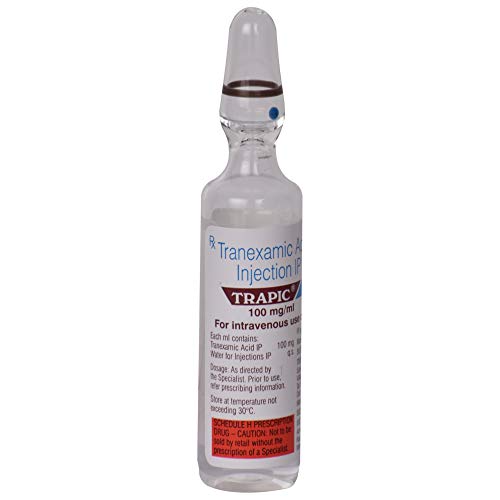

Can I take Traimac injection with other prescription drugs?
Traimac injection can interact with certain medications, increasing the risk of blood clots. Avoid using it with other clot-promoting drugs like hormonal contraceptives. Always inform your doctor about all medications you're taking to prevent interactions. Your doctor can help manage any potential risks and adjust your treatment plan as needed.
Can Traimac injection be taken safely while breastfeeding?
Traimac injection is considered safe to use while breastfeeding. It is not known to pass into breast milk in significant amounts. However, always consult your doctor before using it while breastfeeding. Your doctor can help determine if the benefits outweigh any potential risks for your specific situation.
Can Traimac injection be taken safely while pregnant?
Traimac injection is generally considered safe during pregnancy, but it should only be used if clearly needed. Limited studies suggest it doesn't harm the baby, but always consult your doctor before using it while pregnant. Your doctor can help determine if the benefits outweigh any potential risks for your specific situation.
Does Traimac injection cause headaches?
Headaches are not a common side effect of Traimac injection. Most people take this medication without experiencing headaches. If you do get mild headaches while taking Traimac injection, staying well-hydrated and resting may help. You can also take over-the-counter pain relievers after checking with your doctor. For severe or persistent headaches, talk with your healthcare provider.
Does Traimac injection cause stomach upset?
Traimac injection can cause stomach upset, including nausea and vomiting, but these effects are not common. If you experience mild stomach upset, taking the medication with food might help. If you develop severe or persistent stomach issues, talk with your doctor. They can help determine if these symptoms are related to Traimac injection or if they might be caused by something else.
Does Traimac injection limit driving?
Traimac injection might affect your ability to drive safely in some cases. It can cause dizziness or light-headedness. If you feel dizzy or faint after taking Traimac injection, avoid driving until these symptoms go away. Pay attention to how your body responds before getting behind the wheel. Talk with your doctor about any concerns you have about driving while taking this medication.
Does Traimac injection make people tired or drowsy?
Traimac injection doesn't typically cause tiredness or drowsiness. Most people take this medication without feeling unusually tired. If you notice you're feeling very sleepy or fatigued while taking Traimac injection, talk with your doctor. Your tiredness might be caused by something else, and your doctor can help determine the cause.
For how long do I take Traimac injection?
Traimac injection is usually taken short-term for acute bleeding conditions. The duration depends on the condition being treated and your doctor's instructions. Always follow your doctor's advice on how long to take this medication. Stopping it without medical advice could cause your condition to worsen.
How does Traimac injection work?
Traimac injection works by preventing the breakdown of blood clots. It blocks an enzyme called plasmin, which normally dissolves clots. Think of it like a dam holding back water; Traimac injection helps keep the "dam" strong to prevent excessive bleeding. This makes it effective for conditions where bleeding is a concern, like heavy periods or surgery.
How do I know if Traimac injection is working?
You'll know Traimac injection is working if you notice a reduction in bleeding. For example, if you're taking it for heavy menstrual bleeding, you should see less blood loss. Your doctor may also monitor your condition with blood tests or other assessments to ensure the medication is effective. Regular check-ups are important to track your progress.
How do I take Traimac injection?
Traimac injection is usually taken as a tablet or injection. For tablets, follow your doctor's instructions on dosage and timing, often taken two to four times a day. You can take it with or without food. If you miss a dose, take it as soon as you remember unless it's almost time for your next dose. Don't double up doses. Always follow your doctor's specific advice about how to take this medication.
How should I store Traimac injection?
Store Traimac injection at room temperature, away from moisture and light. Keep it in a tightly closed container. Don't store it in humid places like bathrooms. Always keep it out of reach of children to prevent accidental ingestion. Check the expiration date regularly and properly dispose of any unused or expired medication.
Is Traimac injection effective?
Traimac injection is effective in reducing or preventing excessive bleeding. It works by helping your blood clot. Clinical studies show it significantly reduces blood loss in various conditions, such as heavy menstrual bleeding and during surgery. Traimac injection is a well-established treatment for managing bleeding disorders.

Is Traimac injection safe for the elderly?
Traimac injection is indicated for females of reproductive potential and is not intended for use by postmenopausal women. There are no specific dosage adjustments recommended for elderly patients unless there is evidence of renal impairment.
What are Traimac injection possible harms and risks?
Common side effects of Traimac injection include headache (50%), sinus pain, back pain, stomach pain, and musculoskeletal pain. Serious adverse effects can include allergic reactions, vision changes, and thromboembolic events. Patients should seek medical attention if they experience serious side effects.
What disease or symptom is Traimac injection used for?
Traimac injection is used to treat excessive bleeding. It's commonly used for heavy menstrual bleeding, nosebleeds, and bleeding after surgery. It helps by preventing the breakdown of blood clots, reducing blood loss. Traimac injection can be used alone or with other treatments to manage bleeding effectively.
What is the usual dose of Traimac injection?
The usual dose of Traimac injection for adults is 1,000 to 1,500 mg taken two to three times a day. The exact dose and frequency depend on the condition being treated. Your doctor may adjust your dose based on your response and any side effects. Always follow your doctor's specific dosing instructions for your personal health needs.
What is Traimac injection?
Traimac injection is a medication that helps reduce or prevent excessive bleeding. It belongs to a class of drugs called antifibrinolytics, which work by preventing the breakdown of blood clots. Traimac injection is used to treat conditions like heavy menstrual bleeding, nosebleeds, and bleeding after surgery. It can be used alone or with other treatments to manage bleeding.
Who should avoid taking Traimac injection?
Traimac injection should not be used in people with a history of blood clots, such as deep vein thrombosis or pulmonary embolism, due to the risk of clot formation. It's also contraindicated in people with certain types of bleeding in the brain. Always consult your doctor about any health conditions before starting Traimac injection.
Similar Medicines
Tranexamic Acid (100mg)
Tranexamic Acid (100mg)
Tranexamic Acid (100mg)
Tranexamic Acid (100mg)
Tranexamic Acid (100mg)
More medicines by PCI Pharmaceuticals
Ceftazidime (1000mg)
Ceftriaxone (1gm)
Ampicillin (125mg) + Cloxacillin (125mg)
Aluminium Hydroxide (200mg) + Dimethicone/Polydimethylsiloxane (25mg) + Milk Of Magnesia (200mg)
Roxithromycin (150mg)





.svg)