

taclicept
Introduction to taclicept
Taclicept, commonly known as Tacrolimus, is a medication primarily used to prevent organ rejection after a transplant, such as a kidney transplant. It works by suppressing the immune system to prevent it from attacking the transplanted organ.
Composition of taclicept
Taclicept contains the active ingredient Tacrolimus, which binds to a protein in your body to inhibit an enzyme crucial for activating T-cells, thereby reducing immune system activity.
Uses of taclicept
- Prevention of organ rejection in transplant patients
- Management of certain autoimmune conditions
Side effects of taclicept
Common side effects:
- Diarrhea
- Nausea
- Tremors
- Headaches
- Dizziness
- Changes in appetite or mood
Serious side effects:
- High blood pressure
- High blood sugar
- Kidney issues
- Blood clots
- Increased risk of cancer and infections
Precautions of taclicept
Before taking taclicept, inform your doctor if you have any allergies or have had a liver transplant. Avoid grapefruit and alcohol while on this medication, as they can interact with taclicept. Regular monitoring of blood pressure, blood sugar, and kidney function is recommended.
How to Take taclicept
- Take taclicept as an extended-release capsule every morning at the same time.
- Ideally, take it on an empty stomach.
- Follow the dosage prescribed by your doctor, which is based on your weight and medical condition.
Conclusion of taclicept
Taclicept is a vital medication for preventing organ rejection in transplant patients. While it has some side effects, its benefits in maintaining the health of transplanted organs are significant. Always follow your doctor's instructions and report any unusual symptoms promptly.

Similar Medicines

Tacrolimus (1mg)
Tacrolimus (1mg)
Tacrolimus (1mg)
Tacrolimus (1mg)
Tacrolimus (1mg)
More medicines by Lupin Ltd
Aspirin (81mg) + Esomeprazole (20mg)
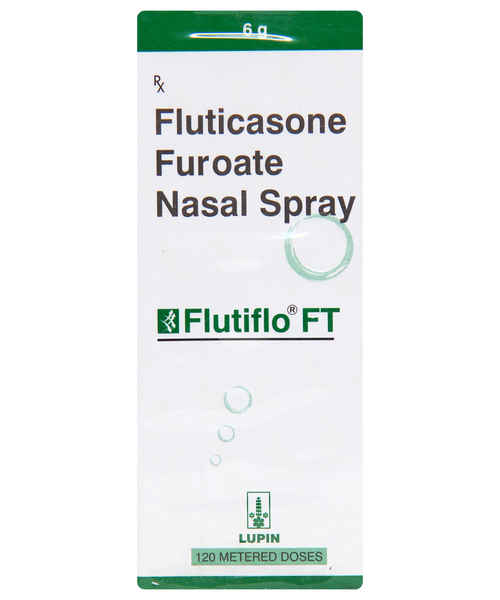
Fluticasone Furoate (27.5Mcg)
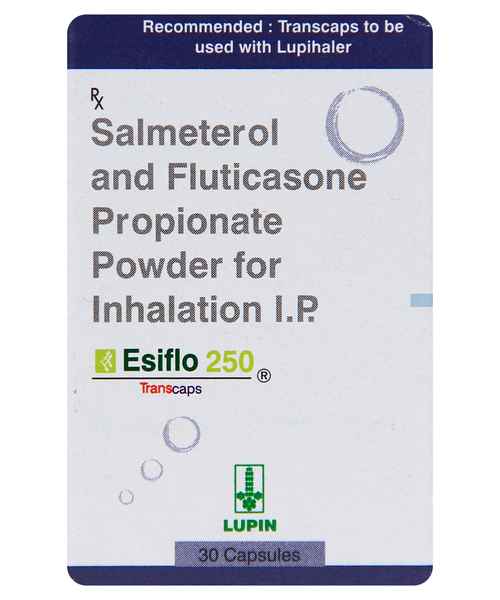
Fluticasone Propionate (250mcg) + Salmeterol (50mcg)
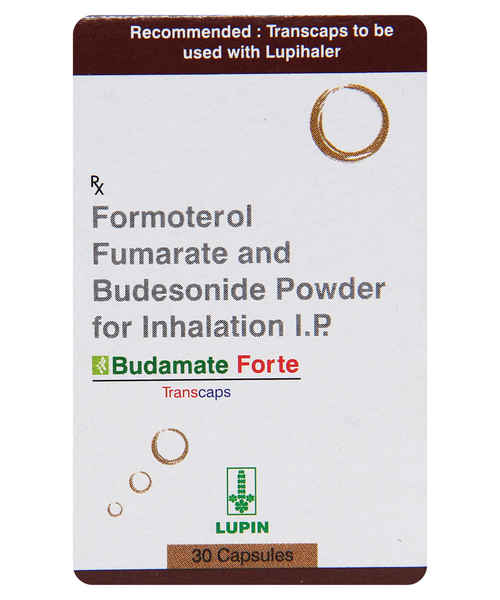
Budesonide (400mcg) + Formoterol (12mcg)
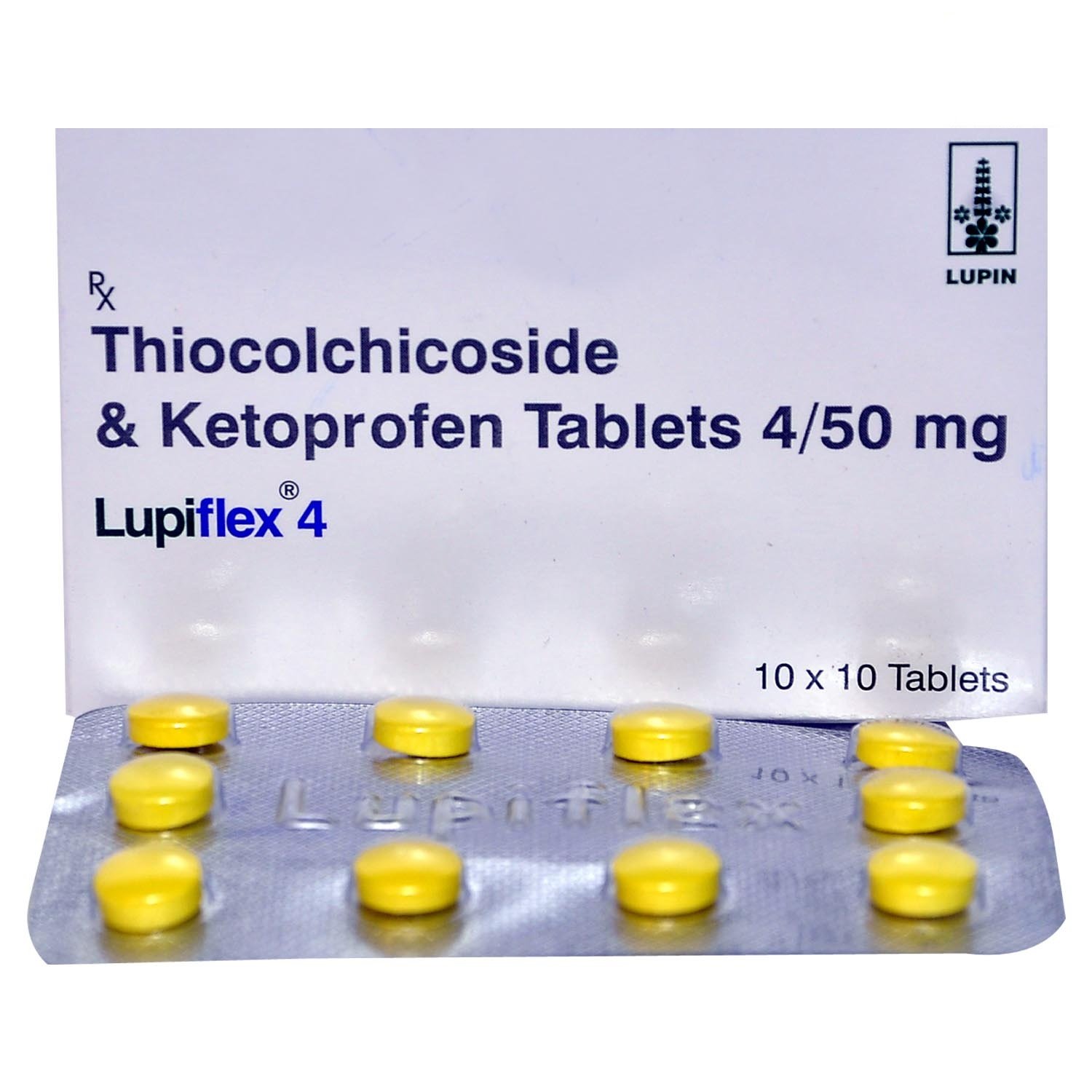
Thiocolchicoside (4mg) + Ketoprofen (50mg)
Available in 2 variations

Taclicept 1mg Capsule
strip of 10 capsules
Taclicept 0.5mg Capsule
strip of 10 capsules







.svg)