


ozapin OLANZAPINE
Introduction to Ozapin
Ozapin is a widely recognized medication primarily used in the treatment of certain mental health conditions. It is known for its effectiveness in managing symptoms associated with disorders such as schizophrenia and bipolar disorder. The active ingredient in Ozapin is Olanzapine, which belongs to a class of medications called atypical antipsychotics. By working on the balance of certain natural substances in the brain, Ozapin helps to alleviate symptoms like hallucinations, mood swings, and other cognitive disturbances. This medication is available in various forms, including tablets, which are the most common, and possibly other forms like injections or syrups depending on the specific needs of the patient.
Composition of Ozapin
The primary active ingredient in Ozapin is Olanzapine, available in a 5mg dosage. Olanzapine functions by influencing the actions of neurotransmitters in the brain, particularly serotonin and dopamine. These neurotransmitters are crucial in regulating mood, behavior, and cognition. By modulating these chemical messengers, Olanzapine helps in stabilizing mood, reducing psychotic episodes, and improving overall mental health. The effectiveness of Ozapin largely hinges on its ability to restore the balance of these neurotransmitters, thereby providing relief from symptoms of mental health disorders.
Uses for Ozapin
- Management of schizophrenia symptoms
- Treatment of manic episodes associated with bipolar disorder
- Prevention of mood swings in bipolar disorder
- Alleviation of psychotic symptoms such as hallucinations and delusions
Side Effects of Ozapin
- Weight gain
- Drowsiness
- Dizziness
- Dry mouth
- Increased appetite
- Constipation
- Fatigue
Precautions for Ozapin
Before starting Ozapin, it is important to discuss your medical history with your healthcare provider, especially if you have a history of liver disease, diabetes, heart disease, or seizures. Ozapin may interact with other medications, so it is crucial to inform your doctor about all the drugs you are currently taking. Pregnant or breastfeeding women should use Ozapin only if clearly needed and prescribed by a doctor. Regular monitoring of weight, blood sugar levels, and lipid profiles may be necessary, especially for long-term users.
Specifications of Ozapin
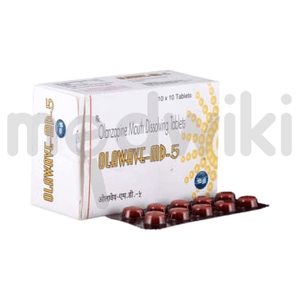
Ozapin is primarily available in tablet form, with a common dosage of 5mg of Olanzapine. While tablets are the most prevalent form, Ozapin may also be available as an injection or syrup, depending on the specific requirements of the treatment and the patient’s condition. Tablets are typically prescribed for regular, daily use, whereas injections might be used in acute settings under professional supervision. Syrups could be an option for those who have difficulty swallowing pills.
Conclusion
Ozapin, with its active ingredient Olanzapine, plays a significant role in managing mental health disorders such as schizophrenia and bipolar disorder. While effective, it is essential to use this medication under medical supervision due to potential side effects and interactions. By adhering to prescribed guidelines and maintaining regular consultations with healthcare providers, patients can achieve significant improvements in their mental health and quality of life. Always ensure to follow the dosage and administration instructions provided by your healthcare professional.




Can I take Ozapin with other prescription drugs?
Ozapin can interact with other medications, increasing the risk of side effects. For example, it may interact with benzodiazepines, increasing drowsiness. It can also interact with medications that affect heart rhythm. Always inform your doctor about all medications you take to avoid interactions and ensure safe treatment.
Can Ozapin be taken safely while breastfeeding?
Ozapin is excreted into breast milk, so it is not recommended while breastfeeding. It may affect the breastfed infant, but specific adverse effects are not well-documented. If you are breastfeeding or planning to, talk to your doctor about safer medication options.
Can Ozapin be taken safely while pregnant?
Ozapin is not recommended during pregnancy unless the benefits outweigh the risks. Limited data is available on its safety in pregnant women. If you are pregnant or planning to become pregnant, discuss with your doctor the safest treatment options for your condition.
Does Ozapin affect appetite?
Yes, Ozapin can increase appetite, which is a common side effect. This may lead to weight gain. If you notice changes in your appetite, try to maintain regular meal times and a balanced diet. If appetite changes are concerning, discuss them with your doctor for guidance.
Does Ozapin affect mood?
Yes, Ozapin can affect mood. It is used to stabilize mood in conditions like bipolar disorder. However, it may also cause mood changes, anxiety, or agitation in some people. These effects are occasional and usually mild. If you notice mood changes, talk to your doctor for advice.
Does Ozapin affect sleep?
Ozapin can cause sleep disturbances like insomnia or excessive sleepiness, but these are not common. If you notice changes in your sleep patterns, talk to your doctor. They can help determine if Ozapin is the cause and suggest ways to improve your sleep while continuing treatment.
Does Ozapin cause headaches?
Yes, Ozapin can cause headaches, but this is not common. Most people do not experience headaches while taking this medication. If you do get mild headaches, staying hydrated and resting may help. Over-the-counter pain relievers can also be used after consulting your doctor. If headaches are severe or persistent, talk to your healthcare provider to determine if they are related to Ozapin or another cause.
Does Ozapin cause stomach upset?
Ozapin can cause stomach upset, including nausea and constipation, but these effects are not common. If you experience mild nausea, taking the medication with food might help. Most people take Ozapin without significant stomach issues. If you have severe or persistent stomach problems, talk to your doctor to determine if they are related to the medication.
Does Ozapin cause weight gain?
Yes, Ozapin can cause weight gain, which is a common side effect. This weight gain can be mild to moderate and may occur in more than 10% of users. To manage weight changes, maintain a balanced diet and regular exercise. If weight gain is significant, talk to your doctor for advice.
Does Ozapin interfere with sexual function?
Yes, Ozapin can interfere with sexual function. It may cause sexual health side effects like erectile dysfunction or loss of libido, which is a reduced interest in sexual activity. These side effects are considered occasional, affecting less than 10% of users. The severity can range from mild to moderate. If you experience these side effects, talk to your doctor. They may suggest adjusting your dose or trying a different medication to manage these issues while continuing your treatment.
Does Ozapin limit driving?
Ozapin can cause drowsiness and dizziness, which may impair your ability to drive. Avoid driving until you know how the medication affects you. If you feel drowsy or dizzy, do not drive. Always prioritize safety and discuss any concerns with your doctor.
Does Ozapin make it hard to think or concentrate?
Ozapin can cause cognitive side effects like difficulty concentrating or thinking, but these are not common. If you notice these issues, they are usually mild. Talk to your doctor if concentration problems persist. They can help determine if Ozapin is the cause and suggest solutions.
Does Ozapin make people tired or drowsy?
Yes, Ozapin can cause drowsiness or fatigue, which are common side effects. These effects are usually mild to moderate. If you feel unusually tired, talk to your doctor. They can help determine if Ozapin is the cause and suggest ways to manage these symptoms.

For how long do I take Ozapin?
Ozapin is usually taken long-term for chronic conditions like schizophrenia or bipolar disorder. The duration depends on your response and any side effects. Your doctor will guide you on how long to continue treatment. Never stop taking Ozapin without consulting your doctor, as it may worsen your condition.

How does Ozapin work?
Ozapin works by affecting neurotransmitters, which are chemicals in the brain that influence mood and behavior. It helps balance these chemicals, reducing symptoms like hallucinations and mood swings. Think of it as adjusting the volume on a radio to reduce noise and improve clarity. This makes Ozapin effective for treating schizophrenia and bipolar disorder.
How do I know if Ozapin is working?
You'll know Ozapin is working if you notice improvements in symptoms like reduced hallucinations, mood stabilization, and better daily functioning. Regular check-ups with your doctor are important to monitor progress. They may use questionnaires or scales to assess your response to the medication and adjust treatment as needed.

How do I take Ozapin?
Take Ozapin as prescribed by your doctor, usually once daily. It can be taken with or without food, but try to take it at the same time each day. Do not crush or chew the tablets. If you miss a dose, take it as soon as you remember unless it's close to your next dose. In that case, skip the missed dose. Do not double up on doses. Avoid alcohol while taking Ozapin, as it can increase side effects like drowsiness.
How long does it take for Ozapin to start working?
Ozapin may start to work within a few days, but it can take several weeks to achieve its full effect. The time it takes to work can vary based on individual factors like age and overall health. Always take Ozapin as prescribed and discuss any concerns with your doctor.
How should I store Ozapin?
Store Ozapin at room temperature, away from moisture and light. Keep it in a tightly closed container. Do not store it in the bathroom, as humidity can affect the medication. Keep it out of reach of children and pets. Check the expiration date regularly and dispose of expired medication properly.
Is it safe to drink alcohol while taking Ozapin?
It's best to avoid alcohol while taking Ozapin. Alcohol can increase side effects like drowsiness and dizziness. It may also interfere with the medication's effectiveness. If you choose to drink, do so in moderation and be aware of any changes in how you feel. Discuss alcohol use with your doctor for personalized advice.
Is it safe to drink coffee or tea while taking Ozapin?
You can drink coffee and tea while taking Ozapin, as there are no known interactions. However, caffeine can increase anxiety or restlessness in some people. Enjoy caffeinated drinks in moderation and monitor how they affect you. If you notice any issues, talk to your doctor.
Is it safe to exercise while taking Ozapin?
Yes, you can exercise while taking Ozapin, but be cautious. The medication can cause drowsiness or dizziness, which might affect your balance. Start with light activities and gradually increase intensity. Stay hydrated and listen to your body. If you feel unwell during exercise, stop and rest. Consult your doctor if you have concerns.
Is Ozapin effective?
Yes, Ozapin is effective for treating schizophrenia and bipolar disorder. It helps manage symptoms like hallucinations, mood swings, and agitation. Clinical studies show that Ozapin improves mental health outcomes in these conditions. Always follow your doctor's instructions to achieve the best results.
Is Ozapin safe for the elderly?
Elderly individuals are more vulnerable to Ozapin's side effects, such as drowsiness, dizziness, and weight gain. It may also increase the risk of falls. Doctors often prescribe lower doses for older adults and monitor them closely. Always discuss any concerns with your doctor to ensure safe use.
What are Ozapin possible harms and risks?
Potential risks and side effects include:
- Weight gain
- Diabetes or increased blood sugar
- Sedation or drowsiness
- Tardive dyskinesia (involuntary movements)
- Increased cholesterol levels
- Heart issues (such as QT prolongation)
What disease or symptom is Ozapin used for?
Ozapin is primarily used to treat schizophrenia and bipolar disorder. It helps manage symptoms like hallucinations, mood swings, and agitation. Ozapin can be used alone or with other therapies to improve mental health outcomes. It benefits these conditions by balancing chemicals in the brain that affect mood and behavior.
What is Ozapin?
Ozapin is an antipsychotic medication used to treat schizophrenia and bipolar disorder. It works by affecting certain chemicals in the brain to help manage symptoms like hallucinations, mood swings, and agitation. Ozapin can be used alone or with other medications to improve mental health outcomes.
What is the usual dose of Ozapin?
The usual starting dose of Ozapin for adults is 5 to 10 mg once daily. Your doctor may adjust the dose based on your response and needs, with a maximum recommended dose of 20 mg per day. For elderly patients or those with liver issues, a lower starting dose may be used. Always follow your doctor's specific dosing instructions for your health needs.
Who should avoid taking Ozapin?
Do not use Ozapin if you are allergic to it or its ingredients. It is not recommended for people with severe liver problems. Caution is needed for those with a history of seizures, diabetes, or heart issues. Always discuss your medical history with your doctor before starting Ozapin to ensure it is safe for you.
Available in 3 variations

Ozapin -MD 10 Tablet
strip of 10 tablet md
OZAPIN 15 MG TABLET MD
strip of 10 tablet md
Ozapin -MD 5 Tablet
strip of 10 tablet md
Similar Medicines
Olanzapine (5mg)
Olanzapine (5mg)
Olanzapine (5mg)
Olanzapine (5mg)
Olanzapine (5mg)
More medicines by Ipca Laboratories Ltd
Ketorolac (0.5% w/v) + Moxifloxacin (0.5% w/v)
Magnesium Citrate (375mg) + Potassium Citrate (1100mg) + Pyridoxine (20mg)
Aloe Vera (10% w/w) + Calamine (8% w/w) + Liquid Paraffin (10% w/w)
Domperidone (30mg) + Pantoprazole (40mg)
Calcium Pantothenate (200mg)





.svg)