

force
Introduction to Prednisolone
Prednisolone is a widely used medication known for its potent anti-inflammatory and immunosuppressive properties. It belongs to a class of drugs known as corticosteroids, which are synthetic versions of hormones naturally produced by the adrenal glands. Prednisolone is commonly prescribed to treat a variety of conditions, including allergies, asthma, autoimmune diseases, and certain types of arthritis. Available in different forms such as tablets, injections, and syrups, Prednisolone offers flexibility in administration depending on the patient's needs and the severity of the condition being treated.
Composition of Prednisolone
The active ingredient in Prednisolone is prednisolone itself, which is a glucocorticoid. Glucocorticoids are a type of corticosteroid that primarily work by reducing inflammation and suppressing the immune system. This makes Prednisolone effective in managing conditions where inflammation and immune response play a key role. By mimicking the effects of cortisol, a natural hormone produced by the adrenal glands, Prednisolone helps control the body's inflammatory pathways and immune responses, providing relief from symptoms associated with various inflammatory and autoimmune disorders.
Uses for Prednisolone
- Reducing inflammation in conditions such as arthritis and asthma
- Treating allergic reactions and severe allergies
- Managing autoimmune diseases like lupus and multiple sclerosis
- Controlling symptoms of skin conditions such as eczema and psoriasis
- Supporting treatment for certain types of cancers
Side Effects of Prednisolone
- Increased appetite and weight gain
- Insomnia or difficulty sleeping
- Mood swings or changes in mood
- Increased risk of infections
- High blood pressure
- Osteoporosis with long-term use
Precautions for Prednisolone
Before starting Prednisolone, it is important to inform your healthcare provider about any existing medical conditions, allergies, or medications you are taking. Prednisolone can interact with other medications, potentially altering their effects. Patients with a history of infections, high blood pressure, diabetes, or osteoporosis should use Prednisolone with caution. It is also crucial to follow the prescribed dosage and not to abruptly stop taking the medication without consulting a healthcare professional, as this can lead to withdrawal symptoms.
Conclusion
Prednisolone is a versatile and effective medication for managing a range of inflammatory and autoimmune conditions. Available in various forms including tablets, injections, and syrups, it provides flexibility in treatment options. While it is generally well-tolerated, patients should be aware of potential side effects and take necessary precautions. Consulting with a healthcare provider ensures safe and effective use of Prednisolone, helping to achieve the best possible outcomes for patients.
Similar Medicines

Prednisolone (10mg)
Prednisolone (10mg)
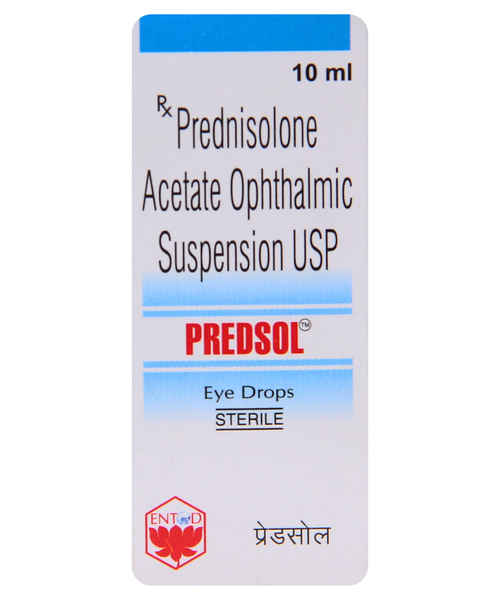
Prednisolone (10mg)
Prednisolone (10mg)
Prednisolone (10mg)
More medicines by Vasphar India
Diclofenac (50mg) + Paracetamol/Acetaminophen (325mg) + Serratiopeptidase (10mg)
Domperidone (10mg) + Lansoprazole (30mg)
Cefuroxime (250mg)
Ofloxacin (200mg) + Ornidazole (500mg)
Ofloxacin (200mg)
Available in 2 variations

Force 10mg Tablet
strip of 10 tablets
Force 20mg Tablet
strip of 10 tablets







.svg)