


fludara FLUDARABINE
Introduction to fludara
Fludara, known by its full brand name Fludarabine, is primarily used as an injection to treat certain types of cancer, such as chronic lymphocytic leukemia. Fludara helps reduce the number of cancer cells and improve symptoms like fatigue and infections.
Composition of fludara
Fludara contains the active ingredient Fludarabine, which belongs to a class of drugs called antimetabolites. These drugs mimic the building blocks of DNA, disrupting cancer cell growth and slowing disease progression.
Uses of fludara
- Treatment of chronic lymphocytic leukemia
- Reduction of cancer cell numbers
- Improvement of symptoms such as fatigue and infections
Side effects of fludara
- Common side effects: Low blood cell counts, increased infection risk, fatigue
- Serious side effects: Severe bone marrow suppression, severe infections
Precautions of fludara
Fludara can suppress bone marrow, leading to low blood cell counts and increased infection risk. It is not recommended for individuals with severe kidney problems or active infections. Pregnant or breastfeeding women should avoid it due to potential harm to the baby.
How to Take fludara
Fludara is typically administered as an injection by a healthcare professional. The usual dose for adults is 25 mg/m², given over 30 minutes for five consecutive days, with the cycle repeated every 28 days. Follow your doctor’s advice for the correct usage.
Conclusion of fludara
Fludara, containing the active ingredient Fludarabine, is a therapeutic antimetabolite used primarily for treating chronic lymphocytic leukemia. It is manufactured for injection use and is known for reducing cancer cell numbers and improving related symptoms. Always consult with a healthcare professional for proper guidance on using Fludara.
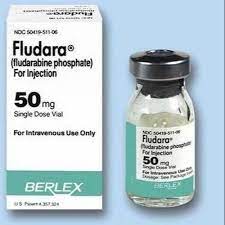

Available in 2 variations

Fludara 10mg Tablet
strip of 20 tablets

vial of 1 Injection
Similar Medicines
Fludarabine (10mg)
More medicines by Emcure Pharmaceuticals Ltd
L-Ornithine L-Aspartate (500mg)
Domperidone (30mg) + Esomeprazole (40mg)
Tigecycline (50mg)
L-Ornithine L-Aspartate (150mg)
Fosphenytoin (150mg)





.svg)