


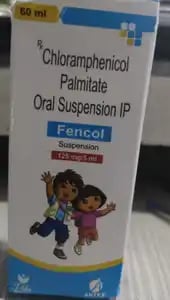
fencol CHLORAMPHENICOL
Introduction to Fencol
Fencol is a medication used to treat severe bacterial infections when other antibiotics are not effective. It is particularly useful in treating conditions like typhoid fever and infections caused by Haemophilus influenzae.
Composition of Fencol
Fencol contains the active ingredient Chloramphenicol, which is an antibiotic that works by interfering with bacterial protein synthesis, thereby inhibiting the growth and reproduction of bacteria.
Uses of Fencol
- Treatment of severe infections such as typhoid fever
- Effective against infections caused by Haemophilus influenzae
- Used when other antibiotics are ineffective
Side Effects of Fencol
Common Side Effects:
- Nausea
- Vomiting
- Diarrhea
Serious Side Effects:
- Reversible bone marrow depression
- Irreversible aplastic anemia
Precautions of Fencol
Fencol should not be used in individuals with hypersensitivity to the drug, during pregnancy and breastfeeding, or in patients with porphyria. It is also contraindicated for those taking drugs that suppress bone marrow function. Careful monitoring is required, especially in patients with hepatic or renal impairment.
How to Take Fencol
- Typically administered orally
- Usual daily dose for adults and the elderly is 50 mg per kg of body weight, divided into four doses
- For severe infections, the dose may be doubled initially but should be reduced as soon as possible
Conclusion of Fencol
Fencol is a powerful antibiotic used to treat severe infections when other treatments fail. It is important to follow the prescribed dosage and be aware of potential side effects. Always consult with a healthcare professional before starting any new medication.



Available in 4 variations

Fencol 500mg Capsule
strip of 10 capsules
Fencol 250mg Capsule
strip of 10 capsules
Fencol 1gm Injection
vial of 10 ml Injection
Fencol 125mg/5ml Suspension
bottle of 60 ml Suspension
Similar Medicines
Chloramphenicol (250mg)
Chloramphenicol (250mg)
Chloramphenicol (250mg)
Chloramphenicol (250mg)
Chloramphenicol (250mg)
More medicines by Ind Swift Laboratories Ltd
Cetirizine (5mg) + Paracetamol/Acetaminophen (500mg) + Phenylephrine (5mg)
Cefixime + Clavulanic Acid
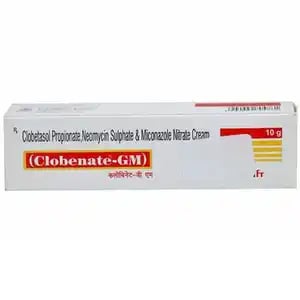
Clobetasol (0.05% w/w) + Gentamicin (0.1% w/w) + Miconazole (2% w/w)
Betamethasone (0.5mg)
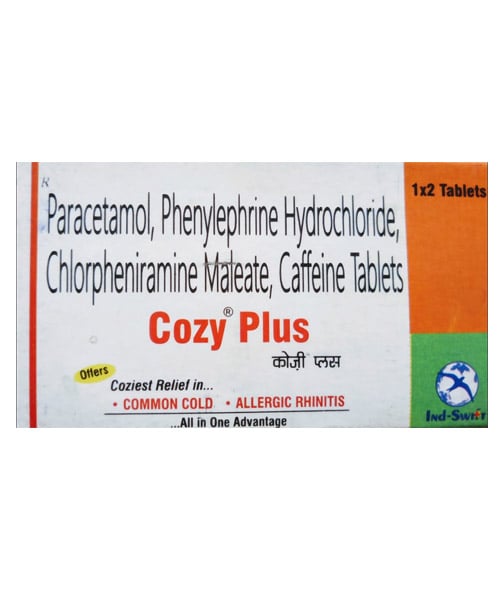
Caffeine (30mg) + Chlorpheniramine Maleate (2mg) + Paracetamol/Acetaminophen (500mg) + Phenylephrine (5mg)





.svg)