

cyndol
Introduction to cyndol
Cyndol is a medication primarily used to manage moderate to severe pain. It is particularly effective for pain resulting from surgery, injury, or chronic conditions such as diabetic neuropathy, osteoarthritis, and fibromyalgia.
Composition of cyndol
The active ingredient in Cyndol is Tapentadol. This compound works by binding to opioid receptors in the brain and spinal cord, reducing the perception of pain, and inhibiting the reuptake of norepinephrine, a chemical that helps control pain.
Uses of cyndol
- Relief from moderate to severe pain
- Pain management after surgery
- Treatment of pain from injuries
- Management of chronic pain conditions like diabetic neuropathy, osteoarthritis, and fibromyalgia
Side effects of cyndol
Common side effects:
- Dizziness
- Nausea
- Constipation
- Headache
- Drowsiness
Serious side effects:
- Difficulty breathing
- Low blood pressure
- Severe allergic reactions
Precautions of cyndol
Cyndol can cause life-threatening respiratory depression, especially at higher doses. It should not be used with alcohol or by people with severe asthma, breathing problems, or gastrointestinal blockage. Caution is advised for those with a history of substance abuse, the elderly, and individuals with liver or kidney issues.
How to Take cyndol
- For adults, the usual starting dose is 50 to 100 mg every 4 to 6 hours.
- Do not exceed a maximum of 500 mg per day.
- Dosage adjustments should be based on individual pain levels and tolerance.
Conclusion of cyndol
Cyndol is an effective medication for managing moderate to severe pain. However, it is important to use it responsibly and under medical supervision due to potential side effects and safety concerns. Always follow your healthcare provider's instructions when taking Cyndol.

Similar Medicines
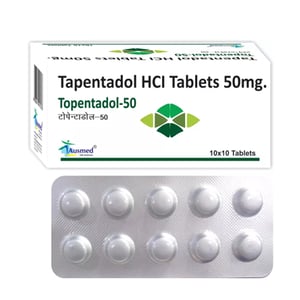
Tapentadol (50mg)

Tapentadol (50mg)

Tapentadol (50mg)
Tapentadol (50mg)
Tapentadol (50mg)
More medicines by Lupin Ltd
Aspirin (81mg) + Esomeprazole (20mg)
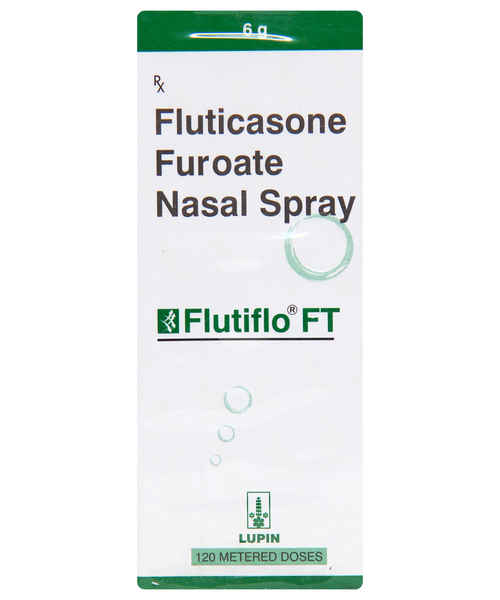
Fluticasone Furoate (27.5Mcg)
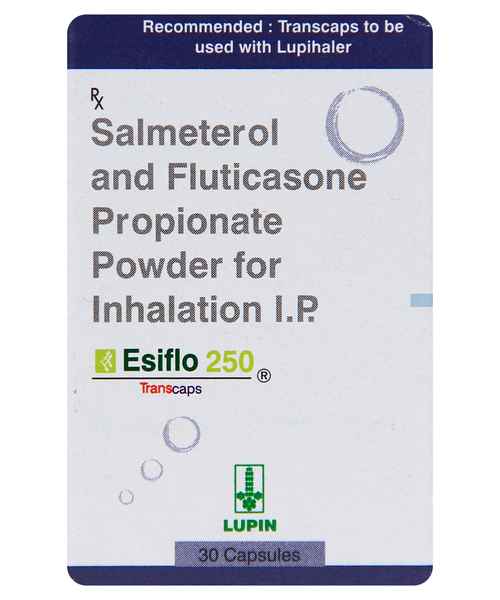
Fluticasone Propionate (250mcg) + Salmeterol (50mcg)
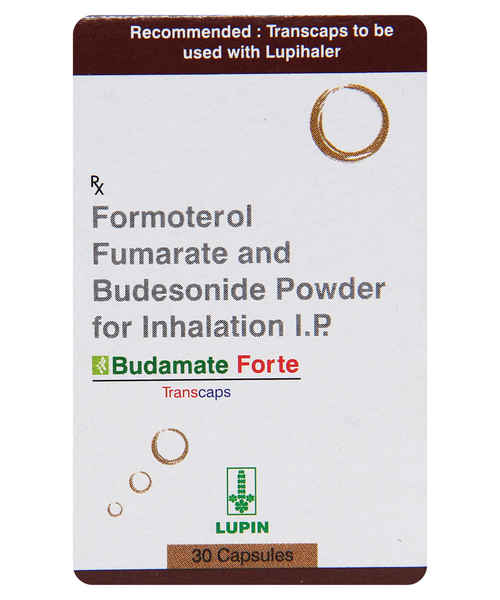
Budesonide (400mcg) + Formoterol (12mcg)
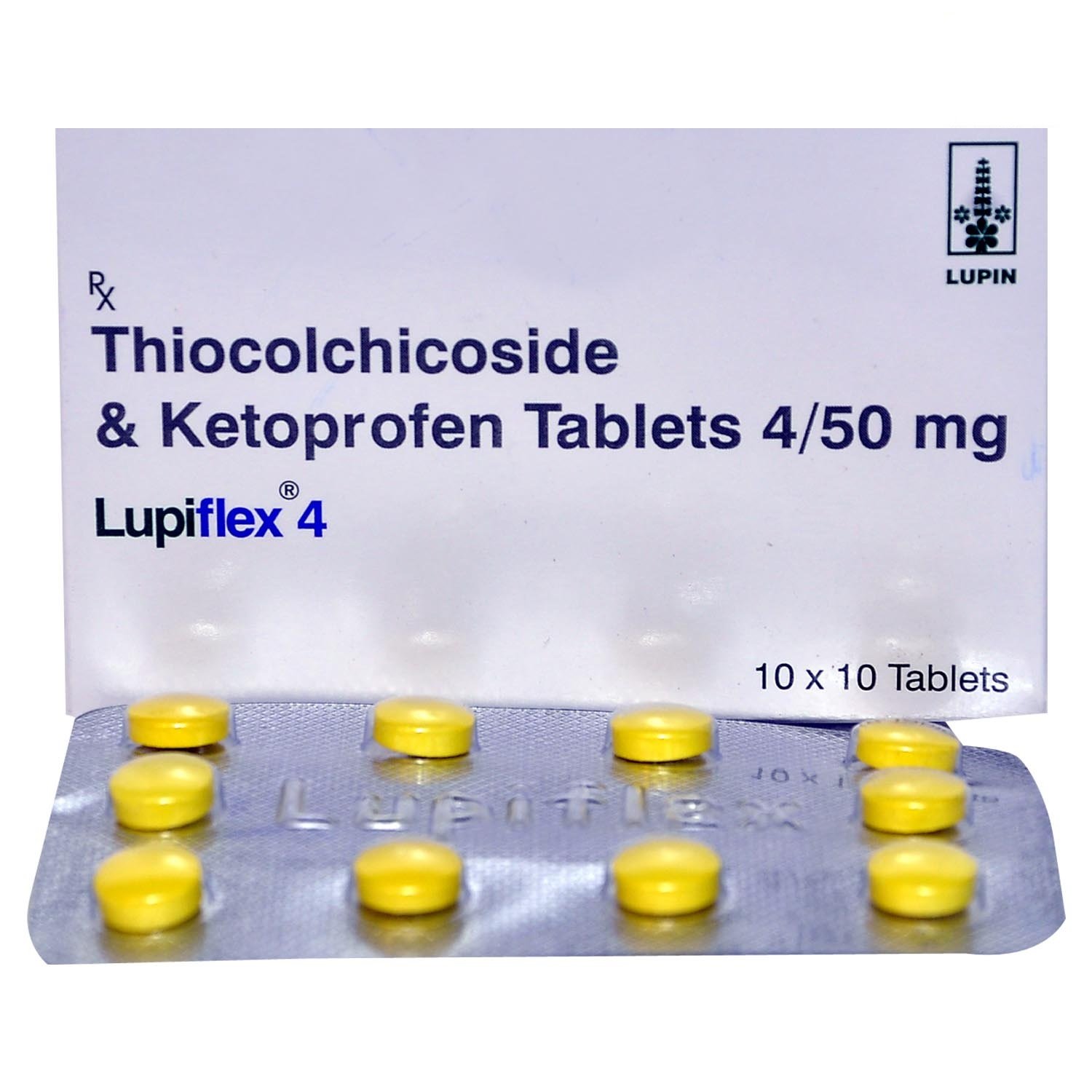
Thiocolchicoside (4mg) + Ketoprofen (50mg)
Available in 2 variations

Cyndol 50mg Tablet
strip of 10 tablets
Cyndol 75mg Tablet
strip of 10 tablets







.svg)