

atecard
Introduction to atecard
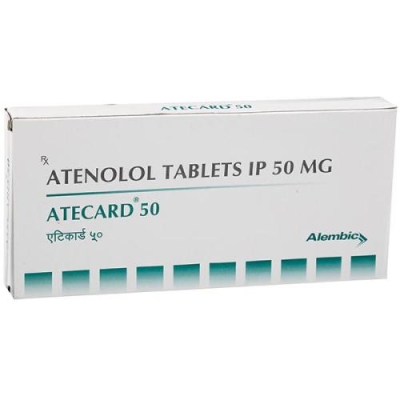
Atecard is a medication primarily used to manage heart-related conditions. It is known for its ability to lower blood pressure, reduce the risk of heart attacks, and manage chest pain, also known as angina. By helping the heart work more efficiently, Atecard plays a crucial role in improving cardiovascular health.
Composition of atecard
Atecard contains the active ingredient Atenolol, which is a type of medication known as a beta-blocker. Beta-blockers work by blocking the effects of stress hormones on the heart and blood vessels, leading to a slower heartbeat and reduced blood pressure.
Uses of atecard
- Lowering high blood pressure
- Reducing the risk of heart attacks and strokes
- Managing chest pain (angina)
- Improving survival chances after a heart attack
Side effects of atecard
Common side effects:
- Feeling tired or sleepy
- Dizziness
- Nausea
Serious side effects:
- Changes in heart rate
- Low blood pressure
- Breathing difficulties
- Serious allergic reactions
- Mental health issues
Precautions of atecard
Atecard should not be used if you have a slow heartbeat, certain heart blockages, or a serious heart condition called cardiogenic shock. It is also contraindicated in severe heart failure and if you have an allergy to Atenolol. Stopping Atecard suddenly can worsen heart problems or cause a heart attack. It should be avoided if you have lung issues like asthma.
How to Take atecard
- Start with a dose of 50 milligrams once a day for most adults.
- Your doctor may increase the dose to 100 milligrams if necessary.
- Older adults or those with kidney problems may start with a lower dose of 25 milligrams.
- Take the medication as prescribed by your doctor, usually once a day.
- Do not stop taking Atecard suddenly without consulting your doctor.
Conclusion of atecard
Atecard is an effective medication for managing high blood pressure, reducing the risk of heart attacks, and controlling chest pain. While it offers significant benefits, it is important to be aware of its side effects and take necessary precautions. Always follow your doctor's instructions when taking Atecard to ensure the best outcomes for your heart health.
Similar Medicines
Atenolol (100mg)
Atenolol (100mg)
Atenolol (100mg)
Atenolol (100mg)
Atenolol (100mg)
More medicines by Alembic Pharmaceuticals Ltd
Domperidone (10mg) + Omeprazole (20mg)
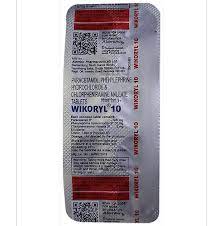
Chlorpheniramine Maleate (2mg) + Paracetamol (500mg) + Phenylephrine (10mg)
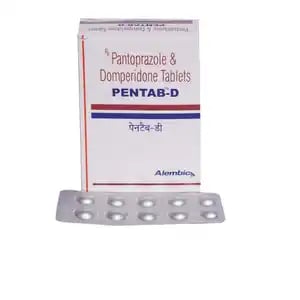
Domperidone (10mg) + Pantoprazole (40mg)
Pioglitazone (15mg) + Metformin (500mg)
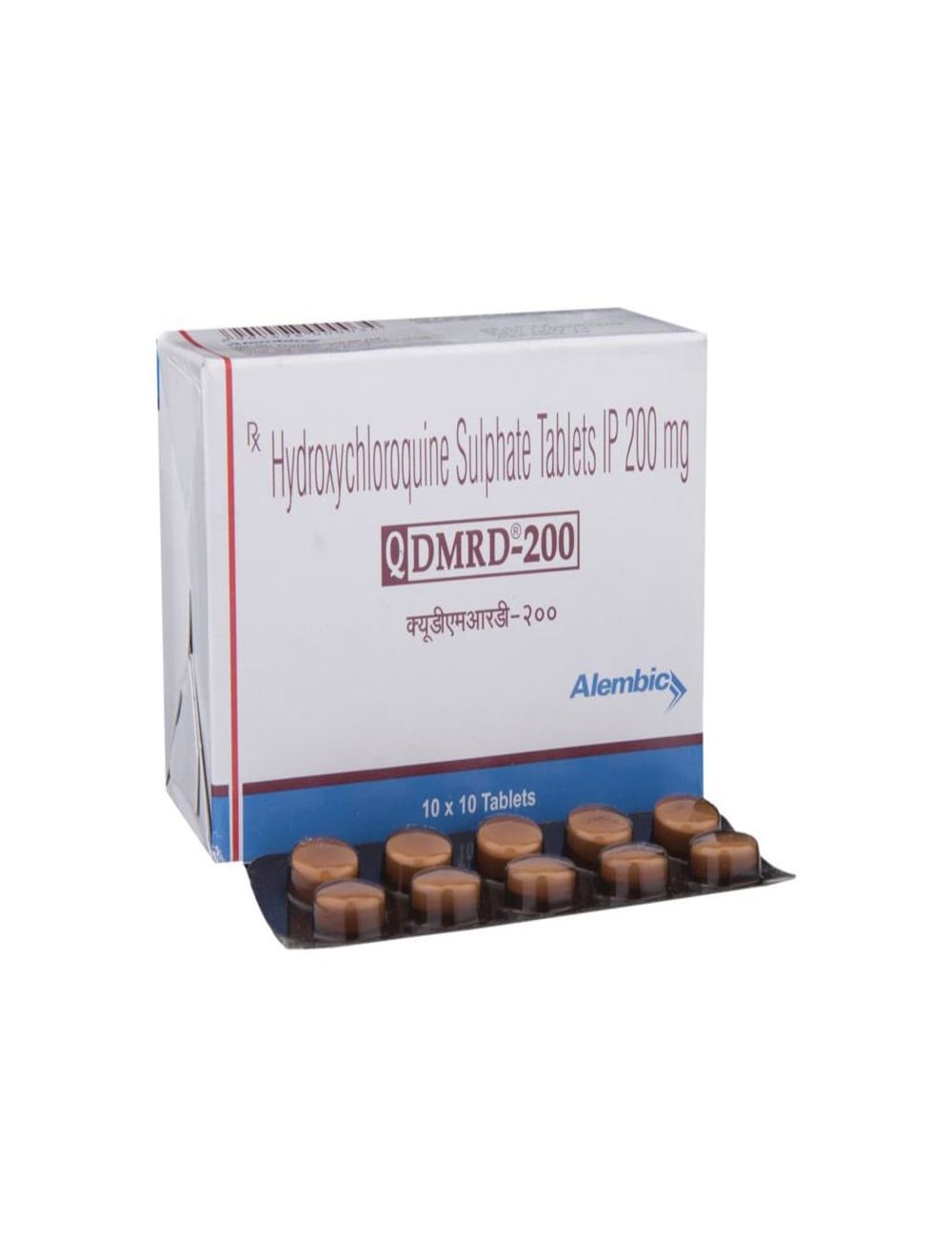
Hydroxychloroquine (200mg)
Available in 3 variations

strip of 14 tablets

strip of 14 tablets

Atecard 100mg Tablet
strip of 14 tablets


Disclaimer : This information is not a substitute for medical advice. Consult your healthcare provider before making any changes to your treatment . Do not ignore or delay professional medical advice based on anything you have seen or read on Medwiki.
atecard
Prescription Required
Manufacturer :
Alembic Pharmaceuticals LtdComposition :
atenolol




.svg)