


alexin CEFALEXIN
Introduction to Alexin
Alexin is a widely used antibiotic known for its effectiveness in treating a variety of bacterial infections. It belongs to the class of cephalosporin antibiotics, which work by stopping the growth of bacteria. Alexin is commonly prescribed for infections of the respiratory tract, urinary tract, skin, and soft tissues. It is available in several forms, including tablets, capsules, and syrup, making it versatile for different patient needs. Its active ingredient, Cefalexin, is well-regarded for its ability to combat a wide range of bacterial pathogens effectively.
Composition of Alexin
The active ingredient in Alexin is Cefalexin, present in a 500mg dosage. Cefalexin is a first-generation cephalosporin antibiotic that works by inhibiting the synthesis of the bacterial cell wall, which leads to the death of the bacteria. This makes it highly effective against various gram-positive and some gram-negative bacteria, providing a broad spectrum of antibacterial activity. Cefalexin is particularly effective in treating infections caused by susceptible strains of bacteria, ensuring quick relief from symptoms and preventing the spread of infection.
Uses for Alexin
- Treatment of respiratory tract infections such as bronchitis and pneumonia.
- Management of urinary tract infections, including cystitis and pyelonephritis.
- Skin and soft tissue infections like cellulitis and abscesses.
- Bone infections, such as osteomyelitis.
- Ear infections, including otitis media.
Side Effects of Alexin
- Gastrointestinal disturbances such as diarrhea, nausea, and vomiting.
- Allergic reactions, including rash, itching, and swelling.
- Dizziness or headache.
- Fatigue or weakness.
- Rarely, severe intestinal condition (Clostridium difficile-associated diarrhea) due to resistant bacteria.
Precautions of Alexin
Before taking Alexin, inform your doctor if you are allergic to cephalosporins or penicillins, as this may increase the risk of an allergic reaction. It is important to complete the full prescribed course, even if symptoms improve, to prevent the development of antibiotic-resistant bacteria. Use with caution in patients with kidney disease, as dosage adjustments may be necessary. Pregnant or breastfeeding women should consult their healthcare provider before using Alexin. Avoid alcohol consumption while on this medication, as it may exacerbate certain side effects.
Specifications of Alexin
Alexin is available in multiple forms to cater to different patient preferences and medical needs. It comes in tablet and capsule forms, typically containing 500mg of Cefalexin. Additionally, it is available as a syrup, which is particularly useful for children or those who have difficulty swallowing pills. Each form is designed to deliver the same effective dose of Cefalexin, ensuring consistent treatment outcomes across different patient groups.
Conclusion
Alexin, with its active ingredient Cefalexin, is a reliable antibiotic choice for treating a variety of bacterial infections. Its availability in multiple forms, including tablets, capsules, and syrup, makes it adaptable to different patient needs. While generally safe and effective, it is important to use Alexin responsibly and under the guidance of a healthcare professional to minimize the risk of side effects and prevent antibiotic resistance. Always follow your doctor's instructions and complete the full course of treatment for optimal results.


Can Alexin be taken safely while breastfeeding?
Alexin is generally considered safe to use while breastfeeding. It passes into breast milk in small amounts, but it is unlikely to harm a nursing infant. However, it's important to monitor your baby for any signs of side effects, such as diarrhea or rash. If you have concerns about taking Alexin while breastfeeding, discuss them with your doctor. They can provide guidance on the best treatment options for you and your baby.
Can Alexin be taken safely while pregnant?
Alexin is generally considered safe to use during pregnancy. It is often prescribed to treat bacterial infections in pregnant women. However, it's important to use it only when clearly needed and as directed by your doctor. There is limited evidence on the absolute safety of most medicines during pregnancy, so always discuss the risks and benefits with your healthcare provider. They can help determine if Alexin is the right choice for you during pregnancy.
Can I take Alexin with other prescription drugs?
Alexin has few major drug interactions, but it's important to be cautious. It can interact with certain blood thinners like warfarin, increasing the risk of bleeding. Alexin may also affect the effectiveness of live bacterial vaccines. Always inform your doctor about all medications you're taking, including over-the-counter drugs and supplements. They can help manage any potential interactions and adjust your treatment plan as needed to ensure your safety and the effectiveness of Alexin.
Does Alexin affect appetite?
Alexin doesn't typically affect your appetite. Most people taking this antibiotic don't notice changes in how hungry they feel or how much they want to eat. This medicine works by treating bacterial infections and doesn't directly impact your desire for food. If you notice any unexpected changes in your appetite after starting Alexin, talk with your doctor about these changes. Your doctor can help determine if any appetite changes you experience are related to Alexin or if there might be another cause.
Does Alexin affect mood?
Alexin doesn't typically cause mood changes. Most people take this antibiotic without experiencing anxiety, agitation, or other mental health effects. Mood changes aren't listed among the known side effects of Alexin. If you notice changes in your mood or mental well-being after starting this medication, talk with your doctor. These symptoms might be related to something else, like stress or another health condition. Your doctor can help determine what's causing any mental health changes you experience.
Does Alexin affect sleep?
Alexin doesn't typically cause sleep problems. Most people take this antibiotic without experiencing changes in their sleep patterns. Sleep disturbances aren't listed as a known side effect of Alexin. If you notice changes in how well you sleep after starting this medication, talk with your doctor. Sleep problems might be related to something else, like another medication you're taking or a different health condition. Your doctor can help figure out what's causing your sleep issues.
Does Alexin cause headaches?
Headaches are not a common side effect of Alexin. Most people take this antibiotic without experiencing headaches. If you do develop a mild headache while taking Alexin, staying hydrated and resting may help. Over-the-counter pain relievers can also be used, but check with your doctor first. If you experience severe or persistent headaches, contact your healthcare provider. They can help determine if the headache is related to Alexin or if there is another cause that needs attention.
Does Alexin cause stomach upset?
Alexin can cause stomach upset, including nausea, vomiting, and diarrhea. These side effects are generally mild and occur in a small percentage of people. Taking Alexin with food may help reduce stomach discomfort. If you experience severe or persistent stomach upset, contact your doctor. They can help determine if these symptoms are related to Alexin or if there might be another cause. Your doctor can also provide guidance on managing any gastrointestinal side effects.
Does Alexin cause weight gain?
Alexin doesn't typically affect body weight. Most people take this antibiotic without experiencing weight changes. It works by treating bacterial infections and doesn't directly impact your appetite or metabolism. If you notice any unexpected weight changes while taking Alexin, talk with your doctor. They can help determine if these changes are related to the medication or if there might be another cause. Your doctor can also provide guidance on managing any weight concerns.
Does Alexin interfere with sexual function?
Alexin doesn't typically interfere with sexual function. Most people take this antibiotic without experiencing changes in sexual health, such as erectile dysfunction or loss of libido. Sexual side effects are not commonly associated with Alexin. If you notice any changes in your sexual function while taking this medication, it's important to talk with your doctor. They can help determine if these changes are related to Alexin or if there might be another cause. Your doctor can also provide guidance on managing any issues while continuing your treatment.
Does Alexin limit driving?
Alexin is unlikely to impair your ability to drive. However, it can cause mild side effects like dizziness or light-headedness in some people. If you experience these symptoms, avoid driving until they go away. When you first start taking Alexin, pay attention to how your body responds before getting behind the wheel. If you notice any unusual symptoms that could affect your driving, talk with your doctor. They can provide guidance on how to manage these effects.
Does Alexin make it hard to think or concentrate?
Alexin doesn't typically cause thinking problems or concentration difficulties. Most people take this antibiotic without experiencing changes in their mental focus or memory. Cognitive issues like confusion or trouble concentrating aren't listed as known side effects of Alexin. If you notice problems with your thinking after starting this medication, talk with your doctor. These symptoms might be related to something else, such as an underlying health condition. Your doctor can help determine what's causing these issues.
Does Alexin make people tired or drowsy?
Alexin doesn't typically cause tiredness or drowsiness. Most people take this antibiotic without feeling unusually fatigued. If you notice you're feeling very sleepy or fatigued while taking Alexin, talk with your doctor. Your tiredness might be caused by something else, like another medication you're taking, or an underlying health condition. Your doctor can help determine what's causing your symptoms and recommend appropriate adjustments to your treatment plan.
For how long do I take Alexin?
Alexin is usually prescribed for short-term use to treat acute infections. The typical duration is 7 to 14 days, depending on the type and severity of the infection. It's important to complete the full course of antibiotics as prescribed by your doctor, even if you start feeling better. Stopping early can lead to the infection returning or becoming resistant to antibiotics. Always follow your doctor's instructions regarding the duration of Alexin treatment.
How does Alexin work?
Alexin works by interfering with the bacteria's cell wall formation, which is essential for their survival. Think of it like removing the bricks from a wall, causing it to collapse. This action stops the bacteria from growing and multiplying, allowing your body's immune system to fight off the infection. Alexin is effective against a wide range of bacteria, making it useful for treating various infections. Its ability to target bacterial cell walls makes it a valuable tool in fighting bacterial infections.
How do I know if Alexin is working?
Alexin is used to treat bacterial infections. You'll know it's working when your symptoms, such as pain, swelling, or fever, start to improve. For skin infections, you might notice less redness and swelling. For respiratory or urinary tract infections, symptoms like coughing or painful urination should decrease. It's important to complete the full course of Alexin as prescribed, even if you feel better. If your symptoms don't improve or worsen, contact your doctor for further evaluation.
How do I take Alexin?
Alexin is usually taken orally, with or without food, as directed by your doctor. It's typically prescribed to be taken every 6 to 12 hours, depending on the condition being treated. You should swallow the capsule whole and not crush it. If you miss a dose, take it as soon as you remember, unless it's almost time for your next dose. In that case, skip the missed dose and continue your regular schedule. Do not double up on doses. Always follow your doctor's specific instructions regarding dosage and timing.
How long does it take for Alexin to start working?
Alexin starts working soon after you take it, with noticeable improvements in symptoms within a few days. The full therapeutic effect may take longer, depending on the type and severity of the infection. Factors like your overall health and the specific bacteria causing the infection can affect how quickly Alexin works. It's important to take the medication exactly as prescribed and complete the full course, even if you start feeling better. If your symptoms don't improve, contact your doctor.
How should I store Alexin?
Store Alexin at room temperature, away from moisture and light. Keep it in a tightly closed container to protect it from damage. Avoid storing it in humid places like bathrooms, as moisture can affect its effectiveness. If your Alexin came in packaging that isn't child-resistant, transfer it to a container that children can't easily open. Always store Alexin out of children's reach to prevent accidental ingestion. Check the expiration date regularly and dispose of any unused or expired medication properly.
Is Alexin effective?
Alexin is effective in treating bacterial infections. It works by stopping the growth of bacteria, helping your body fight off the infection. Alexin is commonly used to treat infections of the skin, respiratory tract, and urinary tract. Clinical studies and patient experiences support its effectiveness for these conditions. Always take Alexin as prescribed by your doctor to ensure the best results. If you have concerns about its effectiveness, discuss them with your healthcare provider.
Is Alexin safe for the elderly?
Alexin is generally safe for elderly patients, but they may be more vulnerable to side effects. Older adults often have decreased kidney function, which can affect how the body processes the medication. This may require dose adjustments. Common side effects like diarrhea or dizziness may be more pronounced in the elderly. It's important for older adults to be closely monitored by their healthcare provider while taking Alexin. Always discuss any concerns with your doctor.
Is it safe to drink alcohol while taking Alexin?
It's generally safe to drink alcohol in moderation while taking Alexin. There are no well-established interactions between Alexin and alcohol. However, alcohol can cause dehydration and may worsen side effects like dizziness or upset stomach. If you choose to drink, do so in moderation and stay hydrated. If you experience any unusual symptoms, contact your doctor. They can provide personalized advice based on your specific health situation.
Is it safe to drink coffee or tea while taking Alexin?
You can drink coffee and tea while taking Alexin. There are no known interactions between caffeine and Alexin. However, both caffeine and Alexin can cause increased urination. Drinking too much caffeine might increase your risk of dehydration, which means your body doesn't have enough fluids. Enjoy caffeinated drinks in moderation and make sure you drink plenty of water throughout the day. If you feel dizzy or lightheaded, these could be signs of dehydration, so talk with your doctor.
Is it safe to exercise while taking Alexin?
You can exercise while taking Alexin, but listen to your body. This antibiotic can cause mild side effects like dizziness or stomach upset, which might affect your exercise capacity. If you feel dizzy or lightheaded during physical activity, slow down or stop and rest. Drink plenty of water to stay hydrated, especially if you're exercising in hot weather. Most people can maintain their regular exercise routine while taking Alexin, but check with your doctor if you have concerns.
What are Alexin possible harms and risks?
Broad-spectrum antibiotics, like Alexin (a cephalosporin), can sometimes cause a serious gut infection called pseudomembranous colitis. This infection can range from mild to very dangerous. In some cases, it can show up as a positive Coombs' test, a blood test related to immune system issues. While doctors know it can happen, they don't have exact numbers on how often these problems occur.
What disease or symptom is Alexin used for?
Alexin is used to treat bacterial infections. It's effective for skin infections, respiratory tract infections, and urinary tract infections. Alexin works by stopping the growth of bacteria, helping your body fight off the infection. It's often used alone but can be combined with other therapies if needed. Alexin is not effective against viral infections like the common cold or flu. Always use it as prescribed by your doctor to ensure the best results for your condition.
What is Alexin?
Alexin is an antibiotic in the cephalosporin class. It works by stopping the growth of bacteria, helping your body fight off infections. Alexin is primarily used to treat bacterial infections such as those affecting the skin, respiratory tract, and urinary tract. It is effective against a wide range of bacteria and is often prescribed for mild to moderate infections. Alexin is usually taken orally and can be used alone or in combination with other therapies, depending on the infection.
What is the usual dose of Alexin?
The usual starting dose of Alexin for adults is 250 mg to 500 mg every 6 to 12 hours, depending on the infection being treated. The maximum recommended dose is typically 4 grams per day. For children, the dose is based on weight and the type of infection. Elderly patients or those with kidney problems may require dose adjustments. Always follow your doctor's specific dosing instructions for your health needs. Your doctor will determine the best dose for you based on your condition and response to treatment.
Who should avoid taking Alexin?
Alexin should not be used if you have a known allergy to it or other cephalosporin antibiotics. Serious allergic reactions, which cause rash, hives, or swelling that makes breathing difficult, require immediate medical help. Use caution if you have a history of penicillin allergy, as cross-reactivity can occur. Alexin should be used with caution in people with kidney problems, as dose adjustments may be necessary. Always consult your doctor about any concerns or medical conditions before starting Alexin.
Available in 4 variations

Alexin 500mg Capsule
strip of 10 capsules
Alexin 250mg Capsule
strip of 10 capsules
Alexin Syrup 30ml
bottle of 30 ml syrup
Alexin Kid 250mg Tablet
strip of 10 tablets
Similar Medicines
Cefalexin (500mg)
Cefalexin (500mg)
Cefalexin (500mg)
Cefalexin (500mg)
Cefalexin (500mg)
More medicines by Alembic Pharmaceuticals Ltd
Domperidone (10mg) + Omeprazole (20mg)
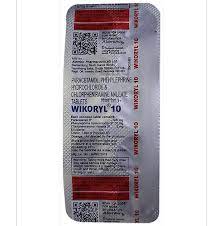
Chlorpheniramine Maleate (2mg) + Paracetamol (500mg) + Phenylephrine (10mg)
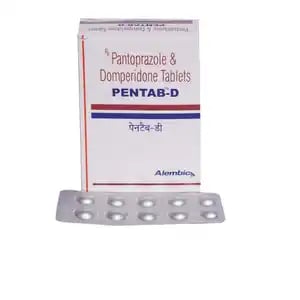
Domperidone (10mg) + Pantoprazole (40mg)
Pioglitazone (15mg) + Metformin (500mg)
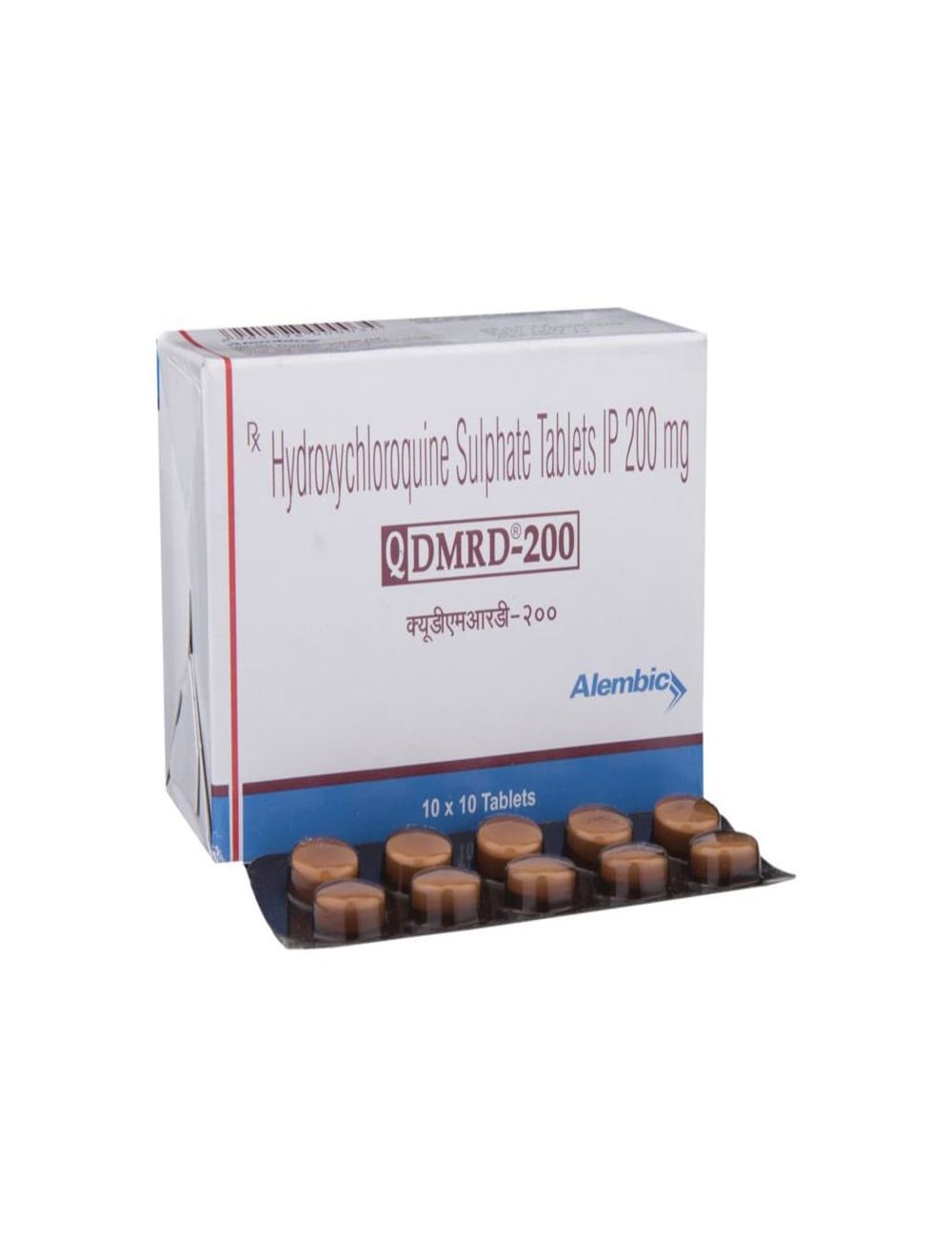
Hydroxychloroquine (200mg)





.svg)