

1:15
Bringing a baby into the world is one of the most meaningful experiences in a woman's life. However, childbirth is only the beginning of a new journey. The weeks and months that follow are equally important because the body and mind need time to heal and adjust.PostpartumRecovery Care plays a vital role in helping mothers regain strength, manage physical changes, and adapt to the demands of caring for a newborn.Many women focus heavily on pregnancy and delivery, but the recovery period often receives less attention. Proper support duringPostpartum recovery can improve comfort, reduce complications, and promote emotional well-being. From rest and nutrition to medical follow-ups, every aspect of care contributes to a healthier recovery experience.Each mother's healing process is different. Some women recover quickly, while others require additional time and support. Whether it involvesRecovery After Childbirth following a vaginal birth or surgery, understanding the recovery process helps mothers make informed decisions and prioritize their health during this important stage.Understanding the Healing JourneyAfter childbirth, the body immediately begins repairing itself. Hormone levels change rapidly, the uterus gradually returns to its normal size, and tissues affected during delivery start healing.Postpartum Recovery Care helps mothers navigate these physical changes while ensuring that recovery progresses safely and comfortably.Many women experience a variety of symptoms duringPostpartum recovery, including soreness,fatigue, swelling, and emotional fluctuations. These changes are normal and usually improve over time with proper rest, hydration, and support from loved ones and healthcare providers.The process ofPostnatal Recovery varies depending on factors such as age, health condition, delivery method, and lifestyle habits. Understanding these differences can help mothers set realistic expectations and avoid unnecessary stress during the healing journey.Physical Changes During the First WeeksThe body undergoes significant adjustments after childbirth.Postpartum Recovery Care helps mothers understand these changes and identify what is considered normal during healing. One of the most common experiences isPostpartum Bleeding (Lochia), which occurs as the uterus sheds tissue and returns to its pre-pregnancy state.Knowing what to expect can make recovery less stressful and more manageable.The uterus gradually shrinks back to its normal size.Mild abdominal cramping may occur during healing.Postpartum Bleeding (Lochia) can continue for several weeks.Hormonal fluctuations may affect mood and energy levels.Breast changes often occur as milk production increases.Physical soreness is common duringRecovery After Childbirth.These physical changes are a natural part of the healing process and should not cause unnecessary concern in most cases. Mothers who understand these changes often feel more confident and prepared during recovery. Monitoring symptoms and following medical advice can support a smoother and more comfortable healing experience.Different Recovery ExperiencesRecovery can differ greatly depending on the type of delivery.Recovery After Vaginal Deliverygenerally focuses on managing soreness, swelling, and tissue healing, whileRecovery After C-Section requires attention to surgical recovery and incision care. Both experiences require patience and proper support.Understanding the differences helps mothers prepare for their specific recovery needs.Recovery After Vaginal Delivery may involve discomfort in the perineal area.Gentle walking can improve circulation and healing.Recovery After C-Section requires special attention to incision care.Heavy lifting should be avoided during surgical recovery.Pain management should follow professional recommendations.Healing timelines vary among individuals.Every birth experience is unique, and there is no universal recovery timeline that applies to all mothers. Following healthcare guidance and listening to the body's signals can help ensure a safer recovery. Consistent self care and patience are essential for both physical healing and emotional well-being.Emotional Well-Being and Mental HealthPhysical recovery is important, but emotional health deserves equal attention. Many mothers experience mood swings, anxiety, or emotional sensitivity after delivery. In some cases,Postpartum Depression may develop and require professional support. Recognizing symptoms early can lead to better outcomes and improved quality of life.Hormonal changes, sleep deprivation, and new responsibilities can contribute to emotional stress. Open communication with family members and healthcare providers can help mothers feel supported and understood during difficult moments.Attention toPelvic Floor Recovery andPerineal Healing can also improve confidence and comfort. When mothers feel physically stronger and emotionally supported, the overall recovery experience becomes more positive and manageable.The Role of Healthy EatingNutrition plays a major role in healing after childbirth. ProperPostpartum Nutrition provides the body with the nutrients needed for tissue repair, hormone regulation, and energy production. A balanced diet can also supportPostnatal Recovery and help mothers feel stronger throughout the day.Healthy food choices can significantly improve recovery outcomes.Eat protein-rich foods to support tissue repair.Include fruits and vegetables for essential vitamins.Stay hydrated throughout the day.Choose whole grains for lasting energy.Follow a balancedPostpartum Nutrition plan.SeekBreastfeeding Support if dietary concerns arise.Nutritious meals provide the fuel needed for healing and daily activities during motherhood. Consistent healthy eating habits can improve energy levels, support immune function, and promote long term wellness. Mothers who prioritize nutrition often experience a smoother and more comfortable recovery process.Rest, Sleep, and Energy ManagementAdequate rest is one of the most important aspects ofPostpartum Recovery Care. Childbirth places significant demands on the body, and recovery becomes more difficult when mothers do not get enough sleep. Although caring for a newborn can be challenging, finding opportunities to rest remains essential.Managing daily responsibilities effectively can help reduce stress and support recovery.Sleep whenever the baby sleeps.Accept help from trusted family members.Create a simple and flexible routine.Stay hydrated and eat regular meals.Monitor symptoms ofPostpartum Fatigue.Seek professional advice ifPostpartum Fatigue becomes severe.Rest supports physical healing, emotional stability, and overall well-being during the postpartum period. Even short periods of sleep and relaxation can make a meaningful difference in energy levels. Prioritizing recovery allows mothers to better care for themselves and their babies.Building Strength GraduallyAs recovery progresses, gentle movement can help improve circulation, flexibility, and confidence.Pelvic Floor Recovery is particularly important because these muscles support the bladder, bowel, and reproductive organs. Strengthening exercises should be introduced gradually and only when medically approved.A careful approach to activity can prevent discomfort and promote healing.Begin with gentle walking sessions.Practice approved pelvic floor exercises.SupportPerineal Healing through proper hygiene.Avoid intense exercise too soon.Follow guidance duringRecovery After Vaginal Delivery.Increase activity levels gradually.Recovery should focus on steady progress rather than rushing back into demanding physical activities. Consistent movement, combined with adequate rest, can improve strength and endurance over time. A balanced approach helps mothers rebuild confidence while protecting their long term health.Monitoring Important SymptomsUnderstanding warning signs is an essential part ofPostpartum Recovery Care. While many symptoms are normal, some may indicate complications that require medical attention. Early intervention can prevent more serious health concerns and improve recovery outcomes.Awareness and observation help mothers feel more confident during recovery.Watch for excessivePostpartum Bleeding (Lochia).Monitor fever or signs of infection.Pay attention to severe or worsening pain.Maintain properPostpartum Nutrition habits.Report unusual swelling or breathing difficulties.Contact a healthcare provider if symptoms worsen.Recognizing concerning symptoms early allows mothers to receive timely medical support when needed. Regular monitoring can reduce anxiety and provide reassurance throughout the healing process. Staying informed is an important step toward a safer and healthier recovery journey.Long Term Wellness After BirthRecovery continues well beyond the first few weeks after childbirth. Physical healing, emotional adjustment, and lifestyle changes often require ongoing attention. Some women may experience delayed symptoms ofPostpartum Depression, making long term support especially important.Maintaining healthy habits can improve overall wellness and quality of life.Exercise regularly when approved by a healthcare provider.Seek support forPostpartum Depression if symptoms arise.Prioritize emotional health and self care.Build a strong support network.Schedule personal time whenever possible.Continue healthy lifestyle practices.Long term wellness involves more than recovering from childbirth alone. It includes creating sustainable habits that support physical, emotional, and mental health. Mothers who invest in their well-being are often better equipped to handle the demands of parenting and daily life.Staying Connected With Healthcare ProvidersProfessional medical guidance remains valuable throughout recovery. Regular appointments allow healthcare providers to assess healing progress, address concerns, and provide personalized recommendations.Breastfeeding Support can also help mothers overcome feeding challenges and build confidence.Ongoing communication with healthcare professionals promotes safer recovery.Attend every scheduledPostpartum Checkup.Discuss symptoms and concerns openly.Ask questions about infant care and feeding.Seek additionalBreastfeeding Support when needed.Review recovery goals during eachPostpartum Checkup.Follow medical recommendations carefully.Healthcare providers play an essential role in supporting mothers throughout recovery. Their guidance can help identify potential problems early and provide reassurance during uncertain moments. Regular follow-up care encourages healthier outcomes for both mother and baby.Benefits of Proper Recovery SupportA structured recovery plan can improve healing outcomes and overall well-being.Postpartum Recovery Care provides mothers with the resources, education, and support needed to navigate the challenges of early motherhood successfully.Understanding the advantages of proper care encourages better recovery habits.Supports faster physical healing.Helps reduce recovery-related complications.Encourages healthy emotional adjustment.Promotes successfulPelvic Floor Recovery.Improves energy levels and daily functioning.Strengthens confidence during motherhood.The benefits of recovery support extend far beyond the first few weeks after childbirth. Consistent care contributes to long term health and allows mothers to enjoy a more positive postpartum experience. Investing in recovery is an investment in future well-being.Common Challenges During RecoveryDespite careful planning, many mothers face challenges during healing.Postpartum recovery often includes physical discomfort, emotional changes, and lifestyle adjustments that can feel overwhelming at times.Understanding these challenges can make them easier to manage.ManagingPostpartum Fatigue.Coping with hormonal fluctuations.AddressingPerineal HealingDiscomfort.Adjusting to new daily routines.Balancing personal needs and infant care.Seeking help when recovery feels difficult.Challenges are a normal part of the recovery journey and do not indicate failure or weakness. With proper support and realistic expectations, mothers can overcome obstacles more effectively. Patience and self compassion remain essential throughout the healing process.Steps for a Successful Recovery JourneyCreating healthy habits can improve both short term and long term recovery outcomes.Postpartum Recovery Care works best when mothers actively participate in their healing process and seek help when necessary.Small daily actions can have a significant impact on recovery.Follow healthcare recommendations consistently.Attend everyPostpartum Checkup.Maintain healthyPostpartum Nutrition habits.Practice approved exercises forPelvic Floor Recovery.Prioritize sleep and relaxation.Reach out for support when needed.A successful recovery journey requires patience, consistency, and self care. Every positive step contributes to improved physical and emotional health over time. Mothers who prioritize recovery often experience greater confidence and well-being as they adjust to life after childbirth.ConclusionThe period following childbirth is a critical time for healing, adjustment, and personal growth.Postpartum Recovery Care provides the support needed to help mothers recover physically, emotionally, and mentally while adapting to the responsibilities of parenthood.A combination of rest, nutrition, medical guidance, and emotional support can significantly improvePostpartum recovery outcomes. Paying attention to individual needs and seeking assistance when necessary can make the recovery process more comfortable and effective.Whether focusing onRecovery After Childbirth or supportingPostnatal Recovery, proper care creates a strong foundation for long term health. Every mother deserves the resources, encouragement, and support required for a safe and successful recovery journey.FollowMedwikifor more!Frequently Asked Questions1. How long does Recovery After Childbirth usually take?Recovery After Childbirth varies from person to person. While some mothers feel better within a few weeks, others may require several months depending on their health, delivery type, and recovery progress.2. What is the difference between Recovery After Vaginal Delivery and Recovery After C-Section?Recovery After Vaginal Delivery generally focuses on tissue healing and soreness management, whileRecovery After C-Section includes surgical healing, incision care, and a longer recovery timeline.3. How long does Postpartum Bleeding (Lochia) last?Postpartum Bleeding (Lochia) usually continues for several weeks after delivery. The amount gradually decreases over time, but unusual bleeding should be discussed with a healthcare provider.4. What are the signs of Postpartum Depression?Common symptoms ofPostpartum Depression include persistent sadness, anxiety, irritability, loss of interest in activities, and difficulty bonding with the baby. Professional support is recommended if symptoms continue.5. Why is Pelvic Floor Recovery important after childbirth?Pelvic Floor Recovery helps strengthen muscles affected by pregnancy and delivery. Proper recovery can improve bladder control, comfort, and overall physical function.6. How can Breastfeeding Support benefit new mothers?Breastfeeding Support provides guidance on feeding techniques, milk supply concerns, and common breastfeeding challenges. This assistance can improve confidence and feeding success.7. Why are Postpartum Nutrition and a Postpartum Checkup necessary?ProperPostpartum Nutrition supports healing and energy levels, while aPostpartum Checkup helps healthcare providers monitor recovery and address concerns before they become serious.

1:15
Many couples rely on the withdrawal method as a form of birth control, but questions about its reliability remain common.Can You GetPregnant from the Pull-Out Method is one of the most frequently searched reproductive health topics because people want clear answers about the risks involved.The pull-out method involves removing the penis from the vagina before ejaculation occurs. While this approach may reduce the likelihood of pregnancy, it does not provide complete protection. Understanding the facts behindCan You Get Pregnant from the Pull-Out Method can help individuals make informed decisions about their reproductive health.There are many myths surrounding withdrawal and conception. This guide explains how the method works, the chances of pregnancy, common misconceptions, and safer alternatives for pregnancy prevention in simple and easy-to-understand language.Understanding the Pull-Out MethodThe withdrawal method, also known as pulling out, is a birth control practice whereejaculation occurs outside the vagina. The goal is to prevent sperm from entering the reproductive tract and causing pregnancy. Although simple in theory, successful use requires timing and self-control.Many discussions aboutPulling Out and Pregnancy focus on whether withdrawal can reliably prevent conception. Human error often affects the effectiveness of this method, making it less dependable than many modern contraceptive options.When evaluatingCan You Get Pregnant from the Pull-Out Method, it is important to understand that no birth control method is perfect except complete abstinence. Even careful use of withdrawal carries some risk.How Pregnancy Can Still HappenPregnancy occurs when sperm fertilizes an egg during the fertile window of a woman's cycle. Even when ejaculation happens outside the body, pregnancy may still occur under certain circumstances.Several factors contribute to the possibility of conception.Timing mistakes during withdrawalPresence of sperm near the vaginal openingInconsistent use of the methodFertile reproductive timingLack of backup contraceptionMisunderstanding reproductive biologyMany people ask aboutChances of Getting Pregnant while using withdrawal. Although the risk is lower than having unprotected intercourse with ejaculation inside the vagina, it is not eliminated completely.The Role of Pre-Ejaculate FluidOne of the biggest concerns related to withdrawal involvesPre-Ejaculate Fluid. This fluid is released before ejaculation and may contain sperm under certain conditions. Because it can enter the vagina before withdrawal occurs, pregnancy remains possible.Understanding the science behind this fluid helps clarify common misconceptions.Produced before ejaculationHelpslubricate the urethraMay contain residual spermOften released unknowinglyVaries among individualsCan contribute to conception riskQuestions aboutCan Pre-Cum Cause Pregnancy are common because many people assume pregnancy is impossible without full ejaculation. However, reproductive experts acknowledge thatPre-Ejaculate Fluid may contribute to pregnancy risk in some cases.Common Myths and MisconceptionsThere are many myths surrounding withdrawal and fertility. Some people mistakenly believe that pregnancy cannot occur if ejaculation happens outside the vagina. Unfortunately, reproductive biology is more complex than that.Another misconception is that withdrawal is always effective when performed correctly. While careful timing improves results, it cannot guarantee complete protection. UnderstandingWithdrawal Method Effectiveness requires looking at both perfect-use and typical-use statistics.People researchingCan You Get Pregnant from the Pull-Out Method should rely on scientific information rather than assumptions. Accurate knowledge helps reduce misunderstandings about reproductive risks.Factors That Affect Pregnancy RiskSeveral biological and behavioral factors influence whether conception occurs. Pregnancy risk varies from person to person depending on fertility and timing.The following elements can increase risk.Timing of intercourseFertility levels of both partnersPresence of sperm in pre-ejaculateInconsistent withdrawal techniqueOvulation timingLack of additional contraceptionThe overallChances of Getting Pregnant depend on multiple factors working together. UnderstandingOvulation and Pregnancy is especially important because fertility is highest during certain days of the menstrual cycle.Understanding Fertility AwarenessTracking fertility can help individuals better understand reproductive timing.Fertility Awareness involves monitoring menstrual cycles, ovulation signs, and fertile windows. While useful, it requires consistency and careful observation.People use several methods to monitor fertility.Cycle trackingBasal body temperature monitoringCervical mucus observationOvulation prediction kitsCalendar methodsSymptom trackingKnowledge ofOvulation and Pregnancy can help couples understand when conception is more likely. However,Fertility Awareness alone may not provide reliable pregnancy prevention for everyone.How Effective Is the Withdrawal Method?The effectiveness of withdrawal depends heavily on correct and consistent use. Many unintended pregnancies occur because the method relies entirely on human behavior and timing.Several factors influence outcomes.User experienceTiming accuracyConsistency of useFertility timingPresence of pre-ejaculate spermUse of backup methodsWhen discussingWithdrawal Method Effectiveness, healthcare providers often note that typical use is less reliable than perfect use. Therefore,Can You Get Pregnant from the Pull-Out Method remains an important question with a clear answer: yes, pregnancy is possible.Emergency Options After Unprotected SexSometimes individuals worry about pregnancy after withdrawal fails or is performed incorrectly. In such cases, prompt action may help reduce the likelihood of conception.Several options may be considered.Emergency contraceptive pillsCopper intrauterine devicePregnancy testing when appropriateMedical consultationCycle trackingFollow-up healthcare visitsEmergency Contraception is most effective when used as soon as possible after unprotected intercourse. Individuals concerned aboutPulling Out and Pregnancy should speak with a healthcare provider regarding available options.Benefits of Safer Contraceptive ChoicesModern birth control methods generally provide greater reliability than withdrawal alone. Choosing effective contraception can reduce stress and improve reproductive planning.Common benefits include:Higher effectiveness ratesBetter pregnancy preventionGreater peace of mindImproved family planningReduced risk of unintended pregnancyConsistent protectionManyPregnancy Prevention Methods offer significantly greater protection than withdrawal. Combining education with responsible decision-making supports healthier outcomes.Safe Sex and Long-Term Reproductive HealthPreventing pregnancy is only one aspect of sexual health. Protection against sexually transmitted infections and maintaining reproductive wellness are also important considerations.Healthy habits support long-term well-being.Use protection consistentlyCommunicate with partnersAttend regular health checkupsUnderstand fertility cyclesSeek medical advice when neededPractice responsible decision-makingFollowingSafe Sex Practices helps individuals protect both reproductive and overall health. EffectivePregnancy Prevention Methods often work best when combined with education and communication.ConclusionUnderstandingCan You Get Pregnant from the Pull-Out Method is essential for making informed reproductive health decisions. While withdrawal may reduce pregnancy risk, it does not eliminate it completely.Factors such asPre-Ejaculate Fluid, timing errors, and fertility cycles all influence the possibility of conception. Learning aboutCan Pre-Cum Cause Pregnancy andWithdrawal Method Effectiveness can help individuals better understand the limitations of this method.For those seeking greater protection, modernPregnancy Prevention Methods,Emergency Contraception, and consistentSafe Sex Practices offer more reliable options. Education and informed choices remain the foundation of reproductive health.FollowMedwikifor more!Frequently Asked Questions1. Can You Get Pregnant from the Pull-Out Method?Yes. Although withdrawal may lower the risk of pregnancy, it is not completely effective. Pregnancy can still occur due to timing errors or sperm present in pre-ejaculate fluid.2. Can Pre-Cum Cause Pregnancy?Yes. In some cases, pre-ejaculate fluid may contain sperm, which can lead to pregnancy if it enters the vagina.3. What is Withdrawal Method Effectiveness?Withdrawal effectiveness depends on correct and consistent use. Typical use is less reliable than many other contraceptive methods.4. What are the Chances of Getting Pregnant using withdrawal?The chances vary based on timing, fertility, and how accurately the method is performed. The risk is lower than no contraception but higher than many modern birth control options.5. How does Ovulation and Pregnancy relate to withdrawal?Pregnancy is more likely when intercourse occurs during ovulation because fertility is highest during this period.6. What is Emergency Contraception?Emergency contraception is used after unprotected intercourse or contraceptive failure to reduce the chance of pregnancy.7. What are the best Safe Sex Practices?Safe sex practices include using reliable contraception, communicating with partners, getting regular health checkups, and protecting against sexually transmitted infections.
1:15
Pregnancy brings many changes to a woman's body. While some changes are exciting, others can be uncomfortable and difficult to manage. One common issue that many expectant mothers experience isConstipation During Pregnancy. This condition can make daily life uncomfortable and may affect overall well-being if not addressed properly.As the body adapts to support a growing baby, digestion often slows down. Factors such as hormonal shifts, dietary changes, and reduced physical activity can all contribute to bowel movement problems. Understanding the causes can help women take the right steps toward relief.Fortunately, there are many safe and effective ways to improve digestive health during pregnancy. By making simple lifestyle adjustments and following healthy habits, women can reduce discomfort and maintain regular bowel movements throughout pregnancy.Understanding Why Pregnancy Affects DigestionPregnancy causes several physical and internal changes that can slow the digestive process. One major reason is the increase in hormones that help support the developing baby. These hormones also relax muscles throughout the body, including those in the digestive tract.Many women experienceHormonal Changes and Constipation because progesterone slows the movement of food through the intestines. As digestion becomes slower, stool remains in the colon longer and becomes harder to pass.The growing uterus can also place pressure on the intestines. This pressure may reduce bowel movement efficiency and contribute toConstipation During Pregnancy. Understanding these factors helps women recognize that digestive issues are often a normal part of pregnancy.Common Signs That Should Not Be IgnoredMany women experience mild symptoms at first. However, recognizingConstipation During Pregnancy Symptoms early can help prevent worsening discomfort.The most commonConstipation During Pregnancy Symptoms include:Fewer bowel movements than usualHard or dry stoolsStraining during bowel movementsFeeling of incomplete emptyingAbdominal bloatingStomach discomfortWhen theseConstipation During Pregnancy Symptoms continue for several days, it may be time to discuss concerns with a healthcare provider. Early management often prevents further complications and improves comfort.The Role of Hormones in Digestive ChangesHormones play a significant role in pregnancy-related digestive problems. Increasedprogesteronerelaxes smooth muscles and slows intestinal movement. This process directly contributes toHormonal Changes and Constipation in many women.Because of these effects, understandingHormonal Changes and Constipation can help pregnant women make informed choices about diet and lifestyle.Factors linked toHormonal Changes and Constipation include:Slower intestinal contractionsDelayed movement of wasteIncreased water absorption in the colonHarder stool consistencyReduced digestive efficiencyGreater likelihood of bloatingAlthoughHormonal Changes and Constipation are common, proper nutrition and healthy habits can reduce their impact. Most women can find relief through natural methods and regular monitoring.How Dehydration Makes Constipation WorseOne overlooked cause of digestive discomfort is inadequate hydration.Dehydration and Constipation often occur together because the body absorbs extra water from waste material when fluid intake is low.When stools lose moisture, they become harder and more difficult to pass. This can increase straining and discomfort during bowel movements. Pregnant women need additional fluids to support both their bodies and their growing babies.Maintaining proper hydration helps soften stool and supports digestive movement. SinceDehydration and Constipation are closely connected, increasing daily fluids is often one of the easiest and most effective preventive measures. Adequate hydration also supports circulation, energy levels, and overall pregnancy health.Importance of Fiber in PregnancyDiet plays a major role in preventingConstipation During Pregnancy. Eating enoughFiber-Rich Foods for Constipation can improve stool consistency and support regular bowel movements.Adding more fiber to daily meals is one of the simplest ways to improve digestion.HelpfulFiber-Rich Foods for Constipation include:OatsApplesPearsWhole grainsBeansLeafy vegetablesRegular consumption ofFiber-Rich Foods for Constipation can reduce digestive discomfort and improve overall gut health. Combining fiber with proper hydration often provides the best results.Why Water Intake MattersAdequateWater Intake During Pregnancy supports digestion and helps prevent hard stools. Water works together with dietary fiber to keep bowel movements soft and easier to pass.Many healthcare professionals recommend consistentWater Intake During Pregnancy throughout the day rather than consuming large amounts at once.Ways to improveWater Intake During Pregnancy include:Carrying a reusable water bottleDrinking water with mealsAdding lemon for flavorConsuming hydrating fruitsSetting hydration remindersMonitoring urine colorProperWater Intake During Pregnancy benefits both mother and baby. It also reduces the likelihood ofDehydration and Constipation while supporting overall health.Natural Ways to Improve Bowel MovementsMany women preferNatural Constipation Remedies before considering medication. These approaches are often safe and easy to include in daily routines.Simple lifestyle adjustments can significantly improve digestive health and provide lasting comfort.PopularNatural Constipation Remedies include:Daily walkingGentle stretchingEating more fiberDrinking more waterMaintaining a routineManaging stress levelsTheseNatural Constipation Remedies often support long-term digestive wellness. Consistency is important, and results may improve gradually over time.Medical Options for Pregnancy-Related ConstipationSome women may require additional support when lifestyle changes are not enough. In these cases, healthcare providers may discussSafe Laxatives During Pregnancy that are considered appropriate under medical supervision.Before taking any medication, it is important to seek professional advice. Not all products are suitable during pregnancy.Benefits of approvedSafe Laxatives During Pregnancy may include:Improved stool passageReduced strainingGreater comfortBetter bowel regularityTemporary symptom reliefEasier eliminationMany healthcare providers reserveSafe Laxatives During Pregnancy for situations where dietary and lifestyle measures have not provided sufficient improvement.Understanding Stool Softeners and Their BenefitsAnother option sometimes recommended isStool Softeners During Pregnancy. These products work by increasing moisture in the stool, making bowel movements easier.Healthcare providers may suggestStool Softeners During Pregnancy when hard stools are causing significant discomfort.Potential benefits ofStool Softeners During Pregnancy include:Softer stoolsLess discomfortEasier bowel movementsReduced strainingImproved confidenceTemporary digestive supportLike all medications,Stool Softeners During Pregnancy should only be used according to professional medical advice.Digestive Health in Babies and Why It MattersParents often worry about digestive concerns after birth. Conditions such asConstipation in Breastfed Babies andInfant Constipation can occasionally occur, although they are less common than many people think.UnderstandingNewborn Constipation Signs helps parents recognize when medical guidance may be needed.ImportantNewborn Constipation Signs include:Hard stoolsExcessive strainingUnusual fussinessReduced bowel frequencyAbdominal discomfortDifficulty passing stoolWhileConstipation in Breastfed Babies is relatively uncommon, parents should still monitor digestive health. Awareness ofInfant Constipation andNewborn Constipation Signs can support early intervention when necessary.ConclusionConstipation During Pregnancy is a common issue that affects many women as their bodies adapt to pregnancy. Hormonal shifts, pressure from the growing uterus, and lifestyle factors all contribute to digestive changes.Simple strategies such as increasingWater Intake During Pregnancy, consumingFiber-Rich Foods for Constipation, and tryingNatural Constipation Remedies can significantly improve bowel health. These approaches often provide safe and effective relief.When symptoms become severe or persistent, professional guidance is important. Healthcare providers can recommendConstipation Relief During Pregnancy, including appropriateSafe Laxatives During Pregnancy orStool Softeners During Pregnancy when necessary.FollowMedwikifor more!Frequently Asked Questions1. What causes Constipation During Pregnancy?Constipation during pregnancy is commonly caused by hormonal changes, slower digestion, pressure from the growing uterus, reduced physical activity, and inadequate fiber or water intake.2. What are the most common Constipations During Pregnancy Symptoms?Common symptoms include hard stools, infrequent bowel movements, bloating, abdominal discomfort, straining during bowel movements, and a feeling of incomplete emptying.3. How can I get Constipation Relief During Pregnancy naturally?Natural methods include increasing fiber intake, staying hydrated, exercising regularly, maintaining a healthy routine, and using doctor-approved natural remedies.4. Are Safe Laxatives During Pregnancy Available?Yes, certain laxatives are considered safe during pregnancy when recommended by a healthcare provider. Always seek medical advice before using any medication.5. How much Water Intake During Pregnancy is needed to prevent constipation?Water needs vary by individual, but maintaining regular hydration throughout the day helps soften stools and supports healthy digestion.6. Can Constipation in Breastfed Babies occur?Although less common, Constipation in Breastfed Babies can occur. Parents should monitor bowel habits and consult a pediatrician if concerns arise.7. What are important Newborn Constipation Signs?Newborn Constipation Signs include hard stools, unusual fussiness, excessive straining, reduced bowel movements, and signs of abdominal discomfort.
1:15
ChoosingHealthy Foods forPregnant Women is one of the most important steps toward supporting a healthy pregnancy. The food a mother eats during pregnancy provides essential nutrients that contribute to her well-being and the growth of her baby. A balanced diet helps meet increased nutritional needs while supporting healthy development throughout all stages of pregnancy.Pregnancy is a time when the body requires additional vitamins, minerals, proteins, and healthy fats. Proper nutrition can help reduce the risk of complications, maintain energy levels, and support fetal growth. Every meal becomes an opportunity to provide important nutrients that benefit both mother and child.Understanding which foods offer the greatest nutritional value can make it easier to build healthy eating habits. By focusing on nutrient-dense foods and avoiding potentially harmful options, expectant mothers can create a strong foundation for a healthy pregnancy journey.Why Nutrition Matters During PregnancyProper nutrition plays a crucial role in supporting maternal health and fetal development. A well-balanced diet provides the nutrients needed for the baby's organs, bones, brain, andimmune system to develop properly.Good eating habits also contribute toHealthy Pregnancy Nutrition by helping mothers maintain healthy weight gain, support energy levels, and reduce the likelihood of nutritional deficiencies.Following a nutritious eating pattern throughout pregnancy can improve overall health outcomes for both mother and baby while supporting long-term wellness after delivery.Iron-Rich Foods During PregnancyIron is an essential mineral that helps produce hemoglobin, which carries oxygen throughout the body. During pregnancy, blood volume increases significantly, making iron especially important.Many healthcare professionals recommend includingiron rich foods for pregnant women in daily meals to help prevent iron deficiency and anemia.CommonIron-Rich Foods During Pregnancy include:Lean red meatChicken and turkeyLentils and beansSpinachPumpkin seedsFortified cerealsIncludingiron rich foods for pregnant women regularly can help maintain healthy oxygen delivery to both mother and baby. Pairing iron-rich foods with vitamin C sources such as oranges or strawberries may improve iron absorption and support overall nutritional health during pregnancy.Folic Acid Rich Foods for Healthy GrowthFolate plays a critical role in preventing neural tube defects and supporting healthy fetal development. Many experts emphasize the importance ofFolic Acid Rich Foods during the early stages of pregnancy.Natural food sources provide important nutrients that contribute to healthy growth and development.Examples ofFolic Acid Rich Foods include:Leafy green vegetablesBroccoliAvocadosCitrus fruitsLentilsFortified grainsAdequateFolate for Pregnancy supports the development of the baby's brain and spinal cord. Including folate-rich foods daily can help meet nutritional needs while supporting a healthy pregnancy and reducing the risk of certain birth defects.Protein-Rich Foods for Pregnant WomenProtein is essential for tissue growth, muscle development, and overall fetal health. It supports the formation of organs, muscles, and cells throughout pregnancy.Many experts recommend increasing intake ofProtein-Rich Foods for Pregnant Women to support the baby's rapid growth.Important protein sources include:EggsFishChickenGreek yogurtBeansTofuConsuming adequateProtein-Rich Foods for Pregnant Women helps maintain maternal strength while providing essential building blocks for fetal growth. Including a variety of protein sources ensures a broader range of nutrients throughout pregnancy.Calcium-Rich Foods for PregnancyCalcium supports the development of strong bones and teeth in the growing baby. It also helps maintain the mother's bone health while supporting nerve and muscle function.Healthcare providers often encourage consumingCalcium-Rich Foods for Pregnancy on a daily basis.Recommended calcium-rich foods include:MilkYogurtCheeseAlmondsKaleFortified plant-based milkRegular consumption ofCalcium-Rich Foods for Pregnancy helps meet increased calcium demands during pregnancy. Adequate calcium intake supports healthy skeletal development and contributes to overall maternal wellness.Omega-3 Foods During PregnancyHealthy fats are essential components ofPrenatal Nutrition, particularly omega-3 fatty acids. These nutrients play an important role in supporting fetal brain and eye development.AddingOmega-3 Foods During Pregnancy can provide valuable nutritional benefits.Good omega-3 sources include:SalmonSardinesChia seedsFlaxseedsWalnutsFish oil supplements approved by doctorsIncludingOmega-3 Foods During Pregnancy as part of a balanced diet may support cognitive development and overall fetal health. These healthy fats are considered important nutrients for a successful pregnancy.Foods for Fetal DevelopmentProper nutrition directly influences the baby's growth and development. Certain foods provide key nutrients that contribute to healthy organ formation and physical growth.ImportantFoods for Fetal Development include:Leafy greensEggsDairy productsLean meatsFruitsWhole grainsA diet rich inFoods for Fetal Development helps supply vitamins, minerals, and proteins needed throughout pregnancy. Consistently choosing nutrient-dense foods supports healthy growth and helps meet the changing nutritional needs of both mother and baby.Foods for Baby Brain DevelopmentBrain development begins early in pregnancy and continues throughout fetal growth. Nutrition plays a major role in supporting this important process.Several nutrients contribute toFoods for Baby Brain Development.Key brain-supporting foods include:Fatty fishEggsWalnutsBlueberriesSpinachFortified cerealsChoosingFoods for Baby Brain Development can help provide essential nutrients such as omega-3 fatty acids, choline, folate, and antioxidants. These nutrients support cognitive development and contribute to healthy neurological growth.Pregnancy Superfoods for Daily NutritionMany nutrition experts recommend incorporatingPregnancy Superfoods into everyday meals. These foods are packed with vitamins, minerals, antioxidants, and other beneficial nutrients.PopularPregnancy Superfoods include:Sweet potatoesBerriesEggsYogurtSpinachAvocadosAdding a variety ofPregnancy Superfoods to meals can improve overall dietary quality and help meet increased nutritional demands. These foods provide concentrated nutrition that supports both maternal health and fetal development.Foods to Avoid During PregnancyWhile many foods provide important nutrients, some should be limited or avoided during pregnancy due to potential health risks.CommonFoods to Avoid During Pregnancy include:Raw seafoodUndercooked meatUnpasteurized dairy productsHigh-mercury fishRaw eggsExcessive caffeineUnderstandingFoods to Avoid During Pregnancy helps reduce exposure to harmful bacteria, toxins, and contaminants. Following food safety guidelines contributes to a safer and healthier pregnancy experience.Creating a Healthy Pregnancy Diet PlanA balancedPregnancy Diet Plan should include a variety of nutrient-rich foods from all major food groups. This approach helps ensure that both mother and baby receive the nutrients needed for optimal health.An effectivePregnancy Diet Plan may include:Fruits and vegetablesWhole grainsLean proteinsHealthy fatsDairy productsAdequate hydrationFollowing a structured eating plan supportsHealthy Pregnancy Nutrition while helping mothers maintain energy levels and meet increased nutritional requirements. Personalized guidance from a healthcare provider can further enhance dietary choices during pregnancy.ConclusionSelectingHealthy Foods for Pregnant Women is one of the most effective ways to support maternal health and fetal growth. A balanced diet rich in vitamins, minerals, protein, healthy fats, and fiber provides the nutrients needed throughout pregnancy.IncludingIron-Rich Foods During Pregnancy,Folic Acid Rich Foods,Calcium-Rich Foods for Pregnancy, andOmega-3 Foods During Pregnancy can help meet important nutritional needs. These foods contribute to healthy growth, brain development, and overall well-being.By following a nutritiousPregnancy Diet Plan, focusing onPrenatal Nutrition, and avoiding risky food choices, expectant mothers can create a strong foundation for a healthy pregnancy. Consistent healthy eating habits benefit both mother and baby during pregnancy and beyond.FollowMedwikifor more!Frequently Asked Questions1. Why are Healthy Foods for Pregnant Women Important?Healthy foods provide essential nutrients that support fetal growth, maternal health, and overall pregnancy wellness. Proper nutrition can also reduce the risk of certain pregnancy complications.2. What are the best iron rich foods for pregnant women?Some of the best iron sources include lean red meat, spinach, lentils, beans, fortified cereals, and pumpkin seeds.3. Why is folate important during pregnancy?Folate for Pregnancy supports the development of the baby's brain and spinal cord and helps reduce the risk of neural tube defects.4. Which foods support baby brain development?Foods for Baby Brain Development include fatty fish, eggs, walnuts, blueberries, spinach, and fortified cereals that provide important nutrients for cognitive growth.5. What are some common Pregnancy Superfoods?PopularPregnancy Superfoods include avocados, berries, sweet potatoes, eggs, yogurt, and leafy green vegetables.6. Which foods should be avoided during pregnancy?CommonFoods to Avoid During Pregnancy include raw seafood, undercooked meat, unpasteurized dairy products, high-mercury fish, and raw eggs.7. How can I create a healthy Pregnancy Diet Plan?A healthyPregnancy Diet Plan should include fruits, vegetables, whole grains, lean proteins, healthy fats, dairy products, and plenty of water to support overall health and fetal development.
1:15
UnderstandingHPV andBirth Control is important for women who want to make informed decisions about their reproductive health. Many women use different birth control methods to prevent pregnancy, but questions often arise about whether these methods have any connection to HPV infections or cervical health. Learning about the relationship between birth control and HPV can help individuals take better care of their overall well-being.Human papillomavirus is one of the most common sexually transmitted infections worldwide. While many HPV infections clear on their own, some types can lead to serious health concerns if left untreated. This makes awareness, prevention, and regular health screenings essential for women of all ages.By understanding the facts about HPV, birth control methods, and preventive healthcare, women can make informed choices that support long-term health and reduce potential risks associated with reproductive health conditions.Understanding HPV and Women's HealthHPV Women's Health is an important topic because HPV affects millions of women worldwide. HPV refers to a group of viruses that can infect the skin and mucous membranes. Some strains causegenital warts, while others are linked to more serious conditions.AHuman Papillomavirus Infection is often spread through intimate skin-to-skin contact. In many cases, infected individuals may not experience symptoms, making regular health screenings especially important.Most HPV infections resolve naturally as the immune system clears the virus. However, persistent infections with high-risk HPV strains can increase the likelihood of developing cervical abnormalities that require medical attention.What Is the Link Between HPV and Birth Control?Many women wonder whether birth control methods influence HPV infections or related health risks. Research has explored possible connections between hormonal contraceptives and cervical changes, but the relationship is often complex.Healthcare professionals encourage women to understand the facts before drawing conclusions.Birth control does not directly cause HPV.HPV is transmitted through intimate contact.Hormonal changes may influence cervical tissues.Safe sex practices remain important.Regular screenings help detect abnormalities.Medical guidance supports informed decisions.Although studies have examined possible associations betweenLong-Term Birth Control Use and cervical changes, birth control itself does not create HPV infections. Women should discuss personal risk factors with their healthcare provider and continue recommended screening practices for better protection.The Role of the HPV VaccineTheHPV Vaccine is one of the most effective tools available for preventing HPV-related diseases. It helps protect against several high-risk HPV strains that are associated with cervical cancer and other health conditions.Vaccination is recommended before exposure to the virus, but it may still benefit many individuals later in life.Protects against high-risk HPV strainsReduces future health complicationsSupports long-term cervical healthRecommended foradolescents and adultsHelps lower disease transmissionComplements regular screeningsReceiving theHPV Vaccine does not eliminate the need for routine medical care. Women should continue undergoing recommended examinations because vaccination and screening work together to provide the strongest protection against HPV-related conditions.Birth Control Methods and Reproductive HealthModern contraceptive options play an important role inWomen's Reproductive Health. These methods allow women to plan pregnancies, manage certain medical conditions, and improve quality of life.Various forms of contraception are available, including hormonal and non-hormonal options. Each method offers different benefits and considerations depending on individual health needs.Healthcare providers often evaluate personal medical history, lifestyle factors, and reproductive goals before recommending a suitable birth control option. Understanding available choices helps women make confident healthcare decisions.Oral Contraceptive Pills and Their EffectsOral Contraceptive Pills remain one of the most commonly used forms of birth control worldwide. These medications contain hormones that help prevent pregnancy by regulating ovulation and reproductive processes.Many women choose oral contraceptives because they are convenient and effective when used correctly.Highly effective pregnancy preventionMay regulate menstrual cyclesCan reduce menstrual discomfortConvenient daily administrationWidely available treatment optionSuitable for many womenWhileOral Contraceptive Pills provide significant benefits, women should discuss potential risks and benefits with a healthcare professional. Individual medical history and lifestyle factors play an important role in determining whether this contraceptive method is appropriate.Understanding Birth Control Pills and Cancer RiskQuestions aboutBirth Control Pills and Cancer Risk are common among women considering hormonal contraception. Research has investigated whether extended contraceptive use influences certain types of cancer risk.The relationship between hormones and cancer is complex and varies depending on individual circumstances.Research findings continue to evolveRisk factors differ among individualsScreening remains essentialFamily history mattersLifestyle choices influence outcomesProfessional guidance is importantCurrent evidence suggests that contraceptive decisions should be based on a comprehensive evaluation of benefits and risks. Women should review their personal health history with a healthcare provider to determine the most suitable approach for long-term reproductive health.Cervical Cancer Risk and HPVPersistent HPV infection is one of the primary contributors to increasedCervical Cancer Risk. High-risk HPV strains can cause abnormal cellular changes in the cervix over time.Most HPV infections do not lead to cancer. However, when high-risk infections persist for many years, the chances of developing serious cervical abnormalities increase.UnderstandingCervical Cancer Risk helps women appreciate the importance of vaccination, routine screenings, and healthy lifestyle habits. Early detection remains one of the most effective ways to prevent severe complications.The Importance of Screening and Early DetectionRoutine screening plays a vital role in protecting women from HPV-related complications. Healthcare providers use several diagnostic tools to identify abnormal cervical changes before they become serious.Common screening methods include:Pap Smear TestCervical Cancer ScreeningHPV testingRoutine gynecological examinationsFollow-up diagnostic proceduresPreventive healthcare visitsRegularCervical Cancer Screening helps identify abnormal cells at an early stage when treatment is often more effective. Combining screenings with preventive care allows women to take a proactive approach toward maintaining reproductive health and reducing future complications.Long-Term Birth Control Use and Health ConsiderationsMany women rely onLong-Term Birth Control Use for pregnancy prevention and reproductive planning. Long-term contraceptive use may be appropriate for many individuals when monitored by a healthcare professional.Regular medical evaluations help ensure that the chosen birth control method continues to meet a woman's health needs.Supports family planning goalsOffers reliable contraceptionRequires routine medical reviewsMay influence hormone levelsShould be individually assessedBenefits vary among usersWomen using contraception for extended periods should maintain regular healthcare visits and discuss any concerns with their provider. Ongoing monitoring helps ensure safe and effective use while supporting overall reproductive wellness.Supporting Women's Reproductive HealthMaintaining strongWomen's Reproductive Health requires a combination of prevention, education, and routine medical care. Understanding HPV, contraception, and cancer prevention strategies empowers women to make informed choices.Important steps include:Receiving recommended vaccinationsScheduling regular screeningsPracticing safe sexual behaviorsFollowing medical adviceMaintaining healthy lifestyle habitsStaying informed about health risksA proactive approach to reproductive healthcare can significantly reduce health risks and improve long-term outcomes. Consistent preventive care remains one of the most effective ways to support overall wellness and protect cervical health throughout life.ConclusionThe relationship betweenHPV and Birth Control is a topic that often raises questions among women seeking reliable health information. While birth control methods do not directly cause HPV infections, understanding how reproductive health, contraception, and preventive care work together is important.Women can reduce their health risks through regular screenings, vaccination, and informed healthcare decisions. Preventive measures such as theHPV Vaccine, routinePap Smear Test appointments, and ongoingCervical Cancer Screening remain essential components of long-term health management.By staying informed about HPV, contraception, and reproductive wellness, women can make confident choices that support their overall health. Regular communication with healthcare professionals helps ensure safe, effective, and personalized reproductive healthcare throughout every stage of life.FollowMedwikifor more!Frequently Asked Questions1. What is HPV?HPV stands for human papillomavirus, a group of viruses that can infect the skin and mucous membranes. Some strains are harmless, while others can increase the risk of certain cancers.2. Does birth control cause HPV?No, birth control does not cause HPV. HPV is transmitted through intimate skin-to-skin contact and is not created by contraceptive methods.3. Can the HPV Vaccine prevent cervical cancer?TheHPV Vaccine helps protect against several high-risk HPV strains that are associated with cervical cancer. It significantly reduces the risk of HPV-related diseases.4. Why is a Pap Smear Test important?APap Smear Test helps detect abnormal cervical cells before they develop into more serious conditions. Early detection improves treatment outcomes.5. Is Long-Term Birth Control Use safe?For many women,Long-Term Birth Control Use is safe when monitored by a healthcare professional. Individual health factors should always be considered.6. What is Cervical Cancer Screening?Cervical Cancer Screening involves tests used to identify abnormal cervical changes and HPV-related risks before symptoms appear.7. How can women protect their reproductive health?Women can supportWomen's Reproductive Health by receiving recommended vaccinations, attending regular screenings, practicing safe habits, and following medical advice.
1:15
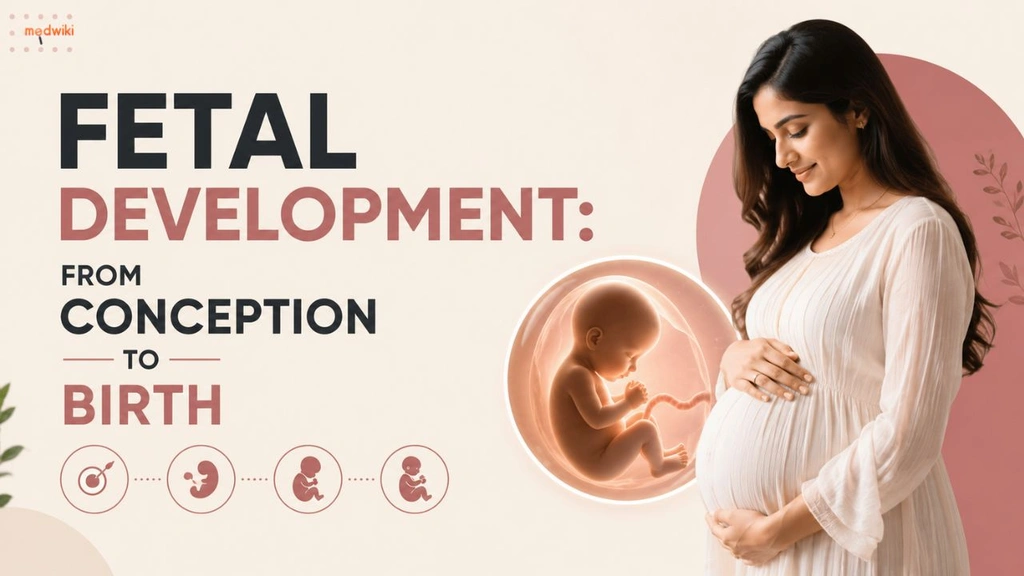
Pregnancy is a remarkable journey that begins with the union of asperm and an egg. Over the next nine months, a tiny group of cells grows into a fully developed baby. Understandingfetal development helps parents appreciate the incredible changes that occur throughout pregnancy and prepares them for each stage of the journey.Every week of pregnancy brings new changes and milestones. The baby's organs, muscles, bones, and nervous system develop step by step. Followingfetal development from conception to birth helps parents understand how their baby grows and what to expect during each trimester.The process offetal development is divided into different stages that occur throughout pregnancy. These stages are grouped into three trimesters, each marked by unique changes and important growth milestones.Understanding How Pregnancy BeginsPregnancy starts when a sperm fertilizes an egg inside the fallopian tube. The fertilized egg, called a zygote, begins dividing into multiple cells as it travels toward the uterus. This is the beginning ofPregnancy Development and the first step in creating a new life.Once the fertilized egg reaches the uterus, it implants into the uterine lining. The placenta then begins forming and will provide oxygen and nutrients to the growing baby throughout pregnancy. This process is essential for healthyFetal Growth During Pregnancy.The first few weeks are critical because the baby's basic body structure starts forming. Even though the embryo is tiny, important developmental changes are already taking place.The Three Trimesters of PregnancyPregnancy is divided into three trimesters, each lasting about three months. Understandingfetal development pregnancy trimesters makes it easier to follow the baby's growth journey.Each trimester has unique milestones and developmental changes.The first trimester focuses on organ formation.The heart begins beating.The brain and spinal cord start developing.Facial features begin forming.Limbs start growing.Major organs take shape.These changes lay the foundation for all future growth. Proper prenatal care supports healthy development throughout pregnancy.First Trimester: Weeks 1 to 12The first trimester is one of the most important periods offetal development. During this stage, the fertilized egg transforms into an embryo and later a fetus. Although the baby is still very small, major organs and body systems begin forming.The brain,spinal cord, heart, digestive system, and circulatory system all start developing during these weeks. Any disruption during this stage can affect future growth, which is why proper nutrition and prenatal care are extremely important.By the end of the first trimester, the baby has recognizable facial features, fingers, toes, and functioning organs. Most of the body's basic structures are already in place.Week-by-Week Growth During the First TrimesterUnderstandingfetal development week by week helps parents see how quickly the baby changes during early pregnancy.Weeks 1 to 4Fertilization occurs and the fertilized egg travels toward the uterus. Implantation takes place, and the placenta begins forming. Cells multiply rapidly and start organizing into different body structures.Weeks 5 to 8The heart starts beating and can often be detected by ultrasound. The brain grows rapidly, and the neural tube develops into the spinal cord. Tiny arm and leg buds become visible.Weeks 9 to 12The embryo officially becomes a fetus. Fingers and toes become more defined, facial features continue developing, and muscles begin functioning. Small movements start occurring, although they cannot yet be felt by the mother.These weeks represent the earlieststages of fetal development by week and establish the foundation for future growth.Second Trimester: Weeks 13 to 27The second trimester is often considered the most enjoyable stage of pregnancy. During this phase,Baby Development in Womb becomes more noticeable as the baby grows larger and stronger.The baby's organs continue maturing, bones become harder, and body proportions become more balanced. Parents may also discover the baby's gender during an ultrasound examination.Many women begin feeling fetal movement during this trimester, creating a stronger connection with their growing baby.Week-by-Week Growth During the Second TrimesterThe second trimester contains many excitingPregnancy Week by Week milestones that show how quickly the baby develops.Weeks 13 to 16The baby's skeleton becomes stronger, and facial muscles begin working. The fetus can make sucking motions and swallow small amounts of amniotic fluid.Weeks 17 to 20The baby develops stronger hearing abilities and may react to sounds from outside the womb. Many mothers feel their baby's first kicks during this period.Weeks 21 to 24Rapid growth continues as the lungs develop further. Eyebrows and eyelashes become visible, and the baby becomes more active.Weeks 25 to 27Brain growth accelerates, sleeping patterns begin forming, and the baby gains more weight. These developments are important for healthyBaby Growth During Pregnancy.The second trimester represents a significant period of physical growth and organ development.Third Trimester: Weeks 28 to BirthThe third trimester focuses on final growth and preparation for birth. During this period,Fetal Development Stages reach their final phase as organs mature completely.The baby gains most of its body weight during these weeks. The brain develops rapidly, the lungs continue maturing, and body fat increases to help regulate temperature after birth.By the end of this trimester, the baby is usually positioned head down and ready for delivery.Week-by-Week Growth During the Third TrimesterThe final weeks of pregnancy involve importantPregnancy Milestones that prepare the baby for life outside the womb.Weeks 28 to 31The baby's eyes can open and close. Brain development accelerates, and responses to sound become stronger.Weeks 32 to 35The baby gains weight quickly and stores more body fat. The lungs continue maturing, and movements may become stronger and more noticeable.Weeks 36 to 40The baby reaches full-term development. Most organs are fully functional, and the fetus moves into the birth position in preparation for labor.These weeks complete the finalFetal Development Stages before birth.Understanding the Fetal Growth ChartAFetal Growth Chart is a tool that doctors use to track the baby's growth throughout pregnancy. It helps healthcare providers compare the baby's size and weight with standard growth measurements for each stage of pregnancy. Monitoring growth regularly helps ensure that the baby is developing normally.The chart is based on ultrasound measurements and other medical assessments. It provides valuable information about whether the baby is growing at a healthy rate. Consistent growth is usually a sign of good health and proper development.Doctors carefully monitor growth patterns to identify any potential concerns early. Early detection allows for timely medical intervention and better pregnancy management.The following measurements are commonly used in a fetal growth chart:Head circumferenceAbdominal circumferenceFemur lengthCrown-rump lengthEstimated fetal weightGrowth percentileRegular monitoring through aFetal Growth Chart helps doctors assess the baby's progress and supports healthyFetal Growth During Pregnancy.Factors That Influence Healthy Fetal DevelopmentSeveral factors influence healthyPregnancy Development and affect how a baby grows inside the womb. While some factors are genetic, many others can be managed through proper care and healthy habits.A mother's health plays a major role in supporting healthy growth. Good nutrition, regular exercise, and medical supervision can significantly improve pregnancy outcomes.Lifestyle choices and environmental factors can also affect fetal growth. This is why healthcare providers encourage expectant mothers to follow healthy prenatal practices.Important factors that support healthy development include:Balanced nutritionPrenatal vitaminsRegular medical checkupsAdequate hydrationHealthy sleep habitsAvoiding alcohol and tobaccoThese factors contribute to properBaby Development in Womb and help support healthyBaby Growth During Pregnancy from conception until birth.Benefits of Regular Prenatal CarePrenatal care is one of the most important aspects of a healthy pregnancy. Regular medical visits help monitor both the mother and baby's health while trackingfetal development throughout pregnancy.Doctors can identify potential concerns early through routine examinations and screenings. Early intervention often improves outcomes and reduces risks for both mother and baby.Prenatal care also provides valuable guidance about nutrition, exercise, and pregnancy health. This information helps expectant parents make informed decisions throughout the pregnancy journey.Benefits of prenatal care include:Monitoring fetal growthDetecting complications earlySupporting maternal healthProviding nutritional guidanceTracking pregnancy milestonesPreparing for childbirthRegular prenatal appointments support healthyFetal Development Stages and help ensure a safer pregnancy experience for both mother and baby.Key Pregnancy Milestones Before BirthPregnancy is filled with exciting moments that mark the baby's progress. These importantPregnancy Milestones help parents follow their baby's journey from conception to birth.Each milestone reflects a major developmental achievement. From the first heartbeat to the first kick, every stage represents important growth and maturation.Understanding these milestones can help parents feel more connected to the pregnancy experience and better appreciate the changes happening inside the womb.Some important pregnancy milestones include:Positive pregnancy testFirst ultrasoundDetection of heartbeatFirst fetal movementGender identification scanFull-term developmentThese milestones highlight the remarkable process offetal development week by week and demonstrate how quickly the baby grows throughout pregnancy.Common Changes Experienced During PregnancyAs the baby grows, the mother's body also undergoes many changes. These changes support healthyFetal Growth During Pregnancy and prepare the body for childbirth.Physical and emotional changes are normal throughout pregnancy. The type and intensity of symptoms often vary from one trimester to another.Understanding these changes helps expectant mothers feel more confident and prepared during pregnancy.Common pregnancy changes include:Morning sicknessIncreased fatigueWeight gainBreast changesFrequent urinationMood fluctuationsMost of these changes are a normal part ofPregnancy Development and gradually evolve as pregnancy progresses.ConclusionThe journey offetal development is one of the most remarkable processes in human life. From a single fertilized egg to a fully developed baby, every stage of pregnancy involves important growth and transformation.Understandingfetal development pregnancy trimesters and followingfetal development week by week allows parents to appreciate the incredible milestones that occur during pregnancy. Each trimester contributes to the development of essential organs, body systems, and physical features.Knowledge aboutFetal Development Stages, proper prenatal care, and healthy lifestyle habits can support a positive pregnancy experience. By monitoringPregnancy Milestones and following medical guidance, parents can help ensure healthy growth and development from conception to birth.FollowMedwikifor more!Frequently Asked Questions1. What is fetal development?Fetal development refers to the process through which a baby grows and develops from conception until birth. It includes the formation of organs, body systems, and physical features.2. When does the baby's heart start beating?The baby's heart typically begins beating around the fifth or sixth week of pregnancy. It may be detected during an early ultrasound examination.3. What are the three stages of pregnancy?Pregnancy is divided into three trimesters. The first trimester covers weeks 1 to 12, the second trimester covers weeks 13 to 27, and the third trimester lasts from week 28 until birth.4. How is fetal growth monitored?Doctors monitor growth using ultrasounds, medical examinations, and aFetal Growth Chart that tracks the baby's size and development throughout pregnancy.5. When can a mother feel the baby move?Most mothers begin feeling fetal movements between weeks 16 and 25. These first movements are often described as gentle flutters or kicks.6. Why is prenatal care important?Prenatal care helps monitor maternal and fetal health, identify complications early, and support healthyPregnancy Development throughout all stages of pregnancy.7. What factors affect fetal growth during pregnancy?Nutrition, genetics, maternal health, prenatal care, hydration, and lifestyle choices all influenceFetal Growth During Pregnancy and overall baby development.
1:15
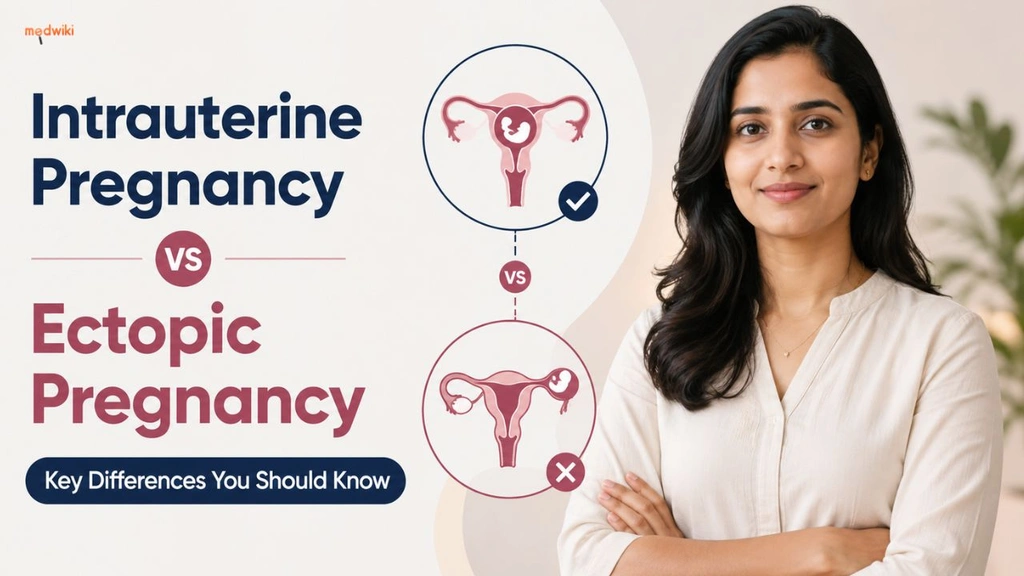
Pregnancy is an exciting journey, but understanding how and where a pregnancy develops is important for the health of both the mother and the baby. Anintrauterine pregnancy is considered the normal type of pregnancy because the fertilized egg implants inside the uterus. Learning about differentpregnancyconditions can help women recognize symptoms and seek timely medical care when needed.Many people search for information aboutwhat intrauterine pregnancy is and how it differs from an abnormal pregnancy. While most pregnancies develop inside the uterus, some may implant outside the uterus, leading to a condition known asEctopic Pregnancy. Understanding the differences between these conditions is essential for proper diagnosis and treatment.Doctors use ultrasound scans and regular checkups to confirm pregnancy location and development. Knowledge aboutintrauterine pregnancy meaning and related medical terms can help expectant parents feel more informed and confident throughout their pregnancy journey.What Is an Intrauterine Pregnancy?An intrauterine pregnancy occurs when a fertilized egg successfully implants inside theuterus. This location provides the right environment for fetal growth and development throughout pregnancy. Understandingwhat intrauterine pregnancy is helps women recognize why it is considered the healthiest pregnancy location.The termintrauterine pregnancy meaning refers to a pregnancy that develops within the uterine cavity rather than elsewhere in the reproductive system. Doctors usually confirm this condition through ultrasound imaging during the first trimester.Anearly intrauterine pregnancy can often be detected a few weeks after conception. Once confirmed, healthcare providers continue monitoring growth and development to ensure the pregnancy is progressing normally.Understanding Ectopic PregnancyAnEctopic Pregnancy occurs when a fertilized egg implants outside the uterus, most commonly in the fallopian tube. This condition cannot develop into a healthy pregnancy and requires immediate medical attention.To better understand the condition, consider the following important facts:AnEctopic Pregnancy usually develops in a fallopian tube.It can cause abdominal pain and vaginal bleeding.The embryo cannot survive outside the uterus.Delayed treatment may lead to serious complications.Ultrasound scans help diagnose the condition early.Medical or surgical treatment may be required.Knowing the warning signs ofEctopic Pregnancy helps women seek prompt medical care. Early diagnosis significantly reduces health risks and improves recovery outcomes.How Pregnancy Implantation HappensPregnancy Implantation is the process where a fertilized egg attaches to the uterine lining. This step is essential for the pregnancy to continue and develop successfully.The implantation process includes several important stages:Fertilization typically occurs in the fallopian tube.The embryo travels toward the uterus.Pregnancy Implantation occurs several days after fertilization.Hormonal changes support embryo attachment.The uterine lining nourishes the developing embryo.Successful implantation leads to pregnancy progression.ProperPregnancy Implantation supports the formation of anearly intrauterine pregnancy. When implantation occurs outside the uterus, complications such asEctopic Pregnancy can arise.Key Differences Between Intrauterine and Ectopic PregnancyThe main difference between an intrauterine pregnancy and an ectopic pregnancy is the location of implantation. A healthy pregnancy develops inside the uterus, while an ectopic pregnancy develops outside the uterine cavity.Anearly intrauterine pregnancy has the potential to grow into a full-term pregnancy when proper care is provided. In contrast, an ectopic pregnancy cannot progress safely because the embryo lacks the space and support required for development.Understandingwhat intrauterine pregnancy is and comparing it with ectopic pregnancy helps women recognize why early diagnosis is critical. Accurate imaging and medical evaluation are essential for confirming pregnancy location.Signs of a Healthy Intrauterine PregnancyRecognizing theSigns of a healthy intrauterine pregnancy can provide reassurance during the early weeks of pregnancy. Regular medical evaluations help confirm that fetal development is progressing normally.Common indicators include:Appropriate growth on ultrasound scans.Normal fetal heartbeat detection.Expected hormone level increases.Healthy uterine development.Absence of severe pain or abnormal bleeding.Consistent fetal growth milestones.TheSigns of a healthy intrauterine pregnancy may vary among individuals, but healthcare providers use several clinical markers to evaluate pregnancy health. Routine prenatal care remains one of the best ways to monitor progress.Importance of Pregnancy MonitoringPregnancy Monitoring plays a major role in ensuring maternal and fetal well-being throughout pregnancy. Regular appointments allow healthcare providers to track development and identify concerns early.Several aspects are included in effective monitoring:Routine prenatal examinations.Ultrasound assessments.Blood pressure checks.Fetal growth evaluation.Laboratory testing when needed.Monitoring maternal symptoms.ConsistentPregnancy Monitoring helps detect complications and supports healthy pregnancy outcomes. It also allows doctors to verify the continued progress of anintrauterine pregnancy.Understanding Gestational AgeGestational Age refers to the length of a pregnancy measured from the first day of the last menstrual period. It is one of the most important tools used to track fetal development.Important facts about gestational age include:It helps estimate the due date.Ultrasounds assist with accurate calculation.Growth milestones depend on gestational timing.Prenatal testing schedules rely on it.Doctors compare fetal growth against standards.It guides pregnancy management decisions.Knowing the correctGestational Age helps healthcare providers assess whether development is progressing normally. Accurate dating supports better prenatal planning and medical care.Single Live Intrauterine Pregnancy Meaning in HindiMany patients search forsingle live intrauterine pregnancy meaning in hindi when trying to understand ultrasound findings. In simple terms, it means "गर्भाशय के अंदर एक जीवित भ्रूण की उपस्थिति।"When healthcare providers use this phrase, they are indicating that one fetus is developing within the uterus and showing signs of life such as a heartbeat. This is usually a positive ultrasound finding.Learningsingle live intrauterine pregnancy meaning in hindi can help patients better understand medical discussions and communicate more confidently with healthcare professionals.Early Intrauterine Pregnancy: Good or Bad?Many women wonder whetherearly intrauterine pregnancy is good or bad after receiving ultrasound results. In most situations, confirming an intrauterine pregnancy is considered a positive sign because it shows that implantation occurred in the correct location.Doctors assess several factors before determining overall pregnancy health, including fetal growth, heartbeat presence, and maternal well-being. Therefore,early intrauterine pregnancy is good or bad depending on individual medical findings rather than the pregnancy location alone.Anearly intrauterine pregnancy generally indicates that the embryo has implanted inside the uterus. Combined with regularPregnancy Monitoring and assessment ofGestational Age, healthcare providers can evaluate whether the pregnancy is progressing normally.ConclusionUnderstanding the difference between anintrauterine pregnancy and anEctopic Pregnancy is essential for every expectant parent. The location of implantation significantly affects pregnancy outcomes and medical management.Regular ultrasounds, awareness of symptoms, and properPregnancy Monitoring help ensure early detection of potential complications. Early medical evaluation allows healthcare providers to confirm pregnancy location and assess development.Learning concepts such asPregnancy Implantation,Gestational Age,single live intrauterine pregnancy meaning, and theSigns of a healthy intrauterine pregnancy empowers women to make informed decisions and seek appropriate care throughout pregnancy.FollowMedwikifor more!Frequently Asked Questions1. What is intrauterine pregnancy?An intrauterine pregnancy is a pregnancy in which the fertilized egg implants and develops inside the uterus. This is the normal and desired location for fetal growth.2. How is an ectopic pregnancy different from an intrauterine pregnancy?An ectopic pregnancy develops outside the uterus, most commonly in a fallopian tube. Unlike an intrauterine pregnancy, it cannot continue safely and requires medical treatment.3. What are the signs of a healthy intrauterine pregnancy?Common signs include normal fetal growth, a detectable heartbeat, appropriate hormone levels, and healthy ultrasound findings. Regular prenatal care helps confirm these indicators.4. What does single live intrauterine pregnancy mean?It means that one fetus is present inside the uterus and that signs of life, usually a heartbeat, have been detected during an ultrasound examination.5. What is pregnancy implantation?Pregnancy implantation is the process by which a fertilized egg attaches to the uterine lining. Successful implantation is necessary for pregnancy development.6. Why is gestational age important?Gestational age helps determine fetal growth, estimate the due date, schedule prenatal tests, and monitor pregnancy progress throughout all stages.7. Is early intrauterine pregnancy good or bad?In most cases, confirming an early intrauterine pregnancy is considered positive because implantation has occurred inside the uterus. Further evaluation is needed to assess overall pregnancy health.
1:15
Pregnancy is a time when women become more careful about their food choices and daily nutrition. Every meal plays an important role in supporting the health of both the mother and the growing baby. Many expecting mothers often wonder whether mushroom in pregnancy is safe and healthy.Mushrooms containvitamins, minerals, antioxidants, and fiber that may support overall health during pregnancy. They are low in calories and can easily become part of a balanced diet. However, pregnant women should still understand which mushrooms are safe to eat and which ones should be avoided.Many people search for the benefits of mushrooms in pregnancy because mushrooms may provide nutrients that support immunity and energy levels. At the same time, it is equally important to know about safe preparation methods and possible risks.What Makes Mushrooms Nutritious During Pregnancy?Mushrooms are considered nutrient-rich foods because they contain several vitamins and minerals needed during pregnancy. They are a natural source ofB vitamins, selenium, potassium, and antioxidants that support body functions. Many edible mushrooms also contain small amounts of protein and fiber.The nutritional value of mushrooms makes them a healthy addition to many pregnancy diets. They are low in fat and calories while still providing important nutrients for the body. Some mushrooms may also support immune health because of their antioxidant properties.Pregnant women often choose mushrooms because they are versatile and easy to cook in different recipes. They can be added to soups, salads, rice dishes, and vegetable preparations. Fresh mushrooms are widely available and can fit into many healthy meal plans.Benefits of Eating Mushrooms During PregnancyMany women include mushrooms in their meals because they may provide several health benefits during pregnancy. Mushrooms contain nutrients that can support the body during this important phase. Their fiber content may also help maintain digestive health.Understanding the benefits of mushrooms in pregnancy can help expecting mothers make informed food choices.Mushrooms containantioxidants that may support immune health.Fiber in mushrooms may help support healthy digestion.B vitamins can contribute to energy production in the body.Potassium may help maintain proper fluid balance.Mushrooms are low in calories and easy to include in meals.Some varieties may support overall nutritional intake during pregnancy.Eating mushrooms in moderation may support a healthy and balanced pregnancy diet. Proper cooking and safe food handling are important for reducing health risks.Types of Mushrooms That Are Safe to EatMany edible mushrooms are considered safe duringpregnancy when properly cooked and consumed in moderation. Store-bought mushrooms are usually safer because they are grown under controlled conditions. Fresh mushrooms should always be cleaned thoroughly before cooking.Knowing the types of mushrooms to eat during pregnancy can help women choose safer food options.Button mushrooms are commonly eaten and widely available.Shiitake mushrooms are popular for their rich flavor and nutrients.Oyster mushrooms are often used in healthy recipes.Portobello mushrooms can be included in balanced meals.Cremini mushrooms are nutritious and easy to cook.Enoki mushrooms may also be consumed after proper cooking.Choosing fresh and properly stored mushrooms is important during pregnancy. Cooking mushrooms thoroughly may help reduce unwanted health risks.Why Some Mushrooms Should Be AvoidedNot all mushrooms are safe for pregnant women because some wild varieties can be poisonous. Certain mushrooms contain toxins that may lead to serious health complications if consumed. Wild mushrooms can sometimes look similar to edible varieties, making identification difficult.Understanding mushrooms to avoid in pregnancy is important for protecting maternal and fetal health. Poisonous mushrooms may affect the liver, nervous system, and digestive health. Some toxic mushrooms can even become life threatening if eaten accidentally.Processed or spoiled mushrooms should also be avoided because they may contain harmful bacteria. Pregnant women should check freshness before cooking mushrooms at home. Proper storage can help maintain food safety and quality.Can Pregnant Women Eat Raw Mushrooms?Many people ask can pregnant women eat raw mushrooms because raw foods may sometimes carry bacteria and contaminants. Raw mushrooms may be harder to digest and could contain harmful microorganisms. Cooking mushrooms properly helps reduce these risks and improves digestion.Food safety becomes more important during pregnancy because the immune system changes during this period.Raw mushrooms may carry bacteria that can affect health.Proper cooking helps reduce foodborne illness risks.Cooked mushrooms are usually easier to digest.Heating may improve the flavor and texture of mushrooms.Fresh mushrooms should always be washed carefully.Safe cooking practices are important during pregnancy.Pregnant women should choose hygienically prepared mushroom dishes whenever possible. Consulting a healthcare provider may help if there are dietary concerns.Nutritional Value of Mushrooms for Expecting MothersThe nutritional value of mushrooms makes them beneficial for many pregnant women looking for healthier meal options. Mushrooms provide nutrients that may support the body during different pregnancy stages. Their vitamin and mineral content can contribute to overall wellness.Understanding the nutrients present in mushrooms may help expecting mothers make healthier food choices.Mushrooms contain B vitamins that support body functions.Selenium acts as an antioxidant in the body.Potassium may support fluid and electrolyte balance.Fiber can help support digestive health naturally.Mushrooms contain small amounts of plant-based protein.Certain mushrooms may provide vitamin D when exposed to sunlight.Balanced meals with nutritious foods may support a healthier pregnancy journey. Moderation and safe preparation remain important for overall food safety.Safe Ways to Cook Mushrooms During PregnancyCooking mushrooms properly is one of the safest ways to include them in a pregnancy diet. Heat helps reduce bacteria and improves the digestibility of mushrooms. Pregnant women should avoid undercooked or partially cooked mushroom dishes.Healthy cooking methods can help preserve nutrients while improving food safety.Wash mushrooms carefully before cutting or cooking them.Cook mushrooms completely before eating or serving.Avoid consuming spoiled or old mushrooms.Use clean utensils and cooking surfaces during preparation.Store mushrooms in cool and dry conditions.Include mushrooms in soups, stir-fries, or vegetable dishes.Proper food hygiene can help reduce the risk of infections during pregnancy. Freshly cooked meals are usually considered safer than processed options.Benefits of Adding Mushrooms to Pregnancy DietIncluding mushrooms in regular meals may support a balanced and nutritious pregnancy diet. Mushrooms are versatile foods that can be combined with vegetables, grains, and proteins easily. Their nutrients may contribute to overall maternal wellness during pregnancy.The benefits of mushrooms in pregnancy are often linked to their nutrient content and low calorie nature.Mushrooms may help improve overall nutrient intake.Their fiber content can support digestive comfort.Mushrooms are easy to include in daily recipes.They provide nutrients without adding excessive calories.Some varieties contain antioxidants that support wellness.Balanced meals may help maintain healthy energy levels.Eating a variety of healthy foods is important during pregnancy. Pregnant women should focus on moderation and balanced nutrition.Side Effects and Risks of Unsafe Mushroom ConsumptionUnsafe mushroom consumption may sometimes lead to digestive issues and food poisoning during pregnancy. Poisonous mushrooms can contain dangerous toxins that affect different organs in the body. Even edible mushrooms may become unsafe if spoiled or stored improperly.Certain risks may increase when mushrooms are consumed carelessly or without proper preparation.Wild mushrooms may contain harmful toxic substances.Spoiled mushrooms can increase the risk of food poisoning.Undercooked mushrooms may carry bacteria or contaminants.Digestive discomfort may occur in some individuals.Allergic reactions are possible in sensitive people.Mushrooms to avoid in pregnancy should never be consumed.Seeking medical care is important if severe symptoms appear after eating mushrooms. Safe food choices can help reduce unnecessary pregnancy complications.When Should Pregnant Women Consult a Doctor?Pregnant women should consult a doctor if they experience unusual symptoms after eating mushrooms. Symptoms such as vomiting, stomach pain, dizziness, or severe nausea should not be ignored. Medical advice is also important for women with food allergies or digestive conditions.Healthcare advice may be helpful in several situations during pregnancy.Severe stomach pain after eating mushrooms requires attention.Vomiting or diarrhea should be discussed with a doctor.Allergic reactions may need immediate medical care.Food poisoning symptoms should never be ignored.Women with dietary restrictions may need nutritional guidance.Doctors can recommend safe dietary habits during pregnancy.Regular medical checkups can support a healthier pregnancy experience. Professional advice helps expecting mothers make safer food choices.ConclusionMushrooms can be a healthy addition to a balanced pregnancy diet when chosen and prepared carefully. They contain vitamins, minerals, antioxidants, and fiber that may support overall wellness during pregnancy.Understanding the benefits of mushrooms in pregnancy can help women make informed dietary decisions. At the same time, pregnant women should also know about mushrooms to avoid in pregnancy and the importance of proper cooking methods.Pregnant women who have concerns about their diet should always consult a healthcare professional for guidance. Healthy eating habits, balanced nutrition, and careful food preparation may support both maternal health and baby development.FollowMedwikifor more!Frequently Asked Questions1. Is mushroom in pregnancy considered safe?Yes, mushroom in pregnancy is generally considered safe when mushrooms are properly cooked and eaten in moderation. Pregnant women should avoid poisonous or wild mushrooms.2. What are the benefits of mushrooms in pregnancy?The benefits of mushrooms in pregnancy include nutrients like fiber, antioxidants, and B vitamins. These nutrients may support overall maternal wellness and energy levels.3. What is the nutritional value of mushrooms?The nutritional value of mushrooms includes vitamins, minerals, antioxidants, and small amounts of protein. They are also low in calories and fat.4. Which are the types of mushrooms to eat during pregnancy?The types of mushrooms to eat during pregnancy include button, shiitake, oyster, and portobello mushrooms. These are commonly available and usually considered safe when cooked properly.5. What are the mushrooms to avoid in pregnancy?Mushrooms to avoid in pregnancy include wild and poisonous mushroom varieties. Spoiled or improperly stored mushrooms should also be avoided.6. Can pregnant women eat raw mushrooms?Can pregnant women eat raw mushrooms is a common question because raw mushrooms may carry bacteria. Fully cooked mushrooms are generally considered safer during pregnancy.7. Should pregnant women consult a doctor before eating mushrooms?Pregnant women should consult a doctor if they have allergies, digestive issues, or concerns related to mushroom consumption. Professional advice can help ensure safer dietary choices.
Shorts
7 Natural Remedies for Typhoid in Pregnancy!

Dr. Beauty Gupta
Doctor of Pharmacy

7 Key Benefits of Chia Seeds During Pregnancy!
Why Pregnant Women Should Avoid Caffeine?
Dr. Beauty Gupta
Doctor of Pharmacy

Shocking History of Pregnancy Tests!
Dr. Beauty Gupta
Doctor of Pharmacy

Know Us
@2026 Medwiki Pvt Ltd. All Rights Reserved