


1:15
Many people look for simple ways to support heart health and improve their cholesterol levels. One popular option found in almost every kitchen is g arlic. The idea of usingGarlicfor High Cholesterol has gained attention because garlic contains natural compounds that may support overall wellness.High cholesterol is a common health concern that can increase the risk of heart disease and other complications. While medications are often prescribed, many people also explore lifestyle changes and dietary approaches. This has led to growing interest inNatural Remedies for High Cholesterol and foods that may provide additional support.Garlic has been used in traditional health practices for centuries. Today, researchers continue to study whether it can help peoplelower cholesterol naturally and contribute to better long-term health outcomes.Understanding Cholesterol and Heart HealthCholesterolis a waxy substance that your body needs for important functions. However, having too much cholesterol in the bloodstream can increase the risk of artery blockage and heart disease.Doctors usually focus onHDL and LDL Cholesterol levels when assessing a person's health. LDL is often called bad cholesterol because high levels may lead to plaque buildup in arteries.Maintaining balanced cholesterol levels is an important part ofHigh Cholesterol Management. A combination of healthy eating, regular exercise, and medical guidance can support betterCardiovascular Health over time.What Makes Garlic Special?Garlic contains sulfur compounds, including allicin, which are believed to contribute to many of its health-promoting properties. These compounds are released when garlic is chopped, crushed, or chewed.The potential effects of garlic have encouraged scientists to examine its role in supporting heart function and cholesterol balance.Contains naturalsulfur compoundsRich in antioxidantsMay support blood circulationOften included in aHealthy Heart DietEasy to add to daily mealsUsed in traditional wellness practicesBecause of these qualities, many people consider garlic a useful addition to a balanced eating plan focused on overall wellness.What Research Says About GarlicSeveral studies have explored whether garlic can improve cholesterol levels. Results vary, but some research suggests that regular garlic consumption may produce modest improvements.This ongoing research helps answer the question:Can garlic lower cholesterol levels naturally?Some studies show small LDL reductionsBenefits may depend on dosageEffects vary between individualsFreshgarlicand supplements may differLong-term use appears more effectiveLifestyle habits influence outcomesAlthough findings are mixed, researchers generally agree that garlic can be part of broaderHigh Cholesterol Management efforts when combined with healthy habits.How Garlic May Affect Cholesterol LevelsGarlic may influence cholesterol production in the liver. Some experts believe its active compounds can help regulate processes involved in cholesterol formation.Research also suggests that garlic may reduce oxidative stress. Lower oxidation may help protect blood vessels and support betterCardiovascular Health. This is one reason theHeart Health Benefits of Garlic continue to attract scientific interest.Another important factor is its possible effect onHDL and LDL Cholesterol balance. While garlic is not a replacement for medical treatment, it may provide additional support for people seeking better cholesterol control through diet and lifestyle.Best Ways to Include Garlic in Your DietAdding garlic to meals is one of the simplest ways to enjoy its potential benefits. It can be used in cooking, sauces, soups, and vegetable dishes.Making garlic a regular part of your meals can support aHealthy Heart Diet and complement other healthy lifestyle choices.Add fresh garlic to saladsMix garlic into soupsUse it in vegetable dishesInclude it in homemade saucesCombine with lean proteinsAdd to whole grain recipesConsistent dietary habits often matter more than occasional use. Regular intake may help support those trying tolower cholesterol naturally through everyday food choices.Garlic and Other Healthy Lifestyle HabitsGarlic works best when combined with a complete wellness approach. No single food can solve cholesterol problems on its own.For better results, garlic should be paired with exercise, weight management, and a balanced eating pattern that promotesCardiovascular Health.Stay physically activeMaintain a healthy weightLimit processed foodsEat more fruits and vegetablesReduce excess saturated fatsFollow medical adviceThese habits strengthen the impact ofNatural Remedies for High Cholesterol and create a more sustainable path toward long-term health improvements.Comparing Garlic With Other Natural OptionsMany foods are promoted for cholesterol support, including oats, nuts, olive oil, and fatty fish. Garlic is often discussed alongside these options.Its popularity comes from the well-knownGarlic Benefits for Cholesterol and its convenience as an everyday ingredient.Oats provide soluble fiberNuts contain healthy fatsOlive oil supports heart wellnessFish provides omega-3 fatsVegetables add important nutrientsGarlic offers unique plant compoundsUsing several heart-friendly foods together may be more effective than relying on a single ingredient. This strategy can help peoplelower cholesterol naturally while supporting overall wellness.Garlic Supplements and Daily UseSome individuals prefer supplements instead of fresh garlic because they offer convenience and consistent dosing.Garlic Supplements for Cholesterol are available in capsules, tablets, and aged garlic extract forms.Before choosing a supplement, it is important to understand that product quality and strength can vary significantly between brands.Convenient for daily useAvailable in different formsMay reduce garlic odorEasy to include in routinesDosage can be measuredOften used alongside diet changesGarlic Supplements for Cholesterol may be useful for some people. However, professional medical advice is recommended before beginning any supplement routine.Potential Advantages of Regular Garlic IntakeThe growing interest inGarlic for High Cholesterol is linked to the wide range of wellness benefits associated with this food. Many people appreciate its versatility and nutritional value.Researchers continue examining theHeart Health Benefits of Garlic and its possible role in supporting healthy blood vessels and circulation.May support cholesterol balanceContains antioxidant compoundsSupports healthy eating habitsEasy to include in mealsMay contribute to heart wellnessComplements other healthy foodsTheGarlic Benefits for Cholesterol appear most meaningful when garlic is used regularly as part of a balanced lifestyle.Possible Risks and PrecautionsAlthough garlic is generally safe, excessive amounts may cause unwanted effects in some individuals. Awareness of these concerns helps ensure safe use.People taking blood-thinning medications or preparing for surgery should discuss garlic intake with a healthcare professional.May cause digestive discomfortCan lead to bad breathMay interact with medicationsLarge amounts may irritate the stomachSome people experience allergiesSupplement quality variesMost people can enjoy garlic safely in normal food amounts. Moderation and professional guidance are important when using concentrated products.ConclusionThe evidence suggests thatGarlic for High Cholesterol may offer modest support for cholesterol management. While it is not a cure, it can be a valuable addition to healthy daily habits.Combining garlic with aMediterranean Diet, regular exercise, and routine health monitoring can improve overall outcomes. These strategies supportHigh Cholesterol Management more effectively than relying on a single food.People interested inGarlic for High Cholesterol should focus on consistency and balanced nutrition. A healthcare provider can help determine the best approach based on individual needs and health goals.FollowMedwikifor more!Frequently Asked Questions1. Can garlic lower cholesterol levels naturally?Many studies suggest garlic may contribute to modest reductions in LDL cholesterol. However, results vary among individuals, and garlic works best when combined with healthy lifestyle habits.2. How much garlic should I eat daily?There is no universal recommendation. Many people consume one to two cloves daily as part of a balanced diet, though personal needs may differ.3. Are Garlic Supplements for Cholesterol effective?Some studies indicate that supplements may provide benefits, but effectiveness depends on the product type, dosage, and individual response. Consulting a healthcare professional is advisable.4. Does garlic increase HDL cholesterol?Research findings are mixed. Some studies suggest small improvements inHDL and LDL Cholesterol balance, while others show limited effects.5. What foods work well with garlic for cholesterol control?Garlic pairs well with foods commonly included in aMediterranean Diet, such as vegetables, olive oil, legumes, whole grains, and fish.6. Should I get a Cholesterol Blood Test while using garlic?Yes. ACholesterol Blood Test is the best way to monitor cholesterol levels and determine whether dietary changes are making a difference. Regular testing supports informed decisions aboutHigh Cholesterol Management. ACholesterol Blood Test also helps doctors evaluate overallCardiovascular Health.7. Is garlic alone enough for cholesterol management?No. Garlic should be viewed as one part of a broader strategy that includes aHealthy Heart Diet, physical activity, and regular medical care. These combined efforts supportNatural Remedies for High Cholesterol, strengthenCardiovascular Health, and help maintain healthy cholesterol levels.

1:15
Heart health is essential for maintaining an active and healthy life. When the heart's electrical system does not function properly, it can lead to irregular heartbeats, fatigue, dizziness, and other serious complications. In such situations, doctors may recommend a medical device that helps regulate the heartbeat and improve overall heart function.Apacemaker is one of the most effective solutions for people experiencing abnormal heart rhythms. Understanding how this device works, who may need it, and what life is like after implantation can help patients and families make informed decisions. This guide covers everything you need to know about apacemaker and its role in modern heart care.Many individuals diagnosed withHeart Rhythm Disorders benefit from this advanced technology. Whether you are researching treatment options or learning about recovery and long-term care, understanding the basics of apacemaker can provide clarity and peace of mind.Understanding How a Pacemaker WorksApacemaker of the heart is a small electronic device designed to help regulate abnormal heart rhythms. It sends electrical impulses to the heart when the naturalheartbeat becomes too slow or irregular.The device consists of a pulse generator and one or more wires called leads. These components work together to monitor heart activity and deliver electrical signals when necessary.A moderncardiac pacemaker is programmed according to a patient's specific needs. It continuously tracks the heartbeat and provides support only when required, helping maintain a healthy rhythm and improving overall heart function.What Is a Pacemaker and Why Is It Needed?Many people ask what a pacemaker is and why doctors recommend it. A pacemaker is a medical device implanted under the skin to help control abnormal heart rhythms.To understand its importance, it helps to know the situations in which it may be required.Treats aSlow Heart RateSupports abnormal heart rhythmsHelps manageHeart Rhythm DisordersImproves blood circulationReduces dizziness and fatigueEnhances daily activitiesUnderstandingwhat is a pacemaker of the heart helps patients recognize how this device supports the body's natural heartbeat and improves quality of life.Conditions That May Require a PacemakerDoctors recommend apacemaker in the heart when the natural electrical signals fail to maintain an appropriate heartbeat. Certain medical conditions increase the likelihood of needing this device.Knowing the common reasons for implantation can help patients understand treatment recommendations.SevereSlow Heart RateElectrical conduction problemsSome congenital heart conditionsAdvanced heart blockRecurring fainting episodesCertain types ofarrhythmiasApacemaker of the heart helps restore a stable rhythm and allows the heart to pump blood more effectively throughout the body.Types of Pacemakers AvailableSeveral types of pacemakers are available depending on the patient's condition. Each type is designed to address specific rhythm abnormalities and support heart function.Anartificial pacemaker may have one, two, or three leads depending on the complexity of the heart rhythm issue. The choice depends on medical evaluation and diagnostic testing.Atemporary pacemaker is sometimes used during emergencies or short-term treatment situations. Permanent devices are more common for long-term management of chronic heart rhythm conditions.Understanding Pacemaker SurgeryPacemaker surgery is a commonly performed procedure and is generally considered safe. The device is usually implanted beneath the skin near the collarbone.Learning about the procedure can reduce anxiety before treatment.Performed under local anesthesiaUsually completed within a few hoursLeads are inserted through blood vesselsDevice placement is carefully monitoredMost patients recover quicklyHospital stay is often shortAfterpacemaker surgery, patients receive instructions about activity restrictions, wound care, and follow-up appointments to ensure proper healing.Benefits of Having a PacemakerApacemaker can significantly improve a patient's quality of life by helping the heart maintain a normal rhythm and reducing symptoms related to poor circulation.Many people notice improvements shortly after implantation.Improves heart rhythm stabilityReduces dizziness and faintingEnhances energy levelsSupports better circulationIncreases physical activity toleranceImproves overall well-beingFor individuals with seriousHeart Rhythm Disorders, acardiac pacemaker can be a highly effective long-term treatment solution.Living with a PacemakerMany patients wonder what daily life will be like after receiving apacemaker. Fortunately, most people return to normal activities after recovery.Adjusting to the device becomes easier with proper education and medical guidance.Attend regular follow-up visitsFollow doctor recommendationsMonitor device performanceStay physically activeTake prescribed medicationsMaintain healthy habitsLiving with a Pacemaker often allows individuals to enjoy an active lifestyle while benefiting from improved heart rhythm control.Uses of a PacemakerApacemaker of the heart serves several important functions in the management of heart conditions and rhythm abnormalities.The device is used in various medical situations to support cardiovascular health.Treats chronic bradycardiaSupports electrical conduction disordersHelps after certain heart surgeriesManages selected arrhythmiasPrevents symptom recurrenceImproves heart performanceApacemaker in the heart can provide reliable rhythm regulation for many years when properly monitored.Regular checkups help ensure that the device continues to function effectively.Pacemaker Safety TipsPatients should follow certain precautions to ensure the long-term effectiveness and safety of their device.Simple lifestyle adjustments can help avoid complications and support device performance.Carry a pacemaker identification cardInform healthcare providers about the deviceFollow medical instructions carefullyAvoid unnecessary exposure to strong magnetsAttend routine device checksReport unusual symptoms promptlyFollowing thesePacemaker Safety Tips helps patients maintain confidence and security in their daily lives.Proper awareness and regular monitoring contribute to successful long-term outcomes.Lifestyle Changes for Better Heart HealthApacemaker works best when combined with healthy lifestyle choices that support overall cardiovascular wellness.Good habits can improve long-term heart health and enhance treatment success.Follow aHeart-Healthy DietExercise regularly as advisedMaintain a healthy weightAvoid smokingManage stress effectivelyGet adequate sleepA balancedHeart-Healthy Diet and healthy routine can complement the benefits of apacemaker and support lifelong cardiovascular wellness.Patients should always consult their healthcare provider before making significant lifestyle changes.ConclusionApacemaker is a life-saving device that helps regulate abnormal heart rhythms and supports proper heart function. It plays an important role in treating conditions associated with aSlow Heart Rate and other rhythm-related issues.Understandingwhat a pacemaker is, how it works, and the benefits it provides can help patients feel more confident about their treatment journey. Advances in technology have made modern devices highly reliable and effective.Whether you are considering treatment, preparing forpacemaker surgery, orLiving with a Pacemaker, working closely with your healthcare team can help ensure the best possible outcomes and long-term heart health.FollowMedwikifor more!Frequently Asked Questions1. What is a pacemaker?Apacemaker is a small medical device implanted in the body to help regulate abnormal heart rhythms by sending electrical signals to the heart when needed.2. Who needs a pacemaker?People withHeart Rhythm Disorders, heart block, or a persistentSlow Heart Rate may require a pacemaker to maintain a healthy heartbeat.3. Is pacemaker surgery safe?Yes,pacemaker surgery is generally considered safe and is routinely performed by experienced cardiac specialists worldwide.4. How long does a pacemaker last?Most pacemakers last between 5 and 15 years, depending on the device type, settings, and individual usage requirements.5. Can a person exercise after getting a pacemaker?Yes, many patients can return to regular physical activity after recovery. However, exercise plans should always be discussed with a healthcare provider.6. What is a temporary pacemaker?Atemporary pacemaker is a short-term device used to support heart rhythm during emergencies, surgery, or temporary heart conditions.7. Can women live normally with a pacemaker?Absolutely. Afemale pacemaker on a person functions the same way as it does in men, allowing most women to lead active and healthy lives after recovery.
1:15
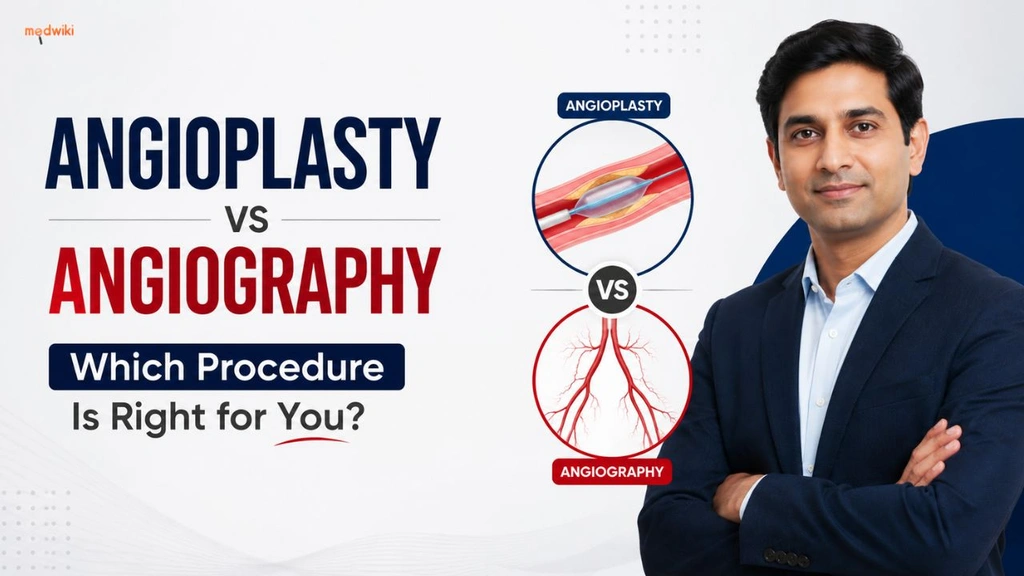
Heart health plays a major role in overall well-being. When doctors suspect problems related to blood flow in theheart, they often recommend specific tests or treatments to identify and manage the condition. Understanding these procedures can help patients make informed healthcare decisions.One of the most common comparisons people come across isAngioplasty vs Angiography. While these procedures are closely related, they serve different purposes. One is mainly used to diagnose problems, while the other is designed to treat them.People dealing with chest pain, reduced blood flow, or symptoms linked toCoronary Artery Disease (CAD) often hear about these procedures. Knowing how they work, their benefits, and when they are recommended can help reduce confusion and improve confidence in treatment decisions.Understanding the Purpose of These ProceduresBoth procedures are important parts of modern heart care. They help doctors identify and manage conditions affecting the arteries that supply blood to the heart. Many patients undergo these procedures when symptoms suggest reduced blood flow.Angiography is primarily a diagnostic procedure. It helps doctors examine the condition ofblood vessels and identify narrowing or blockages. A special dye and imaging technology are used to create clear pictures of the arteries.Angioplasty is a treatment procedure. It is often recommended after a blockage has been detected. The goal is to improve blood flow by opening narrowed arteries and restoring circulation to the heart muscle.How Doctors Diagnose Artery ProblemsA doctor may recommendCoronary Angiography when symptoms such as chest pain,shortness of breath, or abnormal test results indicate a possible heart condition.Before discussing treatment options, it is important to understand what doctors look for during testing.Examines blood flow inside arteriesDetects narrowing caused by plaque buildupHelps locate aBlood Vessel BlockageEvaluates the severity of artery diseaseSupports treatment planningProvides detailed images of heart arteriesACoronary Angiogram offers valuable information that helps cardiologists determine the most appropriate next step for patient care.What Happens During TreatmentOnce a blockage is identified, doctors may recommendCoronary Angioplasty to restore healthy blood flow and reduce symptoms. This procedure is commonly performed in patients with significant artery narrowing.Understanding the treatment process can help patients feel more comfortable before the procedure.Acatheter is inserted through an arteryThe catheter is guided to the blocked areaA small balloon is positioned carefullyballoon angioplasty expands the narrowed arteryBlood flow improves after expansionA stent may be placed for supportThis treatment is a widely usedHeart Blockage Treatment that can significantly improve circulation and quality of life.Difference Between Diagnostic and Treatment ApproachesTheDifference Between Angioplasty and Angiography lies mainly in their purpose. One procedure identifies the problem, while the other addresses it directly. Although they may occur during the same hospital visit, they serve separate functions.ACoronary Angiogram helps doctors understand the condition of the arteries. It does not remove blockages or improve blood flow. Instead, it provides detailed information needed for diagnosis and planning.TheDifference Between Angioplasty and Angiography becomes clearer when considering outcomes. Diagnostic imaging reveals the location and severity of disease, while treatment restores circulation. This distinction is important when discussing options with healthcare providers.Conditions That May Require These ProceduresSeveral heart-related conditions can lead doctors to recommend testing or treatment. The most common reason is reduced blood flow caused by plaque accumulation within the arteries.Knowing the underlying causes helps patients understand why intervention may be necessary.Presence ofBlocked ArteriesSymptoms of chest painReduced oxygen supply to the heartProgression ofAtherosclerosisSuspectedCoronary Artery Disease (CAD)Abnormal stress test findingsEarly diagnosis and treatment can help prevent serious complications and support long-term heart health.Risks and Safety ConsiderationsLike all medical procedures, these interventions carry certain risks. However, they are generally considered safe when performed by experienced specialists.Patients should discuss concerns with their healthcare team before proceeding.Mild bleeding at the insertion siteTemporary discomfort during the procedureRare allergic reaction to contrast dyeSmall risk of infectionPossible artery injuryRare heart rhythm disturbancesDespite these risks, bothCardiac Procedures have strong safety records and are performed routinely around the world.Recovery and Follow-Up CareRecovery experiences differ depending on whether a patient undergoes diagnostic imaging or treatment. Most individuals return home quickly after an uncomplicated procedure.Following medical advice is important for long-term success.Stay hydrated after the procedureFollow medication instructions carefullyAttend scheduled follow-up visitsMonitor the insertion siteMaintain a heart-healthy lifestyleReport unusual symptoms immediatelyProper follow-up helps ensure the effectiveness ofCoronary Artery Disease Treatment and supports ongoing cardiovascular health.Benefits of AngiographyAngiography provides detailed information about artery health and helps doctors identify problems before they become severe.The procedure offers several important advantages for diagnosis and treatment planning.Detects artery narrowing accuratelyHelps diagnose heart disease earlyGuides future treatment decisionsEvaluates blood flow patternsSupports emergency cardiac careImproves diagnostic precisionThese benefits makeCoronary Angiography an essential tool in modern cardiovascular medicine.Accurate imaging allows doctors to create personalized treatment plans.Early detection often leads to better outcomes and fewer complications.Benefits of AngioplastyAngioplasty is designed to improve blood flow by opening narrowed arteries and reducing symptoms associated with heart disease.Many patients experience significant improvement after treatment.Restores blood flow quicklyRelieves chest pain symptomsImproves physical activity toleranceSupports heart functionReduces artery narrowingEnhances quality of lifeCoronary Angioplasty is widely used as an effective treatment option for many heart patients.It plays an important role in comprehensiveCoronary Artery Disease Treatment strategies.Choosing the Right ProcedureWhen consideringAngioplasty vs Angiography, the right choice depends on the patient's condition, symptoms, and diagnostic findings.Doctors determine the most suitable approach based on test results and overall health.Evaluates severity of artery diseaseConsiders patient symptomsAssesses treatment urgencyReviews imaging findingsExamines overall heart functionDevelops individualized care plansThe discussion ofAngiogram vs Angioplasty should always involve a qualified cardiologist.Understanding theDifference Between Angioplasty and Angiography helps patients participate actively in treatment decisions.ConclusionThe comparison ofAngioplasty vs Angiography is important for anyone facing heart-related concerns. Although both procedures involve arteries and blood flow, they have different purposes in patient care.Angiography is used to diagnose artery problems, whileAngioplasty is used to treat identified blockages. Together, they form an essential part of modernCardiac Procedures and heart disease management.For individuals dealing withBlocked Arteries,Atherosclerosis, orCoronary Artery Disease (CAD), understandingAngioplasty vs Angiography can help them feel more informed and confident when discussing treatment options with their healthcare provider.FollowMedwikifor more!Frequently Asked Questions1. What is the main difference between angioplasty and angiography?The primarydifference between angioplasty and angiography is that angiography is a diagnostic procedure used to visualize arteries, while angioplasty is a treatment used to open narrowed or blocked arteries and improve blood flow.2. Is angiography painful?Most patients experience little discomfort duringAngiography. Local anesthesia is used at the insertion site, and the procedure is generally well tolerated.3. When is coronary angioplasty recommended?Coronary Angioplasty is usually recommended when a significantBlood Vessel Blockage is identified and blood flow to the heart needs to be restored.4. Can angiography detect blocked arteries?Yes, aCoronary Angiogram can accurately identifyBlocked Arteries and determine the severity and location of narrowing within the coronary arteries.5. What causes coronary artery disease?Coronary Artery Disease (CAD) is commonly caused byAtherosclerosis, a condition in which plaque builds up inside the arteries and restricts blood flow.6. How long does recovery take after angioplasty?Most patients recover within a few days, although recovery time can vary depending on overall health, the complexity of the procedure, and whether additional treatments were required.7. Which is better: angiogram vs angioplasty?The comparison ofAngiogram vs Angioplasty is not about which is better. An angiogram helps diagnose the problem, while angioplasty treats it. Both may be necessary depending on the patient's condition.
1:15
Heart rhythm changes can be alarming, especially when they happen unexpectedly. Many people experience fluttering, pounding, or racing sensations in their chest at some point in life. While these episodes are often harmless, it is important to understandwhen to worry aboutheartpalpitations and recognize signs that may require medical attention.Many individuals experienceheart palpitations due to stress, exercise, caffeine, or lack of sleep. In some situations, however, palpitations can indicate an underlying heart condition that needs evaluation. Understanding the difference between harmless symptoms and warning signs can help protect your health.People frequently ask,why is my heart beating fast for no reason when they suddenly notice an increased heart rate. Learning about possible causes, symptoms, and risk factors can help you make informed decisions and know when it is time to seek professional care.What Are Heart Palpitations?Heart palpitations meaning refers to the sensation of being unusually aware of your heartbeat. Some people describe it as fluttering, pounding, skipping beats, or a racing sensation in the chest.These sensations may occur during activity or while resting. In many cases,palpitations are temporary and do not indicate serious disease.Although most episodes are harmless, understandingwhen to worry about heart palpitations is important. Persistent symptoms, especially when combined withirregular heartbeat symptoms, should never be ignored.Common Causes of Heart PalpitationsMany factors can triggerheart palpitations. Some are harmless, while others may require medical attention.The most common triggers include lifestyle and emotional factors.Stress and emotional strainExcessivecaffeine intakeLack of sleepIntense physical activityCertain medicationsHormonal changesA commonheart beat fast reason is increased adrenaline production. This natural response prepares the body for action but can sometimes create uncomfortable sensations that feel alarming.Why Your Heart May Beat Fast Without a Clear ReasonMany people ask,why is my heart beating fast for no reason when symptoms occur unexpectedly. Sometimes the cause is not immediately obvious.Several hidden factors can contribute to sudden changes in heart rhythm.DehydrationLow blood sugarAnxiety disordersFever or infectionThyroid problemsCertain supplementsEpisodes ofRapid Heartbeat (Tachycardia) may occasionally occur without a noticeable trigger. A healthcare provider can help determine whether the cause is harmless or related to an underlying medical condition.Understanding Anxiety and Heart PalpitationsMental and emotional health can strongly influence heart rhythm.Anxiety Heart Palpitations are among the most common reasons people experience sudden racing sensations.When stress levels increase, the body releases hormones that activate theFight-or-Flight Response. This response is designed to help the body react to perceived threats quickly.As a result, individuals may experienceHeart Racing Anxiety, chest discomfort, and heightened awareness of their heartbeat. Understandingheart palpitations meaning in the context of anxiety can reduce unnecessary fear and help people seek appropriate support when needed.Warning Signs That Require Immediate Medical AttentionMostpalpitations are not dangerous, but certain symptoms should never be ignored.These red flags may indicate a serious heart problem.Fainting or loss of consciousnessSevere shortness of breathPersistent chest painSudden dizzinessVery fast heartbeat lasting several minutesSymptoms that worsen over timeKnowingwhen to worry about heart palpitations becomes especially important when these symptoms occur together. Immediate medical evaluation can help identify potentially serious cardiovascular conditions.Heart Palpitations and Panic AttacksA panic attack can create intense physical symptoms that closely resemble heart disease. Many people experienceAnxiety-Induced Heart Palpitations during these episodes.The body's response can be overwhelming and frightening.Rapid breathingExcessive sweatingTremblingIncreased heart rateFeeling out of controlFear of impending dangerCommonPanic Attack Symptoms may overlap with symptoms of cardiac conditions. Because of this similarity, persistent or severe episodes should always be evaluated by a healthcare professional.Heart Racing While RestingExperiencingHeart Racing at Rest can feel particularly concerning because it happens without physical activity. Many people notice these sensations while sitting quietly or trying to sleep.Several factors may contribute to these episodes.Anxiety and stressStimulant consumptionHormonal fluctuationsMedication side effectsSleep deprivationUnderlying heart conditionsIfHeart Racing at Rest occurs frequently, understandingwhen to worry about heart palpitations becomes essential. Recurrent symptoms may require medical testing to identify the underlying cause.Benefits of Early Medical EvaluationSeeking medical advice early can provide reassurance and help identify underlying conditions before complications develop. Many causes ofheart palpitations can be successfully managed when detected promptly.Early evaluation offers several important benefits.Accurate diagnosisReduced health risksBetter symptom managementImproved peace of mindEarly treatment optionsOngoing monitoring when necessaryRecognizingirregular heartbeat symptoms early allows healthcare providers to recommend appropriate care. Timely evaluation often leads to better outcomes and improved quality of life.Early attention to symptoms can also reduce anxiety related to uncertainty and unexplained heart rhythm changes.Benefits of Understanding Anxiety-Related SymptomsLearning about the connection between anxiety and heart rhythm can help people better manage their symptoms. Many episodes ofAnxiety Heart Palpitations are linked to stress rather than serious heart disease.Understanding these symptoms provides several advantages.Improved self-awarenessReduced fear during episodesBetter stress managementMore effective communication with doctorsIncreased confidenceEnhanced emotional well-beingKnowledge aboutHeart Racing Anxiety,Chest Tightness and Anxiety, and theFight-or-Flight Response can help individuals recognize patterns and respond calmly when symptoms occur.Understanding the difference between anxiety-related symptoms and true emergencies is an important part of maintaining overall health.Risks of Ignoring Serious SymptomsIgnoring warning signs can delay diagnosis and treatment. While manypalpitations are harmless, some may indicate serious cardiovascular conditions.Potential risks of ignoring symptoms include:Progression of heart diseaseIncreased risk of complicationsReduced quality of lifePersistent discomfortDelayed treatmentGreater anxietyPeople experiencing severeRapid Heartbeat (Tachycardia), recurringirregular heartbeat symptoms, or significantChest Tightness and Anxiety should seek medical evaluation promptly.Knowingwhen to worry about heart palpitations can help prevent complications and ensure appropriate treatment when needed.ConclusionHeart rhythm changes are common and often harmless, but they should never be completely ignored. Understandingwhen to worry about heart palpitations helps individuals recognize the difference between normal sensations and warning signs that require medical attention.Many factors can contribute toheart palpitations, including stress, caffeine, anxiety, and underlying medical conditions. Learning about symptoms such asHeart Racing Anxiety,Anxiety-Induced Heart Palpitations, andRapid Heartbeat (Tachycardia) can provide valuable insight into potential causes.If palpitations occur alongside dizziness, chest pain, fainting, or breathing difficulties, immediate medical evaluation is recommended. Early diagnosis and treatment can help protect long-term heart health and improve overall well-being.FollowMedwikifor more!Frequently Asked Questions1. What are heart palpitations?Heart palpitations are sensations that make you aware of your heartbeat. They may feel like fluttering, pounding, racing, or skipped beats and can occur during activity or rest.2. Why is my heart beating fast for no reason?There are many possible causes, including anxiety, dehydration, hormonal changes, medications, infections, or underlying medical conditions. A healthcare provider can help identify the exact cause.3. Are anxiety-related heart palpitations dangerous?In many cases,Anxiety Heart Palpitations are not dangerous. However, persistent or severe symptoms should be evaluated to rule out underlying heart conditions.4. What are common irregular heartbeat symptoms?Commonirregular heartbeat symptoms include fluttering sensations, skipped beats, dizziness, fatigue, shortness of breath, and chest discomfort.5. Can panic attacks cause a racing heart?Yes.Panic Attack Symptoms often include a rapid heartbeat, sweating, trembling, and feelings of fear. These symptoms can closely resemble heart-related conditions.6. When should I seek emergency care for palpitations?Emergency care is recommended if palpitations occur with chest pain, fainting, severe shortness of breath, or persistent dizziness.7. Can lifestyle changes help reduce heart palpitations?Yes. Managing stress, reducing caffeine intake, staying hydrated, exercising regularly, and getting enough sleep can help reduce episodes ofheart palpitations.
1:15
Heart related discomfort can change daily life in many ways. A sudden tightness in the chest, pressure that spreads to the arm, or heaviness after exertion often signals that the heart needs support. In such situations doctors commonly prescribe Sorbitrate 5, a well known medicine trusted for decades in heart care. This blog explainsSorbitrate 5 tablet usein a clear and human manner, focusing on how it helps, when it is prescribed, and what benefits patients usually experience.By the end of this guide you will clearly understand thebenefits of sorbitrate 5, its role as an angina relief medicine, and why it is counted among reliable nitrate medicine uses for heart health.What Are the Main Sorbitrate 5 Tablet UsesSorbitrate 5 is not a general medicine. It is prescribed for specific heart related conditions where blood flow needs improvement. Below are the most important Sorbitrate 5 tablet uses explained in simple words.Relief from AnginaAngina is chest pain caused by reduced oxygen supply to the heart muscle. It often appears as pressure, squeezing, or burning in the chest, sometimes spreading to the neck, jaw, or left arm. Doctors commonly recommend Sorbitrate as an angina relief medicine because it reduces the workload of the heart and improves oxygen delivery.Prevention of Chest Pain EpisodesApart from treating sudden chest pain, Sorbitrate is also prescribed to prevent future attacks. People who experience chest discomfort during walking, climbing stairs, or stress may take Sorbitrate before such activities as advised by their doctor.Support in Heart Failure ManagementIn some cases Sorbitrate is used as an additional medicine in heart failure management. By reducing pressure inside the heart and blood vessels, it helps the heart pump more efficiently.Use After Heart ProceduresPatients who have undergone procedures like angioplasty or bypass surgery may be prescribed Sorbitrate to support smooth blood flow and reduce chest discomfort during recovery.These uses together explain whysorbitrate benefits are valued in long term cardiac care.Benefits of Sorbitrate 5 for Heart PatientsUnderstanding the benefits of a medicine helps patients follow treatment more confidently. Thebenefits of sorbitrate 5 go beyond quick relief and support overall heart comfort.• Reduces frequency of angina attacks• Provides fast relief from chest tightness• Improves blood supply to heart muscles• Decreases strain on the heart during activity• Helps patients perform daily tasks with less discomfortThese benefits make Sorbitrate a dependable option among heart pain relief tablet uses.Sorbitrate for Chest Pain and Why Doctors Trust ItSorbitrate for chest pain works by relaxing blood vessels. When vessels widen, blood flows more easily to the heart. This reduces pain caused by lack of oxygen.Doctors trust Sorbitrate because:• Its action is predictable• It works quickly when taken correctly• Its effects are well studied over many years• It can be used both for immediate relief and preventionBecause of these reasons it is frequently chosen as an angina relief medicine in both hospitals and outpatient care.How Sorbitrate Works Inside the BodyMany patients ask abouthow sorbitrate works. The process is scientific yet easy to understand.Sorbitrate releases nitric oxide in the body. This substance signals blood vessel muscles to relax. Once relaxed, the vessels widen.As a result:• The heart does not need to work as hard•Blood pressure inside vessels decreasesz• Blood reaches the heart muscle more easilyThis is why Sorbitrate is classified under nitrate medicine and is effective for heart related pain.How to Take Sorbitrate 5 CorrectlyProper use ensures maximum benefit and safety.General guidance includes• Take the tablet exactly as prescribed• Do not swallow immediately unless advised• Sit or lie down while taking it to avoid dizzinessNever change the dose or frequency on your own. Proper intake is key to enjoying full sorbitrate benefits.Possible Side Effects to Be Aware OfLike most heart medicines, Sorbitrate may cause mild side effects in some people. These usually occur because blood vessels are widening.Commonly reported effects include:• Light headed feeling• Mild flushing of the face• Low blood pressure in sensitive individuals• Headache especially at the start of treatmentThese effects often reduce as the body adjusts. If symptoms persist or feel severe, medical advice is necessary.Safety Advice and PrecautionsBefore using Sorbitrate certain precautions are important.• Avoid alcohol as it can increase dizziness• Stand up slowly from sitting or lying positions• Do not use medicines for erectile dysfunction without medical approvalThese steps help ensure safe nitrate medicine uses without unwanted complications.Who Should Use Sorbitrate CarefullySorbitrate may not be suitable for everyone.Extra caution is required in• Those allergic to nitrates• People with severeanemia• Individuals with recent head injury• Patients with very low blood pressureAlways share full medical history with your doctor before starting therapy.Long Term Use and Lifestyle SupportSorbitrate works best when combined with heart healthy habits.Supportive steps include:• Balanced diet low in saturated fat• Regular light exercise as advised• Stress management through relaxationTogether these measures enhance thebenefits of sorbitrate 5 and improve quality of life.Common Myths About SorbitrateSome people hesitate to use Sorbitrate due to myths.Truths to remember:• It is not addictive• It does not weaken the heart• It is safe when taken as prescribed• Long term use is common in heart patientsUnderstanding facts helps patients trust their angina relief medicine.ConclusionSorbitrate 5 remains a cornerstone in heart care because it addresses the root cause of chest pain rather than just masking symptoms. From easing angina to supporting daily activity it offers dependable relief for many heart patients. When used correctly under medical supervision thebenefits of sorbitrate 5 include improved comfort confidence and better heart function. By understanding how sorbitrate works and following safety advice patients can manage heart related discomfort more effectively and live fuller lives. FollowMedwikifor more!Frequently Asked Questions1. What are the main Sorbitrate 5 tablet uses?Sorbitrate 5 is used to treat and prevent angina and to relieve chest pain caused by reduced blood flow to the heart.2. Is Sorbitrate for chest pain effective immediately?Yes, it usually starts working within a few minutes when taken under the tongue.3. How does sorbitrate work differently from painkillers?It improves blood flow by widening blood vessels instead of blocking pain signals.4. Are sorbitrate benefits long term?Yes, regular use can reduce angina attacks and support heart function.5. Can Sorbitrate be taken daily?Yes, it can be taken daily if prescribed by a doctor.6. Is Sorbitrate an angina relief medicine only?Mainly yes, but it may also support heart failure treatment.7. What type of drug is Sorbitrate?It is a nitrate medicine that relaxes blood vessels.
1:15
Heart related problems have become increasingly common in today’s fast paced lifestyle. Long working hours, constant stress, poor sleep, unhealthy food habits, and lack of physical activity quietly affect heart health over time. Many people live with conditions like high blood pressure, chest discomfort, irregular heartbeat, or even heart failure without realizing the long term risks. In such situations, doctors often prescribe medicines that reduce strain on the heart and help it work more efficiently. One such trusted medicine ismetoprolol succinate.Metoprolol succinate is widely used in cardiology for managing multiple heart and circulation related conditions. It does not act suddenly or aggressively but works steadily to protect the heart, control symptoms, and improve long term outcomes. Understanding how this medicine works, what conditions it treats, and how to use it safely can help patients feel more confident and informed about their treatment.What Is Metoprolol Succinate and Why Is It PrescribedMetoprolol succinate belongs to a group of medicines known as beta blockers. These medicines work by blocking the effect of stress hormones like adrenaline on the heart. When these hormones are reduced, the heart beats more slowly and with less force, which lowers blood pressure and reduces the workload on the heart.Doctors prescribe metoprolol succinate for several heart related conditions, not just one. Its extended release formulation allows the medicine to work evenly throughout the day, providing stable control rather than sudden changes. Because of this steady action, it is commonly used for long term heart care.How Metoprolol Succinate Works in the BodyThe heart responds strongly to stress hormones, especially during anxiety, physical exertion, or emotional stress. These hormones increase heart rate and blood pressure. Metoprolol succinate limits this response by selectively blocking beta one receptors in the heart.As a result, the medicine helps:• Slow down heart rate• Reduce blood pressure• Improve heart efficiency• Decrease oxygen demand of the heartThis mechanism makes metoprolol succinate effective in both symptom control and long term heart protection.Role of Metoprolol Succinate in High Blood Pressure TreatmentOne of the most common uses of metoprolol succinate ishigh blood pressure treatment. Persistent high blood pressure puts constant strain on blood vessels and the heart, increasing the risk of stroke, heart attack, and kidney damage.Metoprolol succinate helps lower blood pressure gradually by reducing the force and speed of heart contractions. Unlike some medicines that cause sudden drops, this controlled effect reduces side effects like dizziness or weakness when taken as prescribed.Before listing the benefits, it is important to understand that blood pressure control is often a long term process rather than a quick fix.Benefits in blood pressure management include:• Better tolerance with regular use• Reduced strain on heart muscles• Lower risk of heart related complications• Stable blood pressure control throughout the dayBecause of these effects, doctors often include metoprolol succinate as part of a long term blood pressure management plan.Metoprolol Succinate for Angina ReliefAngina is chest pain or discomfort that occurs when the heart does not receive enough oxygen rich blood. It often appears during physical activity or emotional stress.Angina relief is one of the important therapeutic uses of metoprolol succinate.By slowing the heart rate and reducing its workload, metoprolol succinate lowers the heart’s oxygen demand. This helps prevent episodes of chest pain and allows people to perform daily activities with more comfort and confidence.Patients using this medicine often report fewer angina attacks and improved exercise tolerance over time.Heart Failure Support With Metoprolol SuccinateHeart failure does not mean the heart has stopped working. It means the heart is not pumping blood as efficiently as it should. In such cases, proper medication can significantly improve quality of life and survival. Metoprolol succinate plays a key role inheart failure support.In controlled doses, it helps:• Improve heart pumping efficiency• Lower risk of disease progression• Enhance long term heart function• Reduce hospitalizations related to heart failureDoctors usually start with a low dose and gradually increase it, allowing the heart to adapt safely. This careful approach makes metoprolol succinate a cornerstone medicine in heart failure care.Arrhythmia Control and Heart Rhythm StabilityIrregular heartbeat, also known as arrhythmia, can cause palpitations, dizziness, fatigue, or even fainting.Arrhythmia control is another important use of metoprolol succinate.By stabilizing electrical activity in the heart, this medicine helps regulate heart rhythm and prevent sudden rapid heartbeats. It is commonly prescribed in conditions like atrial fibrillation or stress related palpitations.People taking metoprolol succinate for rhythm problems often notice improved heart rate consistency and fewer uncomfortable sensations.Migraine Prevention Benefits of Metoprolol SuccinateBeyond heart related conditions, metoprolol succinate is also used formigraine prevention. Migraines are often linked to changes in blood vessel tone and nerve sensitivity. Beta blockers help stabilize these fluctuations, reducing the frequency and severity of migraine attacks.Before listing its benefits, it is important to note that migraine prevention requires consistent use over time.Benefits in migraine management include:• Improved daily functioning• Lower intensity of headache pain• Reduced frequency of migraine episodes• Better response to other supportive therapiesThis additional benefit makes metoprolol succinate valuable for patients who have both heart issues and migraines.Additional Benefits of Metoprolol Succinate in Daily LifeApart from the main medical uses, patients often experience indirect improvements in daily comfort and confidence.Some additional benefits include:• Lower stress impact on the heart• Better tolerance to physical activity• Reduced anxiety related palpitations• Improved sleep due to stable heart rateThese effects contribute to overall wellbeing when the medicine is taken correctly.How to Take Metoprolol Succinate CorrectlyMetoprolol succinate is usually taken once daily, preferably at the same time each day. Because it is an extended release tablet, it should be swallowed whole and not crushed or chewed.General guidance for safe use includes:• Do not skip doses• Take with or after food• Follow prescribed dose carefully• Avoid sudden stopping without doctor adviceStopping the medicine abruptly can cause rebound effects such as rapid heart rate or increased blood pressure.Possible Side Effects and What to ExpectMost people tolerate metoprolol succinate well, especially when the dose is adjusted gradually. Some mild side effects may occur initially as the body adapts.Commonly reported effects include:• Mild dizziness• Slow heart rate• Cold hands or feet• Fatigue or tirednessThese effects often improve with time. If symptoms are severe or persistent, medical advice should be sought.Precautions Before Using Metoprolol SuccinateCertain conditions require caution before starting this medicine. Always inform your doctor about your medical history.Important precautions include:• Very slow heart rate• Liver orkidney disorders•Asthma or breathing problems•Diabetes as it may mask low sugar symptomsProper evaluation ensures safe and effective treatment.Long Term Use and Heart ProtectionMetoprolol succinate is often prescribed for long term use. When taken consistently under medical supervision, it helps protect the heart from long term damage caused by high blood pressure, rhythm disturbances, and stress.Regular follow ups allow doctors to adjust dosage and monitor heart health over time.ConclusionMetoprolol succinate is a versatile and trusted medicine in modern heart care. Fromhigh blood pressure treatment andangina relief toheart failure support,arrhythmia control, andmigraine prevention, its benefits extend across multiple conditions. By reducing stress on the heart and stabilizing heart function, it helps people live more active and confident lives. When used responsibly and under proper medical guidance, metoprolol succinate remains a cornerstone medicine for long term heart health and overall stability. FollowMedwikifor more!Frequently Asked Questions1. Is metoprolol succinate safe for long term use?Yes, it is commonly used long term under doctor supervision for heart and blood pressure conditions.2. Can metoprolol succinate be taken once daily?Yes, its extended release form is designed for once daily dosing.3. Does metoprolol succinate lower heart rate?Yes, it slows heart rate and reduces workload on the heart.4. Can it be used for anxiety related palpitations?It may help control palpitations, but it should be used only if prescribed.5. Is metoprolol succinate helpful in heart failure?Yes, it provides important heart failure support when used correctly.6. Can this medicine prevent migraines?Yes, it is used for migraine prevention in some patients.7. Should metoprolol succinate be stopped suddenly?No, it should never be stopped abruptly without medical advice.
1:15
Heart related problems are no longer limited to old age. Stressful routines, poor diet habits, lack of exercise, smoking and rising cholesterol levels have made heart care a daily concern for many people. Doctors often prescribe combination medicines that work on multiple risk factors at the same time. One such widely trusted medicine isEcosprin AV 75. This blog explainsEcosprin AV 75 in detail, how it supports heart health, who may benefit from it, and why doctors consider it a reliable choice for long term cardiovascular care.This article is written in a natural, informative tone to help you understand the medicine clearly, without medical jargon overload.Understanding Ecosprin AV 75 and its role in heart healthEcosprin AV 75 is a combination medicine that contains aspirin and atorvastatin. Each component plays a specific role in protecting the heart and blood vessels. Aspirin helps prevent blood clots, whileatorvastatin helps control cholesterol levels. Together, they form a powerfulaspirin and atorvastatin combination that supports overall cardiovascular health.Doctors usually prescribe this medicine to people who are at risk of heart attack, stroke, or other heart related complications. It is often advised as part of a long term treatment plan rather than a short term solution.When discussingEcosprin AV 75 uses, it is important to understand that the medicine works silently in the background. It does not provide immediate symptom relief like painkillers. Instead, it focuses on prevention and protection.Why doctors recommend Ecosprin AV 75 for heart patientsHeart problems often develop due to multiple factors such as blocked arteries, high cholesterol, and increased blood clotting tendency. Treating only one factor may not be enough. This is where Ecosprin AV 75 becomes valuable.The medicine is considered a reliableheart protection tablet because it addresses two major risks at once.• Atorvastatin reduces bad cholesterol and stabilizes plaque inside arteries• Aspirin reduces the stickiness of platelets, lowering the risk of clot formationBecause of this dual action, many cardiologists trust it for patients who have already experienced heart issues or those who are at high risk.Ecosprin AV benefits for long term cardiovascular healthUnderstanding the full range ofEcosprin AV benefits helps patients stay consistent with their medication. Some of the most important benefits include the following.• Reduces strain on the heart over time• Aids in managingcholesterol levels effectively• Supports healthy blood flow by preventing clot formation• Helps reduce the risk of heart attack in high risk individuals• Lowers the chances of stroke caused by blocked blood vesselsThese benefits make the medicine suitable for long term use under medical supervision.Ecosprin AV 75 uses:The most commonEcosprin AV 75 uses revolve around heart and blood vessel protection. Below is a detailed look at how this medicine is used in different health conditions.1. Prevention after heart attackPatients who have already suffered a heart attack are at higher risk of having another one. Ecosprin AV 75 is often prescribed to prevent repeat episodes. Aspirin prevents clot formation, while atorvastatin helps slow down further artery blockage.2. Stroke preventionCertain strokes occur due to blood clots blocking blood flow to the brain. By reducing clot formation and improving cholesterol balance, this medicine plays an important role in stroke prevention.3. Cholesterol control and artery protectionOne of the majorEcosprin AV 75 uses is supportingcholesterol management. Atorvastatin lowers LDL cholesterol, commonly known as bad cholesterol. Lower cholesterol levels mean reduced plaque buildup and better artery flexibility.4. Post angioplasty or bypass surgery careAfter procedures like angioplasty or bypass surgery, doctors prescribe Ecosprin AV 75 to maintain smooth blood flow and prevent clot related complications. It supports recovery and long term vessel health.5. Support for people with diabetes and high blood pressurePeople with diabetes or high blood pressure have a higher risk of heart disease. In such cases, this medicine offers addedcardiovascular support by protecting blood vessels and controlling cholesterol.How Ecosprin AV 75 supports daily heart functionUnlike medicines that act only when symptoms appear, Ecosprin AV 75 works continuously. It reduces silent damage that may occur inside blood vessels over time.The aspirin component improves blood flow by keeping platelets from sticking together. The atorvastatin component reduces inflammation inside arteries and stabilizes fatty deposits. This combined action helps maintain steady heart function.Because of this continuous protection,Ecosprin AV 75 uses extend beyond immediate treatment and focus more on prevention and stability.Ecosprin AV advantages compared to single medicinesMany patients wonder why they are prescribed a combination medicine instead of separate tablets. There are severalEcosprin AV advantages worth noting.• Consistent therapeutic effect• Reduced risk of missing doses• Better patient compliance due to fewer tablets• Combined protection against clots and cholesterolThese advantages make it easier for patients to follow their treatment plan regularly, which is essential for heart health.Who should take Ecosprin AV 75Doctors usually prescribe this medicine to the following groups.• Patients with a history of heart attack or stroke• Individuals with high cholesterol and heart risk factors• Patients who have undergone heart related procedures• People withdiabetes or hypertension along with heart riskIt is not meant for self medication. Always take it only if prescribed by a doctor.Proper usage and dosage guidanceThe dosage of Ecosprin AV 75 depends on the patient’s condition and medical history. It is usually taken once daily, often after food, to reduce stomach discomfort.Important usage tips include the following.• Avoid skipping doses• Do not crush or chew unless advised• Inform your doctor about any side effects• Take the tablet at the same time every dayFollowing these instructions helps maximize theEcosprin AV benefits while reducing risks.Possible side effects to be aware ofLike all medicines, Ecosprin AV 75 may cause side effects in some people. Most are mild and temporary.Common side effects include stomach irritation, mild nausea, headache, or muscle discomfort. Rarely, it may cause bleeding issues or liver related changes. Regular checkups help detect any problems early.Never stop the medicine abruptly without consulting your doctor.Lifestyle support along with Ecosprin AV 75Medicines work best when combined with healthy habits. To enhance the effectiveness ofEcosprin AV 75 uses, doctors often recommend lifestyle changes.• Regular physical activity• Regular health monitoring• Stress management techniques• Balanced diet low in saturated fats• Quitting smoking and limiting alcoholThese steps strengthen the overall impact of the medicine and improve quality of life.Why consistency matters in heart careHeart protection is not a one day effort. Skipping doses or stopping medication can increase risk again. Ecosprin AV 75 is designed for steady long term protection.Patients who stay consistent often experience better outcomes, stable cholesterol levels, and reduced risk of serious cardiac events. This makes it a dependableheart protection tablet in preventive cardiology.ConclusionUnderstandingEcosprin AV 75 uses helps patients feel more confident about their treatment. This medicine offers reliable protection against heart attacks, strokes, and cholesterol related complications through its provenaspirin and atorvastatin combination. Its role incholesterol management, blood clot prevention, and overallcardiovascular support makes it a trusted option for long term heart care. When taken as prescribed and supported by a healthy lifestyle, Ecosprin AV 75 can play a meaningful role in maintaining heart health and preventing serious complications. FollowMedwikifor more!Frequently Asked Questions1. What are the main Ecosprin AV 75 uses?It is mainly used to prevent heart attacks, reduce the risk of strokes, and help manage cholesterol levels in people who have a high risk of cardiovascular disease.2. Is Ecosprin AV 75 a painkiller?No, it is not meant for pain relief. It is prescribed for heart protection and for preventing blood clot related complications.3. Can Ecosprin AV 75 be taken daily?Yes, it is usually taken once daily, strictly as prescribed by a doctor, for long term heart protection and cardiovascular support.4. Does Ecosprin AV 75 help in cholesterol control?Yes, it supports cholesterol management through its atorvastatin component, which helps lower bad cholesterol and protect blood vessels.5. Who should avoid Ecosprin AV 75?People with bleeding disorders, severe liver problems, stomach ulcers, or an allergy to aspirin should avoid it unless their doctor specifically advises otherwise.6. How long does it take to show benefits?The medicine works gradually. Its benefits are preventive in nature and develop over time with regular and consistent use.7. Can Ecosprin AV 75 be stopped once cholesterol improves?No, stopping it without medical advice may increase the risk of heart related problems. Always consult your doctor before stopping or changing the dosage.
1:15
Cholesterol related health issues have quietly become one of the biggest medical concerns of modern life. Many people live for years without knowing that their cholesterol levels are rising. By the time symptoms appear, the damage to blood vessels may already be significant. This is where medicines likeRosuvastatin play an essential role in prevention and long term protection.This detailed guide explainsRosuvastatin 10 mg uses in a way that feels honest, grounded, and medically accurate. It focuses on how the medicine works, why doctors trust it, and what patients should realistically expect from it. Whether you are newly prescribed this tablet or researching it for a loved one, this article aims to give clarity without exaggeration.What Is Rosuvastatin and Why Is It PrescribedRosuvastatin is a statin medicine used primarily to control unhealthy cholesterol levels. It works by targeting cholesterol production in the liver, which is the main source of cholesterol in the body. When cholesterol levels are high, fatty substances begin to collect inside arteries. This gradually narrows blood vessels and increases the risk of heart attack and stroke.Doctors commonly prescribeRosuvastatin lipid lowering medicine because it is effective even at lower doses. The 10 mg strength is widely used as it balances strong cholesterol reduction with good tolerability for most patients.Understanding Cholesterol and Its Impact on HealthCholesterol itself is not harmful. The body needs it to build cells and produce hormones. Problems arise when bad cholesterol or LDL becomes excessive. High LDL cholesterol sticks to artery walls, forming plaques that restrict blood flow.At the same time, low levels of good cholesterol or HDL reduce the body’s ability to remove excess cholesterol from the bloodstream. This imbalance increases cardiovascular risk significantly.Rosuvastatin for cholesterol works by correcting this imbalance. It reduces LDL cholesterol and supports healthier lipid levels over time.Rosuvastatin 10 mg Uses in Managing High CholesterolOne of the most importantRosuvastatin 10 mg uses is the treatment of high cholesterol that does not respond adequately to diet and exercise alone. Many patients try lifestyle changes first, but genetic factors often make cholesterol control difficult without medication.Key benefits in cholesterol management include•Lowering of triglyceride levels• Improvement in overall lipid profile• Moderate increase in HDL cholesterol• Significant reduction in LDL cholesterolFor people diagnosed withRosuvastatin for high cholesterol, this medicine becomes a long term support system rather than a short term fix.How Rosuvastatin Protects Heart HealthHeart disease usually develops silently. Blocked arteries do not cause pain until blood flow becomes dangerously restricted.Rosuvastatin 10 mg for heart health focuses on prevention by addressing the root cause rather than just symptoms.This medicine helps• Improve blood vessel flexibility• Reduce plaque buildup in arteries• Maintain smooth blood circulation• Lower the risk of heart attack and strokePatients who already have heart disease or those at high risk are often prescribed Rosuvastatin even if cholesterol levels are not extremely high.Rosuvastatin Tablet Benefits Beyond Numbers on a ReportThe benefits of Rosuvastatin go beyond lab results. While blood reports show cholesterol reduction, the real advantage lies in long term cardiovascular protection.Some lesser discussedRosuvastatin tablet benefits include• Supporting healthy endothelial function• Slowing the progression of atherosclerosis• Reducing inflammation inside blood vessels• Stabilizing existing arterial plaques to prevent ruptureThese effects explain why Rosuvastatin is often preferred in patients with multiple risk factors like diabetes and hypertension.Who Should Take Rosuvastatin 10 mgRosuvastatin is prescribed after careful evaluation. It is not meant for casual use or cosmetic cholesterol control. Doctors consider age, family history, existing conditions, and lifestyle before recommending it.People commonly prescribed this medicine include• Diabetics with cardiovascular risk• Adults with persistently high LDL cholesterol• Patients with a history of heart attack or stroke• Individuals with inherited cholesterol disorders• Patients who did not benefit enough from lifestyle changesUnderstandingRosuvastatin uses and side effects helps patients make informed decisions and stay alert to their health.How Rosuvastatin Works Inside the BodyRosuvastatin blocks an enzyme responsible for cholesterol production in the liver. When this enzyme activity decreases, the liver produces less cholesterol and pulls more LDL cholesterol out of the blood.This process explains whyRosuvastatin for cholesterol shows consistent results when taken regularly. The medicine does not work overnight, but steady use leads to measurable improvement within a few weeks.Correct Way to Take Rosuvastatin 10 mgRosuvastatin is usually taken once daily. It can be taken with or without food, depending on personal comfort and doctor advice.Important points to remember• Do not skip doses frequently• Follow recommended blood tests• Take the tablet at the same time every day• Inform your doctor about all other medicines• Avoid stopping suddenly without consulting a doctorConsistency ensures thatRosuvastatin 10 mg uses deliver their full benefit over time.Rosuvastatin Uses and Side Effects Explained ClearlyMost patients tolerate Rosuvastatin 10 mg well. However, like all medicines, it can cause side effects in some individuals.Common side effects include• Nausea• Headache• Digestive upset• Temporary fatigue• Mild muscle discomfortRare side effects may involve muscle injury or liver enzyme changes. Doctors usually monitor these risks through routine blood tests. Any unusual pain or weakness should be reported promptly.Lifestyle Changes That Improve Rosuvastatin ResultsMedicines work best when supported by healthy habits. Patients usingRosuvastatin lipid lowering medicine should not rely on tablets alone.Helpful lifestyle practices include• Reducing saturated and trans fats• Maintaining a healthy body weight• Eating a balanced diet rich in fiber• Engaging in regular physical activity• Avoiding smoking and excess alcoholThese changes enhance the protective effects of Rosuvastatin and reduce dependency on higher doses.Long Term Safety and MonitoringRosuvastatin has been studied extensively and is considered safe for long term use under medical supervision. Doctors may adjust the dose based on response and tolerance.Routine monitoring usually includes• Liver function tests• Lipid profile assessments• Muscle related symptom evaluationRegular follow ups ensure thatRosuvastatin 10 mg for heart health remains both effective and safe.ConclusionUnderstandingRosuvastatin 10 mg uses helps patients see the medicine as more than just a cholesterol pill. It is a preventive tool designed to protect the heart, improve blood vessel health, and reduce life threatening risks. When used responsibly, supported by lifestyle changes, and monitored regularly, Rosuvastatin offers reliable long term benefits.It is not meant to replace healthy habits but to support them where the body needs extra help. Anyone taking this medicine should stay informed, follow medical advice, and view treatment as a partnership between patient and doctor. FollowMedwikifor more!Frequently Asked Questions1. How long does Rosuvastatin 10 mg take to show results?Cholesterol levels usually improve within two to four weeks of regular use.2. Can Rosuvastatin be taken lifelong?Yes, it can be taken long term if advised by a doctor.3. Is Rosuvastatin safe for elderly patients?Yes, when prescribed carefully and monitored regularly.4. Does Rosuvastatin affect liver health?It may cause mild enzyme changes, so routine tests are advised.5. Can Rosuvastatin be taken with other heart medicines?Yes, but only under medical supervision to avoid interactions.6. What happens if a dose is missed?Take it the same day if remembered, otherwise skip it.7. Can diet alone replace Rosuvastatin?Sometimes, but many people still need medication due to risk factors.
Shorts

Super Salt for Healthy you!

Dr. Beauty Gupta
Doctor of Pharmacy

Chenna For Healthy Heart.
Dr. Beauty Gupta
Doctor of Pharmacy

4 ways to keep your heart healthy!

3D animation| High Blood and Heart Attack?
Dr. Beauty Gupta
Doctor of Pharmacy

Know Us
@2026 Medwiki Pvt Ltd. All Rights Reserved